bluename
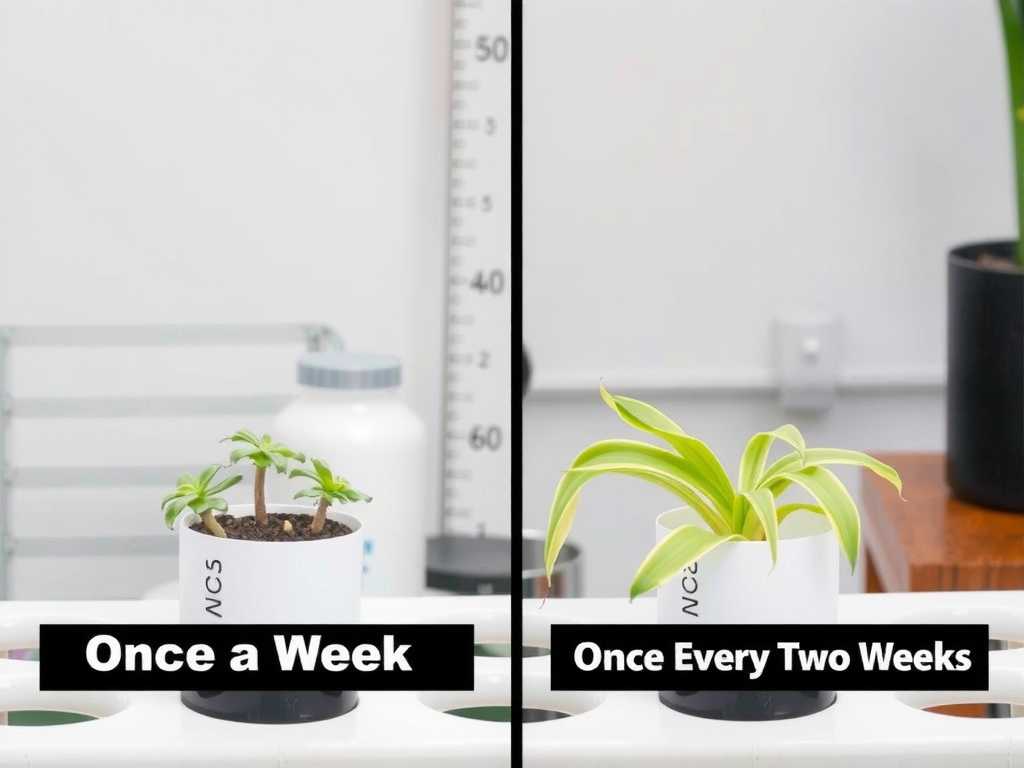
 spider plant Hydroponic Propagation: Nutrient Solution Addition Frequency (Once a Week vs. Once Every Two Weeks)
You’ve successfully started your spider plant hydroponic propagation. The roots are growing, the water is clear, and you’re excited. But now comes the most common, confusing question for every hydroponic beginner: How often do I add hydroponic nutrients? Is once a week the golden rule, or can you stretch it to once every two weeks without harming your plant? Getting this frequency wrong is the silent killer of many promising hydroponic projects, leading to stunted growth, yellowing leaves, or nutrient burn.
This guide cuts through the guesswork. We’ll directly compare the “once a week” versus “once every two weeks” feeding schedules for hydroponic spider plants. You’ll learn not just what to do, but why, empowering you to make the best decision for your specific setup and plant’s needs.
Understanding Spider Plant Nutritional Needs in Water
First, let’s ditch the soil mindset. In hydroponics, water is the delivery system, but it’s the dissolved nutrients that are the complete food source. Unlike in soil, where some nutrients cling to particles, in water, what you add is immediately available—and what isn’t used can become depleted or imbalanced quickly.
Spider plants (Chlorophytum comosum) are famously hardy, but they still require a balanced diet of macronutrients (like Nitrogen for leaf growth, Phosphorus for root development, and Potassium for overall health) and essential micronutrients (like Iron and Magnesium). A deficiency or excess of any can halt your propagation success. The goal is to maintain a stable, dilute nutrient environment that supports steady root and foliage development without causing stress.
The Case for Adding Nutrients Once a Week
A weekly nutrient refresh is often recommended for active hydroponic systems and vigorous growers. This schedule provides several key advantages for your propagating spider plant.
Promotes Consistent and Vigorous Growth A fresh nutrient solution every seven days ensures that essential elements like Nitrogen and Potassium are never in short supply. This consistency fuels uninterrupted cell division and expansion. You’ll typically observe faster root development and the emergence of new plantlets (spiderettes) more readily. The plant doesn’t have to pause its growth while waiting for its next “meal.”
Prevents Critical Nutrient Depletion Even in a seemingly full container, plants are constantly absorbing nutrients and water. Some elements are taken up faster than others. A weekly refresh prevents the solution from becoming imbalanced or completely exhausted. According to hydroponic horticulture experts, maintaining electrical conductivity (EC) stability is easier with more frequent changes, preventing the subtle deficiencies that cause pale streaks or weak growth.
Simplifies Your Routine For many plant enthusiasts, attaching nutrient duty to a specific day of the week (e.g., “Watering Wednesday”) builds a fail-proof routine. It’s easier to remember and reduces the risk of accidentally letting the plant sit in depleted water for too long. This schedule is particularly beneficial in warmer environments or under strong grow lights, where water uptake and evaporation are higher.
The Argument for Adding Nutrients Once Every Two Weeks
A bi-weekly schedule is not necessarily neglect—it can be a strategic choice that aligns with the spider plant’s moderate feeding needs and a more hands-off approach.
Aligns with Spider Plants’ Moderate Appetite Spider plants are not heavy feeders like tomatoes or peppers. Their nutrient requirements, especially during the initial propagation phase before massive foliage growth, are relatively low. A well-mixed, quality nutrient solution at half or quarter strength can often sustain healthy development for 10-14 days. This schedule mimics a more natural, less intense feeding cycle.
Reduces Risk of Nutrient Burn and Salt Buildup The most common mistake in hydroponics is over-fertilization. Adding fresh, full-strength nutrients too often can lead to a toxic buildup of salts in the water, which manifests as brown, crispy leaf tips—a classic spider plant distress signal. A bi-weekly schedule inherently lowers this risk, giving the plant more time to utilize what’s available before introducing more.
Ideal for Low-Tech, Passive Hydroponics If you’re propagating in a simple jar or vase (the Kratky method), where the plant drinks and the water level drops without aeration, a less frequent nutrient addition is often perfectly adequate. The plant’s growth rate naturally slows as the water level and oxygen decrease, matching the slower nutrient depletion. It’s a low-maintenance system that thrives on a low-maintenance schedule.
Key Factors That Determine the Best Frequency
Your plant will tell you what it needs. The “right” answer depends on these critical variables. Observe and adjust.
Stage of Propagation and Root Development
- New Cuttings (First 2-3 weeks): Until a robust root system of 2-3 inches is established, use plain water or an extremely dilute nutrient solution. Frequent changes (weekly) are better here to prevent bacterial growth, but keep nutrient strength very low.
- Established Roots with Plantlets: Once you have a healthy root mass and new foliage is forming, the plant is ready for a regular schedule. This is when you choose between weekly or bi-weekly based on other factors.
Environmental Conditions (Light & Temperature) Light and temperature drive photosynthesis and metabolism. A spider plant in a bright, warm spot will photosynthesize more, drink more water, and use nutrients faster, likely benefiting from a weekly schedule. A plant in moderate, indirect light will have a slower metabolism and may thrive perfectly on a bi-weekly schedule.
Type and Strength of Hydroponic Nutrient Solution Always follow the manufacturer’s instructions, but for spider plant propagation, start at half the recommended strength. A diluted solution is safer and often more effective. If using a weekly schedule, you may keep it at half-strength. If opting for bi-weekly, you might use a slightly stronger mix (e.g., 3/4 strength), but monitoring for burn is crucial. Never use full strength.
How to Monitor and Adjust Your Schedule
Don’t set a schedule and forget it. Successful hydroponics is about active observation.
Visual Cues from Your Plant
- Signs it Needs Nutrients MORE Often (Weekly): Slowed growth, smaller new leaves, a general pale or yellowish cast (especially on older leaves).
- Signs it Needs Nutrients LESS Often (Bi-weekly): Brown, scorched-looking leaf tips, white crusty residue on the container or roots (mineral buildup), overly soft or dark roots.
The Water Level Check Method A simple yet effective tactic: top off with plain water mid-cycle. If you’re on a bi-weekly schedule and the water level drops significantly after one week, top it up with fresh water. This dilutes the remaining nutrients slightly but maintains volume. It’s a good compromise that stretches your nutrient solution while keeping roots submerged.
Recommended Hybrid Approach for Beginners For most home gardeners, this method offers the best balance: Perform a complete nutrient solution change every two weeks. In the interim week, top off the reservoir with plain, pH-balanced water. This provides fresh nutrients regularly, prevents extreme concentration swings, and is simple to manage.
Frequently Asked Questions
Can I use regular liquid houseplant fertilizer for my hydroponic spider plant? It’s not recommended. Regular fertilizers are designed for soil and contain compounds that may not be available in water culture and can promote harmful microbial growth. Always use a fertilizer specifically formulated for hydroponics, as it contains nutrients in forms readily absorbable by roots in water.
My spider plant’s leaves have brown tips. Am I adding nutrients too often? Brown tips are a classic sign of fertilizer salt buildup or low humidity. First, try switching from a weekly to a bi-weekly nutrient schedule using a more diluted solution. Ensure you are using plain, low-fluoride water for top-offs. Also, consider that dry indoor air is a common cause; occasional misting can help.
How do I know when to increase the nutrient strength from ‘propagation’ to ‘growth’ phase? When your propagated plant has developed a substantial root system (filling much of the container) and is producing multiple new leaves and offshoots consistently, it’s ready for slightly stronger feeding. You might move from 1/4 strength to 1/2 strength of the “grow” formula on your chosen schedule. Increase strength gradually and watch the plant’s response.
There is no universal mandate for feeding hydroponic spider plants. The choice between weekly and bi-weekly nutrient addition hinges on your plant’s growth stage, its environment, and your own gardening style. A weekly schedule offers consistency and vigor for ideal conditions, while a bi-weekly approach provides safety and simplicity, especially for passive setups. Start conservatively with a diluted solution, observe your plant’s language—its leaf color, root health, and growth pace—and let those clues guide your final schedule. By understanding the principles behind the frequency, you move from following a rule to mastering a technique, ensuring your hydroponic spider plant thrives.