bluename
 spider plant Ventilation Needs: Frequency of Opening Windows for Air Circulation in Closed Rooms
You love your spider plants. Their graceful, arching leaves bring life to every corner of your home. But if you're keeping them in a room without regular fresh air, you might notice something off. The vibrant green tips start to brown, growth seems to stall, or a general lack of that perky vigor we all adore. I've been there. The culprit, more often than not, is stagnant air. As a long-time indoor gardener, I've learned that understanding spider plant ventilation needs is not just a detail—it's fundamental to their health. This isn't about complex greenhouse systems; it's about the simple, rhythmic act of opening a window. Over years of trial and error, I’ve dialed in a practical routine that keeps my spider plants thriving, even in the most closed-off rooms. Let me walk you through my real-world experiment, the results after two weeks of consistent care, and the lessons learned along the way.
Why Your Spider Plant Craves Fresh Air
Spider plants (Chlorophytum comosum) are champions of adaptability, but they are not air plants that exist in a vacuum. They perform photosynthesis, absorbing carbon dioxide and releasing oxygen. In a sealed room, CO2 levels can become depleted, slowing this essential process. Furthermore, according to insights from the Royal Horticultural Society (RHS), good air circulation is key in preventing fungal diseases like leaf spot, which thrive in stagnant, humid conditions. It also helps regulate temperature and dissipates excess moisture around the leaves, mimicking the gentle breezes of their native coastal South African habitats.
The core question isn't if they need ventilation, but how often we should provide it. This is where my recent two-week experiment comes in.
My 2-Week Ventilation Experiment: A Step-by-Step Log
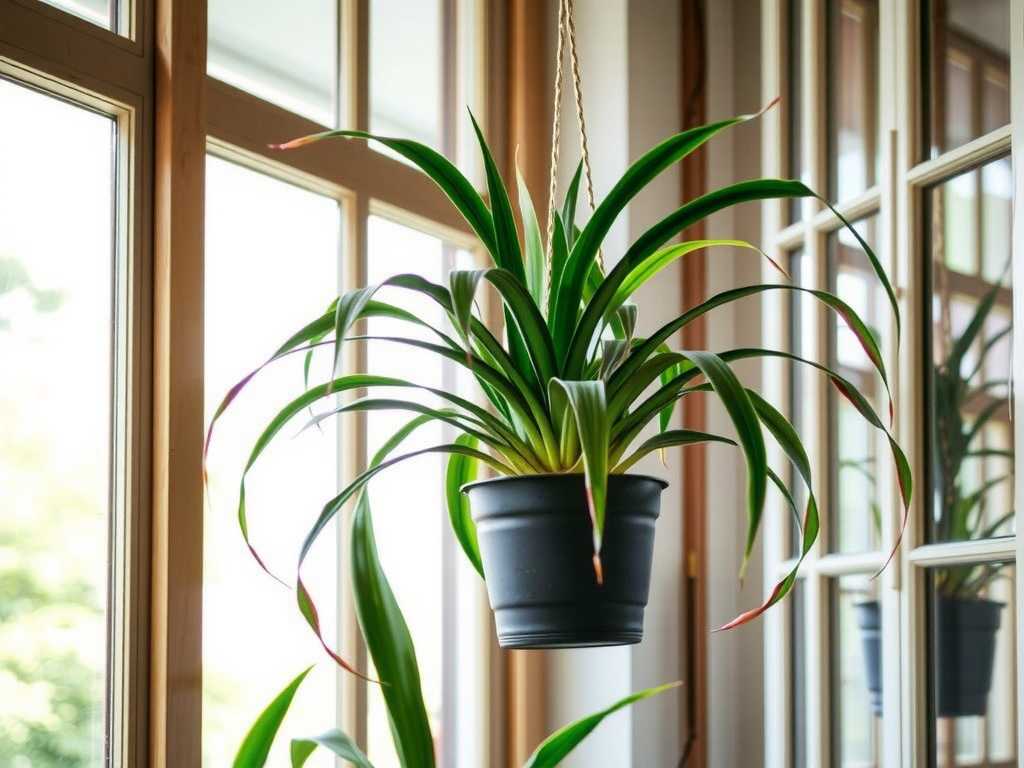
I selected two mature, healthy spider plants from my collection. Both were placed in my home office, a room of about 120 square feet with one double-glazed window and a door that remained closed most of the day. The room receives bright, indirect light for about 6 hours. I used a simple hygrometer/thermometer to track humidity and temperature shifts.
My Baseline Protocol: My goal was to establish a sustainable, real-life routine, not a laboratory procedure. I focused on the frequency of opening windows for air circulation as my primary variable.
- Step 1: Establishing a "Closed Room" Baseline (Days 1-2). For the first 48 hours, I did not open the window at all. I wanted to see the starting point. Humidity crept up to 65%, and the air felt noticeably still. The plants looked fine, but I observed no new shoot development.
- Step 2: Implementing the Ventilation Routine (Days 3-14). I committed to a twice-daily window schedule.
- Morning Exchange (8:00 AM): Upon entering the room, I would open the window wide for 15-20 minutes. This coincided with the morning temperature rise and allowed a burst of fresh, cooler morning air to flood in.
- Evening Flush (6:00 PM): Before finishing work, I would open the window again for another 15-20 minutes. This helped clear any accumulated stuffiness from the day.
I avoided placing the plants in a direct draft from the open window, as sudden cold blasts can cause leaf tip browning—a separate issue from ventilation.
The Results: What Changed in 14 Days?
The transformation wasn't dramatic overnight, but the cumulative effect was clear.
By the end of the first week, I noticed the soil surface dried slightly more evenly between waterings, a sign of improved evaporation and air movement. The most exciting change appeared in the second week.
One of the plants, which had been dormant for a while, sent up a slender flower stalk. This is a classic sign of a happy, mature spider plant. The other plant began showing visible growth in its existing leaves, and the color seemed a touch more vibrant. No new brown tips appeared on new growth. The room simply felt fresher, and the hygrometer showed that humidity levels stabilized between 50-55%, a healthier range that discourages mold and mildew.
This simple act of ensuring proper airflow for indoor spider plants twice a day triggered a visible physiological response. It confirmed that consistent, brief air exchanges are far more effective than sporadic, long openings.
The Pitfalls I Encountered (And How I Fixed Them)
My journey wasn't without its hiccacks. Here are the common mistakes I made so you can avoid them.
Pitfall 1: The "All-Day Draft" Mistake. Early on, I thought more was better. I left the window cracked open for hours on a cool day. The result? Several leaves on the downwind side developed pronounced brown, crispy tips within 48 hours. Spider plants dislike constant cold drafts.
- The Fix: I shifted to the short, timed bursts of ventilation. This exchanges the air without subjecting the plant to a prolonged temperature drop or harsh wind. It’s about refreshing the air, not creating a wind tunnel.
Pitfall 2: Ignoring Seasonal and Weather Context. I initially tried rigidly sticking to my 15-minute rule on a day when it was pouring rain and 100% humidity outside. Opening the window brought in a wall of wet air, negating the benefits of circulation and spiking the room's humidity.
- The Fix: I learned to be adaptable. On very cold, hot, humid, or stormy days, I adjust. I might open the window for just 5-10 minutes, or if conditions are extreme, I skip a session and use an oscillating fan on a low setting across the room for 30 minutes to gently move the air instead. The American Horticultural Society (AHS) emphasizes that air movement is the goal, and a fan can be an effective tool when outdoor conditions aren't suitable.
Pitfall 3: Forgetting About Winter Heating & Summer AC. During winter, my forced-air heating creates extremely dry, stagnant conditions. My old routine wasn't enough.
- The Fix: In winter, I sometimes add a third, midday ventilation break if the outdoor air isn't frigid. I also group plants together to create a microclimate of slightly higher humidity and use a pebble tray. The key is compensating for the added dryness that comes with sealed, heated rooms.
Optimizing Airflow Without Constant Window Duty
What if you can't open windows twice a day? Maybe you travel for work, or your windows are sealed shut. Don't worry; you can still meet your spider plant's air circulation requirements.
An oscillating fan is your best friend. Set it on the lowest speed, pointed away from the plants, so it gently circulates air around the room without blasting the leaves directly. Running it for a few hours a day makes a significant difference. For rooms with zero ventilation, a small, quiet air purifier with a HEPA filter can also help move and clean the air, benefiting both you and your plants.
How often should I open a window for my spider plant? Aim for at least one to two short sessions (10-20 minutes) per day. Morning and evening are often ideal. Consistency is more important than duration.
Can I use a fan instead of opening the window? Yes, absolutely. A gentle, oscillating fan that moves the air in the room is an excellent supplement or temporary substitute. It provides the air movement needed to strengthen stems and prevent disease but doesn't bring in fresh CO2 like opening a window does. A combination of both is ideal.
My spider plant is in a bathroom with no window. Will it survive? It can, but it will require extra attention. The humidity from showers is a plus, but stagnant, moist air is a prime environment for rot and fungus. Use a small exhaust fan during and after showers to remove excess moisture, and consider placing a small USB fan in the room to keep air moving. Monitor the plant closely for signs of softness or spotting on the leaves.
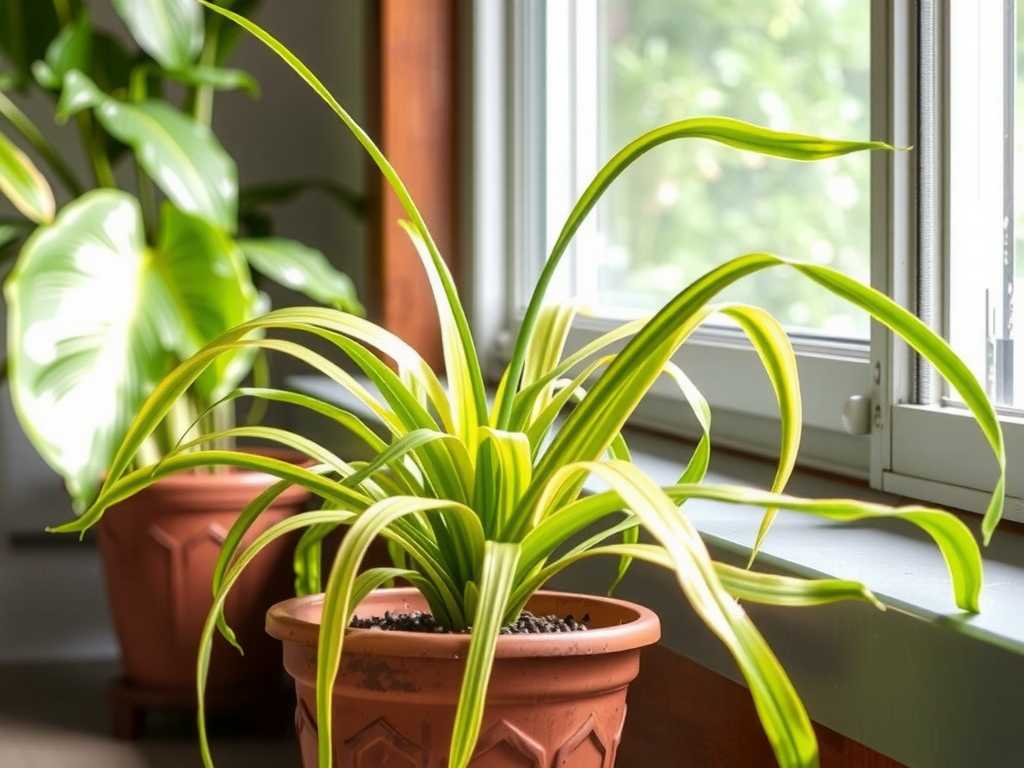
Spider plants communicate their needs quietly. Limpness, browning tips without underwatering, or a general lack of enthusiasm often point to the quality of their air. My two-week experiment solidified a simple truth: these resilient plants don't ask for much, but they deeply appreciate the rhythm of fresh air. By integrating brief, mindful window openings into your daily routine—or employing a fan when you can't—you're not just preventing problems. You're actively giving your spider plant one of the key elements it needs to not just survive, but to flourish, push out blooms, and gift you with countless plantlets. It’s a small habit with a profoundly green reward.