bluename
 Purple Leaf spider plant Care: Light & Nutrient Management to Maintain Leaf Purpleness
I’ve always been fascinated by the unique charm of the Purple Leaf Spider Plant. Unlike its common green cousins, this variety boasts stunning purple-tinged foliage that can fade to a dull green if not cared for correctly. The core challenge, as I discovered through trial and error, is maintaining that vibrant purpleness. It’s a delicate balance, primarily dictated by two factors: light and nutrients. After years of growing these beauties, I’ve honed a specific regimen that works. In this guide, I’ll share my exact steps, the two-week transformation I documented, and the pitfalls I navigated to keep my spider plants gloriously purple.
Understanding the Purple Pigment: It’s All About Anthocyanins
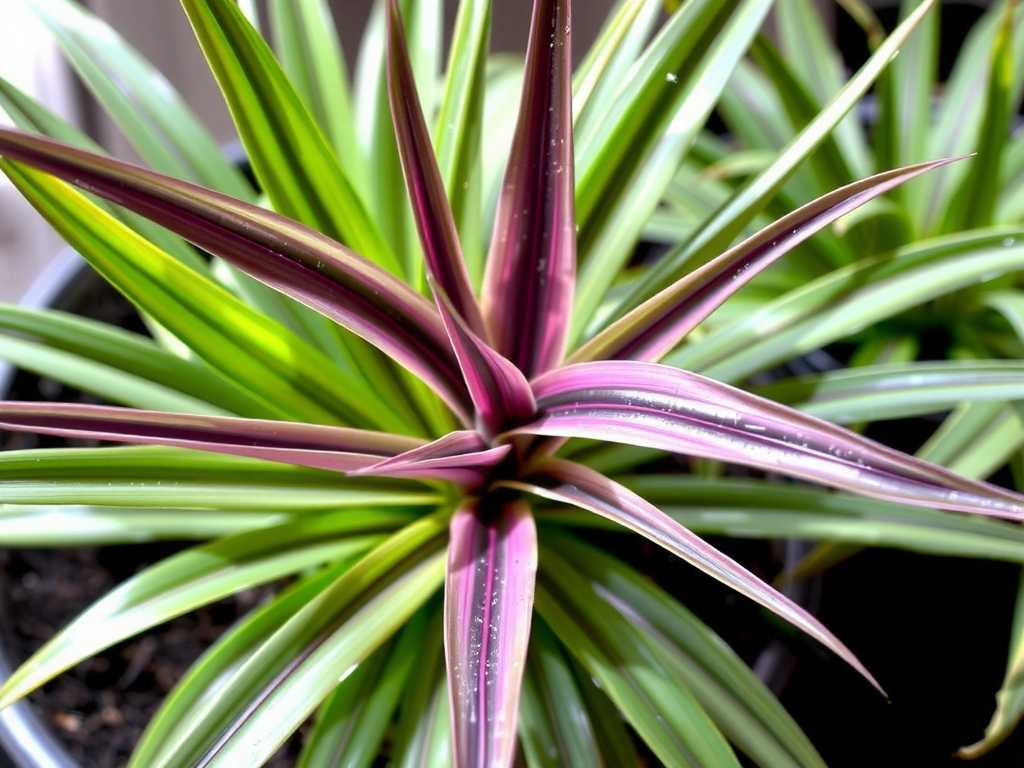
The secret to the purple leaf color lies in pigments called anthocyanins. Think of them as the plant’s sunscreen and antioxidant system. They are produced in response to specific environmental stresses, notably light intensity. According to research from the Royal Horticultural Society (RHS), anthocyanin synthesis is heavily influenced by light quality and quantity. Furthermore, nutrient availability, particularly phosphorus and potassium, plays a supporting role in pigment development and overall plant vigor. My goal was to manipulate these factors not to stress the plant, but to gently encourage it to show off its best colors.
My Two-Week Purple Revival Protocol
I had a mature Purple Leaf Spider Plant that had reverted to a mostly green state after a winter in lower light. I decided to conduct a focused two-week experiment to bring back the purple hues. Here was my actionable plan.
Week 1: The Light Adjustment Phase
My first priority was optimizing light exposure. I knew direct, harsh afternoon sun could scorch the leaves, but deep shade would guarantee green growth.
- Step 1: Relocation. I moved the plant from its north-facing windowsill to an east-facing one. This location provides the “sweet spot”: about 3-4 hours of direct, gentle morning sunlight, followed by bright, indirect light for the rest of the day. Morning sun is less intense but rich in the blue-light spectrum, which is a key trigger for anthocyanin production.
- Step 2: Observation and Rotation. I made it a daily habit to observe the leaves. Every morning, I would check for signs of stress (like bleaching or brown tips) and gently rotate the pot a quarter turn to ensure all sides received even light. Uneven lighting leads to uneven coloring.
- Initial Effect (Days 1-7): By the end of the first week, I noticed a subtle change. The newest leaves at the center of the rosette, which were previously pale, began showing a faint lavender blush at their bases. The older, fully green leaves hadn’t changed much, which was expected. The plant was responding to the new light regime.
The First Pitfall and Fix: Sunburn Scare
On day 3, I noticed a small, pale yellow spot on one leaf facing the window. I had misjudged the intensity of the morning sun through the clean glass. This was a classic case of too much of a good thing too quickly.
- My Solution: I didn’t move the plant away entirely. Instead, I used a sheer curtain as a diffuser. This softened the direct rays while maintaining the high light intensity and spectral quality needed. The spot did not spread, and the plant adapted without further issue.
Week 2: Introducing Targeted Nutrient Support
With the light dialed in, I introduced a tailored feeding approach in the second week. Nutrition supports the plant’s energy to produce those pigments. The American Horticultural Society (AHS) emphasizes that balanced fertilization is crucial for foliage color, warning that excess nitrogen can promote rapid green growth at the expense of other colors.
- Step 3: The Fertilizer Choice and Application. I used a balanced, water-soluble fertilizer with a slight bias. I looked for an NPK ratio close to 5-10-10 or 3-4-5, which is lower in nitrogen (N) and higher in phosphorus (P) and potassium (K). Phosphorus aids in energy transfer and root development, while potassium improves overall plant health and stress tolerance—both supporting color expression. I diluted the fertilizer to half the recommended strength. For my Purple Leaf Spider Plant, I applied this weak solution once at the beginning of week two.
- Step 4: Continued Light Discipline and Watering. I maintained the strict east-facing light schedule with the sheer curtain. I watered only when the top inch of soil was completely dry, using room-temperature water. Consistent moisture without sogginess is key to avoiding root rot, which would derail everything.
- Observed Effect (Days 8-14): The transformation became visibly exciting. The lavender blush on new leaves deepened and spread. More importantly, the mid-aged leaves started developing purple undersides and edges. The overall plant looked more robust and colorful. The older leaves remained green, but the new growth was unmistakably purple. The combination of correct light and supportive nutrients was clearly working.
The Second Pitfall and Fix: The Temptation to Overfeed
After seeing positive results by day 10, my initial excitement made me consider a second, “booster” feed. This is a common mistake. Over-fertilization can cause salt buildup, burn roots, and shock the plant, reversing all progress.
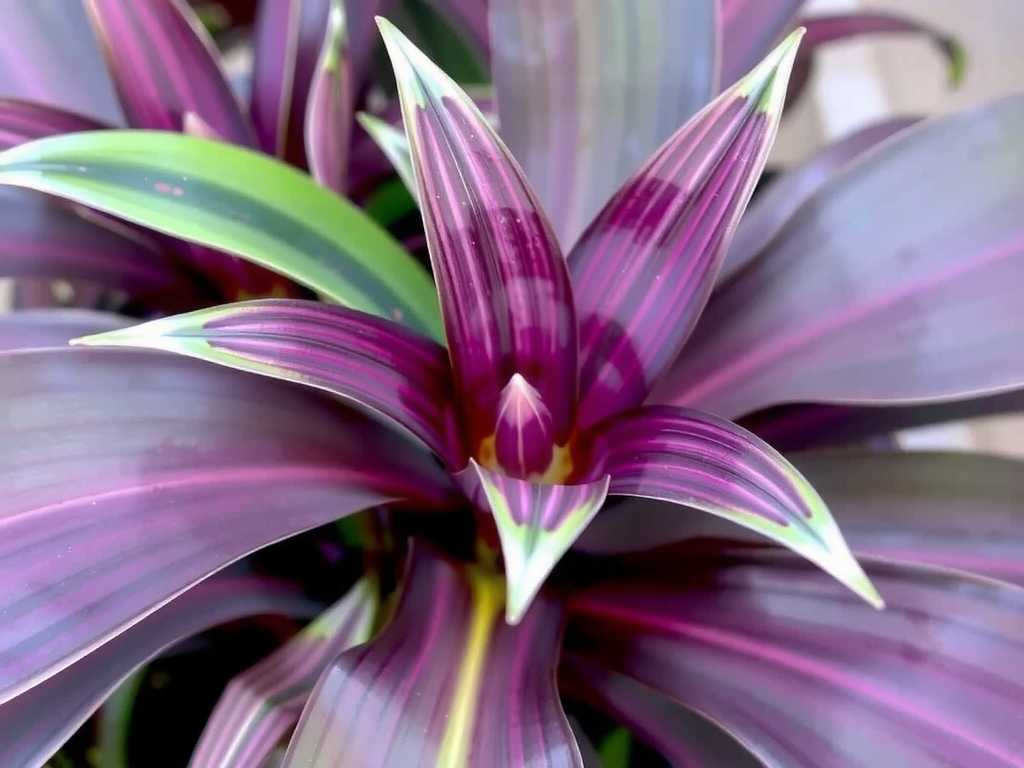
- My Solution: I stuck to my original plan. I remembered that spider plants are not heavy feeders and that more is not better. I resisted the urge and simply continued with proper lighting and careful watering. The plant continued to improve without any signs of fertilizer burn or stress.
Long-Term Maintenance for Lasting Purple Color
My two-week protocol was a jumpstart. Maintaining the purple leaf color is an ongoing commitment. Here is my sustained care routine:
- Light is Non-Negotiable: The east-facing window (or a west-facing with protection) remains the permanent home. During dark winters, I consider using a grow light for a few hours to supplement.
- Nutrient Schedule: I now feed my Purple Leaf Spider Plant with the half-strength, low-nitrogen fertilizer only once a month during the active growing season (spring and summer). I stop feeding entirely in fall and winter.
- The Right Potting Mix: I use a very well-draining potting mix, often amending a standard mix with perlite or orchid bark. Excellent drainage prevents root issues and ensures nutrients are absorbed effectively.
- Pruning for Color: I periodically remove one or two of the oldest, fully green leaves at the base. This encourages the plant to put energy into producing new, colorful growth.
Common Questions from Fellow Plant Lovers
Can a completely green spider plant turn purple again? Yes, but with a caveat. New growth produced under the correct light and nutrient conditions will be purple. However, existing mature green leaves will likely remain green. The plant will transform over time as new purple leaves replace the old green ones.
What if I only have a north-facing window? A north-facing window may not provide enough light intensity. You will likely need to supplement with an artificial grow light. Place the light about 12-18 inches above the plant and run it for 12-14 hours a day to mimic the required light conditions for purple leaves.
Are purple leaves a sign of the plant being unhealthy? Not at all when achieved through proper care. Stress colors from improper care (like severe drought or cold damage) are unhealthy. The rich purple we aim for, induced by balanced bright light and supported by nutrition, is a sign of the plant expressing its natural, healthy pigmentation. It’s thriving, not struggling.
Keeping your Purple Leaf Spider Plant vividly colored is a rewarding practice. It requires understanding its language—responding to its light needs and supporting it with thoughtful nutrition. It’s not about harsh conditions, but about providing the ideal environment for it to naturally showcase its stunning purple foliage. By following these steps, you can enjoy the deep, rich hues that make this spider plant variety so special.