bluename
 spider plant Division Propagation: The Anti-Infection Effect of Wound Coating with Plant Ash
You’ve carefully separated your lush spider plant, ready to multiply your green haven. But within days, your excitement turns to worry. The fresh divisions you planted are looking sad—the base is soft, discolored, and possibly rotting. This common frustration of post-division infection can undo all your propagation efforts in an instant. The hidden culprit is often an open wound on the plant, an entry point for soil-borne pathogens that leads to rot and failure. Fortunately, a simple, age-old gardening remedy can dramatically shift the odds in your favor: coating those fresh cuts with plant ash. This guide delves deep into the science and practice of using plant ash as a protective wound dressing during spider plant division propagation, ensuring your new plants thrive from the very start.
Why Division Wounds Are a Critical Vulnerability
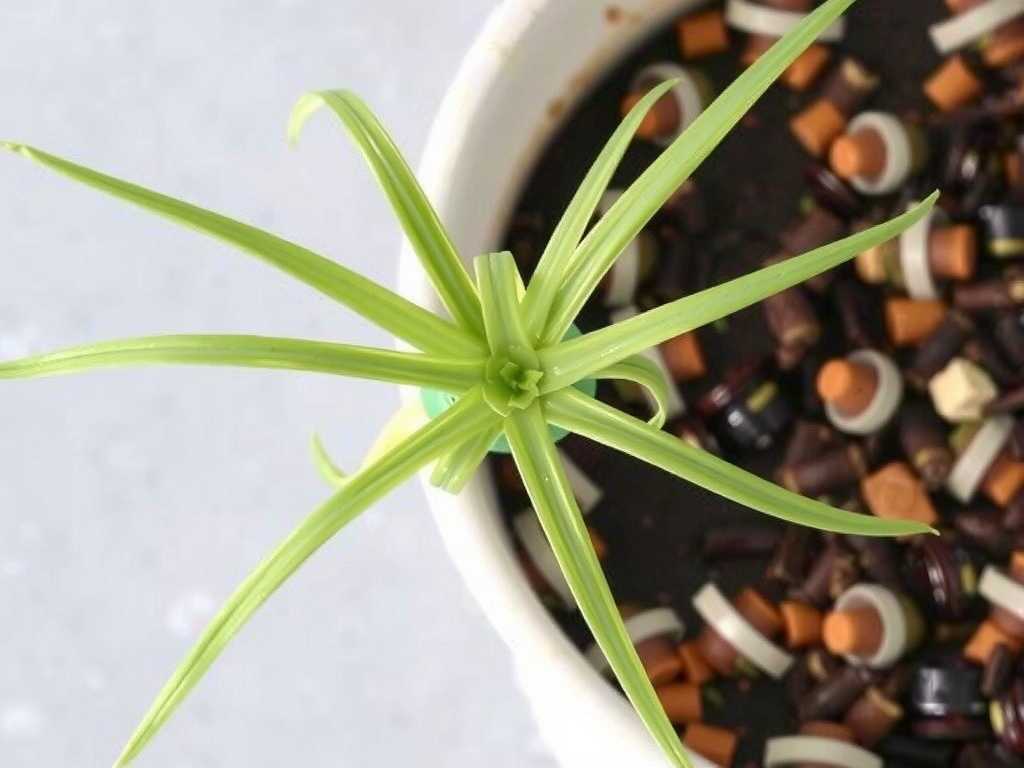
Spider plants (Chlorophytum comosum) are typically propagated by dividing their dense root clumps or by planting the baby plantlets (spiderettes) they produce. The division process, while straightforward, inevitably creates open wounds on the roots and rhizomes. These fresh cuts are moist and rich in sap, making them a perfect target for fungi and bacteria present in the potting mix.
Without intervention, these microorganisms can invade, causing the tissue to break down in a condition known as soft rot or root rot. This infection can quickly spread, killing the division before it establishes itself. The primary goal post-division is not just planting, but proactively protecting these wounds to ensure a sterile start for the new plant. This is where the anti-infection effect of wound coating becomes your most powerful tool.
Understanding the Protective Power of Plant Ash
Plant ash, the residue left after burning untreated wood, leaves, or other plant material, is far more than just waste. For centuries, gardeners have used it to improve soil and protect plants. Its efficacy in wound care is backed by its unique chemical and physical properties.
- High pH (Alkalinity): Wood ash is highly alkaline, typically with a pH between 9 and 13. Most common root-rot pathogens, such as species of Pythium and Fusarium, thrive in neutral to slightly acidic conditions. Coating a wound with ash creates a locally high-pH environment that is inhospitable and often directly lethal to these microbes, effectively disinfecting the cut surface.
- Desiccant (Drying) Effect: Ash is hygroscopic, meaning it helps draw moisture out. By drying the surface of the wound, it removes the moist environment that bacteria and fungi need to germinate and invade. This creates a physical barrier that seals the cut.
- Potassium and Trace Minerals: While not the primary mode of action for infection control, the potassium in ash can be lightly absorbed by adjacent tissue, potentially aiding in the plant’s own healing and stress response processes.
As noted by horticultural pathologist Dr. Linda Chalker-Scott, while modern sealants exist, many natural desiccants like ash function by creating an environment unsuitable for pathogen growth, which is a cornerstone of integrated pest management. It’s a classic example of using a simple material to manipulate the plant’s micro-environment for protection.
Step-by-Step Guide: Propagating Spider Plants with Ash Protection
Here is the definitive method for dividing your spider plant while utilizing plant ash to maximize success rates.
Materials You Will Need:
- A healthy, mature spider plant
- Sharp, sterilized knife or pruning shears
- Clean work surface
- Sieve or fine mesh
- Bowl of clean, sifted wood ash (from untreated wood only)
- New pots with fresh, well-draining potting mix
- Watering can
The Division and Coating Process:
-
Preparation is Key: Water your spider plant thoroughly a day before division. This reduces transplant shock and makes the roots more pliable. Ensure your cutting tool is wiped with isopropyl alcohol to prevent introducing pathogens.
-
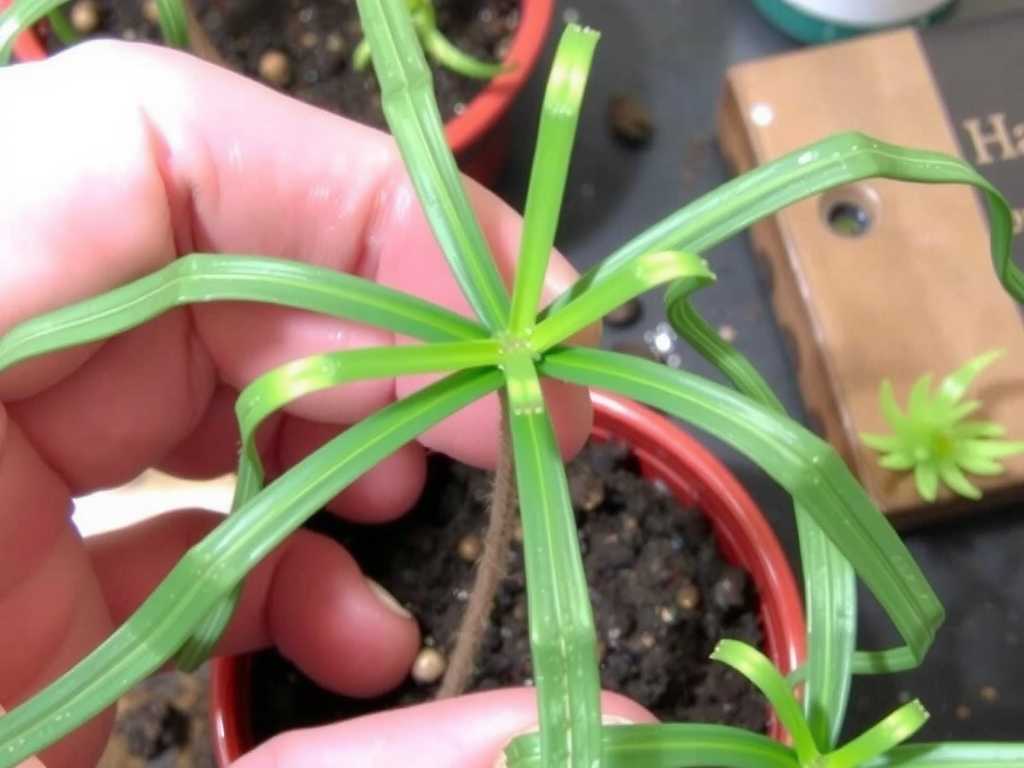
Gentle Unpotting and Root Inspection: Carefully remove the plant from its pot. Gently loosen the root ball with your fingers to expose the natural divisions or “offsets.” Identify clusters of leaves with their own attached root systems.
-
Making Clean Cuts: Using your sterilized tool, make decisive cuts to separate the clusters. Aim to minimize tearing. Each division should have a good set of leaves and a healthy portion of roots. You may need to cut through thick, tuberous rhizomes.
-
Applying the Ash Coating – The Critical Step: This is where you activate the anti-infection protocol. Immediately after cutting, take each division and gently roll or press the cut surfaces into your bowl of sifted wood ash. Ensure a thin, even layer coats the entire wound. Tap off any excess. The goal is a light dusting, not a thick paste. Let the ash-coated wounds sit in a dry, shaded place for 1-2 hours. This allows the ash to fully desiccate the cut surface, forming a protective seal.
-
Potting and Initial Care: Plant each treated division in its own pot filled with moist, well-draining soil. Do not water immediately. Wait for 5-7 days before giving the first light watering. This crucial drying period allows the ash seal to set and the plant to begin callusing over the wound without excess moisture. Place the new plants in bright, indirect light.
Comparing Ash to Other Common Wound Treatments
How does plant ash stack up against other methods?
- Cinnamon Powder: A popular home remedy with mild antifungal properties. Effective for small cuts, but its potency and desiccant ability are generally considered weaker than wood ash for larger division wounds.
- Commercial Antifungal Powders: Often contain synthetic fungicides like sulfur or thiophanate-methyl. Highly effective but a chemical intervention. Ash provides a non-chemical, equally effective alternative for the home propagator.
- Healing Without Treatment: This is the “wait and see” approach. It works often with spider plants due to their resilience, but it unnecessarily risks infection, especially in humid conditions or with less-than-ideal soil. The use of ash significantly de-risks the process.
Maximizing Success: Best Practices for Aftercare
The protective wound coating is your first line of defense, but aftercare ensures long-term success.
- Watering Wisdom: Overwatering is the fastest way to negate the benefits of ash treatment. Always let the top inch of soil dry out completely between waterings. Well-draining soil is non-negotiable.
- Light and Environment: Provide bright, indirect light. Avoid direct hot sun, which can stress the recovering divisions. Maintain moderate room temperatures.
- Hold the Fertilizer: Do not fertilize for at least 2-3 months. The new roots are sensitive, and the plant needs to focus on establishment, not new growth fueled by fertilizer.
Frequently Asked Questions
Can I use ash from my fireplace or fire pit? Yes, but only if you burned 100% untreated, natural wood (no plywood, painted wood, or coal). Sift the ash through a fine mesh to remove any large charcoal chunks before use.
Is the ash treatment safe for all my houseplants? While excellent for spider plants and other succulents or plants prone to rot (like snake plants), avoid using it on acid-loving plants such as azaleas, blueberries, or gardenias, as the residual alkalinity on roots could affect soil pH over time.
What if my plant division still shows signs of rot after treatment? If the base becomes mushy, unpot the plant immediately. Cut away all soft, infected material well above the rot line with a sterile tool. Re-apply a fresh coating of ash to the new cut and re-root the division in fresh, dry potting mix or even in water first to encourage new, healthy roots before repotting.
Propagating spider plants through division is a rewarding way to expand your collection. By understanding the vulnerability of fresh wounds and employing the simple, powerful anti-infection effect of wound coating with plant ash, you transform a risky step into a guaranteed success. This method leverages natural chemistry to create a sterile start, giving every division the best possible foundation for a healthy, thriving future. Embrace this timeless technique for a more resilient and flourishing indoor garden.