bluename
 spider plant Watering in Summer: Mastering Temperature Control for Morning & Evening Watering
My spider plants used to look miserable every summer. Despite my best intentions, the leaves would turn brown at the tips, some would yellow, and the overall vigor just wasn't there. I was watering, but something was off. The breakthrough came when I stopped focusing just on how much to water and started paying critical attention to when to water, specifically in relation to temperature. Spider plant watering in summer isn't just about frequency; it's a delicate dance with daily heat cycles. After two weeks of disciplined, temperature-aware watering, the transformation in my plants was undeniable. Let me walk you through my exact process, the results, and the pitfalls I navigated along the way.
Why Summer Demands a Different Watering Strategy
Spider plants (Chlorophytum comosum) are famously resilient, but summer stresses them in unique ways. Higher temperatures increase the rate of evaporation from the soil and transpiration from the leaves. A schedule that works in spring can lead to parched roots by July. Conversely, watering at the wrong time can create a sauna-like environment around the roots, inviting rot.
I learned from resources like the Royal Horticultural Society (RHS) that plant water uptake is most efficient when soil and ambient temperatures are moderate. Watering during peak heat is inefficient—much of it evaporates before the roots can drink. This was my core mistake. My goal became to sync my watering with the coolest parts of the day: morning and evening, but with important distinctions between the two.
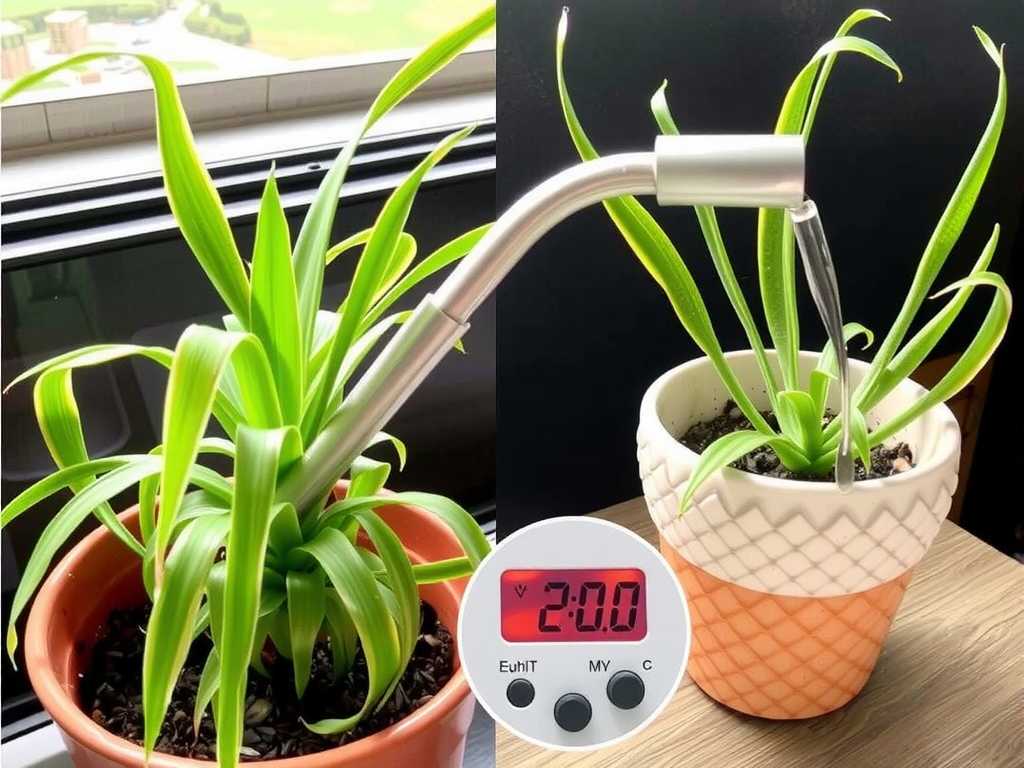
My Two-Week Experiment: Morning vs. Evening Watering Protocol
I selected three mature spider plants in similar conditions (bright, indirect light) and committed to a strict, observational routine for 14 days. The outdoor temperature during this period ranged from 75°F (24°C) at dawn to 95°F (35°C) in the mid-afternoon.
Week 1: Establishing the Baseline and Morning Routine
I dedicated the first week to morning watering for spider plants. My process was as follows:
- Time: I watered between 6:00 AM and 7:00 AM, ensuring the soil and plant were cool from the night.
- Method: I used the bottom-watering technique. I placed each pot in a saucer filled with room-temperature water (never cold from the tap, as shock is a real concern). I let them soak for 20-30 minutes, allowing the soil to wick moisture up evenly until the top felt damp.
- Check: Before removing them, I did the classic finger test. Only when the top inch felt moist did I take the pots out, empty the saucers, and let them drain fully.
Observations by Day 7: The plants responded positively. The leaves appeared perkier by mid-morning. There was no visible wilting during the afternoon heat, a common issue before. The soil surface was dry by evening, which helped discourage fungus gnats. However, I noticed on particularly scorching days (over 92°F/33°C), the plants seemed slightly less turgid by late afternoon, suggesting they were using their morning water reserve quickly.
Week 2: Switching to an Evening Schedule
For the second week, I switched the same plants to an evening watering schedule. The steps were similar but timed differently:
- Time: I watered between 6:00 PM and 7:00 PM, after the sun had moved off the balcony and temperatures had noticeably dropped.
- Method & Check: Identical bottom-watering process with room-temperature water.
Observations by Day 14: The evening-watered plants entered the night fully hydrated. By the next afternoon, they exhibited exceptional resilience against the heat. They maintained firm, upright leaves throughout the peak sun hours. The growth seemed more pronounced; I spotted several new plantlets (spiderettes) beginning to form, which hadn't happened during the first week. The soil was still slightly cool and moist at the surface in the early morning.
The Pitfalls I Encountered and How I Fixed Them
This wasn't a flawless process. I hit a few snags that are crucial for you to avoid.
Pitfall 1: The "Cool Evening" Trap One evening, a thunderstorm rolled in, dropping temperatures quickly. I watered as usual, but the pot and soil stayed damp and cool all night. Within two days, I saw the first signs of trouble: a few lower leaves turned mushy and yellow. I had inadvertently created conditions for root rot.
- Solution: I immediately stopped watering. I moved the plant to a breezier spot to help dry the soil faster. I trimmed the affected leaves. Now, I always check the forecast. If nighttime temperatures are predicted to dip below 65°F (18°C) or it's unusually humid, I skip the evening water and wait for the morning. The American Horticultural Society (AHS) advises that prolonged cool, wet soil is a primary cause of root disease in container plants.
Pitfall 2: Inconsistent Water Temperature Early on, I used water straight from the cold tap. My plants showed signs of stress—temporary wilting and some leaf curl shortly after watering. The shock of cold water on warm roots can stunt water uptake.
- Solution: I started filling my watering can the night before and letting it sit until morning. This allows chlorine to dissipate and the water to reach a stable, ambient temperature. This simple step made a dramatic difference in plant response.
Pitfall 3: Ignoring Soil Composition My watering schedule failed if the soil itself was wrong. A dense, moisture-retentive mix stayed soggy for days, while a very sandy mix dried out too fast.
- Solution: I repotted one plant into a well-draining mix tailored for spider plants: two parts potting soil, one part perlite, and one part coconut coir. This mix, combined with my timed watering, created the perfect balance of moisture retention and aeration. The roots had access to water without sitting in it.
Key Takeaways: When to Choose Morning or Evening
So, which is better for watering spider plants in hot weather? My two-week test showed both have merits, and the best choice depends on your specific climate.
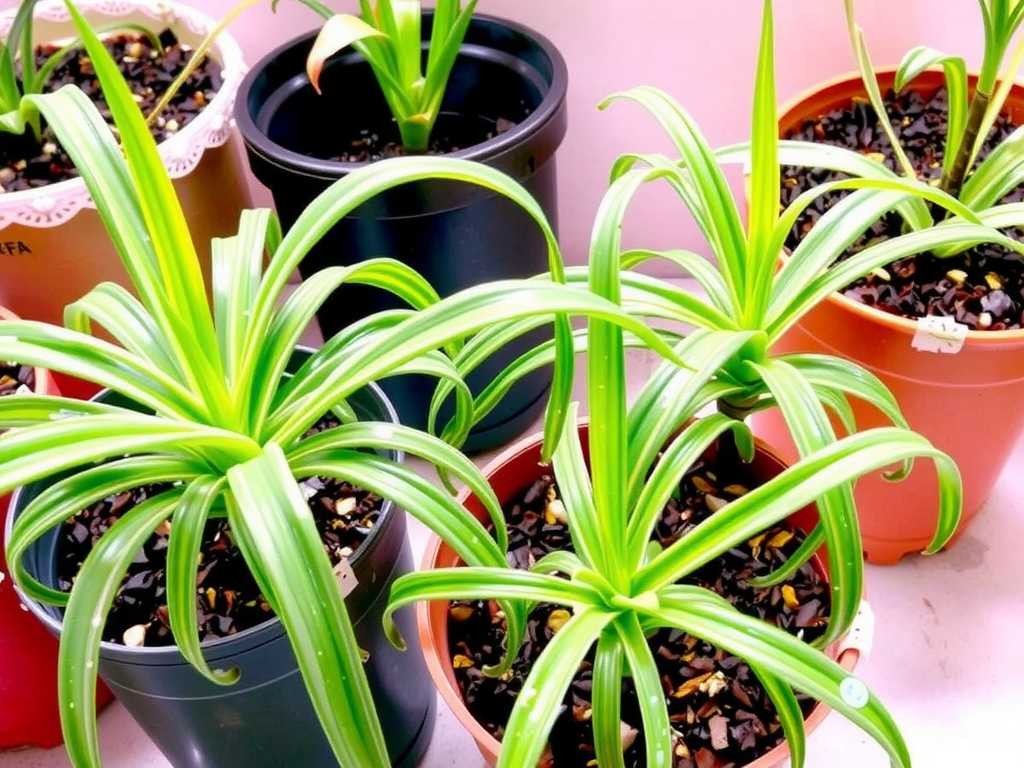
- Choose Morning Watering If: You have hot, dry summers with good nighttime airflow. It prepares the plant for the day's heat, reduces evaporation loss, and ensures foliage is dry by nightfall, minimizing fungal risk.
- Choose Evening Watering If: Your summers are intensely hot and dry. It allows plants to hydrate deeply after the day's stress and gives them hours of uptake without immediate evaporation. It was the clear winner for combating afternoon wilt in my high-heat environment.
Ultimately, the core principle is temperature control for watering. The goal is to deliver water when the plant can best absorb it and the soil can manage it without promoting disease.
Your Spider Plant Summer Watering Questions, Answered
Can I water my spider plant at noon if it's wilting? If your plant is wilting severely at noon, it's in acute distress. Move it to shade immediately. A light, gentle watering to slightly moisten the topsoil can provide emergency relief, but avoid a deep soak. The best remedy is to mist the leaves lightly to cool them and provide temporary humidity, then give it a proper, deep watering during the cooler evening hours once it has recovered from the shock.
How do I know if I'm overwatering versus underwatering in summer? This confused me for ages. The symptoms can look similar: yellowing leaves. Here's the distinction I learned: Overwatering leads to soft, mushy yellow leaves, often starting at the base, with consistently wet soil and a potential foul smell. Underwatering causes crispy brown leaf tips, dry and pulling-away-from-the-pot soil, and overall dull, limp foliage. The finger test is your best friend—check the soil an inch down before you reach for the watering can.
Do spider plants need more water when they have babies (spiderettes)? Absolutely. Producing those plantlets is energy-intensive. During my evening-watering week, when the plants were most consistently hydrated, they pushed out new spiderettes. A mother plant supporting multiple offspring will use water faster. You may need to increase watering frequency slightly, but always adhere to the core rule: water based on soil moisture and temperature, not just a set calendar day.
Mastering spider plant care in summer boils down to mindful timing. By aligning your watering with the gentle temperatures of early morning or late evening, you work with nature's rhythm, not against it. Observe your plant's response, feel the soil, and consider your local climate. This simple shift from a routine habit to a responsive practice is what turns a surviving spider plant into a thriving, cascading spectacle.