bluename
 spider plant Repotting in Winter: Is It Suitable? Key Notes from a Plant Enthusiast
I’ve lost count of how many times I’ve stood in my living room, looking at my overgrown spider plant spilling out of its pot, and wondered, “Can I repot this now, in the middle of winter?” The fear of shocking my beloved plant during the cold, dormant months is real. If you’re like me, you want what’s best for your green companion but are unsure if spider plant repotting in winter is a wise move. After extensive research and a personal, hands-on experiment, I’m here to share my findings and guide you through the process with key notes you can’t afford to miss.
Understanding the Dormancy Dilemma
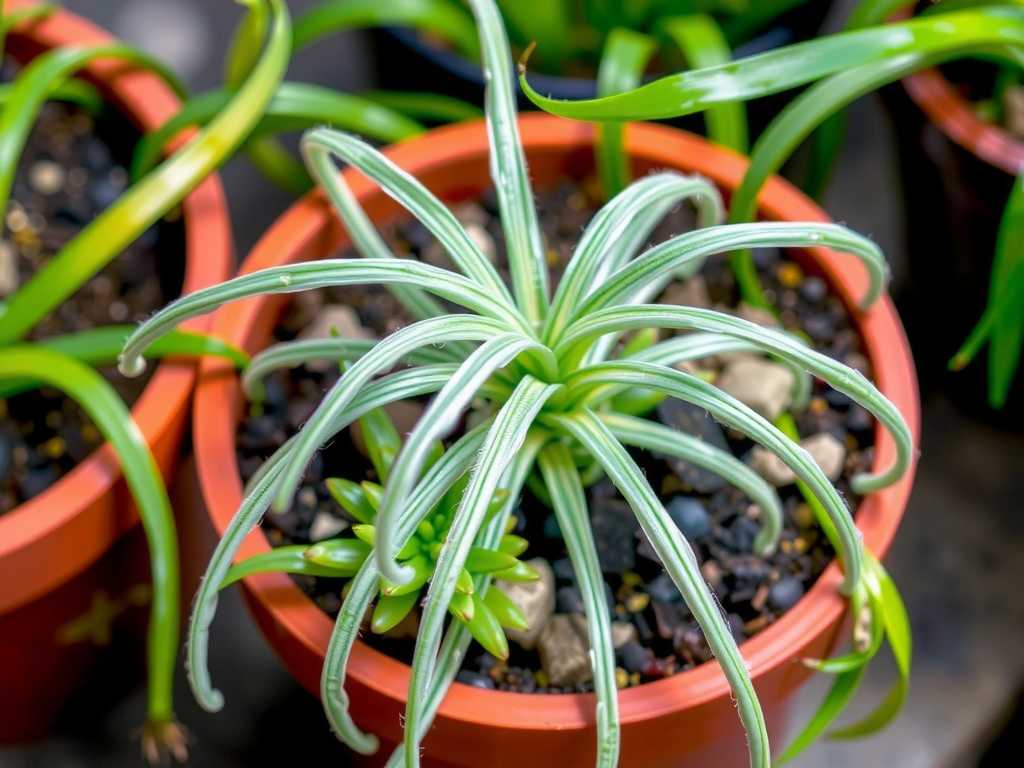
Most houseplants, including the resilient spider plant (Chlorophytum comosum), enter a period of slowed growth in winter. Reduced light levels and cooler temperatures signal the plant to conserve energy. The Royal Horticultural Society (RHS) generally advises against repotting in winter unless absolutely necessary, as root disturbance during dormancy can lead to slow recovery and potential root rot if the plant sits in wet soil it’s not actively drinking from.
However, “absolutely necessary” is the key phrase here. There are times when waiting until spring poses a greater risk. My own spider plant presented a classic emergency case: roots were visibly circling the top of the soil and growing out of the drainage hole, the soil dried out impossibly fast, and the plant had stopped producing its charming spiderettes entirely. It was pot-bound and stressed. I decided intervention was the lesser evil.
My Decision and Pre-Repotting Checklist
I concluded that repotting a spider plant in cold weather is possible with extreme care and adjusted expectations. The goal isn’t to boost growth immediately but to alleviate root stress and set the stage for a vibrant spring. Here was my pre-game plan:
- Choose the Right Day: I waited for a relatively mild, overcast day in early winter. I avoided repotting during or right after a deep freeze.
- Gather Supplies Indoors: Everything was prepared at room temperature: a new pot only 1-2 inches larger in diameter, fresh, well-draining potting mix (I used a standard mix with extra perlite), clean scissors, and a watering can with tepid water.
- The Warm Location: I set up my workstation in a warm, draft-free room away from cold windows. This was crucial to prevent cold shock during the process.
My Step-by-Step Winter Repotting Process
Step 1: The Gentle Extraction I watered the plant lightly the day before to make the rootball more pliable. On repotting day, I tipped the pot sideways and gently coaxed the plant out. I did not pull on the leaves. The rootball was a dense, tangled mat—a clear sign it was time.
Step 2: Root Inspection and Minimal Pruning Here, I followed advice from the American Horticultural Society (AHS), which emphasizes sanitation. I gently loosened the outer roots with my fingers. I only used clean scissors to trim any clearly dead, black, or mushy roots. I avoided aggressive root pruning, which is a common recommendation during active growth but too stressful in winter.
Step 3: Potting Up with Care I placed a layer of fresh mix in the new pot. I centered the rootball and filled in around the sides, gently tamping down to eliminate large air pockets. I ensured the plant sat at the same soil level as before—no deeper—to prevent crown rot.
Step 4: The Post-Repot Watering This is where many go wrong. I gave the plant a thorough but gentle watering with tepid water until it drained from the bottom. This settled the soil around the roots. Then, I placed the pot on a saucer and emptied any excess water after 30 minutes. The mantra became: “Moist, not soggy.”
Step 5: The Critical Aftercare Placement I did not place it back in its bright summer spot. Instead, I put it in a location with bright, indirect light, away from both cold drafts and direct heat vents. The consistent, moderate temperature was vital.
The 2-Week Observation: Patience is Key
The first week was a test of my resolve. The plant looked… sad. A few older outer leaves showed slight yellowing, and there was zero new growth. I resisted the urge to water again or fertilize (a huge no-no in winter, especially after repotting). I simply monitored the soil moisture by feeling it an inch down.
By the end of the second week, the yellowing had stabilized. No new leaves had yellowed. Most importantly, the plant’s central foliage remained firm and green. It wasn’t thriving yet, but it had stopped declining. It had stabilized—a major win for a winter repot. This slow, non-dramatic recovery is exactly what you should expect when you transplant spider plants during the dormant season.
The Pitfalls I Encountered and How I Solved Them
Pitfall 1: Overwatering from Anxiety. My biggest fear was underwatering, which ironically led me to over-check the soil. I caught myself almost watering on day 5 when the surface was dry, but the soil below was still moist. The fix? I stuck a wooden skewer into the soil; if it came out with damp soil sticking to it, I waited.
Pitfall 2: The Wrong Soil Mix. In my first attempt years ago, I used a dense, moisture-retentive garden soil. It stayed wet for weeks and caused root rot. This time, the well-aerated, perlite-heavy mix was essential for providing oxygen to the roots and preventing waterlogging in the low-evaporation winter environment.
Pitfall 3: Expecting Spring-like Results. I had to mentally adjust. A summer repot often sparks a growth spurt. A winter repot’s success is defined by survival and stabilization. Celebrating the lack of further decline was my new metric for success.
When You Should Absolutely Wait for Spring
My experiment was based on a necessary intervention. If your spider plant is simply looking a bit cramped but is otherwise healthy—still producing pups, with no roots escaping—then you are in the ideal position. Wait for early spring, when increasing light levels naturally stimulate root growth. This is the undisputed best time for the best time to repot indoor plants.
Your Spider Plant Winter Repotting Questions Answered
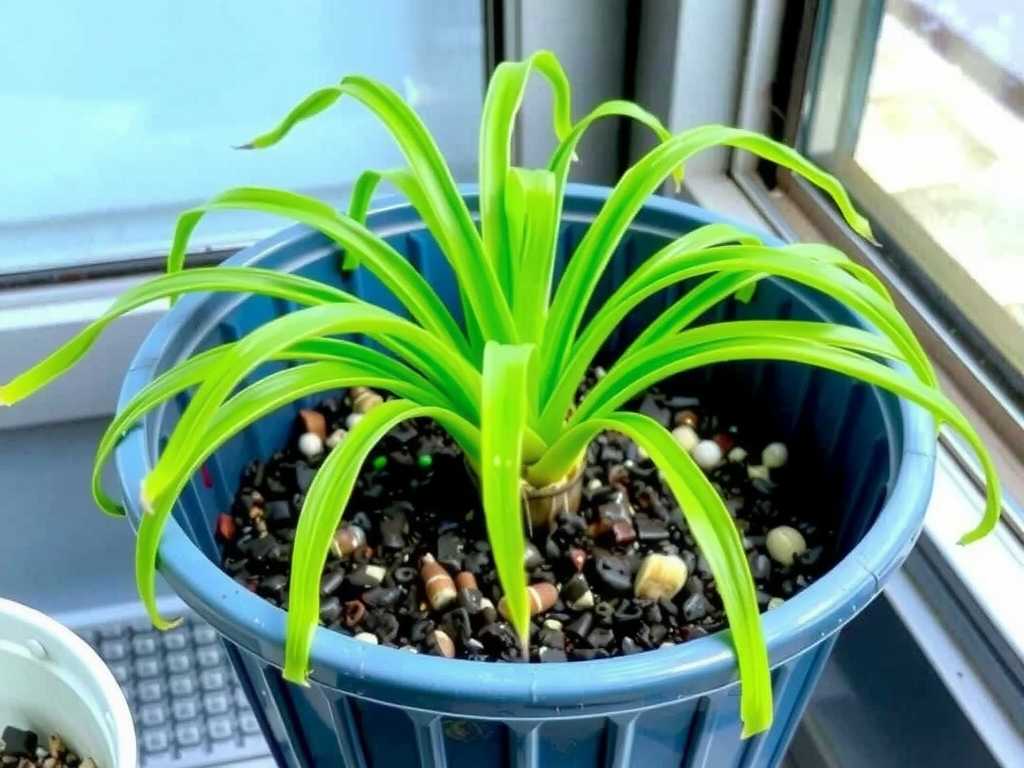
Will my spider plant die if I repot it in winter? Not necessarily. While riskier, a careful repot to resolve a critical issue (like severe being pot-bound) is often less harmful than leaving the plant in distress. Focus on minimizing stress: use room-temperature supplies, don’t over-pot, and water judiciously.
How often should I water after a winter repot? Far less than you think. Water thoroughly once after repotting, then allow the top 1-2 inches of soil to dry out completely before even considering more water. In winter, this could mean 3-4 weeks between waterings. Always check the soil, not the calendar.
Should I fertilize my spider plant after repotting in winter? No. Fresh potting mix often contains slow-release nutrients. More importantly, the plant is not actively growing and cannot use fertilizer, which can lead to harmful salt buildup in the soil. Wait until you see consistent new growth in spring.
Repotting a spider plant in winter is a nuanced decision. It is not a routine recommendation but a calculated rescue operation for plants in dire need. By understanding the plant’s dormant state, preparing meticulously, and managing your expectations for a slow and steady recovery, you can successfully navigate the process. The key notes are always prioritize necessity, control the environment, and practice restraint with water and fertilizer. Sometimes, the best care is a careful, informed intervention that gives your plant the space it needs to thrive when the sun returns.