bluename
 spider plant Pruning in Autumn: My Complete Process for Trimming Diseased & Weak Shoots
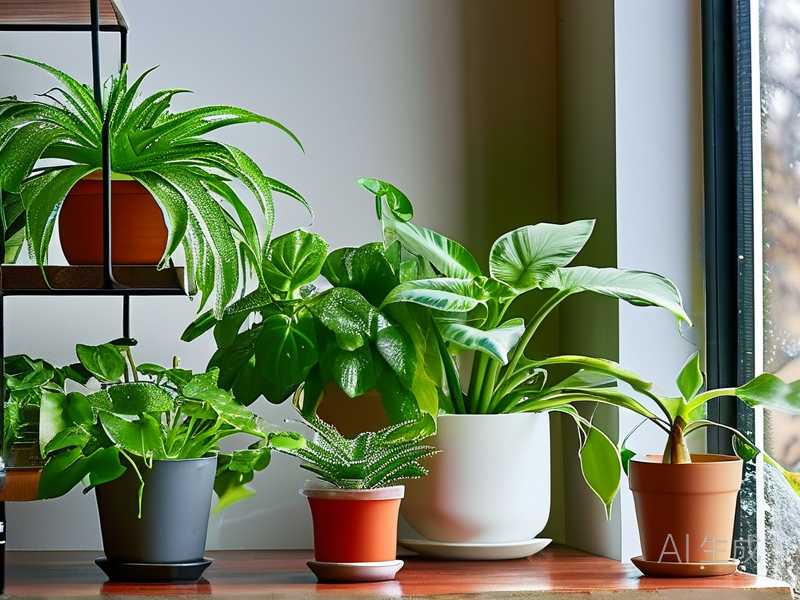
As the crisp autumn air settles in, I notice my once-vibrant spider plants sending a different kind of signal. The lush green cascade is now punctuated with yellowing leaves, a few brown, mushy shoots, and an overall look of fatigue. If you're like me, you’ve probably wondered if this is just a seasonal slump or something more serious. The core dilemma is knowing not just if to prune, but how to do it correctly in autumn to strengthen the plant for the indoor winter ahead, specifically targeting those diseased and weak parts. This guide is born from my hands-on experience, detailing my precise process for spider plant pruning in autumn, with a special focus on removing unhealthy growth. I’ll walk you through my exact steps, the two-week recovery I witnessed, and the valuable lessons I learned from my mistakes.
Why Autumn Pruning is Non-Negotiable for Plant Health
Before we make the first cut, it's crucial to understand the "why." Autumn pruning isn't about aesthetics alone; it's a vital health intervention. As daylight wanes and growth slows, the plant's resources become precious. By removing diseased shoots on spider plants and weak, energy-draining foliage, you redirect the plant's finite energy to its healthy core and robust roots. The Royal Horticultural Society (RHS) emphasizes that removing dead or diseased material at any time of year is beneficial to prevent the spread of pathogens. In autumn, this practice takes on added importance, preparing the plant for a resilient, dormant period rather than forcing it to sustain failing parts.
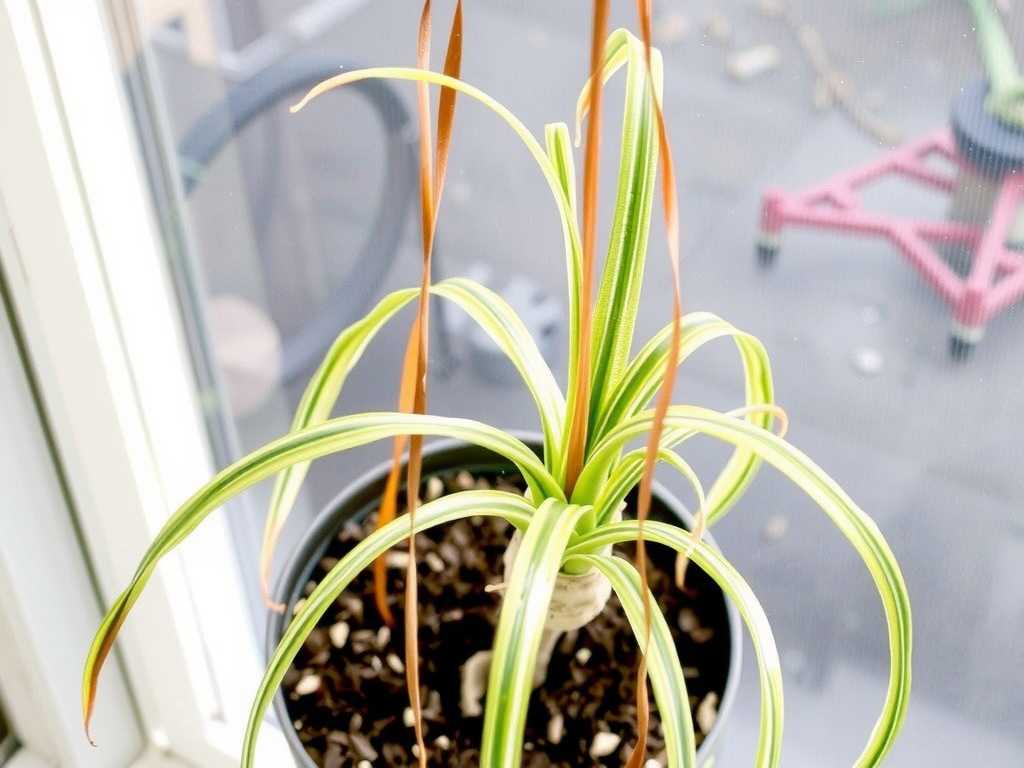
I learned this the hard way one year when I neglected my autumn trim. Come mid-winter, a small patch of leaf rot I’d ignored had spread, compromising several healthy plantlets. It was a clear lesson: proactive care in fall prevents major issues in winter.
My Toolkit: Preparing for a Successful Pruning Session
Gathering the right tools is half the battle. Using dull or dirty instruments can cause more harm than good. Here’s what I prepare:
- Sharp, Precision Pruning Scissors or Micro-Snips: Bypass-style scissors are my go-to for a clean cut. I avoid crushing the stems.
- Rubbing Alcohol or a Bleach Solution: For sterilizing my tools before, during, and after the process. This is my number one rule to prevent cross-contamination.
- Clean, Soft Cloth: For wiping down tools and leaves.
- A Bowl of Water: For immediately propagating any healthy plantlets I decide to remove.
- Disposable Gloves (Optional): Especially useful when handling clearly diseased, mushy material.
The Step-by-Step: How I Trim My Spider Plants in Fall
This is the exact process I follow every autumn. I approach it with the mindset of a surgeon—methodical, clean, and focused on plant health.
1. The Initial Assessment and Diagnosis I don’t start cutting right away. First, I take the plant to a well-lit area and gently lift the foliage, examining it from base to tip. I’m looking for:
- Diseased Shoots: These are my primary target. I look for leaves that are yellowing from the base outward, have black or brown soggy spots, or feel mushy. I also check for any signs of pests at the crown.
- Weak Growth: This includes overly pale, spindly shoots, leaves that are mostly brown and crispy at the tips (beyond simple tap-water browning), and any crowded, stunted plantlets on the runners that look underdeveloped.
- Natural Senescence: Older leaves at the outer base naturally yellow and die. These are easy removals.
2. Sterilization is the First Cut I dip my pruning scissors into the rubbing alcohol, let them sit for 30 seconds, and wipe them dry. I do this before I start and every single time I move from a potentially diseased shoot to a healthy-looking one. This step, recommended by plant pathologists, is non-negotiable.
3. The Removal Order: Diseased, Weak, Then Shape I work in this specific order to prioritize health.
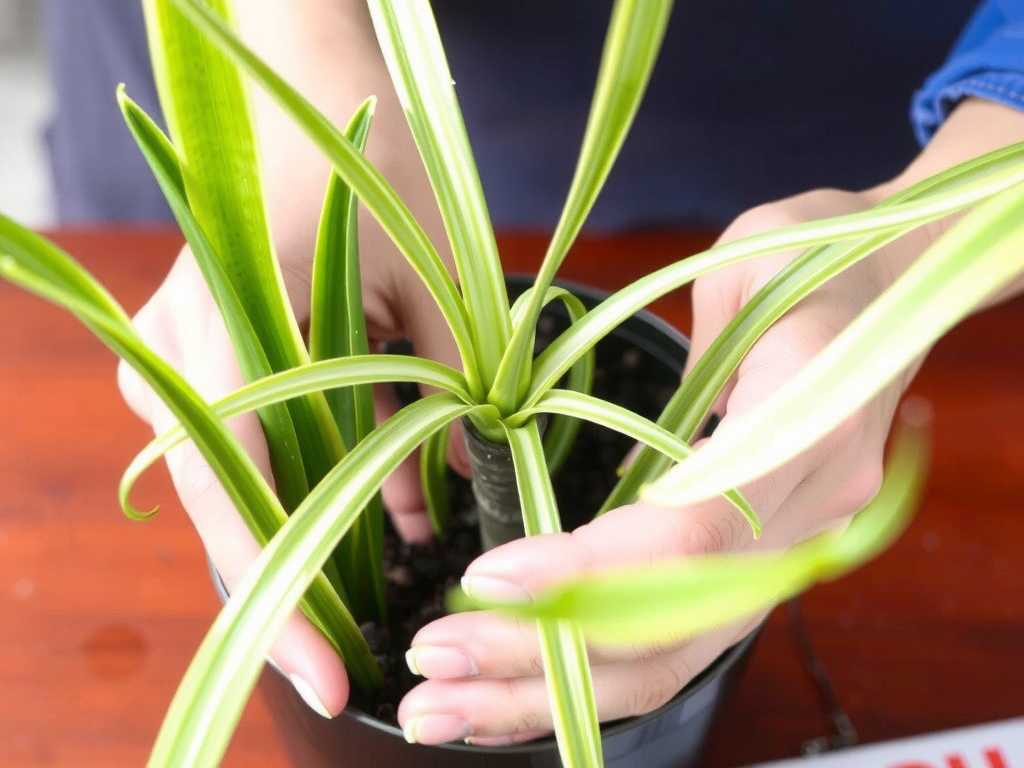
- First, Diseased Material: I identify the worst offenders. For a diseased spider plant shoot, I trace the leaf or stem back to its point of origin, often at the soil line or a node. I make my cut about a quarter-inch into what looks like healthy, firm tissue to ensure I remove all the infection. If the disease is at the crown, I may need to remove an entire cluster. All diseased matter goes directly into the trash—not the compost.
- Second, Weak Growth: Next, I trim out the spindly, pale growth. These shoots are unlikely to thrive and only sap energy. Cutting them allows light and air to reach the stronger centers.
- Third, Final Shaping and Plantlet Management: Finally, I address the runners. A healthy spider plant in autumn may still have plenty of plantlets. I use this time to decide which ones to propagate. I snip off any that look weak or are crowding the runner, keeping only the plump, well-rooted babies. I either pot them up immediately or place them in water.
4. The Immediate Aftercare Post-pruning, I give the plant a gentle shower with lukewarm water to wash away any debris from the cuts and the remaining leaves. I then place it in a bright, indirect light spot. Crucially, I withhold fertilizer for at least a month. The goal is recovery, not pushing new growth as the plant prepares for its slow winter phase.
The Two-Week Observation: What Happened to My Pruned Plants
This is where the magic—and the science—of the process became clear. I monitored my pruned plants daily.
Days 1-3: The plants looked a bit sparse, which is normal. I ensured the soil was lightly moist but not wet. No signs of stress on the remaining foliage. Days 4-7: This is a critical window for checking the cut ends. On my first-ever attempt years ago, I saw some cuts turning brown and soft—a sign I’d used dirty tools or cut too close to diseased tissue. This time, with sterilized tools, all cut ends calloused over cleanly and dried, showing no further spread of disease. Days 8-14: The true payoff. The remaining, healthy leaves appeared noticeably perkier and more rigid. The deep green color seemed more concentrated. Most importantly, the yellowing and browning had completely stopped its advance. The plant’s energy was now focused on its root system and core foliage. No new weak or diseased spider plant leaves appeared.
The Pitfalls I've Encountered (And How to Avoid Them)
My journey hasn't been without missteps. Here are the key lessons from my pruning mistakes:
The Over-Enthusiastic Prune: One autumn, I got carried away and removed over 50% of the foliage. The plant went into shock, and growth stalled for months. Solution: Never remove more than one-third of the total plant mass at one time. It’s better to do a conservative trim now and another light one in early spring if needed.
The Dirty Tool Mistake: As mentioned, I once spread what was likely a fungal issue by not sterilizing between cuts. Solution: The alcohol dip is your best friend. Make it a ritual.
The "Tip-Only" Trim: I used to just snip off brown leaf tips. This is purely cosmetic and does nothing for health. If a leaf is mostly brown or diseased, remove it entirely at the base. Solution: Be bold and remove the entire affected leaf to redirect energy.
Ignoring the Roots: Pruning topside growth is ineffective if the roots are rotting. After a major prune, if the plant still struggles, I gently check the roots. Solution: If roots are brown and mushy, a repot into fresh, well-draining soil is necessary. The American Horticultural Society (AHS) notes that root health is the foundation of all above-ground growth.
Your Spider Plant Pruning Questions, Answered
Can I prune a spider plant that is already stressed? Yes, but with extreme caution. If your plant is severely wilted or pest-ridden, address the primary stressor (water, pests) first. Once it shows slight improvement, then perform a very light prune, removing only the most obviously dead or infected material. The goal is to reduce its burden, not add to the shock.
What do I do with all the healthy plantlets I cut off? Autumn is a great time to propagate! Place the base of the plantlet in a small jar of water, ensuring only the nub is submerged. In a few weeks, you’ll see roots. You can also plant them directly in a moist, well-draining potting mix. I often create a "family pot" with several plantlets together for a fuller look come spring.
My spider plant has mostly brown tips but otherwise looks healthy. What should I do? Widespread brown tips are often a sign of mineral buildup from tap water (fluoride/chlorine) or low humidity. While you can snip the brown tips for looks, focus on the cause for long-term health. Use distilled, rainwater, or filtered water for watering, and occasionally flush the soil thoroughly to leach out salts. This will do more for your plant than any pruning.
Autumn pruning, when focused on removing diseased and weak growth, is the most caring gift you can give your spider plant. It transforms a seasonal cleanup into a strategic health boost, fortifying the plant from the inside out. By following a clean, deliberate process and learning from the inevitable small mistakes, you’ll witness your spider plant not just survive the winter, but enter the spring with renewed vigor and health. The difference in those two weeks of observation—the cessation of decay and the strengthening of what remains—is all the proof you need.