bluename
 Mini spider plant Care: Light & Fertilization Tips to Prevent Leggy Growth
I love my mini spider plants. Their cheerful green and white stripes bring life to any corner. But for a long time, I struggled with a common, frustrating issue: leggy growth. Instead of the compact, bushy rosettes I admired in pictures, my plants would send out long, weak stems with sparse leaves, looking stretched and sad. If you're facing the same problem, you're not alone. The secret to a lush, full mini spider plant isn't complicated—it's a precise balance of two things: light and fertilization. Over the past few years, through trial, error, and careful observation, I've dialed in a routine that transforms leggy plants into thriving, compact beauties. Let me walk you through my real-world process.
Understanding Why Your Mini Spider Plant Gets Leggy
Before we fix it, we need to understand it. Legginess, or etiolation, is a plant's survival response. In simple terms, it's reaching for more light. When a mini spider plant doesn't get enough bright, indirect light, it stretches its stems and spaces out its leaves to try and capture more photons. It's a sign of stress, not health.
Simultaneously, improper fertilization plays a crucial supporting role. Too much nitrogen-heavy fertilizer can cause rapid but weak, soft growth that exacerbates the stretching. Too little, and the plant lacks the nutrients to produce strong, dense foliage, even with perfect light. The Royal Horticultural Society (RHS) notes that Chlorophytum comosum (the spider plant's scientific name) requires "moderate feeding during the growing season" alongside "good light" for optimal form. It's a partnership.
My Two-Week Rescue Plan: Light Correction First
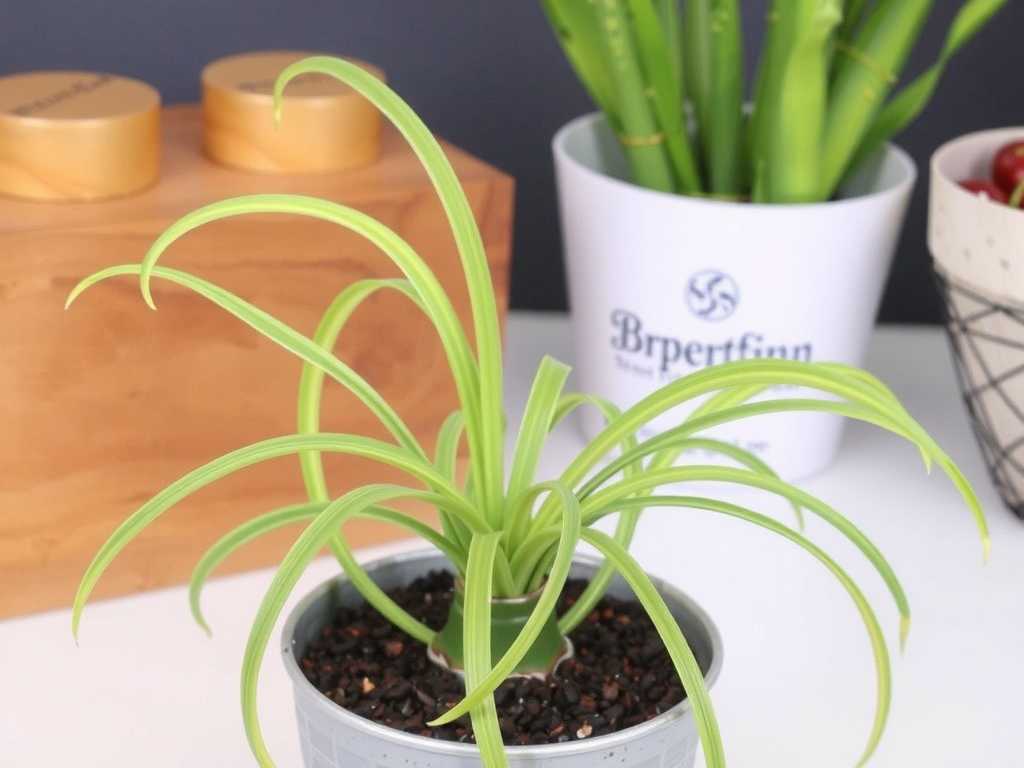
I selected a particularly leggy specimen for this experiment. It had several long, arching stems with large gaps between leaves. I committed to a strict two-week regimen, documenting changes every other day.
Week 1: The Great Light Shift
My plant was sitting about 8 feet from a north-facing window. It was bright to my eyes, but clearly not enough for the plant. Here's what I did:
- Step 1: Relocation. I moved it to a spot directly in front of a large east-facing window. This provides several hours of gentle morning sun, followed by bright, indirect light for the rest of the day. The American Horticultural Society (AHA) emphasizes that "bright, indirect light" is key for maintaining vibrant variegation and compact growth in foliage plants like these. South or west windows can work, but must be filtered with a sheer curtain to prevent scorching the tender leaves.
- Step 2: Rotation. I made a small mark on the pot and committed to rotating it a quarter turn every time I watered. This ensures all sides receive equal light, preventing lopsided growth.
- Step 3: Observation Log.
- Days 1-3: No visible change. The plant looked the same.
- Days 4-7: Here's where hope sparked. I noticed the very newest, tiniest leaves at the center of the rosette were emerging a darker, richer green. More importantly, the gap between these new leaves was visibly smaller than the gaps on the older, stretched stems. The plant had stopped actively stretching!
The "Light" Pitfall I Fell Into Earlier: My biggest past mistake was confusing "room bright" with "plant bright." I learned that if my hand casts a soft, fuzzy shadow on the leaves, the light is sufficient. If the shadow is barely visible or very sharp/hard (direct sun), the light is too low or too harsh. A light meter app on my phone confirmed this—the new spot measured nearly triple the foot-candles.
Fine-Tuning with the Right Fertilization Strategy
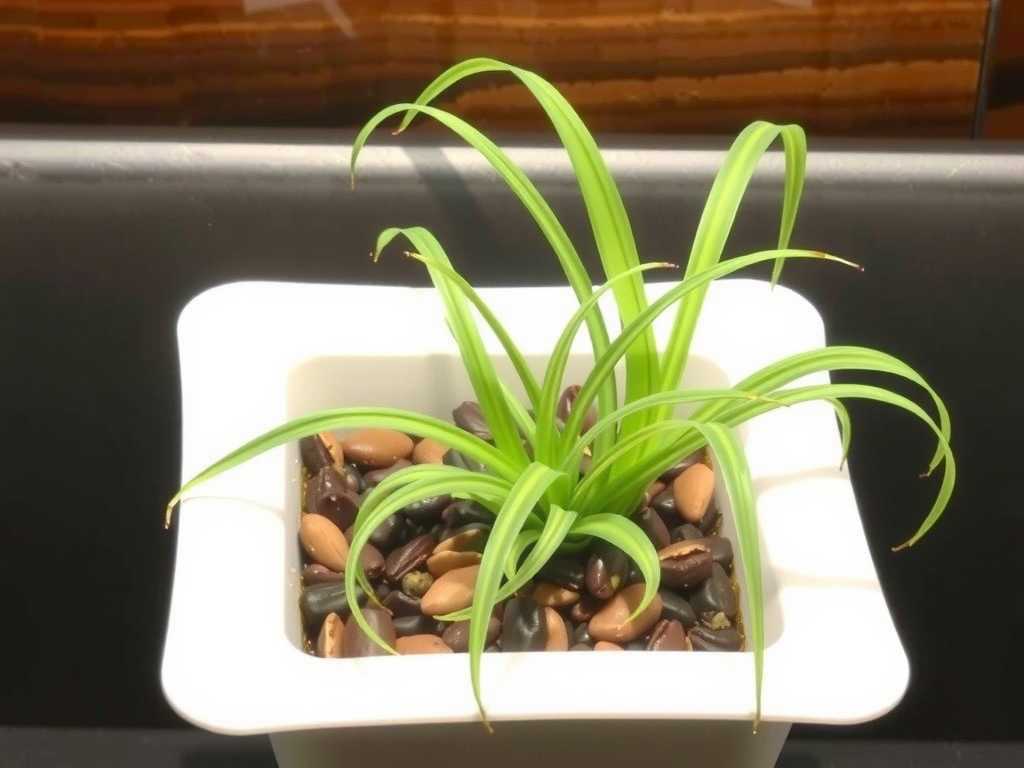
With the light corrected, week two focused on nutrition to support strong, dense new growth. I halted my old habit of occasional, high-nitrogen liquid feeds.
- Step 1: Choosing the Fertilizer. I switched to a balanced, water-soluble fertilizer with an equal NPK ratio (like 10-10-10 or 5-5-5). Dilution is critical. I now use only half the strength recommended on the bottle. For my mini spider plant care routine, less is more.
- Step 2: The Feeding Schedule. I adopted the "weekly, weakly" approach popular among expert collectors. This means feeding with the diluted solution every other time I water during the growing season (spring and summer). In fall and winter, I reduce this to once a month. This provides a steady, gentle supply of nutrients.
- Step 3: The Two-Week Observation.
- Days 8-10: The central growth point became noticeably more active. Two new leaf shoots appeared, growing tightly together.
- Days 11-14: The new leaves were growing robustly, short and wide. The existing long stems didn't shorten (they never will), but the plant's energy was now clearly focused on producing compact, healthy growth from its center. The overall silhouette started looking fuller and more balanced. The transformation from leggy spider plant to a bushy one had begun.
The "Fertilizer" Pitfall and Solution: I once thought more fertilizer equaled faster growth. It did—but it was weak, floppy growth that attracted pests. The solution was twofold: First, I always water the soil lightly with plain water before applying fertilizer solution to prevent root burn. Second, I stick to my calendar. Over-fertilization causes salt buildup, which I now prevent by flushing the soil with plenty of plain water every 3-4 months.
Maintaining a Compact, Non-Leggy Plant Long-Term
Preventing leggy growth in spider plants is an ongoing practice. Here is my sustained care protocol:
- Light is Non-Negotiable. The plant stays in its bright, indirect spot year-round. In darker winter months, I consider a simple grow light bulb for a few hours a day to compensate.
- Consistent, Diluted Feeding. I never deviate from the half-strength, "weekly, weakly" schedule during active growth. This is the best fertilizer for spider plant health I've found.
- Strategic Pruning. While you can't fix a stretched stem, you can control the plant's shape. I use clean scissors to cut off the overly long, leggy stems at the base. This encourages the plant to put energy into new, compact growth from the soil line or center. The cuttings can be propagated in water, by the way!
- Proper Watering. I only water when the top inch of soil is dry. Combined stress from low light and overwatering is a fast track to a miserable, leggy plant.
Your Questions, Answered from My Experience
Can a leggy spider plant become compact again? The existing elongated stems will not shrink or become compact. However, by providing optimal light and fertilizer, all new growth will emerge tight and bushy. You can prune the old leggy stems to redirect energy, and over time, the new compact growth will fill out and overshadow the old form.
What is the best window for a mini spider plant? East-facing windows are ideal. They provide the perfect dose of gentle morning sun. A south or west window with a sheer curtain is excellent. A north window is often too dim unless it's very large and unobstructed. Observe your plant—if it's not growing compactly, it's telling you it needs more light.
How often should I really fertilize my mini spider plant? During spring and summer, fertilize every 2-4 weeks at half strength. In autumn and winter, stop or reduce to once a month. The goal is to support steady growth, not force it. Remember, correcting leggy spider plant issues starts with light; fertilizer supports the strong growth that good light makes possible.
Transforming a leggy mini spider plant requires patience and a shift in perspective. It's not about forcing growth, but about providing the consistent conditions—primarily bright, indirect light and gentle, balanced nutrition—that allow it to thrive in its naturally compact form. My two-week experiment was just the beginning. Now, months later, that once-stretched plant is a dense, vibrant clump, constantly producing healthy pups. Pay attention to what your plant is telling you, adjust these two simple levers, and you'll be rewarded with a lush, beautiful mini spider plant that looks as happy as it truly is.