bluename
 Care for Soil-Grown spider plants: Loosening Techniques to Prevent Soil Compaction
I love my spider plants. Their cheerful green and white stripes have brightened my home for years. But recently, I noticed something worrying. My once-vigorous plant seemed sluggish. New growth was stunted, water would pool on the surface before slowly draining, and the soil had become hard and cracked, pulling away from the pot's edges. I realized I was facing a classic, yet often overlooked, houseplant issue: soil compaction. This wasn't just about aesthetics; compacted soil suffocates the very roots that keep spider plants thriving. Learning how to care for soil-grown spider plants, specifically through proper loosening techniques to prevent soil compaction, became my mission. Over two weeks, I turned my struggling plant around, and I want to share that hands-on journey with you.
Why Your Spider Plant's Soil is Screaming for Air
Spider plants (Chlorophytum comosum) are famously resilient, but their Achilles' heel is dense, oxygen-starved soil. In their natural habitat, roots spread in loose, well-aerated mediums. In our pots, repeated watering, the natural breakdown of organic matter, and the absence of soil-dwelling creatures cause particles to settle into a tight, concrete-like mass.
The Royal Horticultural Society (RHS) clearly states that compaction restricts root growth, reduces pore space for air, and hinders water infiltration and drainage. When your spider plant's soil gets compacted, the roots can't breathe or access nutrients efficiently. The result? Yellowing leaves, a lack of those delightful spiderettes (pups), and overall decline. My plant was showing all the textbook symptoms, confirming that preventing soil compaction in spider plants wasn't just a tip—it was critical care.
My Two-Week Rescue Plan: A Step-by-Step Loosening Protocol
I decided on a gentle, staged approach rather than a drastic, potentially shocking intervention. Here was my plan, executed over 14 days of careful observation.
Week 1: The Surface Intervention and Assessment
First, I held off on watering. Working with bone-dry soil is harder, but watering a severely compacted pot first can create a waterlogged brick. I let the soil dry out completely for the first few days.
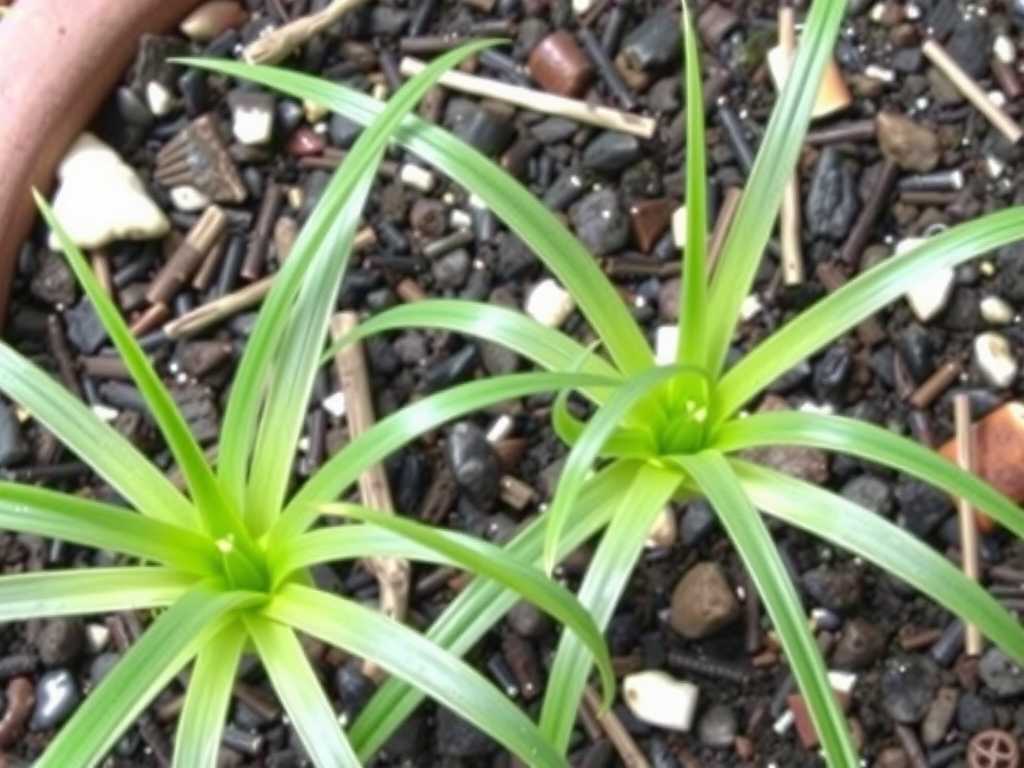
Day 1-3: The Initial Diagnosis and Gentle Top-Loosening I took a simple wooden chopstick (not a pencil, as it's too sharp). Starting at the pot's edge, I gently inserted it about an inch deep into the soil and wiggled it slightly to create tiny air channels. I worked my way around the plant, avoiding the main root crown. This immediate technique for aerating compacted spider plant soil was just the first step. I could already see the soil surface looking less crusty.
Day 4: The First Strategic Watering After creating those preliminary channels, I performed a "bottom-watering" session. I placed the pot in a sink with a few inches of water and let the moisture wick up from the bottom for about 30 minutes. This encouraged roots to grow downward and helped moisture distribute more evenly through the channels I'd created.
Day 5-7: Observation and Foliage Check I placed the plant back in its bright, indirect light spot. I monitored the leaves closely. No dramatic changes yet, but the soil surface looked more uniform. The water had been absorbed fully, not pooled—a good early sign.
Week 2: Deeper Aeration and The Repotting Decision
Day 8: The Deep Aeration Session With the soil slightly moist from the bottom-watering, it was time for a more thorough method for loosening spider plant soil. I used a slender, pointed soil probe this time. Again, starting from the perimeter, I angled the tool deeper—about two-thirds into the pot—and gently levered it to lift and fracture the dense soil clumps. I heard faint cracking sounds, which was the compacted layers breaking apart. I added a handful of fresh, well-draining potting mix (a blend with perlite and orchid bark) to the top, brushing it into the new holes to improve structure.
Day 9-11: Introducing a Soil Conditioner Based on advice from the American Horticultural Society (AHS), which recommends organic matter to improve soil structure, I prepared a weak solution of liquid seaweed fertilizer. This acts as a mild root stimulant and soil conditioner. I watered lightly from the top with this solution, allowing it to flow into the newly created spaces.
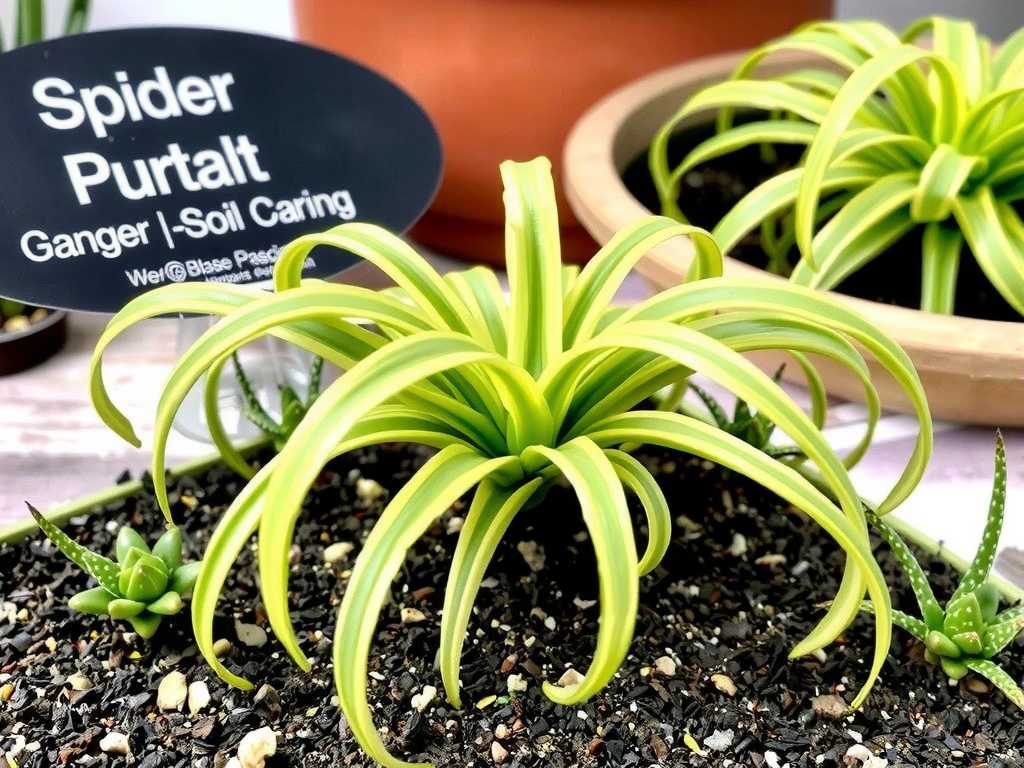
Day 12-14: The Turning Point This is when I saw the payoff. A previously stalled baby leaf in the center began to unfurl with renewed energy. The overall color of the plant looked brighter, less dull. Most importantly, when I gently touched the soil, it had a loose, crumbly texture instead of a hardpan feel. Watering tests showed immediate percolation.
The Pitfalls I Encountered (And How You Can Avoid Them)
My journey wasn't perfectly smooth. I made a couple of mistakes that taught me valuable lessons.
The Over-Enthusiastic Stabbing: Early on, in my zeal, I poked too vigorously and too close to the center. I heard a slight snap—a fine root casualty. I immediately stopped and focused all future work on the outer two-thirds of the pot, where feeder roots are but the main crown is safe.
The "Miracle Cure" Misstep: After the first week, I was impatient and considered a full repot. However, my plant was just beginning to send out a flower stalk. Repotting during this energy-intensive phase could have aborted the process. I stuck with my gentle aerating plan and was rewarded with tiny white flowers a few days later. Timing is everything.
Ignoring the Underlying Cause: I realized my old potting mix was the culprit. It had broken down into fine silt. My loosening techniques were a temporary fix. So, at the end of the two weeks, once the plant was perky and stable, I did schedule a repot into a fresh, airy mix for the following month—the true long-term solution for maintaining loose soil for healthy spider plants.
Your Spider Plant Soil Questions, Answered
How often should I loosen my spider plant's soil? There's no fixed calendar. Let the plant tell you. If water sits on the surface for more than a few seconds, or if the soil pulls away from the pot and feels rock-hard, it's time for intervention. As a preventative measure, a gentle top-loosening with a chopstick every 3-4 months can help.
Can I use a fork or other tools to aerate? A kitchen fork is too wide and can cause significant root damage. Always opt for slender, blunt tools. A chopstick, a dedicated soil probe, or even a thin BBQ skewer (blunt end first) are perfect. The goal is to create air pockets, not dig trenches.
Will adding sand to the soil prevent compaction? This is a common myth. Adding fine sand to standard potting mix can actually create a cement-like substance. For improving drainage and structure, use coarse materials like perlite, pumice, or coarse horticultural sand. Better yet, repot with a quality indoor plant mix that already includes these.
Caring for soil-grown spider plants goes beyond just watering and light. It's about tending to the unseen world beneath the surface. By actively preventing soil compaction through mindful loosening techniques, you're giving your plant the foundation it needs for explosive growth, cascading spiderettes, and vibrant health. My two-week experiment transformed a struggling plant into a thriving one, proving that sometimes, the most powerful care is simply giving the roots room to breathe.