bluename
 spider plant Watering in Winter: Unlocking the Temperature Advantages of Midday Watering
Winter is here, and my spider plants are looking… apprehensive. I can almost hear them whispering concerns about the cold tap water I’ve been giving them. For years, I followed the common advice: water less in winter. Yet, my Chlorophytum comosum would still sport sad, brown tips and a general lack of vigor. The problem wasn't just how much, but when and with what. The shock of icy water on a chilly root system was a silent stressor I hadn't considered. This winter, I decided to experiment with a method often debated in gardening circles: spider plant watering in winter, specifically focusing on the temperature advantages of midday watering. Could shifting my routine to the warmest part of the day make a visible difference? I committed to a two-week trial to find out.
Why Water Temperature Matters More Than You Think
We fuss over light and fertilizer, but water temperature is a frequently overlooked variable. The Royal Horticultural Society (RHS) notes that applying very cold water can shock plant roots, potentially leading to restricted growth and root damage. Spider plants, native to subtropical southern Africa, prefer consistently warm conditions. Their roots function optimally in sync with the ambient temperature.
Pouring cold water (often 10-15°F colder than room temperature straight from the tap) on a pot sitting in a 68°F room creates a mini climate crisis in the soil. The roots temporarily go dormant, halting water and nutrient uptake. This explains why a "properly watered" plant can still show signs of drought, like those crispy leaf tips.
My hypothesis was simple: by using water warmed to room temperature and applying it during the peak warmth of midday, I could minimize root shock, align the soil temperature with the plant's metabolic expectations, and promote healthier winter growth.
My Two-Week Midday Watering Experiment: A Step-by-Step Log
I selected two mature, similarly sized spider plants for this test. Both were in bright, indirect light in my living room, where winter temperatures hover between 66-70°F. Plant A would continue on my old routine: occasional watering with straight tap water, usually in the early morning or evening. Plant B would receive my new midday watering protocol.
The Protocol:
- Water Preparation: Every watering day, I would fill my watering can immediately upon waking and let it sit on the kitchen counter. This allowed the water to dechlorinate slightly and, most importantly, reach a stable room temperature of around 68°F.
- Timing is Everything: I would water only between 11 AM and 2 PM, the period when the room's ambient temperature was at its highest, thanks to sunlight streaming through the windows.
- The Finger Test: I stuck to the classic "inch deep" soil moisture check. For Plant B, I watered only when the top inch was completely dry, which in my winter setup, translated to about every 10-12 days.
- Observation: I took daily photos and notes on leaf color, tip browning, and overall posture.
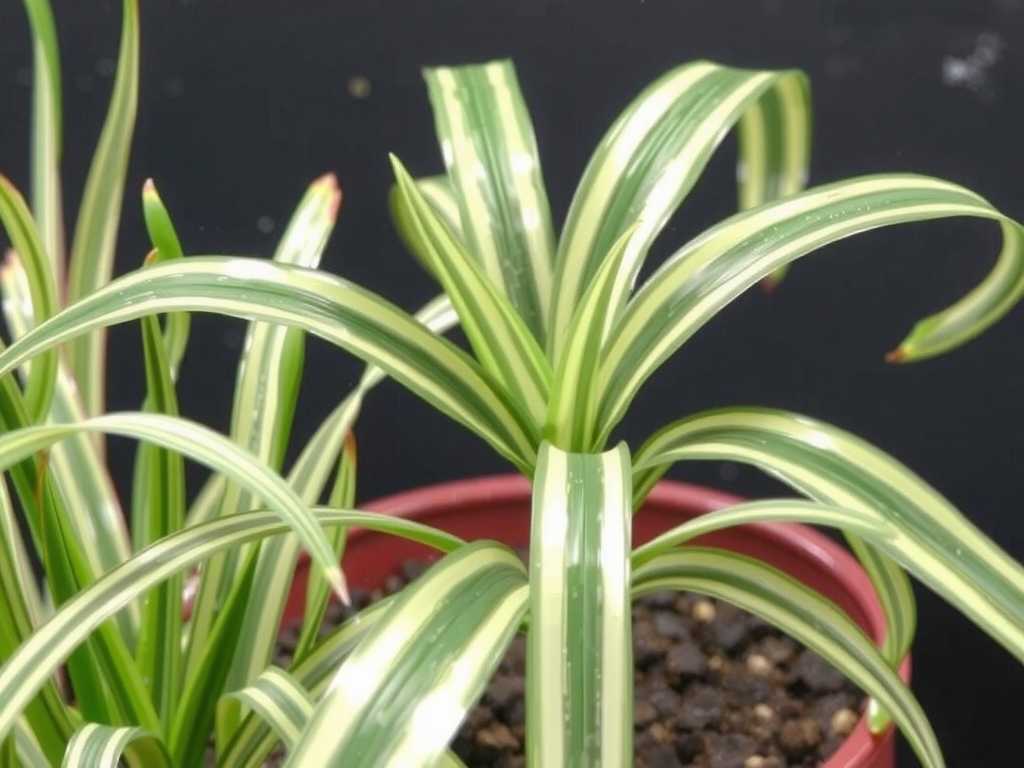
Week 1 Observations: The differences were subtle but noticeable by day 7. Plant A (old routine) looked static. Its signature bright green and white stripes seemed slightly dull. A few existing brown tips appeared unchanged.
Plant B, however, seemed more "perky." The leaves held a more upright, robust posture. The variegation looked strikingly brighter, almost as if it had been polished. Most intriguingly, no new brown tips had formed. The soil also seemed to dry out more evenly after watering, suggesting efficient root uptake.
Week 2 Observations: The divergence became clear. Plant A developed two new brown tips on older leaves. Its growth appeared completely stalled.
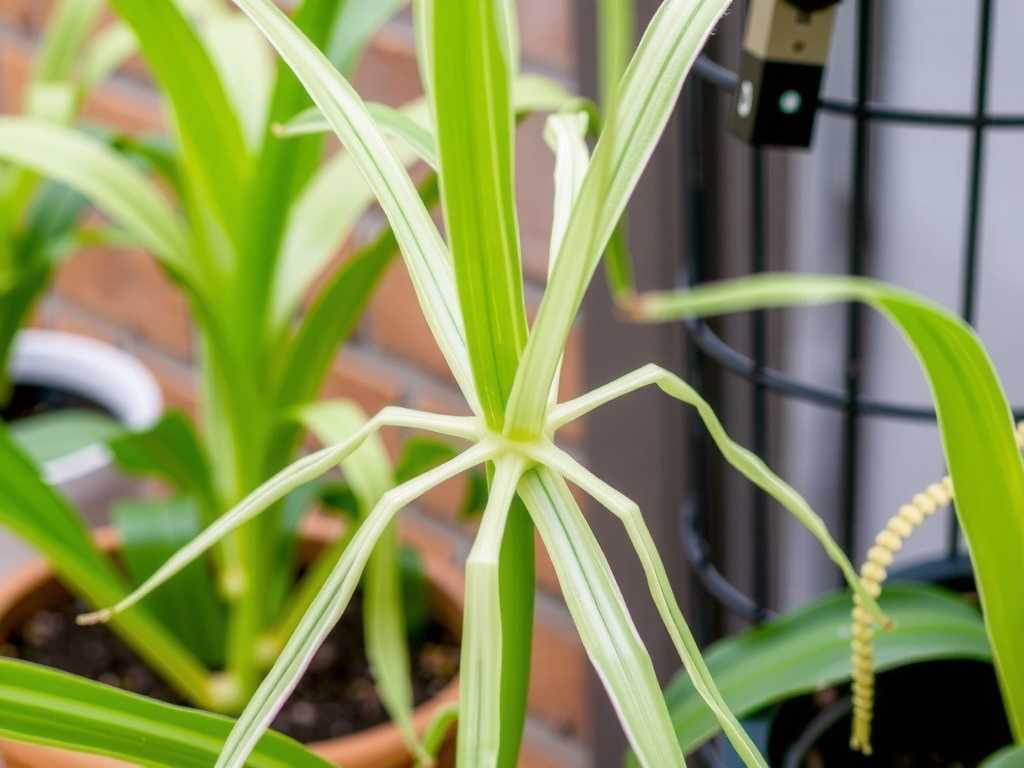
Plant B was not just maintaining; it was thriving. At the two-week mark, I spotted the beginnings of a tiny spider plant pup, a stolon starting to emerge from the base! This was a sure sign of a happy, unstressed plant. The foliage was lush, uniformly colored, and showed zero signs of water stress. The advantages of warm watering were translating into visible, vigorous growth even in mid-winter.
The Pitfalls I Encountered (And How I Fixed Them)
This experiment wasn't without its hiccups. Here’s where I stumbled and how I corrected course.
Pitfall 1: The "Too Warm" Temptation. Early on, I thought, "If room temperature is good, slightly warmer must be better!" One day, I added a bit of warm tap water to the can. The resulting water was likely around 85°F. I watered Plant B and within hours, the leaves looked oddly limp, not perky. I had created a different kind of shock and potentially harmed beneficial soil microbes.
The Fix: I returned to strict room-temperature water. The American Horticultural Society (AHS) advises that water should be within 10°F of the soil temperature to avoid stress. I started using a simple thermometer to check both my stored water and the soil surface temperature. Aiming for a match became my new gold standard.
Pitfall 2: Overwatering in Disguise. Because the plant responded so well to the first midday warm water soak, I was tempted to water again sooner. The surface soil dried faster due to the midday air warmth, but the deeper soil was still moist. I almost fell into the overwatering trap.
The Fix: I doubled down on the finger test, pushing it deep into the pot, near the root ball. I also learned to gauge the pot's weight. The best time to water spider plants is not just about clock or temperature, but about the plant's actual need. My schedule remained firmly at 10-12 day intervals, regardless of how happy the leaves looked.
Pitfall 3: Inconsistent Midday Light. A string of cloudy days meant my "midday" didn't bring the usual temperature bump. The room stayed at 66°F. Watering at noon felt no different than watering at 8 AM.
The Fix: I adapted the principle, not the rule. On consistently cloudy days, the "midday" advantage shrinks. The critical factor became the water temperature itself. So, on those days, I ensured the water had sat for 24 hours to guarantee full temperature stabilization and focused less on the clock. The goal is avoiding cold shock, not ritualistically watering at noon.
Why This Method Works: The Science of Happy Roots
My two-week trial provided practical proof, but the science solidifies it. Warm water molecules are less viscous and are more readily absorbed by root hairs. By matching water and ambient air temperature, you maintain a stable root zone. This stability allows the spider plant to efficiently process water and nutrients without expending energy to cope with thermal stress.
Think of it like this: you wouldn't enjoy a cold shower in a chilly room. Your spider plant's roots don't either. Providing tepid water for houseplants in winter is a simple act of empathy that aligns with their biological needs. It reduces the energy cost of survival and allows that energy to be redirected toward maintenance and even growth, as evidenced by my surprise pup.
Your Questions, Answered
Can I use lukewarm water directly from the tap? It's risky. Tap water temperature can fluctuate wildly. A "lukewarm" setting one day might be too hot the next, and it often mixes in cold water from the pipes. The safest, most consistent method is to draw water and let it sit for 12-24 hours. This stabilizes the temperature and allows harmful chlorine to evaporate.
Is midday watering safe if my plant is in direct sun? No, and this is crucial. My experiment assumed bright, indirect light. Watering any plant in direct sunlight, regardless of season, can cause water droplets to act as magnifying glasses and scorch leaves. Always water at the soil level. If your spider plant gets direct sun, water early in the day before the sun hits it, but still use room-temperature water. The temperature of water for spider plants remains the key winter factor, not the exact hour.
Do I need to change anything else when using warm water? Yes—your vigilance against overwatering. Warm water and happy roots can lead to faster soil drying on the surface, but the deeper soil may retain moisture longer. Do not increase watering frequency. Let the soil dry out more thoroughly between sessions. The warm water technique enhances the efficiency of each watering, it doesn't increase the plant's need for water volume.
Shifting to a mindful, temperature-aware watering routine transformed my spider plants' winter experience. It’s a low-effort, high-impact adjustment that speaks directly to the plant's needs. The benefits of watering with room temperature water are undeniable: halted leaf-tip browning, brighter variegation, and the potential for continued growth. This winter, don't just give your spider plant less water. Give it warmer, kinder water at the right time, and watch it repay you with resilient, vibrant health all season long.