bluename
 spider plant Humidity Management: Spray Humidification Methods for Dry Environments
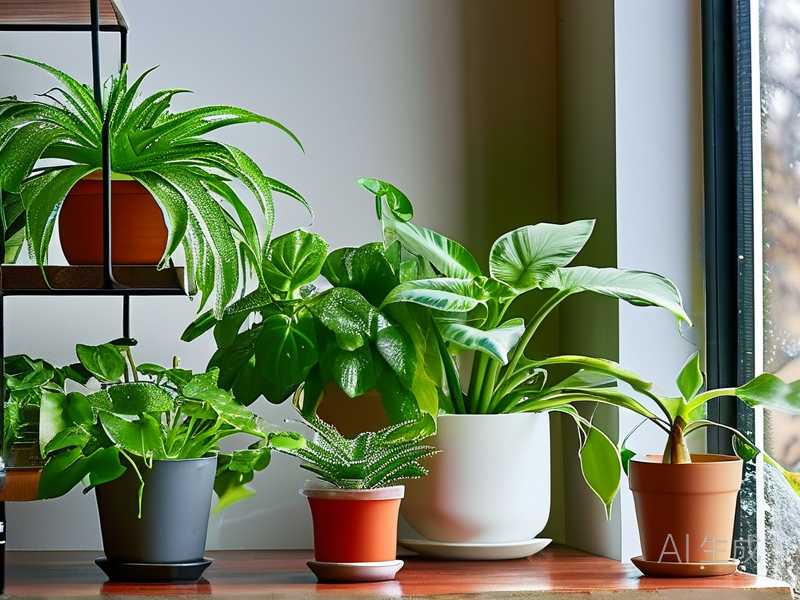
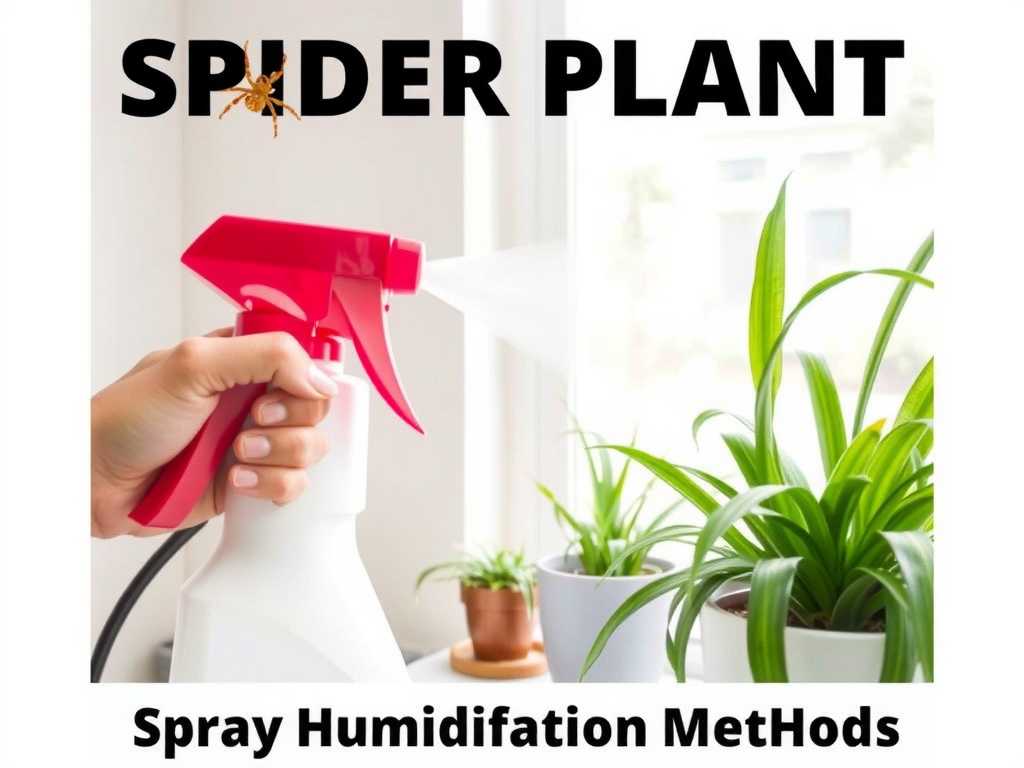
I love my spider plants. Their arching leaves and cheerful little plantlets bring life to every corner of my home. But last winter, I faced a problem that many indoor gardeners dread: the relentless dry air from central heating. My usually vibrant spider plants started showing telltale signs of distress—brown, crispy leaf tips that seemed to spread daily. It was clear; my home’s humidity was far from the moderate levels these plants thrive in. I needed a solution that was effective, simple, and fit into my daily routine. That’s when I dedicated myself to mastering spider plant humidity management, specifically through targeted spray humidification methods.
For two weeks, I became a student of the air around my plants. This is my journey, detailing exactly what I did, what worked, what failed, and how you can successfully navigate humidity management for spider plants in arid conditions.
Understanding the Humidity Needs of Spider Plants
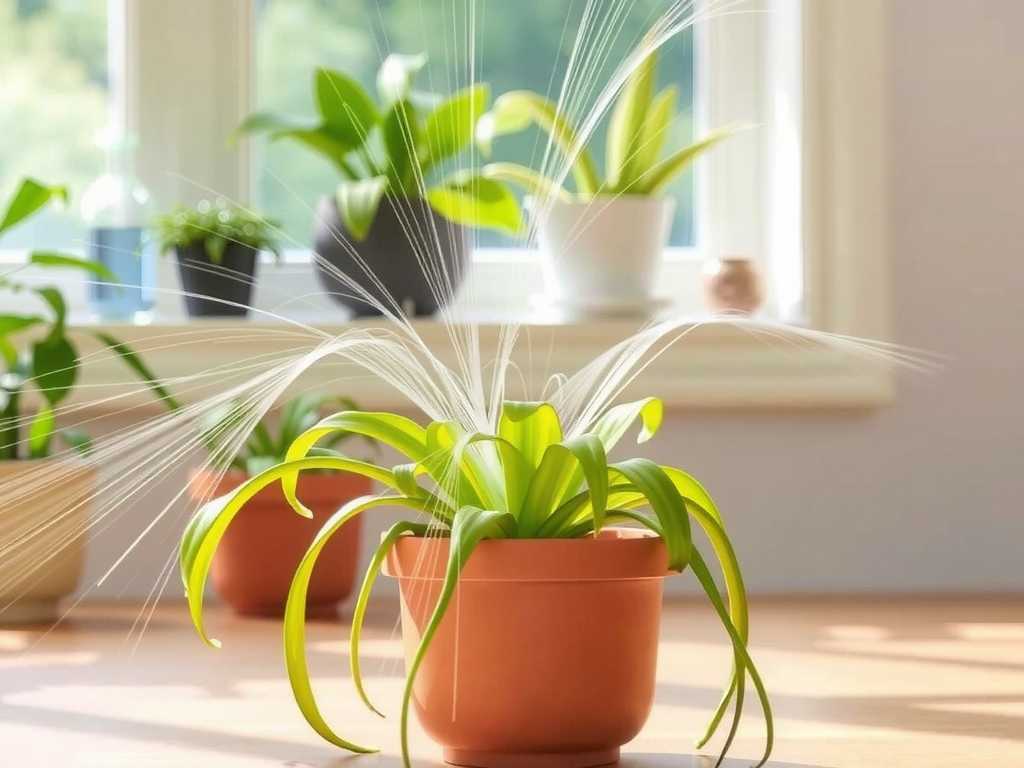
Spider plants (Chlorophytum comosum) are often labeled as “indestructible,” but that’s not entirely fair. While they tolerate neglect better than some, they originate from South African coastal forests. This means they prefer consistent, moderate ambient humidity—ideally between 40% and 60%. When levels drop below 40%, which is common in heated or air-conditioned homes, the plant loses moisture through its leaves faster than the roots can replace it. The result? Those unsightly brown tips.
I invested in a simple digital hygrometer. Placing it next to my largest spider plant was an eye-opener. On a typical day, my living room hovered around 30% humidity. No wonder my plants were struggling. Misting, or spray humidification, seemed like the most direct and immediate way to provide relief. But I quickly learned it’s not as simple as just spritzing water into the air.
My Two-Week Spray Humidification Protocol
I decided to focus on two primary methods for increasing humidity for spider plants: direct foliar misting and creating a microclimate using a pebble tray combined with misting. I tracked my plants’ responses daily.
Week 1: Establishing the Routine
My core tools were a clean, fine-mist spray bottle, distilled water (to avoid mineral deposits on leaves), a shallow tray, and some decorative pebbles.
- Morning Foliar Misting (Method 1): Every morning between 7 and 8 AM, I would lightly mist the air around my spider plants and then give their leaves a very fine, gentle spray. I focused on creating a misty cloud rather than soaking the foliage. The goal was to mimic morning dew. I was careful to avoid drenching the crown of the plant (where leaves emerge from the soil) to prevent potential rot.
- The Pebble Tray & Misting Combo (Method 2): For my two spider plants on a sunny shelf, I set up pebble trays. I filled shallow trays with pebbles and added water until it sat just below the top of the stones. The plant pot sits on the pebbles, never in the water. This creates evaporative humidity. Each afternoon, around 3 PM, I would mist the pebbles and the immediate air above the tray. This gave a second humidity boost as the day warmed.
Initial Observations (Days 1-3): The immediate effect was psychological—for me. The plants looked perkier, but I knew that was temporary. The real test was stopping the progression of brown tips. My hygrometer showed a brief spike in humidity after each misting, but it would fall back within an hour.
Mid-Experiment Adjustments (Days 4-7): Here’s where I hit my first major “common mistake in spider plant misting.” I got overzealous. On day 4, I misted the leaves heavily in the evening. The next morning, I noticed water had pooled in the leaf axils (where the leaf meets the stem). By day 5, one leaf near the base showed a small, soft, dark spot—the beginning of rot. I had created a stagnant, wet environment perfect for fungi.
The Fix: I immediately stopped all evening misting. I used a soft, dry cloth to gently blot any standing water from the leaves. The affected leaf was trimmed off with sterile scissors. I reverted to my morning-only, light-as-a-cloud misting rule. This aligns with the Royal Horticultural Society (RHS) advice, which cautions that while misting can raise humidity briefly, it should be done in the morning so leaves dry quickly, reducing disease risk.
Week 2: Refinement and Results
With my corrected routine, I entered the second week.
- Consistency was Key: I stuck strictly to the morning foliar mist and the afternoon pebble-tray refresh. The environment became predictably more humid. My hygrometer now showed the zone around my plants maintained levels between 45-50% for longer periods after each misting event.
- Visible Changes: The most exciting observation was that no new brown tips appeared on any new growth. The existing crispy tips remained (they don’t heal), but the plant’s energy was clearly going into producing healthy, green, unblemished leaves. The plantlets (spider babies) on my variegated variety seemed particularly plump and vibrant.
- The Microclimate Advantage: The plants on the pebble trays showed a slight but noticeable edge. The local humidity was consistently 3-5% higher than for the plant I only misted. The American Horticultural Society (AHS) notes that pebble trays are a low-tech, effective way to create a stable humid microclimate, and my experiment confirmed it. The afternoon misting of the pebbles amplified this effect perfectly.
Key Lessons and Solutions from My Two-Week Trial
- Timing is Everything: Mist in the morning. This allows water to evaporate throughout the day, preventing fungal issues. Evening or night misting is an invitation for problems.
- Quality of Water Matters: Using tap water left white spots on the leaves from minerals. Switching to distilled or rainwater resulted in cleaner, healthier-looking foliage.
- Don’t Drench, Mist: The goal is to increase ambient humidity, not to water the plant through its leaves. A fine mist is sufficient. Soaking the soil via the leaves can lead to overwatering and root issues.
- Combine Methods for Stability: While misting alone provides a quick boost, pairing it with a pebble tray creates a more sustained humid environment. It’s the most effective spray-based technique for dry indoor spaces I found.
Frequently Asked Questions
Can misting alone provide enough humidity for my spider plant in a very dry climate? For moderately dry conditions, a consistent morning misting routine can be sufficient to prevent tip burn. However, in extremely arid environments (like consistently below 30% humidity), it may only be a supplemental measure. Combining it with a pebble tray, grouping plants together, or considering a cool-mist humidifier for the room will yield better, more stable results.
I’ve heard misting can cause leaf fungus. Is this true? Yes, it can, but only if done incorrectly. The risk comes from frequent, heavy misting that leaves leaves wet for prolonged periods, especially overnight. By misting lightly and only in the morning with good air circulation, you significantly minimize this risk. Always aim for the air and a gentle coating, not droplets running down the leaves.
Should I mist the spider plant babies (plantlets)? Absolutely! The plantlets, especially while still attached to the mother plant, benefit greatly from increased humidity. It helps them develop strong roots and prepares them for the transition to potting. Just follow the same gentle, morning-mist principles.
Mastering humidity for spider plants isn’t about a single magic bullet. It’s about understanding their needs and creating a consistent, gentle humid environment. My two-week deep dive proved that a disciplined spray humidification routine—morning misting supported by pebble trays—can effectively halt the advance of dry-air damage. It transformed my spider plants from surviving to thriving. By avoiding the common pitfall of over-wetting and focusing on creating a stable microclimate, you can enjoy lush, green, tip-free spider plants even in the driest of indoor environments. The reward of seeing that vibrant, healthy new growth is worth every bit of the effort.