bluename
 spider plant Watering in Summer: My Complete Guide to Temperature Control for Morning & Evening Watering
I’ve killed my fair share of spider plants. It’s a humbling admission for any plant enthusiast. But the most confusing period was always summer. I’d follow the classic “water when the top inch is dry” rule, yet my beloved Chlorophytum comosum would still sport brown tips, look limp, or worse, show signs of root rot. The missing piece, I discovered through frustrating trial and error, wasn’t just how much to water, but when to water relative to the day’s temperature. Mastering spider plant watering in summer became a game-changer, transforming my plants from survivors into thriving, pup-producing machines. This guide is the result of my two-week experiment focused solely on temperature control for morning and evening watering.
Why Summer Watering Is a Different Beast
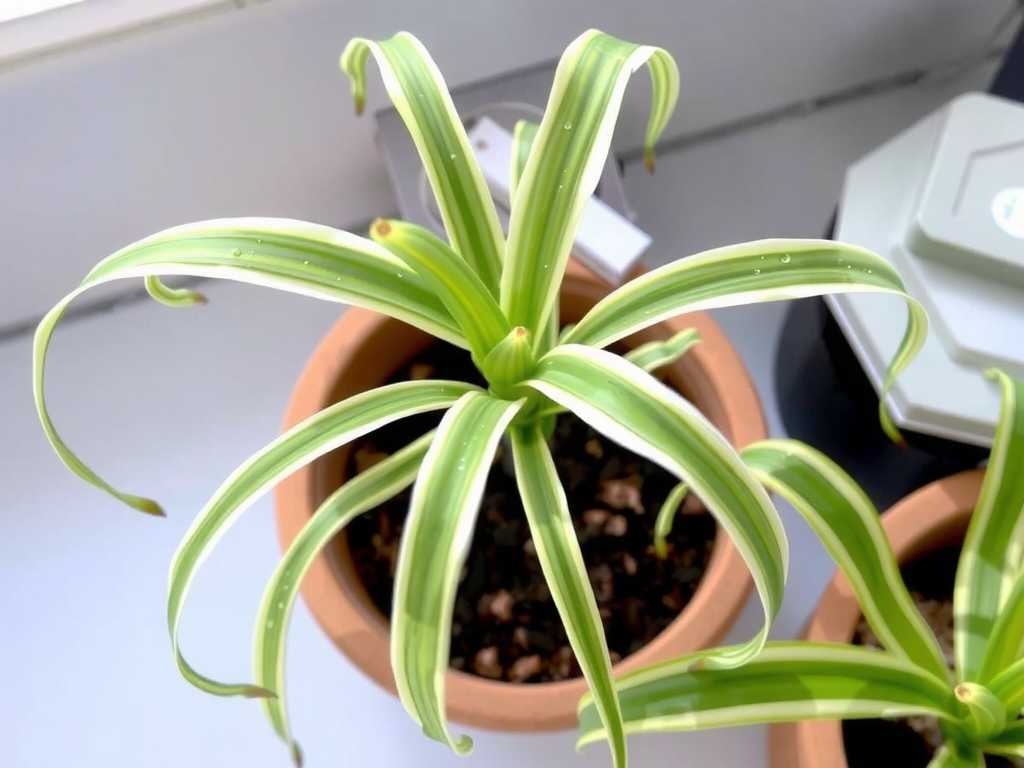
You can’t talk about watering without talking about temperature. Summer brings intense light and heat, which accelerates soil drying and plant transpiration (water loss through leaves). However, watering a hot plant in the middle of a scorching day is like drinking a gallon of ice water after running a marathon—it’s a shock to the system. The Royal Horticultural Society (RHS) notes that watering in the heat of the day is inefficient, as much of the water evaporates before the roots can absorb it. Furthermore, the American Horticultural Society (AHS) emphasizes that water droplets on leaves under intense sun can act as magnifying glasses, causing leaf scorch. My goal was to test the two recommended windows—morning and evening—to see which, or what combination, worked best for my specific home environment.
My Two-Week Temperature-Control Experiment
I selected three mature, healthy spider plants from my collection. For two weeks, I recorded daily high/low indoor temperatures (my plants are indoors near a bright, east-facing window) and strictly controlled my watering schedule.
Week 1: The Exclusive Morning Watering Protocol
My hypothesis was that morning watering would be optimal. The steps were simple but precise.
- Step 1: The Finger Test & Pot Weight Check. Every day between 6:00 AM and 7:00 AM, I performed the soil moisture check. I inserted my finger up to the second knuckle. If it was dry, I proceeded. I also lifted the pot to feel its weight—a light pot confirmed the need for water.
- Step 2: Temperature-Calibrated Watering. I used room-temperature water, never cold from the tap. I placed each pot in the sink and watered slowly and thoroughly until water ran freely from the drainage holes. This ensured the entire root ball was evenly moistened, a practice backed by the RHS for promoting deep, healthy root growth.
- Step 3: The Drainage Ritual. I let the pots drain completely in the sink for at least 30 minutes before returning them to their saucers. This is non-negotiable to prevent soggy soil at the bottom.
Observation & The First “Aha!” Moment: By Day 3, the plants perked up noticeably. The leaves looked taut and a vibrant green. There was zero water residue on the leaves by the time the strong morning sun hit them. However, by late afternoon on particularly hot days (indoor temps above 78°F/25.5°C), the soil felt surprisingly dry on the surface, and the pots were light again. The plants held up, but I sensed they were thirsty.
Week 2: Introducing Strategic Evening Watering
Based on my Week 1 observation, I modified my approach. I kept morning checks but introduced an evening watering only when needed.
- Step 1: The Late Afternoon Check. Around 5:00 PM, I’d do the finger test and weight check again. If the top 1-2 inches were bone dry and the pot was very light, I would schedule an evening water.
- Step 2: The Evening Watering Routine. Between 6:00 PM and 7:00 PM, when temperatures had reliably dropped, I would water thoroughly. The key was timing it so the foliage had hours to dry before nightfall, minimizing any risk of fungal issues.
- Step 3: Increased Humidity Support. On evenings I watered, I also grouped plants closer together or ran a humidifier for a few hours. Spider plants love humidity, and this helped them retain the moisture they’d just received.
Observation & The Solution Emerged: This hybrid approach was the winner. The plants showed more consistent hydration. New growth was faster, and one plant even sent out a flower stalk! The benefits of evening watering for spider plants became clear: it provided a critical reservoir of moisture to help them coast through the upcoming hot day without the midday shock.
The Pitfalls I Encountered (And How I Fixed Them)
My journey wasn’t perfect. Here’s where I stumbled:
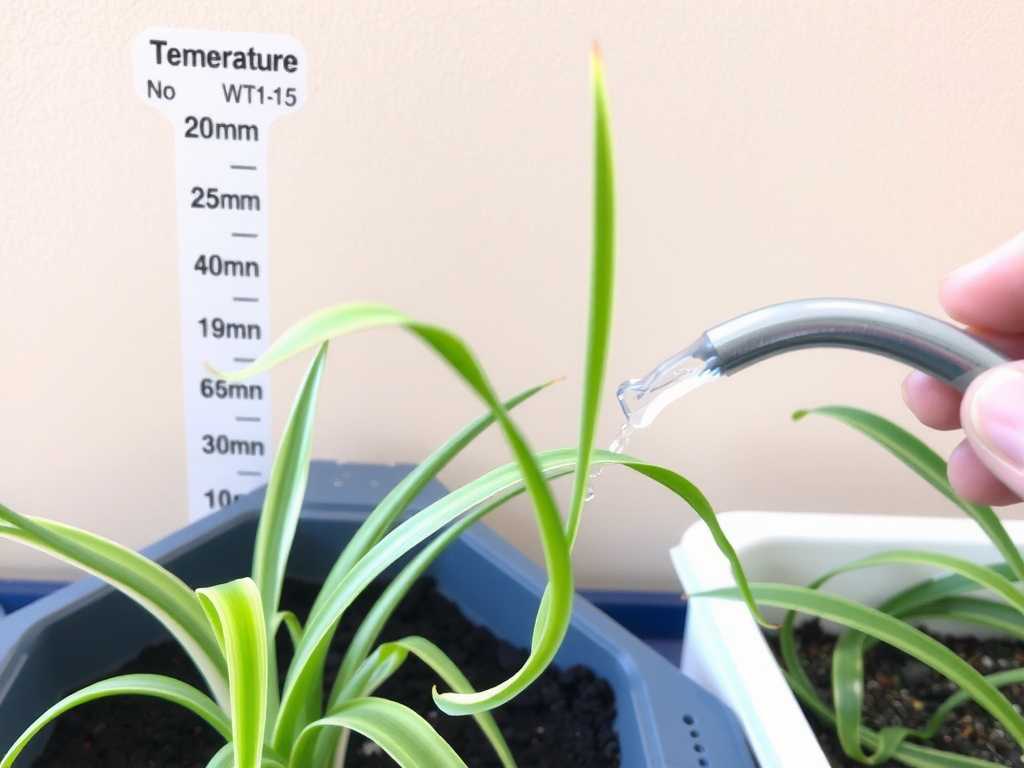
- The “Evening” Overcorrection: One evening, I watered late at 9 PM because I forgot. The plant stayed damp all night. Two days later, I saw the first signs of fungus gnats. Solution: I strictly enforced my 6-7 PM window. To combat the gnats, I let the topsoil dry out completely between waterings and used yellow sticky traps. I also began bottom watering that specific plant for a few cycles, which kept the surface soil drier and discouraged gnats.
- Ignoring Pot Material: One of my test plants was in a decorative ceramic pot without a drainage hole (I know, a rookie move hidden in a nice pot). Even with careful watering, the soil stayed wet for too long. Solution: I immediately repotted it into a plastic nursery pot with excellent drainage and used that as an insert for the ceramic pot. This gave me control over drainage and made the weight-check method accurate.
- Assuming “Room Temperature” Water: Our tap water in summer can be quite cool. I realized I was shocking the roots. Solution: I started filling my watering can the night before and letting it sit out. This allowed chlorine to dissipate and the water to reach a true room temperature, which is part of proper summer plant care for healthy roots.
Key Takeaways for Your Summer Watering Schedule
So, what’s the verdict from my two-week deep dive? Morning watering is your primary anchor. It prepares the plant for the day ahead with minimal risk. However, strategic evening watering is your secret weapon during heatwaves or for plants in very bright, hot spots. Don’t water on a strict schedule; water based on soil dryness and pot weight, and let the daily temperature guide your timing.
Your Spider Plant Summer Watering Questions, Answered
Can I water my spider plant at night? Yes, but with crucial timing. Water early enough in the evening so that excess moisture on the leaves and the top layer of soil has time to evaporate before temperatures drop completely. My 6-7 PM window worked perfectly. Avoid late-night watering that leaves the plant damp for 8+ hours.
My spider plant has brown tips even though I water correctly. What’s wrong? Brown tips are often a sign of low humidity or chemicals in water. While proper watering time for Chlorophytum comosum is critical, summer air can be dry. Try grouping plants, using a pebble tray, or a humidifier. Also, switch to filtered, distilled, or rainwater if your tap water is heavily fluoridated or chlorinated.
How do I know if I’m overwatering versus underwatering in summer? The symptoms can look similar—limp, dull leaves. The tell-tale sign is the soil. Stick your finger in. Overwatered soil will feel consistently cold, soggy, and may have a musty smell. Underwatered soil will be dry, hard, and pull away from the edges of the pot. The weight of the pot is also a dead giveaway—overwatered pots are surprisingly heavy. When in doubt, wait a day and check again. It’s always safer to underwater slightly than to overwater.
Mastering the dance between moisture, heat, and timing is the essence of summer spider plant success. It’s not about more water; it’s about smarter water. By paying attention to the temperature cues and responding with either a morning refresh or an evening boost, you give your spider plant the resilience it needs to not just endure the summer, but to flourish and fill your home with its graceful, arching leaves and cheerful little plantlets.