bluename
 spider plant Respiration at Night: Is It Suitable for Bedroom Placement?
For years, I’ve filled my home with greenery, chasing that perfect blend of beauty and better air. But the question of spider plant respiration at night always gave me pause, especially when considering my bedroom. Like many plant lovers, I’d heard the old myth: plants in the bedroom compete for oxygen at night. I needed real answers, not folklore. Could my beloved, air-purifying spider plant (Chlorophytum comosum) actually be a good roommate? I decided to turn my own bedroom into a two-week experiment to find out.
My Personal Nighttime Plant Experiment: Setting the Stage
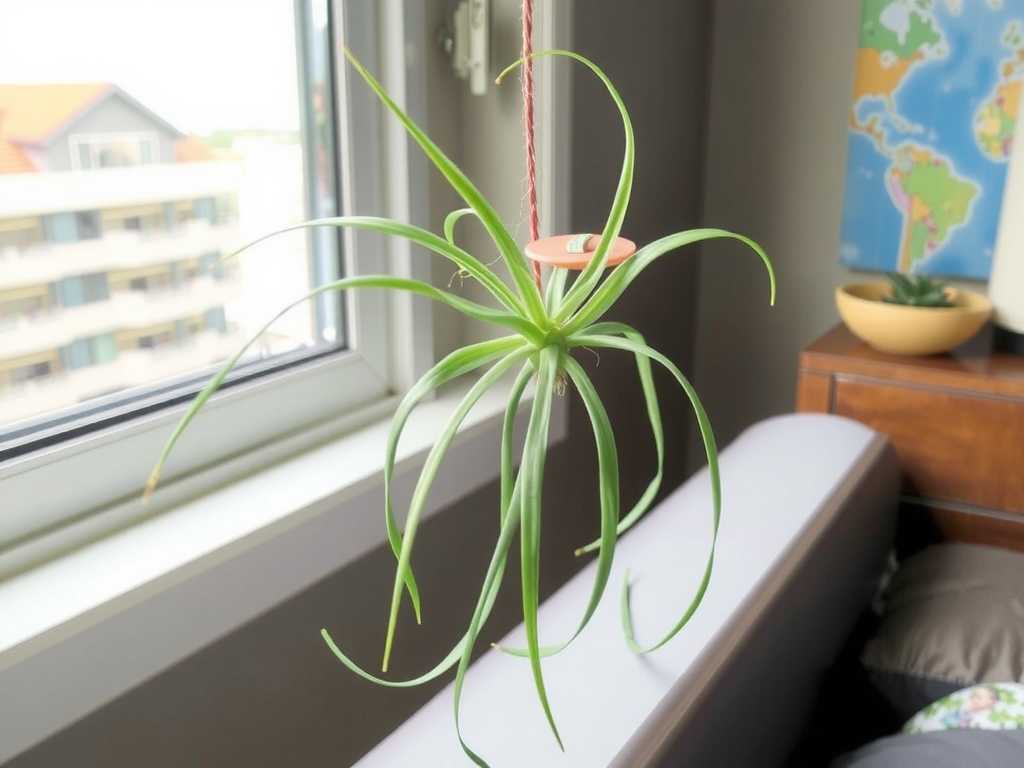
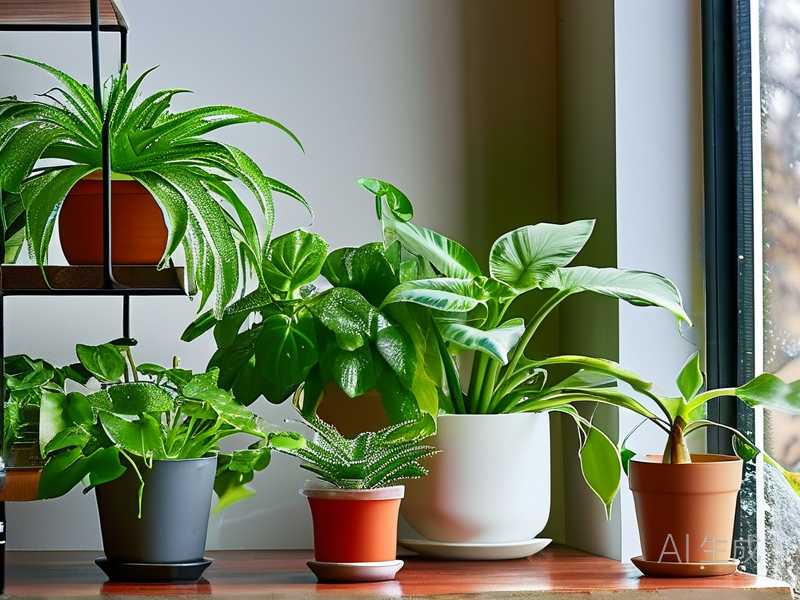
I started with a clear goal: to observe the real-world impact of a spider plant on my bedroom’s environment and my sleep over 14 nights. I chose two mature, healthy spider plants from my collection. I placed them on my nightstand, about two feet from my head—a typical placement for someone wanting both aesthetic and potential air-quality benefits.
Before the plants moved in, I established a baseline for three nights. I used a simple digital hygrometer/thermometer to track room temperature and humidity. More importantly, I noted my subjective sleep quality: how quickly I fell asleep, if I woke up feeling refreshed, and any signs of morning grogginess or congestion. My bedroom is well-ventilated but not overly drafty, a common scenario for many.
Understanding the Science: What Really Happens at Night?
To interpret my observations, I first had to dig into the botany. The concern over spider plant oxygen release at night stems from a basic understanding of plant respiration. During the day, through photosynthesis, plants absorb carbon dioxide (CO2) and release oxygen (O2). At night, without sunlight, photosynthesis stops. Plants then undergo cellular respiration, a process where they take in oxygen and release carbon dioxide—just like we do.
However, the scale is crucial. As noted in resources from the Royal Horticultural Society (RHS), the amount of CO2 released by a few houseplants at night is negligible compared to the volume of air in a room and the CO2 exhaled by a human or pet. It’s not a zero-sum competition. In fact, a study often cited by NASA on indoor air quality highlighted the spider plant’s ability to remove volatile organic compounds (VOCs) like formaldehyde and xylene. This purification happens around the clock, albeit at a slower rate at night.
The key takeaway is balance. While the plant does engage in nighttime respiration in spider plants, its overall effect on bedroom air composition is minimal and likely positive due to its filtering capabilities. This was the hypothesis I set out to test personally.
The Two-Week Observation: Diary of a Plant Sleeper
Here’s a condensed log of my experience:
Week 1 (Nights 1-7): Adjustment and Observation The first few nights, I was hyper-aware. Was the air feeling “different”? Objectively, the hygrometer showed no significant change—humidity fluctuated by a mere 1-2%, well within normal ranges. Subjectively, I noticed no difficulty breathing or stuffiness. By night four, the novelty wore off. I began to focus less on the plants and more on my sleep. I started waking up and noticing the gentle, arching leaves first thing in the morning, which provided a surprisingly calm start to the day. No negative effects on sleep onset or quality were apparent.
Week 2 (Nights 8-14): Normalcy and a Positive Shift In the second week, the spider plants became a seamless part of the room. I recorded consistently good sleep. On two nights where I had trouble winding down, I found myself focusing on the shape of the plants in the dim light—a natural, grounding visual that helped quiet my mind more than staring at a phone screen ever did. The humidity remained stable. Most notably, I experienced no morning headaches or heavy-headedness, which I sometimes get in poorly ventilated spaces. The feared CO2 release from spider plants during sleep was imperceptible.
The Pitfalls I Encountered (And How I Solved Them)
My experiment wasn’t without its hiccups. Here’s what went wrong and how I fixed it:
-
The Overwatering Mistake: Early on, worried about the bedroom’s slightly drier air, I watered one plant a bit too enthusiastically. Within a couple of days, I noticed the tips of a few leaves beginning to brown—a classic sign of overwatering and potential root stress. Solution: I returned to my proven “finger test” method, watering only when the top inch of soil was dry. I also placed a shallow tray with pebbles and water beneath the pots to provide localized humidity without waterlogging the soil. The browning stopped.
-
The “Low Light” Anxiety: My bedroom gets bright indirect light for only a few morning hours. I worried this might stress the plants, affecting their health and respiration. Solution: I rotated the plants every three days to ensure all sides received even light. Spider plants are notoriously tolerant of lower light, and this simple step kept them perky and green. They didn’t grow dramatically, but they maintained perfect health, which is ideal for a stable bedroom presence.
-
The Dust Factor: After a week, I noticed a fine layer of dust on the broad leaves. Dust can clog a plant’s stomata (pores), hindering its natural processes, including gas exchange and transpiration. Solution: I incorporated a gentle leaf-wiping into my weekly cleaning routine. Using a soft, damp cloth, I gently wiped each leaf. This not only kept the plants functioning optimally but also enhanced their visual appeal.
Final Verdict: Is the Spider Plant a Bedroom Winner?
After my two-week deep dive, I can confidently say yes. The spider plant’s nighttime breathing process posed no detectable issue to air quality or my sleep. The benefits, however subtle, were tangible: a sense of natural calm, a connection to greenery upon waking, and the knowledge that these resilient plants were quietly working to filter the air.
For anyone considering this, my advice is to focus on plant care, not fear. Choose healthy plants, avoid overwatering, ensure some indirect light, and keep the leaves clean. The spider plant’s hardiness and proven air-purifying traits make it an excellent, low-maintenance candidate for bedroom placement.
Common Questions Answered
Will a spider plant in my bedroom reduce oxygen levels? No, not in any meaningful way. The oxygen consumed by a few plants during respiration is astronomically small compared to the total air volume in a typical bedroom. The RHS confirms that the impact of houseplants on oxygen levels is insignificant for human health in normal home settings.
How many spider plants would I need to actually purify my bedroom air? While NASA’s study was groundbreaking, it used a high density of plants in a sealed chamber. For tangible air purification in a real bedroom, you’d need a large number of plants. However, even one or two contribute to a healthier indoor ecosystem by removing trace VOCs and producing psychological benefits. Think of them as one part of a strategy that includes good ventilation.
What’s the best care tip for a bedroom spider plant? The golden rule is proper watering. Err on the side of underwatering. Check the soil moisture weekly and water thoroughly only when the top layer is dry. Provide bright, indirect light if possible, but they are adaptable. This simple care will keep your plant healthy and ensure its natural processes, including its benign nighttime respiration, function smoothly.