bluename
 Faded Leaf Variegation on spider plants: My Journey with Dual Adjustment of Light Supplement & Fertilization
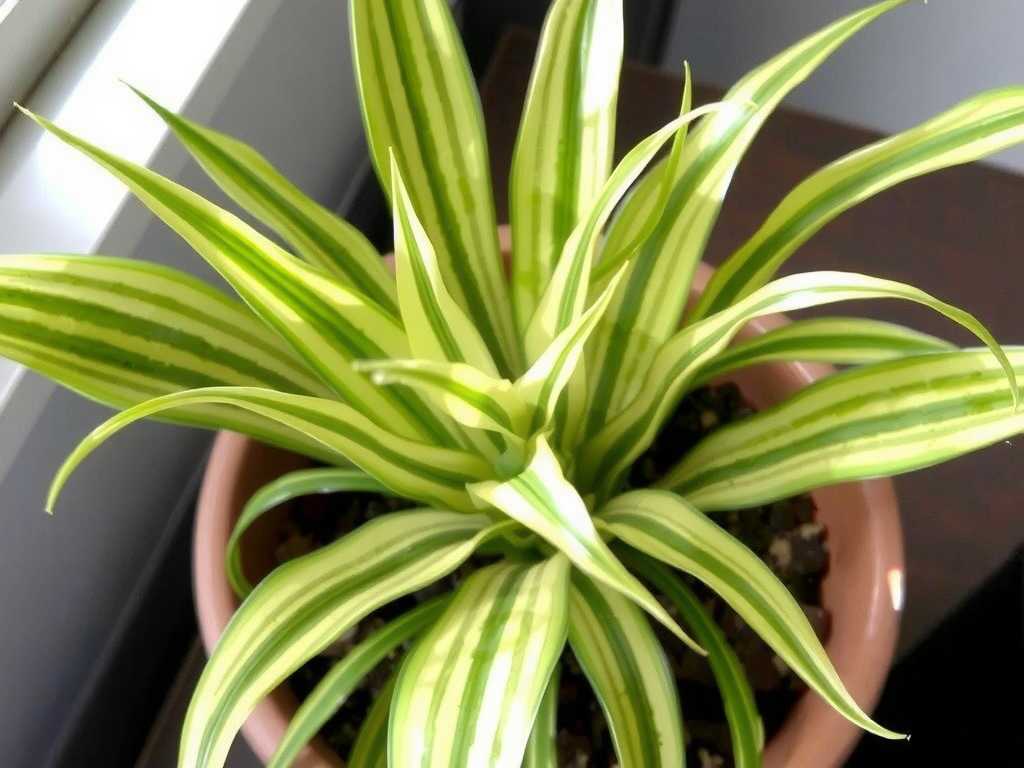
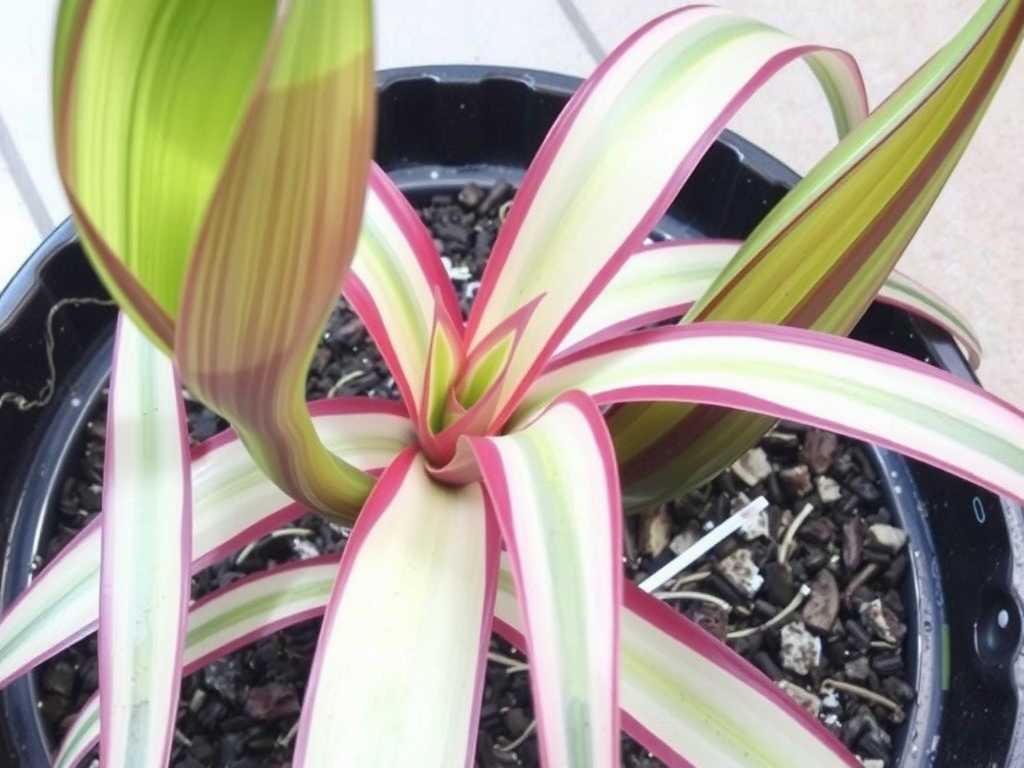
I’ll admit it: I panicked. One morning, while giving my beloved spider plant collection their routine check, I noticed something unsettling. The once vibrant, creamy-white stripes on my ‘Vittatum’ were looking dull, almost yellowish. The lush green bands seemed to have lost their depth. This wasn't the crisp, high-contrast variegation I’d nurtured. My spider plant was suffering from faded leaf variegation, a clear sign its needs weren't being met. As a hands-on plant enthusiast, I knew this wasn't just a cosmetic issue; it was a cry for help related to its core energy systems: light and nutrients. I decided to tackle this head-on with a precise, two-pronged strategy—a dual adjustment of light supplement and fertilization.
For years, I’d operated on a basic care routine: bright indirect light and a balanced feed every month. It worked, until it didn't. The fading told me my one-size-fits-all approach was failing. I needed to understand the why before implementing the how. Spider plant variegation fading is fundamentally a chlorophyll story. The white parts lack chlorophyll, the green parts have it. When light is insufficient, the plant overproduces chlorophyll in an attempt to photosynthesize more, causing the green to bleed into and dull the white areas. Conversely, improper fertilization, especially excess nitrogen, can spur rapid but weak green growth at the expense of variegation stability.
I refused to guess. My mission was clear: to restore spider plant leaf color through targeted, measured interventions. This would be a 14-day observational experiment, logging every change and misstep.
Week 1: Diagnosis and Implementing the Dual Adjustment Plan
First, I audited my setup. The plant sat about 8 feet from a north-east facing window. It received gentle morning light but was in deep shade by afternoon. Using a simple light meter app (a rough but helpful guide), I confirmed my suspicion: it was barely hitting the threshold for “low light.” This was the primary culprit behind the loss of color in variegated leaves.
Step 1: Precision Light Supplementation I didn’t just move the plant. Sudden, intense direct sun could scorch it, causing a whole new set of problems. Instead, I invested in a full-spectrum LED grow light. My goal was to supplement, not replace, its natural cycle. Here was my precise regimen:
- Positioning: I mounted the light 12 inches above the plant’s canopy.
- Schedule: I set it on a timer to run for 4 hours daily, from 11 AM to 3 PM. This bridged the gap when natural light faded, providing a consistent 12-hour total “day.”
- Intensity: I chose a light with adjustable brightness and started at 50% to avoid shock.
Step 2: Strategic Fertilization Adjustment I emptied the saucer under the pot—a classic overwatering symptom I’d overlooked. Flush soil can leach nutrients unevenly. I held off on my regular all-purpose 20-20-20 feed. The American Horticultural Society (AHS) notes that for stressed plants showing color changes, a balanced, gentle approach is key. I opted for a liquid fertilizer higher in phosphorus and potassium than nitrogen (a formula like 5-10-10), which supports root health and overall pigmentation without forcing excessive green growth.
- Dilution: I diluted the fertilizer to half the recommended strength.
- Application: I applied it only once, at the start of the week, ensuring the soil was moist beforehand to prevent root burn.
The First Week’s Observations: Days 1-3: No visible change. The faded leaves remained dull. Days 4-7: A subtle shift! The newest, central leaves seemed to be unfurling with a slightly brighter white stripe. The existing green portions on older leaves looked a tad more vibrant, but the faded areas themselves were unchanged. This was expected; existing damage rarely reverses. The plant was directing energy to new growth.
The Pitfall I Hit and How I Solved It
Midway through Day 5, I noticed the very tip of one new leaf was slightly brown and crispy. My heart sank. Was it the light? Over-fertilization? I diagnosed it as minor light stress. In my zeal, the 50% intensity for 4 hours, combined with its ambient light, was perhaps too much too soon. The Royal Horticultural Society (RHS) advises that when supplementing light, “increase duration before intensity.”
My Solution: I immediately adjusted the light timer. Instead of 4 continuous hours, I split the supplementation into two 2-hour sessions: one in the late morning and one in the mid-afternoon. This gave the plant a rest period and mimicked dappled light conditions more naturally. I kept the intensity at 50%. The browning did not progress, and no other leaves showed stress. Crisis averted through observation and a gentle pivot.
Week 2: Consolidation and Visible Transformation
With the adjusted light schedule, the plant entered a phase of remarkable stability. The fear of causing spider plant variegation fading was replaced by cautious optimism.
Continued Observation & Care: I maintained the split-schedule light supplement and did not fertilize again. Watering was done only when the top inch of soil was dry. The focus was on consistency.
The Second Week’s Breakthrough: Days 8-10: The difference in new growth became undeniable. Two fresh leaves unfurled, displaying the sharpest, creamiest white variegation I had seen on this plant in months. The contrast with the deep green bands was striking—like a living art print. Days 11-14: The overall plant posture improved. Leaves seemed perkier, less languid. While the older, faded leaves would never fully recover their original glory, they stopped looking worse. The plant’s energy was now clearly invested in producing perfect, new, highly variegated foliage. The dual adjustment of light supplement and fertilization was working. I had successfully halted the fade and was actively restoring spider plant leaf color from the growth point outward.
Why This Two-Pronged Approach Works: The Science in Practice
My experience mirrors expert guidance. Light is the energy source; fertilization provides the building blocks. Correcting one while ignoring the other is like revving a car engine with no fuel, or pouring fuel into a car with a dead battery. They must work in tandem.
- The Light Role: The supplemental LED provided consistent, chlorophyll-managing photons without the heat stress of direct sun. It told the plant, “You have enough energy; no need to overproduce green pigment.”
- The Fertilizer Role: The single, half-strength dose of a lower-nitrogen formula provided essential micronutrients and supported strong cellular development in the new growth without the nitrogen surge that prioritizes green mass over variegation expression.
This balanced adjustment for spider plant color loss addressed the root physiological causes, not just the symptoms.
Your Questions, Answered From My Experience
Can I just use more fertilizer to green up my spider plant? Please don’t. This is a common trap. Excess nitrogen, especially, will accelerate the production of chlorophyll, causing the plant to potentially produce more solid green leaves or further muddy the variegation. It addresses a symptom (pale color) in the worst possible way, risking fertilizer burn and long-term soil health. Focus on light first.
Will the old, faded leaves ever turn white again? No, they will not. Once a leaf has faded or greened due to light deficiency, the change is permanent. The plant’s recovery shows in its new growth. You can snip off the most unsightly older leaves at the base if you wish, but do so gradually to avoid shocking the plant.
How do I know if it’s too much light or too little? The line is fine. In my case, faded variegation pointed to too little. The brief leaf-tip browning signaled a slight overcorrection. Too much light often leads to bleached, scorched, or crispy brown patches, and leaves may feel thin or crispy. Too little light results in overall fading, leggy growth, and leaves stretching toward the source. Start with gentle light supplements and observe over days, not hours.
Seeing my spider plant rebound over those two weeks was profoundly rewarding. It wasn’t magic; it was applied botany. Faded leaf variegation on spider plants is a solvable puzzle. The key is to listen to the plant’s visual language, understand the symbiotic roles of light and food, and intervene with patience and precision. By committing to a synchronized dual adjustment of light supplement and fertilization, you’re not just saving a plant—you’re mastering the art of helping it express its most beautiful, resilient self. Start with light, support with mindful nutrition, and watch the vibrant stripes return.