bluename
 Care for Hydroponic spider plants: Water Level and Water Change Frequency
I love my spider plants. Their cheerful green and white stripes have brightened my home for years. But when I first switched from soil to a hydroponic setup, my confidence vanished. My once-vibrant spider plant started looking sad, with brown tips and pale leaves. I realized I was guessing—guessing how much water to use, guessing when to change it. Sound familiar? If you're struggling with care for hydroponic spider plants, specifically the water level and water change frequency, you're not alone. This is the single most common hurdle, and getting it wrong can stunt growth or even kill your plant. After much trial, error, and research, I've dialed in a system that works. Let me walk you through my real-world process, the two-week experiment that changed everything, and the pitfalls I learned to avoid.
Why Water Management Is Everything in Hydroponics
In soil, roots seek out moisture and nutrients. In water, they're completely dependent on what you provide. The right water level for spider plants in water ensures the roots get oxygen (yes, they need air too!) and prevents rot. The correct how often to change water for hydroponic spider plants delivers fresh nutrients and prevents toxic buildup. Get these two factors right, and your plant will thrive with minimal effort.
My Step-by-Step Guide to Perfect Hydroponic Water
Here is the exact routine I follow now, born from careful observation.
Gathering Your Supplies
You don't need fancy gear. I use a simple glass vase, but any container with a narrow neck to support the plant works. You'll also need:
- A healthy spider plant pup (with starter roots).
- Fresh, room-temperature tap water (I let it sit out for 24 hours to allow chlorine to evaporate).
- A balanced, water-soluble liquid fertilizer formulated for hydroponics.
- A measuring cup and a clean cloth.
The Initial Setup: Finding the Sweet Spot
This is where most mistakes happen. I used to submerge the entire root system. Big error.
- I place the spider plant pup in the vase so that only the very bottom of its root nubs or existing roots touch the water. The key is to suspend the base of the plant above the waterline.
- I add water until it just kisses the root base. The American Horticultural Society's guide on water propagation emphasizes that "the root crown should remain above water to promote gas exchange and prevent rot." I aim for a water level that covers no more than the bottom third of the root mass initially.
- I place it in bright, indirect light—never direct sun, which can overheat the water.
The Two-Week Observation & Adjustment Period
I committed to checking my plant every single day for two weeks. Here’s what happened:
- Days 1-3: The plant seemed static. The existing roots were in water, but no new growth was visible. I ensured the water level was consistent as a little evaporated.
- Days 4-7: I spotted the first tiny, bright white root tendrils reaching down into the water! This was my signal. As these new "water roots" grew, I gradually added more water, always ensuring a significant portion of the newer, fuzzy white roots were submerged, while the original thicker roots stayed partly dry.
- Days 8-14: Root explosion! The white roots grew rapidly, forming a dense network. I maintained the water so that about 70-80% of the root system was underwater, leaving the top part exposed to air. The leaves remained firm and green, with no new browning at the tips.
The Water Change Routine I Swear By
Frequency is not about a rigid schedule, but a system. I never let it go more than two weeks. Here's my process:
- Every 7-14 Days: I gently lift the plant out and place the root ball in a bowl of clean water to keep it moist.
- I dump the old water and thoroughly rinse the vase to remove any slippery algal film.
- I refill with fresh, room-temperature water.
- Fertilizing: I add fertilizer only every other water change, and at half the strength recommended on the bottle. The Royal Horticultural Society (RHS) advises that "hydroponic plants often require less fertilizer than those in soil to avoid salt accumulation." Over-fertilizing was a early mistake of mine that led to brown leaf tips.
The Pitfalls I Encountered (And How to Fix Them)
My journey wasn't all smooth sailing. Here are the problems I faced and exactly how I solved them.
1. The Slimy, Smelly Water Disaster Early on, I topped off the water instead of changing it. After about three weeks, the water turned cloudy and the roots developed a foul-smelling, slippery coating. This was root rot beginning.
- The Fix: I immediately changed all the water. I gently rinsed the roots under lukewarm water to remove the slime. I trimmed any roots that were mushy and brown (healthy roots are firm and white/tan). I then went back to my strict 2-week maximum change schedule. Problem solved.
2. The Stagnant Growth Mystery One plant just sat there for a month, neither dying nor growing.
- The Fix: I realized the water level was too high from the start, suffocating the root crown. I lowered the water significantly, allowing the base to dry out slightly between refills. Within a week, new root growth appeared. The plant needed oxygen more than it needed water.
3. Brown Leaf Tips Creeping Back Even with good water habits, I sometimes saw browning.
- The Fix: I investigated and found two culprits. First, fluoride in tap water. Letting water sit out helps, but switching to filtered or distilled water eliminated this entirely. Second, I was over-fertilizing. Cutting back to a dilute, bi-monthly feed stopped the burn.
Maintaining a Thriving Hydroponic Spider Plant
Once you're past the establishment phase, maintenance is simple. I stick to my core rules: monitor the water level to keep most roots submerged but not all, and never get lazy with the water change frequency. I clean the vase with each change to allow light to sparkle through and keep an eye on root color and leaf health as my best indicators.
Will fertilizer make my spider plant grow faster in water? Yes, but with caution. A weak, balanced hydroponic fertilizer every 4-8 weeks during spring and summer provides nutrients missing from plain water. Overdoing it, however, will chemically burn the roots and leaves. Less is truly more.
Can I use any container for hydroponic spider plants? Almost any glass, ceramic, or non-toxic plastic container works. I prefer clear glass because it lets me monitor root health and water clarity easily. Just ensure it's stable and the opening supports the plant to keep the leaves from constantly sitting in moisture.
My plant's roots are brown. Is it dying? Not necessarily. Mature hydroponic roots often turn a tan or light brown color and can feel slightly slippery—this is normal. True root rot is dark brown or black, mushy, and smells bad. If you see the latter, trim the rotten roots, clean the container, and refresh the water immediately.
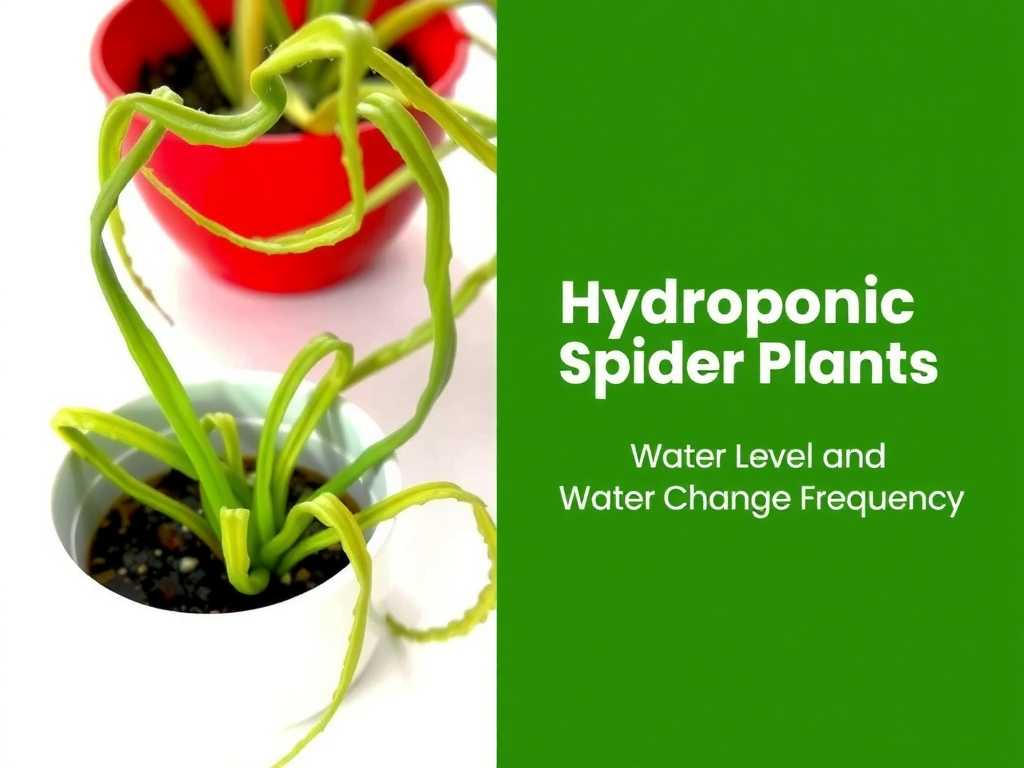
Getting the water right transformed my hydroponic spider plant from a struggling experiment into a lush, zero-fuss centerpiece. It taught me that success lies in the balance—between water and air, between feeding and flushing. By focusing on the root zone, observing closely, and establishing a simple routine, you can enjoy the clean, modern beauty of a spider plant thriving in water for years to come. Start with the water level just right, change it with consistency, and watch it grow.