bluename
 The Ultimate Guide to Long-Term Care for spider plants: My Annual Repotting Operation Process
For years, my spider plants were just… surviving. They’d produce a few pups, their leaves would get a bit brown at the tips, and they’d sit in the same pot, season after season. I thought I was doing okay—they weren’t dying, after all. But then I learned the secret to truly thriving, lush, and prolific spider plants isn’t just about water and light. It’s a critical, non-negotiable part of long-term care for spider plants: the annual repotting operation.
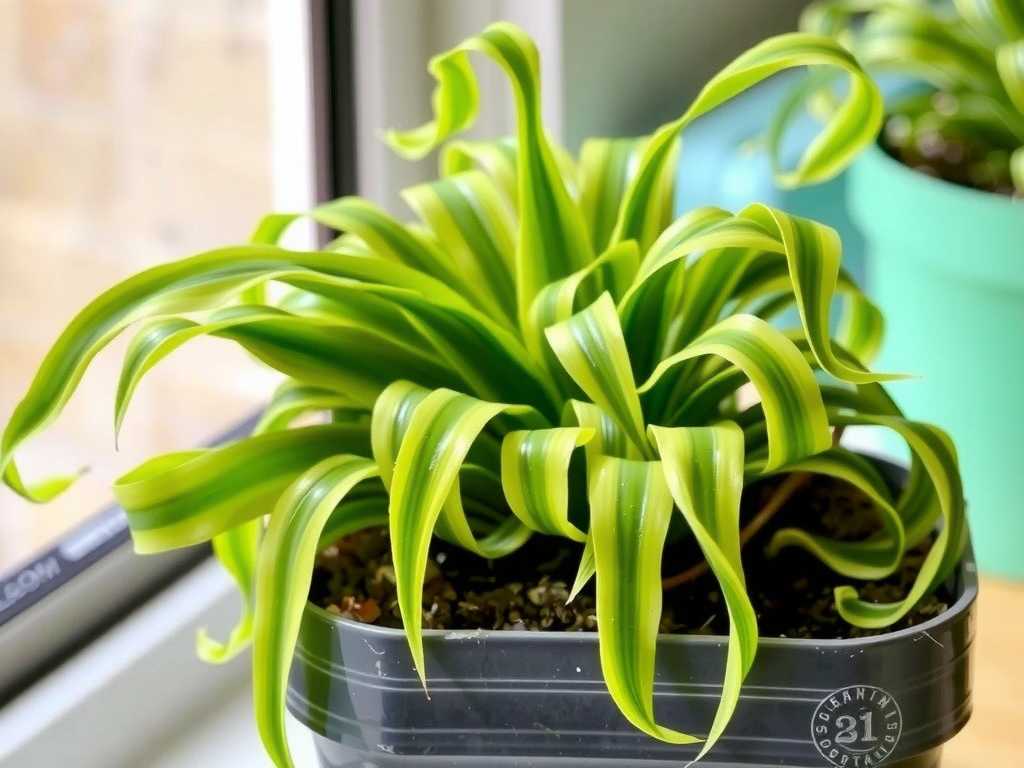
Neglecting this process leads to a cascade of problems—stunted growth, root-bound stress, poor water absorption, and a lack of those beautiful cascading spiderettes. If your plant has stopped putting out new growth, if water runs straight through the pot, or if roots are visibly circling the surface or emerging from drainage holes, you’re witnessing the plea for a new home. I’ve been there. This guide is the detailed, step-by-step account of my proven repotting process, the two-week recovery I meticulously observed, and all the lessons I learned the hard way.
Why Annual Repotting is Non-Negotiable for Spider Plant Health
Spider plants (Chlorophytum comosum) are vigorous growers, especially their root systems. According to the Royal Horticultural Society (RHS), these plants are known for their thick, tuberous roots that quickly fill a container. When pot-bound, these roots have nowhere to go. They become a dense, tangled mass that can’t effectively take up nutrients or moisture, even if you’re watering regularly. This stress directly impacts the plant’s energy, diverting it from producing its iconic offshoots and long, arching leaves.
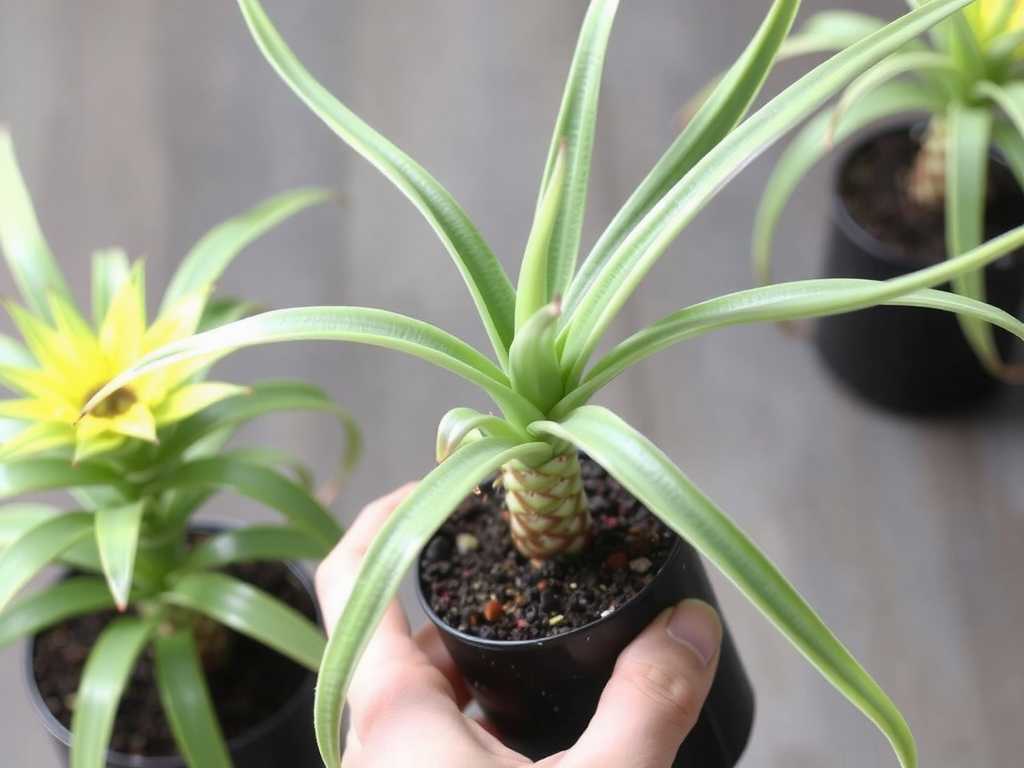
An annual check-in and repot, typically best done in the spring or early summer at the start of their active growing season, resets this cycle. It provides fresh, nutrient-rich medium, space for root expansion, and prevents the soil from becoming overly compacted and saline from fertilizer buildup. It’s the single most impactful act of spider plant maintenance you can perform for long-term vitality.
My Step-by-Step Annual Repotting Operation
Here is the exact operation I follow every year, refined through both success and failure.
Pre-Operation Preparation: Gathering Your Supplies
First, I clear a workspace and gather everything I need. Being prepared prevents the plant’s roots from drying out during the process. You will need:
- A new pot that is only 1-2 inches larger in diameter than the current one. A pot too large holds excess moisture, risking root rot. I prefer pots with ample drainage holes.
- Fresh, well-draining potting mix. A general-purpose mix works, but I now add a handful of perlite or orchid bark to improve aeration, mimicking their preferred conditions.
- Pruning shears or sharp scissors, sterilized with rubbing alcohol.
- A trowel, newspaper for the mess, and a watering can with a narrow spout.
Step 1: The Gentle Extraction
I don’t water the plant for a day or two before repotting. Slightly dry soil makes it easier to remove the root ball. I turn the pot on its side, gently support the plant at its base, and coax it out. If it’s stubborn, I run a knife around the inside edge of the pot. Never pull by the leaves!
Step 2: Root Inspection and Pruning (The Critical Step)
This is where the real operation process begins. I gently loosen the outer roots with my fingers to see the structure. A healthy root system is firm and white or pale orange. I look for any dark, mushy, or papery roots—these are rotten and must be removed. With my sterilized shears, I prune away any dead or excessively long, circling roots. I also take this chance to gently separate any pups I wish to propagate, ensuring they have their own starter roots.
The First Major Pitfall I Encountered: My first time, I was too aggressive. I pruned over a third of the root mass, shocking the plant. The American Horticultural Society (AHS) advises that for repotting, root pruning should be minimal and focused only on removing damaged sections. Now, I only trim what is necessary to encourage new growth into the fresh soil, never more than about 20% of the total mass.
Step 3: Potting Up with Care
I place a layer of fresh potting mix in the bottom of the new pot. I position the spider plant so the base of the leaves sits about half an inch below the pot’s rim. Holding it steady, I fill in around the sides with more mix, gently tamping it down to eliminate large air pockets. I avoid compacting the soil too firmly. The goal is to provide support while keeping the medium airy.
Step 4: The Initial Settlement Watering
Once potted, I give the plant a thorough, deep watering until water flows freely from the drainage holes. This serves to settle the new soil around the roots. I then place the plant in a location with bright, indirect light—avoiding direct sun, which is too intense for a plant in recovery.
The Crucial 2-Week Observation Period: What to Expect
Repotting is a minor surgery. The following two weeks are a critical recovery period where your observation skills are key.
Days 1-3: The Adjustment Phase The plant often looks a little droopy or weary. This is normal transplant shock. I resist the urge to water again or move it. The soil remains moist from the settlement water. My only job is to ensure it’s not in a draft or in direct sunlight.
Days 4-7: Signs of Stability By the end of the first week, the leaves should have perked back up. Any severe drooping that continues indicates a problem—usually overwatering in too-large a pot or damaged roots I missed. During this period, I check the top inch of soil; it should be drying out. I do not water unless it’s completely dry.
Days 8-14: Evidence of Success This is the exciting part. In the second week, with consistent indirect light, I start looking for the first sign of new growth. It might be a tiny, pale green nub at the center of the plant. This is the ultimate signal that the annual repotting has been successful and the roots have settled in and are beginning to explore. Once I see this new growth, I know the plant has recovered and can resume a normal care routine.
The Second Major Pitfall: I once made the mistake of fertilizing immediately after repotting, thinking it would help. This is a classic error. Fresh potting mix contains nutrients, and fertilizer on stressed roots can cause chemical burn. I now wait at least 4-6 weeks, or until I see significant new growth, before applying a half-strength balanced fertilizer.
Common Repotting Challenges and My Solutions
- The Dreaded Root Rot: If you discover black, slimy roots, don’t panic. Prune all affected material back to healthy, firm tissue. You can soak the remaining root ball in a solution of one part hydrogen peroxide to three parts water for an hour to disinfect it before repotting in fresh, dry mix. Water very sparingly for the first few weeks.
- The Impossible, Cement-Like Root Ball: For severely pot-bound plants, don’t tear the roots apart. Soak the entire root ball in a bucket of lukewarm water for an hour to soften it. This allows you to gently untangle and separate the roots with minimal breakage.
- Post-Repotting Leaf Tip Browning: Some minor browning can occur due to shock or mineral fluctuation. I ensure I use distilled or rainwater for the first few waterings, as spider plants are sensitive to fluoride and chlorine in tap water, which can exacerbate browning.
Frequently Asked Questions
How do I know for sure if my spider plant needs repotting? Beyond the calendar, clear signs include: roots growing out of the drainage holes, the plant becoming top-heavy and tipping over, water sitting on the surface and taking forever to drain, or a complete halt in growth during the growing season. When you slide the plant out, if you see more roots than soil, it’s time.
Can I repot my spider plant when it has babies (spiderettes)? Absolutely. You have two great options. First, you can repot the entire plant, spiderettes and all, and simply tuck the pups into the soil of the new, larger pot where they may root themselves. Second, you can carefully remove the pups by cutting the stolon (the long stem), and pot them up separately as new plants. I often do both—refreshing the mother plant and expanding my collection.
What is the best soil mix for long-term spider plant care? While a standard potting mix works, they truly thrive in a slightly amended blend. My go-to formula is two parts all-purpose potting soil to one part perlite or coarse sand. This ensures the fast drainage and oxygen flow to the roots that prevent rot and promote healthy, long-term growth. The goal is a mix that holds moisture but never becomes soggy.
Annual repotting transformed my spider plants from stagnant houseguests into dynamic, growing centerpieces. It’s a simple, mindful process that directly translates to your plant’s health and happiness. By following this operational guide, learning from the common pitfalls, and patiently observing the two-week recovery, you provide the foundational long-term care for spider plants that ensures they don’t just live, but flourish for years to come. The sight of that first new leaf after repotting is a reward every plant lover deserves.