bluename
 spider plant Leaf Yellowing: My Iron Supplementation Method for Iron-Deficiency Chlorosis
I’ve been a houseplant enthusiast for years, and nothing deflates my green-thumb confidence faster than seeing my beloved spider plant’s vibrant green stripes fade into a sickly yellow. If you’re here, you’ve likely noticed the same distressing pattern: new growth emerging pale, almost yellow, while the veins stubbornly stay green. After much trial, error, and research, I confirmed my spider plant was suffering from iron-deficiency chlorosis. This specific form of yellowing is a common cry for help, and through a dedicated iron supplementation method, I was able to nurse my plant back to health. Let me walk you through my exact two-week process, including the mistakes I made and how you can avoid them.
Understanding Iron Deficiency in Spider Plants
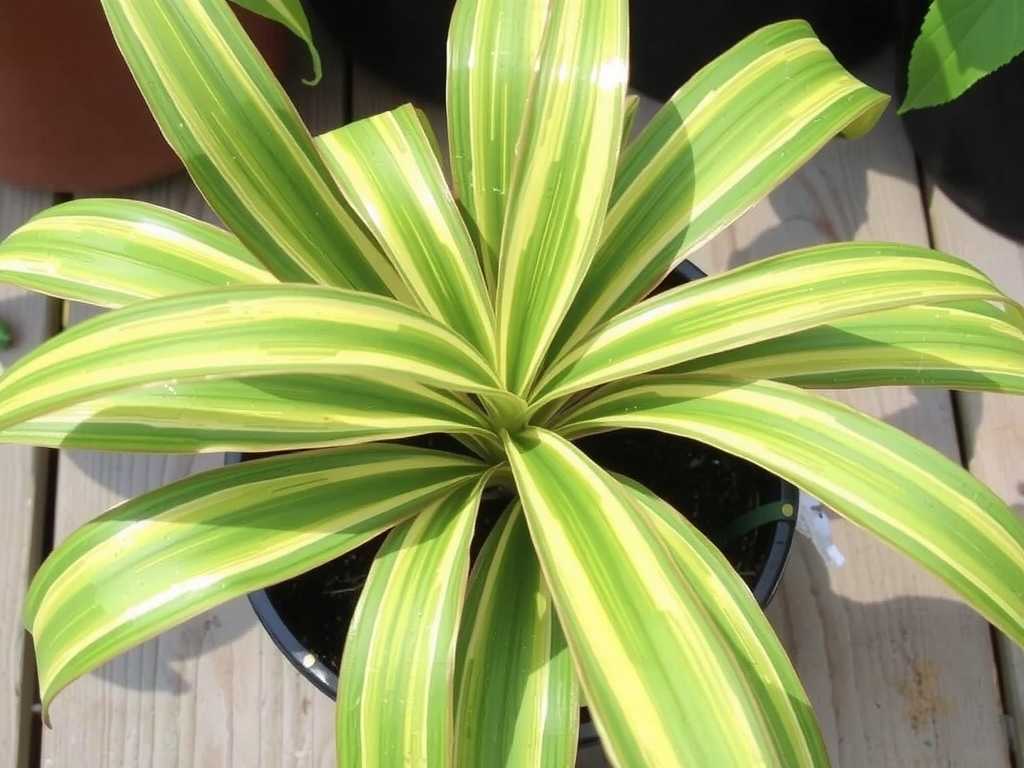
First, it’s crucial to diagnose correctly. Not all yellow leaves signal an iron problem. Iron deficiency chlorosis typically shows up on the newest leaves first. The leaf tissue between the veins turns yellow (chlorotic), but the veins themselves remain a darker green, creating a distinctive net-like pattern. This happens because iron is essential for producing chlorophyll, the green pigment plants use for photosynthesis. Without it, new growth can’t green up properly.
According to the Royal Horticultural Society (RHS), chlorosis is often a soil pH issue, especially in potted plants. Spider plants prefer slightly acidic to neutral soil. When the soil pH is too high (alkaline), iron becomes "locked up" and unavailable to the plant roots, even if it’s present in the potting mix. So, supplementing iron isn't just about adding nutrients; it's about ensuring they can be absorbed.
My Step-by-Step Iron Supplementation Protocol
Before starting, I gathered my supplies: a chelated iron fertilizer (I chose a liquid form for fast absorption), a pH testing kit, distilled water, and my notebook for daily observations.
Week 1: Diagnosis and Initial Treatment
Day 1-2: Testing and Adjustment My first step was to test the soil pH. Sure enough, the meter read 7.5, which is too alkaline for optimal iron uptake. I gently flushed the soil with distilled water (to avoid adding more minerals from tap water) to help leach out some excess salts that can contribute to high pH. I prepared the chelated iron solution, meticulously following the label’s instructions for potted plants—never exceeding the recommended dose. More is not better and can cause toxicity. I applied it as a soil drench until liquid ran from the drainage holes.
Day 3-5: Observation Begins I placed the plant back in its spot with bright, indirect light. No dramatic changes yet, which I expected. The key here is patience. I resisted the urge to water again or apply more fertilizer. Overwatering is a major pitfall that can worsen root health and nutrient issues.
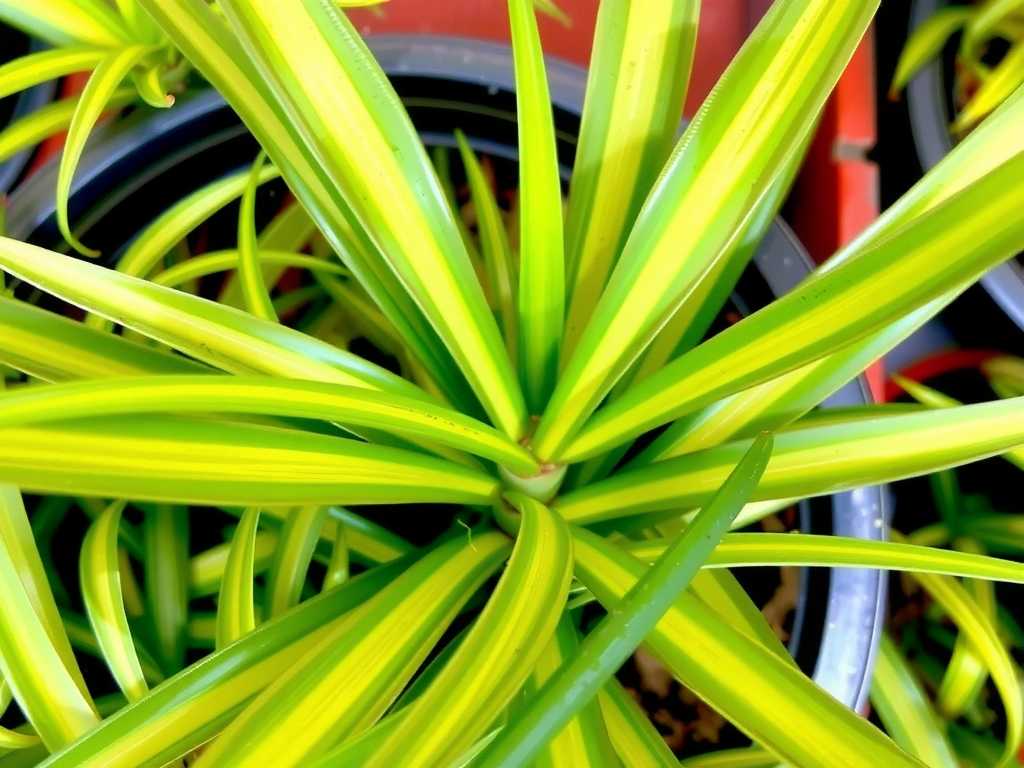
Day 6-7: The First Glimmer of Hope Upon close inspection, I noticed the very newest, most yellowed leaf at the center showed a subtle change. The extreme pale yellow seemed to have stabilized, and the green veins appeared slightly more pronounced against the lighter background. This was my first sign that the treatment for spider plant chlorosis was being absorbed.
Week 2: Monitoring Progress and Troubleshooting
Day 8-10: A Critical Mistake and Correction Here’s where I hit a snag. Seeing slight improvement, I thought a weak foliar spray (applying iron solution directly to the leaves) might give it an extra boost. I did this in the morning before the sun was strong. Unfortunately, by afternoon, brown, scorched spots appeared where the droplets had magnified the light. I had caused leaf burn.
My solution was immediate: I gently wiped the remaining residue off the leaves with a damp cloth and moved the plant slightly further from the light source for two days. The American Horticultural Society (AHS) notes that foliar feeding can be effective but must be done with highly diluted solutions at dusk or on cloudy days to prevent burn. I learned this the hard way.
Day 11-14: Steady Recovery After the foliar mishap, I stuck to soil application. By the end of the second week, the improvement was undeniable. The new leaves unfurling from the center were a much healthier, lighter green that was clearly deepening day by day. The older, yellowed leaves did not fully revert to green—they rarely do—but their progression of yellowing halted. The plant overall looked perkier, and I even spotted the beginnings of a new runner (stolon). The iron deficiency fix was working at the root level.
Key Lessons from My Two-Week Experiment
- Test pH First: Assuming the deficiency and supplementing blindly can waste time. A simple pH test guides the entire approach. If your pH is high, iron supplements alone might not work long-term.
- Use Chelated Iron: This form of iron remains available to plants across a wider pH range and is ideal for corrective treatment. It was the cornerstone of my chlorosis correction success.
- Patience is Non-Negotiable: Plants operate on their own schedule. It takes time for roots to absorb nutrients and for new growth to manifest health. Expect visible changes in 1-2 weeks, not days.
- Avoid Foliar Feeding in Direct Light: If you choose to foliar feed, do it very carefully. My experience shows the risk often outweighs the benefit for beginners. Soil drench is safer and more effective for systemic issues.
Frequently Asked Questions
Can I use rusty water or nails in the soil to add iron? This is a common DIY myth. The iron from rust (iron oxide) is not in a form that plant roots can absorb. It will not correct iron deficiency in spider plants. You need a soluble, chelated iron fertilizer designed for horticultural use.
How often should I apply iron supplements? Only as directed on the product label, and only until the chlorosis is corrected. This is a short-term corrective treatment, not a regular fertilizer. Over-application can poison your plant. Once healthy, maintain with a balanced, water-soluble fertilizer and monitor soil pH.
Will the yellow leaves turn green again? Unfortunately, leaves that have turned fully yellow due to chlorosis will not regain their green color. The success of the treatment is judged by the healthy color of new growth. You can snip off the severely yellowed older leaves once the plant is actively growing again to improve its appearance.
Watching my spider plant recover its signature striped vigor was immensely rewarding. The journey from diagnosis through the iron supplementation method taught me that plant care is as much about science and restraint as it is about love. By understanding the specific needs behind the symptoms—like the iron-hunger signaled by interveinal yellowing—you can move beyond guesswork and provide targeted, effective care. Remember, the goal is to create the right conditions for your plant to thrive on its own.