bluename
 Outdoor spider plant Care: Rain Shelter Measures for the Rainy Season
If you're like me, you love the lush, vibrant look of spider plants cascading from your patio or garden. But the rainy season? That can feel like a looming threat. I've watched healthy, happy plants turn to mush after a week of relentless downpours. The core challenge is simple: how do we protect these adaptable yet vulnerable houseplants when they summer outdoors? The answer lies in proactive outdoor spider plant care with smart rain shelter measures. It's not just about moving a pot; it's about understanding moisture, airflow, and creating a microclimate that mimics their ideal conditions. After losing a prized variegated specimen to root rot a few years back, I made it my mission to master rainy season protection. What follows is my personal, tested blueprint developed through trial, error, and two weeks of intense observation during a predictably wet spring.
Why Spider Plants Need a Rain Shield: More Than Just Overwatering
We know spider plants (Chlorophytum comosum) are tough, but their Achilles' heel is soggy soil. Their tuberous roots store water, making them prone to rot in constantly wet conditions. The Royal Horticultural Society (RHS) clearly states that these plants require "well-drained compost" and warns against leaving them standing in water. Outdoors, rain doesn't just water the soil; it saturates it, compacts it, and washes away nutrients. Furthermore, consistent moisture on the leaves and in the crown can invite fungal diseases. My goal for this season was to prevent these issues through physical shelter and environmental management, not just hope for the best.
My Two-Week Rain Shelter Experiment: A Step-by-Step Log
I selected three mature spider plants in hanging baskets to monitor. Our local forecast promised two solid weeks of intermittent heavy showers—a perfect, if daunting, test period.
Week 1: Implementation and Initial Adjustments
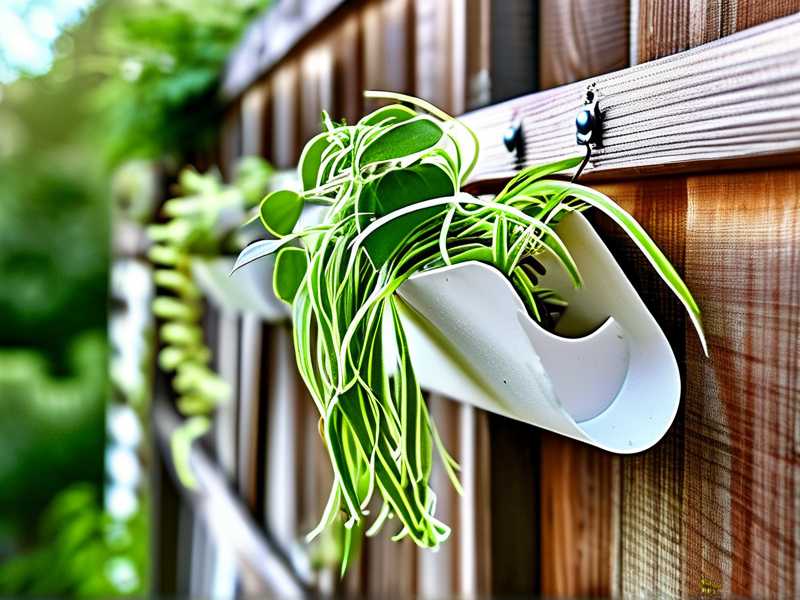
Days 1-3: Setting Up the Primary Shelter. My first step was relocation. I moved the hanging baskets to the most covered part of my porch eaves, where they would receive bright, indirect light but be shielded from direct vertical rain. This is a fundamental rain shelter measure for spider plants. However, I quickly encountered my first problem: wind-driven rain still reached them during a storm on Day 2. The leaves were speckled with soil, and the pots felt damp.
My solution was to create a secondary barrier. I installed a clear, corrugated polycarbonate panel angled above the plant grouping. This allowed light through but deflected the bulk of the rain and wind-blown spray. I ensured it was secured well above the plants to maintain excellent air circulation—stagnant, humid air is just as dangerous as rain.
Days 4-7: Monitoring Drainage and Soil Response. With the shelter in place, I began daily checks. I used a simple moisture meter, but the old finger-test is just as reliable. I pushed my finger two inches into the soil. Even after a day of heavy rain, the soil was only mildly moist, not soggy. The true test came with the "pot lift." I lifted each basket to feel its weight; a waterlogged pot is surprisingly heavy. My shelters were working.
But I hit another snag. One plant, positioned slightly outside the optimal drip line, showed signs of stress. Its leaf tips began browning more than usual. I realized that while I was protecting it from rain, the microclimate was slightly drier due to the overhead barrier, and I had missed a watering. The fix was a gentle, targeted watering at the soil level, avoiding the leaves, to maintain consistent moisture on my terms. This highlighted a critical lesson: protecting outdoor spider plants from rain isn't about neglect; it's about controlled hydration.
Week 2: Observation and Refinement
Days 8-14: Assessing Plant Health and Root Zone Safety. Entering the second week, the plants looked robust. New growth was evident—small plantlets were beginning to form on the runners. There were no signs of yellowing leaves or the tell-tale black, mushy base that signals rot. To be thorough, I carefully tipped one plant out of its pot to inspect the root ball. The roots were firm and white with healthy orange tubers, a clear sign of success.
I also paid close attention to pests. Damp conditions can attract fungus gnats. I placed yellow sticky traps in the pots as a preventative measure for rainy season care. Only a couple of gnats were caught, confirming that the soil surface was drying appropriately between waterings. The AHSA (American Horticultural Society of America) emphasizes integrated pest management, starting with cultural controls like proper watering. My shelter strategy was serving as the first and best defense.
The Pitfalls I Encountered (And How You Can Avoid Them)
My journey wasn't flawless. Here are the key mistakes and their solutions:
-
Assuming Eaves Were Enough: My initial placement under the porch eaves failed against sideways rain. The Fix: Always account for wind direction. A movable, transparent barrier (like my polycarbonate sheet or even a large, clear umbrella) is far more reliable than a fixed architectural feature alone.
-
Neglecting the Saucer: I left the decorative hanging saucers attached to catch overflow. Big mistake. They became mini-swamps, trapping water against the drainage holes. The Fix: Remove all outer saucers and trays during the rainy season. Ensure pots have multiple, unobstructed drainage holes and that water can freely escape.
-
Forgetting to Water: It sounds ironic, but in my zeal to keep rain out, I let one plant get too dry. The Fix: Maintain a regular check-in schedule. Shelter from rain means you are now the sole source of water. Stick to your normal watering routine, checking soil moisture first.
-
Using the Wrong Soil: One plant was still in its dense, peat-heavy nursery mix. It retained moisture far longer than the others in my well-draining cactus/succulent blend. The Fix: Before the rains come, repot outdoor spider plants into an airy, fast-draining mix. Amend regular potting soil with perlite or orchid bark by at least 30%.
Building Your Spider Plant Rain Sanctuary: A Practical Guide
Based on my two-week experiment, here is a consolidated action plan for spider plant care in wet weather:
- Location is Key: Choose a spot with dappled sunlight or bright shade. A covered patio, gazebo, or under a dense tree canopy can work. The goal is to reduce direct rainfall by 70-80%.
- Create a Movable Roof: Invest in a pop-up canopy, a large patio umbrella, or fashion a frame with a clear tarp. Mobility allows you to adjust as the season progresses.
- Elevate and Separate: Never let pots sit directly on the ground. Use pot feet, bricks, or a hanging basket. This improves airflow and drainage from beneath.
- Master the Watering Can: You are in control now. Water only when the top inch of soil is dry, and water deeply until it runs from the bottom, then let it drain completely.
- Inspect Relentlessly: Make daily visual checks a habit. Look for changes in leaf color, texture, or any signs of pests. Early detection is everything.
Common Questions from Fellow Plant Lovers
Can I just bring my spider plant inside when it rains? You can, but be cautious. Sudden shifts from outdoor humidity to indoor air conditioning can shock the plant. If you do, place it in a bright, breezy spot and monitor for stress. A more stable approach is to find it a permanent sheltered outdoor spot for the season.
What if my spider plant gets caught in a heavy downpour? Don't panic. Tip the pot sideways to drain excess water immediately. Move it to a sheltered, airy location. For the next few days, resist watering and let the soil dry out significantly. You can even gently aerate the top layer of soil with a chopstick to improve evaporation.
Are there signs that my rain shelter isn't working? Yes. Watch for these red flags: a sudden increase in brown leaf tips (often from salt buildup or inconsistent moisture), leaves turning pale or yellow (overwatering), a foul smell from the soil, or fungus gnats hovering around the pot. Any of these mean you need to improve drainage, increase airflow, or adjust your shelter.
Mastering outdoor spider plant care through the rainy season is an exercise in balance. It's about providing protection without creating a stagnant bubble, offering moisture without waterlogging. My two-week test proved that with a thoughtful shelter, vigilant observation, and a willingness to adapt, your spider plants won't just survive the rains—they will thrive. The joy of seeing those cheerful green arches and lively plantlets dancing in the humid summer air, safe and sound, is well worth the extra effort. Give these measures a try, and you'll gain not just healthier plants, but greater confidence as a gardener.