bluename
 spider plant Light Exposure in Winter: My 2-Week South-Facing Windowsill Experiment
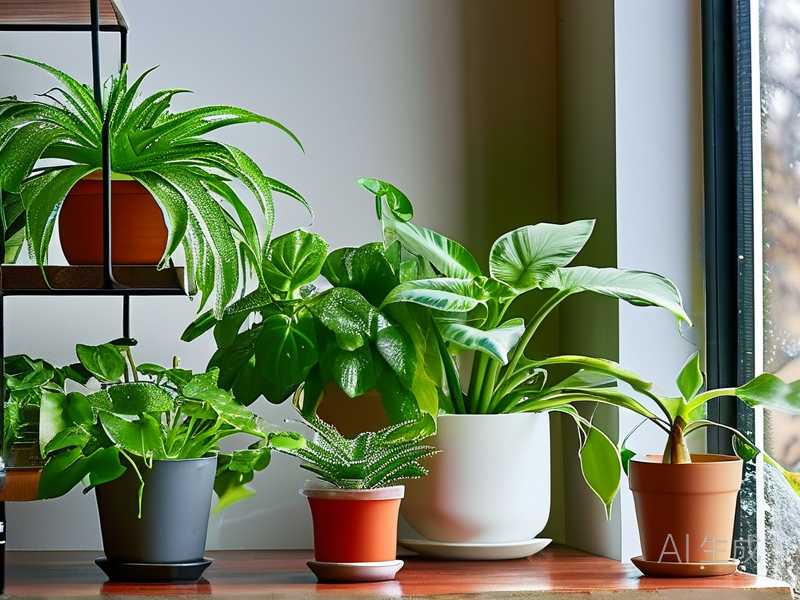
As a dedicated plant parent, I’ve always known that spider plant light exposure in winter is a game-changer. But theory is one thing; practice is another. When the days grew shorter, I noticed my usually vibrant Chlorophytum comosum, or spider plant, starting to look a bit lethargic. Its signature stripes were less defined, and new growth had nearly halted. The biggest question nagging at me was about placement: how much direct light is too much on a bright south-facing window during the colder months? To find the perfect balance, I decided to conduct a real-life, two-week experiment, tracking every detail. Here’s exactly what I did, what I learned, and how you can optimize your spider plant’s winter sunbathing routine.
Why Winter Light is a Different Beast for Spider Plants
We often hear spider plants are tolerant of low light. While true, “tolerant” doesn’t mean “thriving.” The Royal Horticultural Society (RHS) notes that for variegated varieties like the popular ‘Vittatum’, brighter indirect light is essential to maintain their striking leaf patterns. In summer, a south-facing window can be harsh, often requiring filtering. But in winter, the sun’s angle is lower, and its intensity is dramatically reduced. This changes everything. It becomes a precious resource rather than a threat. My goal was to leverage that weak winter sun to fuel growth without crossing the line into sunburn territory.
My Experimental Setup: The Two-Week Observation Plan
I selected two mature, healthy spider plants of the same variegated variety. Both had been living in bright, indirect light for months. For this test on optimal winter light for spider plants, I needed a controlled approach.
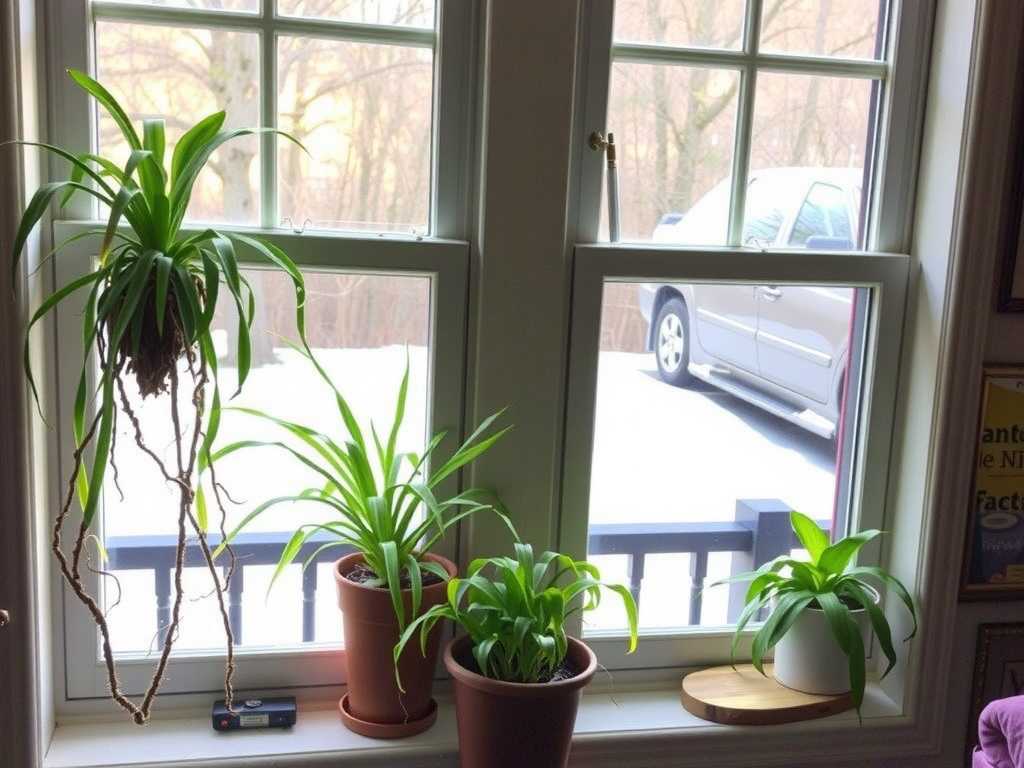
Plant A (The Experimental Subject): This plant was placed directly on the sill of my unshaded south-facing window. It would receive the maximum possible duration of direct sun on south-facing windows in my location—approximately from 10 AM to 3 PM during these short winter days.
Plant B (The Control): This plant was placed on a stand about 4 feet back from the same window, receiving bright but purely indirect light all day.
My commitment was to observe them daily for 14 days, noting changes in leaf color, texture, and any signs of new growth or stress. I watered both only when the top inch of soil was dry, using room-temperature water, to ensure moisture wasn’t a variable.
Week 1: Initial Reactions and Early Warning Signs
The first three days were uneventful. Plant A seemed to enjoy its sunny spot, perking up slightly during the peak light hours. However, by day four, I noticed the first “pitfall.” The very tips of a few older leaves on Plant A began to turn pale, almost bleached-looking. This wasn’t the typical brown, crispy tip from fluoride or underwatering; this was a distinct loss of pigment.
The Problem Identified: Even winter sun, when unfiltered and direct for several hours, can start to scorch the delicate tissues of spider plant leaves, especially if the plant wasn’t acclimated to such intensity. The American Horticultural Society’s (AHS) plant stress guide mentions that sudden increases in light can cause photobleaching before true burning occurs.
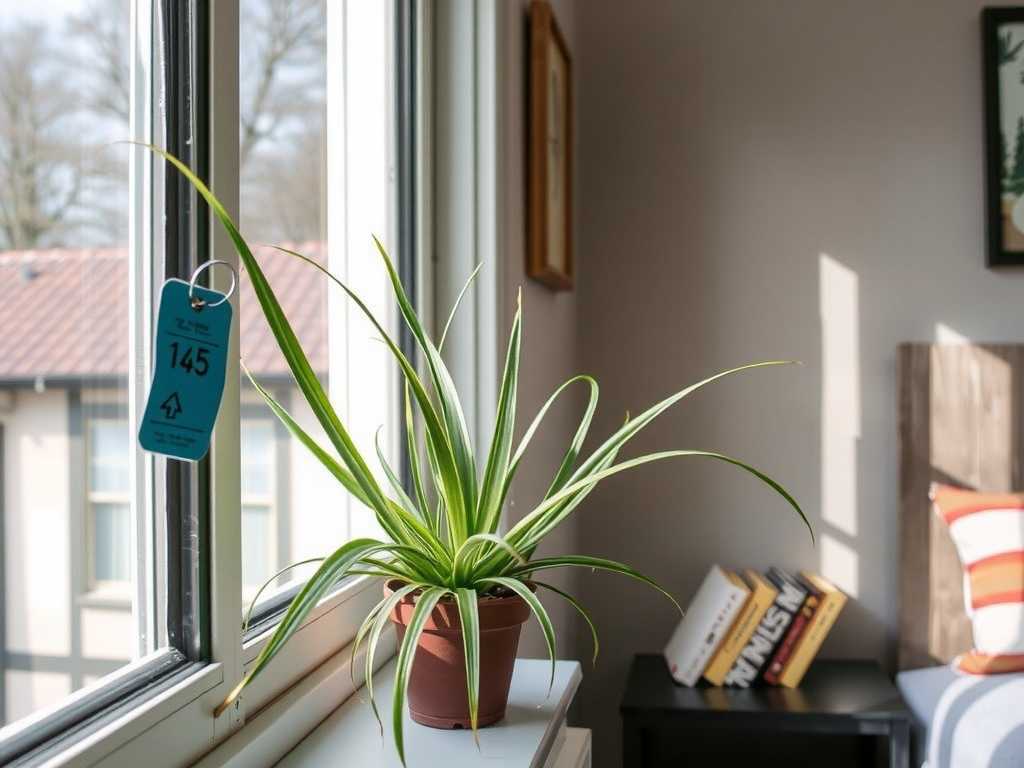
My Immediate Solution: I didn’t move the plant away entirely. Instead, I implemented a simple hack. I used a sheer, light curtain to diffuse the strongest midday rays. This created a “bright filtered” environment rather than harsh direct exposure. The placement on the south-facing windowsill remained, but the quality of light improved instantly.
Week 2: Adaptation and Visible Improvement
After adjusting the light with the sheer curtain, the progression of bleached tips stopped completely. Now, the positive effects began to shine through.
By day ten, the central crown of Plant A showed noticeable activity. Tiny, new leaf spears were emerging—a sign I hadn’t seen in weeks on my other plants. Furthermore, the white stripes on the existing leaves became more brilliant and sharply contrasted against the green. The plant was clearly photosynthesizing more efficiently.
Plant B, the control, remained healthy but static. Its color was good, but no new growth was evident. It was simply maintaining, not growing. This side-by-side comparison proved that the right amount of direct sunlight for Chlorophytum comosum in winter was a powerful growth catalyst.
Key Takeaways: Your Action Plan for Winter Spider Plant Light
Based on my two-week deep dive, here is a clear, step-by-step guide to managing your spider plant’s winter light.
1. Acclimatize Gradually: Don’t shock your plant. If moving it to a sunnier spot for winter, do it over a week. Start with an hour of direct morning sun, then increase daily.
2. Use Diffusion, Not Distance: A south-facing sill is prime real estate in winter. Instead of moving the plant back into the room, diffuse the light. A sheer curtain is perfect. It maximizes light duration while protecting against intensity.
3. Monitor the “Tattle-Tale” Tips: The leaf tips are your early warning system. Pale bleaching means too much direct sun. Adjust with diffusion immediately. Crispy brown tips are more likely related to water quality or humidity.
4. Rotate Regularly: With the light source coming from one direction, rotate your plant a quarter turn every time you water. This prevents it from leaning or growing lopsided as it reaches for the sun.
5. Don’t Forget Other Care Synergies: Winter light increases photosynthesis, which can slightly increase water uptake. Check soil moisture a bit more frequently, but always by feel, not schedule. Also, hold off on fertilizing; let the light do the work until early spring.
Common Spider Plant Winter Light Questions, Answered
Can my spider plant get too much light on a south window in winter? Yes, absolutely. As my experiment showed, even the weaker winter sun can cause photobleaching and scorch if exposure is too direct and prolonged, especially for an unacclimated plant. The key is diffusion, not necessarily duration.
My spider plant’s leaves are turning pale green overall, not just at the tips. What does this mean? This is likely a sign of insufficient light. The plant is producing more chlorophyll to try and capture more energy, diluting the variegation. Try moving it closer to a bright window or providing longer exposure to winter sunlight with the precautions mentioned.
Is artificial light a good substitute for winter sun? It’s an excellent supplement. If you lack a bright south-facing window, a standard LED grow light placed 6-12 inches above the plant for 10-12 hours a day can provide the necessary light requirements for variegated spider plants to maintain growth and color through the season.
Managing light is the most impactful thing you can do for your spider plant in the darker months. My two-week journey confirmed that these resilient plants don’t just want to survive winter—they can actively grow. The secret lies in harnessing the gentle power of the low-angled southern sun intelligently. By providing bright, filtered light for the majority of the day, you’ll be rewarded with vibrant variegation, steady new growth, and a plant that enters spring with vigor and strength. Remember, observe closely, adjust gently, and let your plant’s leaves tell you their story.