bluename
 spider plant Rain Protection in Summer: My DIY Rain Shelter Construction Journey
As a devoted spider plant enthusiast, I used to dread the summer forecast. My lush, variegated Chlorophytum comosum, thriving outdoors in dappled sunlight, would turn into a soggy, yellowing mess after heavy seasonal downpours. The issue wasn't just waterlogged soil; it was the relentless, direct impact of rain causing crown rot and washing away precious nutrients. I knew I needed a reliable spider plant rain protection system. After researching, I decided that building a dedicated rain shelter for outdoor cultivation was the most effective, hands-on solution. This is my detailed account of constructing that shelter, the two-week trial, the mistakes I made, and the ultimately thriving results.
Why Spider Plants Need a Summer Rain Shield
Many assume more water is always better, but for spider plants, summer rain is a double-edged sword. According to the Royal Horticultural Society (RHS), while spider plants enjoy consistent moisture, they are highly susceptible to root rot in poorly draining conditions. Summer storms provide far more water than their delicate root systems can process, especially in containers. The American Horticultural Society (AHA) also notes that excess moisture can leach essential fertilizers from the potting mix, leading to nutrient deficiencies. My goal was to create a structure that would protect outdoor spider plants from heavy rain, allowing me to control their hydration precisely.
Planning My DIY Rain Shelter: Materials and Design
I wanted a shelter that was functional, affordable, and aesthetically unobtrusive. My design was a simple lean-to structure using clear materials to allow light penetration.
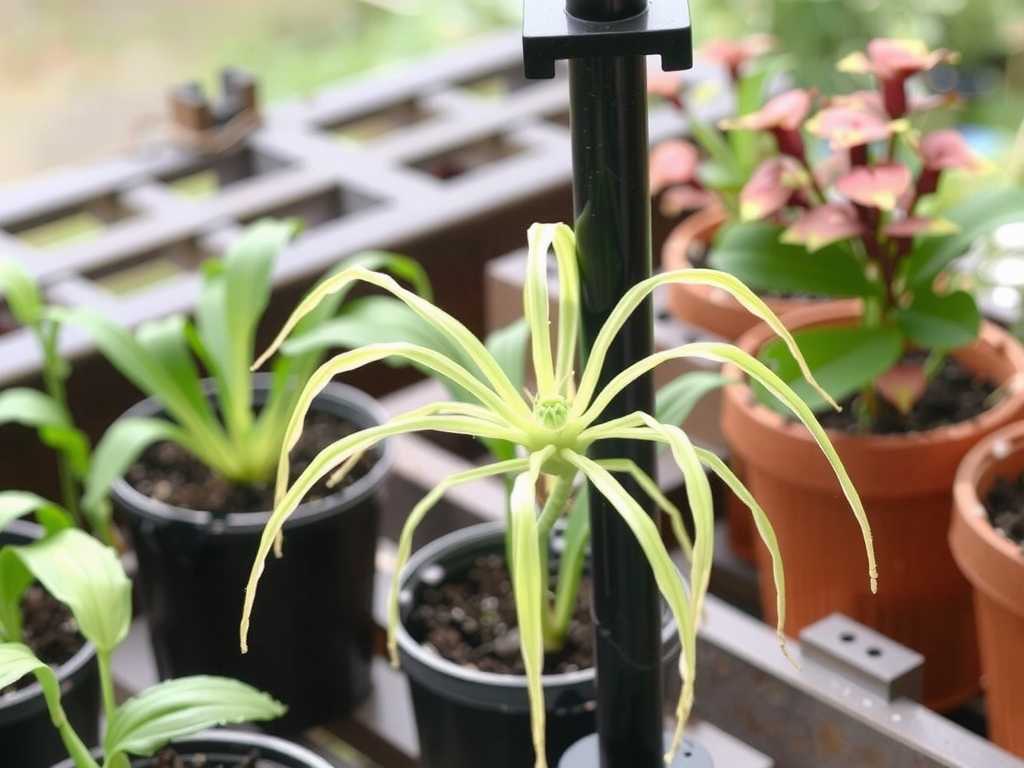
Materials I Gathered:
- Four 6-foot tall wooden stakes
- One 4 ft. x 6 ft. sheet of clear, corrugated polycarbonate roofing
- Galvanized screws and brackets
- Heavy-duty zip ties
- A post driver and drill
- A level
The core principle was to create a slanted roof that would deflect rainwater away from the plant cluster while maximizing light exposure. I chose a location against a fence that received bright, indirect light for most of the day—perfect for outdoor spider plant care in rainy seasons.
Step-by-Step Construction: The Build
Step 1: Site Preparation and Stake Installation. I cleared the area and arranged my potted spider plants in a group. I drove the four wooden stakes into the ground at the corners of this grouping, ensuring the two back stakes (against the fence) were about 6 inches taller than the front stakes. Using a level, I confirmed the tops of the front and back pairs were even. This height difference was crucial for creating the necessary slope for water runoff.
Step 2: Attaching the Roof Panel. With help, I lifted the clear polycarbonate sheet and positioned it on top of the stakes. The overhang was equal on all sides. I pre-drilled holes through the polycarbonate into the stake tops and secured it firmly using galvanized screws with rubber washers to prevent cracking and leaks. For extra stability, I added L-brackets underneath at each connection point.
Step 3: Reinforcement and Final Check. I used heavy-duty zip ties to secure the middle of the long sides of the panel to the fence, preventing any potential uplift in strong winds. I gave the entire structure a firm shake test—it held steady. Finally, I placed a rain gauge and a soil moisture meter under the shelter to begin my observation period.
The Two-Week Observation: Data and Dramatic Change
The timing was perfect. A week of intermittent, heavy showers followed the construction.
Week 1 Observations: After the first major storm, the difference was immediate. Under the shelter, my spider plants were dry on their foliage and crowns. The soil moisture meter read "moist" but not "wet," while an unprotected control plant I left out was completely saturated. Water beaded beautifully off the slanted polycarbonate roof and channeled away. I noticed the spider plants under protection began pushing out new, firm leaf tips within just three days.
Week 2 Observations: A second, more prolonged period of rain occurred. The protected plants continued to show vigorous growth. Their variegation appeared brighter, likely because nutrients weren't being washed away. The control plant, however, developed several yellowing leaves and its soil surface showed signs of algae growth—a classic sign of waterlogging. My data from the rain gauge confirmed the shelter was deflecting nearly 100% of direct rainfall from the plants' soil surface.
The Pitfalls I Encountered (And How I Fixed Them)
No project is without its hiccups. Here are the two main issues I faced:
1. The "Wind Tunnel" Effect: My initial design had the shelter's open sides parallel to a common wind direction. During a windy rainstorm, I noticed some driving rain was still reaching the pots. This was a flaw in my spider plant rain shelter construction plan.
- Solution: I attached removable side panels made from clear vinyl shower curtains to the two windward-facing open sides using hook-and-loop tape. These could be deployed during stormy weather and rolled up for ventilation on clear days, effectively shielding spider plants from storm damage.
2. Inadequate Light Penetration Concern: After a few cloudy days, I worried the polycarbonate was filtering too much light, as the area seemed dimmer.
- Solution: I used a simple light meter app on my phone to compare. To my relief, the light intensity under the clear shelter was only reduced by about 10-15%, well within the tolerant range for spider plants. The new growth was proof they were getting enough light. This reinforced the importance of using clear, not opaque or tinted, roofing materials.
Maintaining the Shelter and Plant Health
The shelter isn't a "set and forget" solution. Weekly, I check the stability of the stakes and clear any fallen debris or leaves from the roof to ensure maximum light transmission and proper water shedding. I also resumed my normal, deep-but-infrequent watering schedule, allowing the soil to dry out slightly between waterings. The plants under the shelter now dry evenly and predictably.
What is the best material for a spider plant rain cover? Clear polycarbonate is my top recommendation. It's durable, UV-resistant, and allows excellent light transmission. Avoid glass (safety hazard) or opaque materials that will shade your plants too much.
Can I use a patio umbrella instead of building a shelter? For one or two plants, a large patio umbrella can be a quick fix. However, it's less stable in strong winds and offers inconsistent coverage. For a dedicated collection or in areas with frequent storms, a fixed shelter provides more reliable protection for outdoor spider plants.
How do I water my spider plants when they are under a rain shelter? You water them as you normally would—when the top inch of soil feels dry. The shelter prevents overwatering by rain but doesn't eliminate the plant's need for water. In fact, it gives you complete control, which is ideal. During my two-week test, I watered only once, as the ambient humidity was high enough.
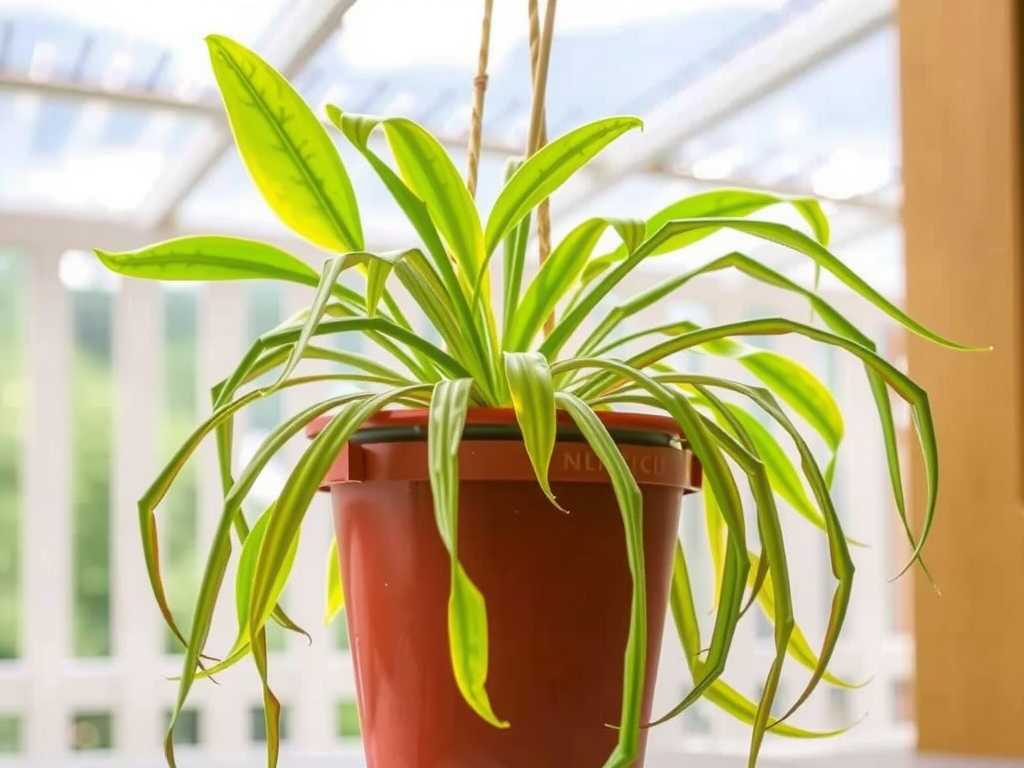
Building this rain shelter transformed my summer spider plant care. It moved me from a reactive position, worrying about weather forecasts, to being in proactive control of their environment. The structure is simple, cost-effective, and the results speak for themselves: healthier plants, zero rain-related rot, and continuous vibrant growth even during the wettest weeks. If you're serious about outdoor spider plant cultivation, investing a little time in a custom rain shelter is the most rewarding step you can take.