bluename
 spider plant Repotting in Spring: Old Soil Disposal and New Soil Selection
Spring is here, and my spider plants are screaming for a new home. If you're like me, you've noticed the roots peeking out of the drainage holes, or maybe the growth has just stalled. That's the clear signal: it's repotting time. But here’s the real dilemma every plant parent faces—what on earth do I do with the old, exhausted soil, and how do I choose the right new mix to ensure my spider plant thrives? This spring, I decided to tackle spider plant repotting head-on, documenting every step, the results over two weeks, and, of course, the inevitable hiccups along the way.
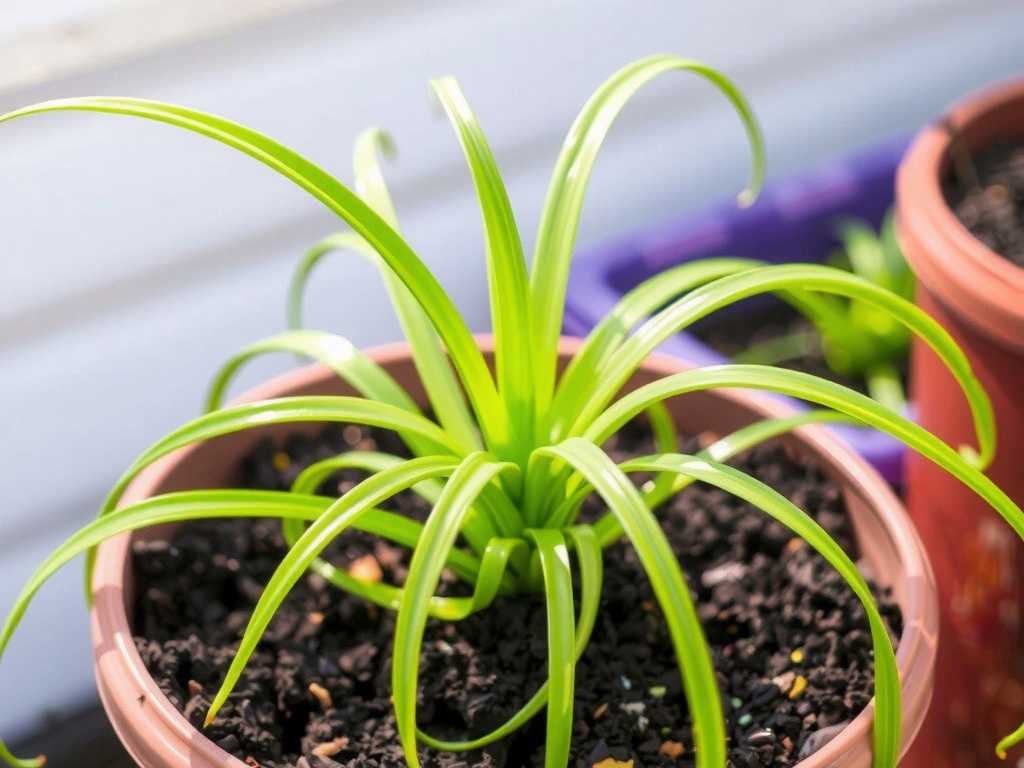
Why Spring is the Perfect Time for This Task
Repotting in spring aligns with the spider plant's natural growth cycle. As daylight increases, the plant emerges from its winter rest and is ready to put energy into new growth. Repotting now gives it fresh resources right when it needs them most. I learned from resources like the Royal Horticultural Society (RHS) that disturbing roots during active growth allows for quicker recovery compared to the dormant winter period. It’s about working with nature’s rhythm, not against it.
The Great Soil Dilemma: Out with the Old
My first challenge was the mountain of old soil. You can't just reuse it—it’s likely depleted of nutrients and could harbor pests or disease. Dumping it in the garden felt wasteful, and tossing it in the trash seemed environmentally wrong.
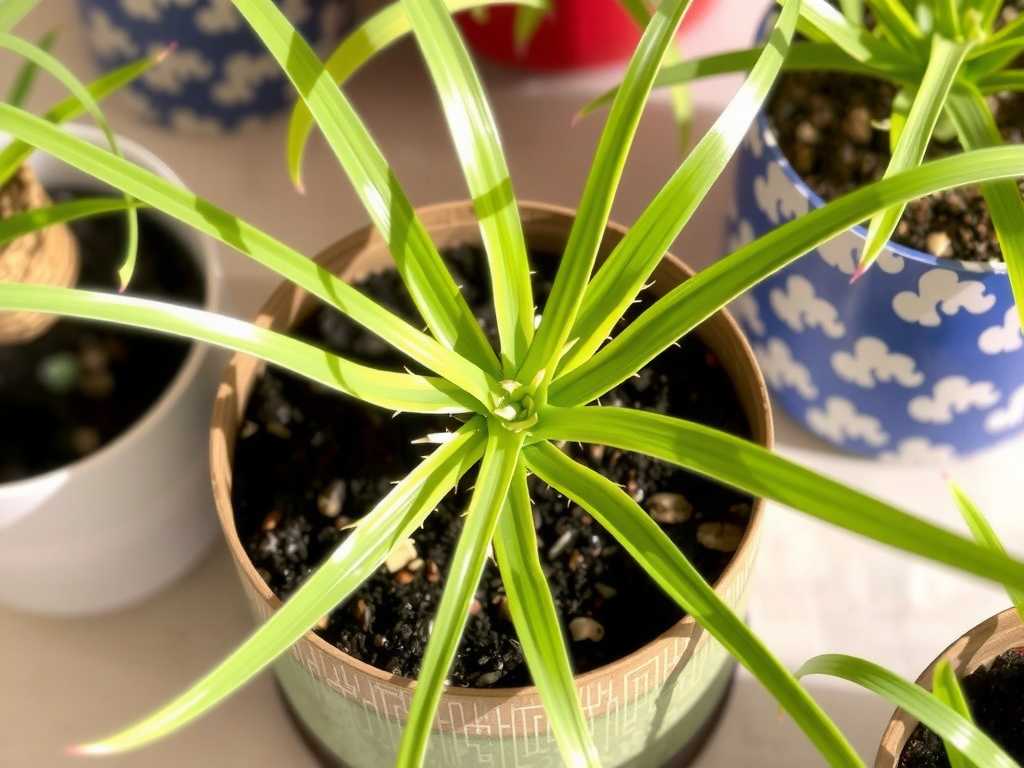
My Step-by-Step Old Soil Disposal Process:
- Inspection: I gently removed the spider plant from its pot and shook off the old soil into a large tray. I carefully inspected it for any signs of fungus gnats, mold, or root rot. This batch looked okay—just very dry and compacted.
- The Compost Pile Solution: For uncontaminated soil, the best method I found is to add it to a compost pile. I mixed it in with my existing brown and green materials. The old soil acts as a "brown" carbon-rich element and will eventually break down into wonderful new compost. The RHS confirms this is a sustainable way to recycle old potting mix.
- Non-Compost Option: For a smaller amount, I spread some thin layers over vacant spots in my ornamental garden beds. It’s not for growing new plants directly, but it can help improve the structure of native soil over time.
The Pitfall I Hit: I initially tried to sift and sterilize a batch in the oven. It was a messy, time-consuming process that made my kitchen smell like a damp forest. The solution was simple: I stopped overcomplicating it. For home growers, composting or dispersing in non-critical garden areas is perfectly adequate and far less hassle.
Choosing the Champion Mix: In with the New
Selecting new soil is critical. Spider plants need a mix that drains exceptionally well to prevent rot but retains enough moisture to support their fast growth. They prefer a slightly acidic to neutral pH.
My New Soil Selection Criteria & Recipe:
I wanted a mix that provided aeration, drainage, and steady nutrition. After cross-referencing advice from the American Horticultural Society (AHS) and my own experience, I settled on a DIY blend:
- Base (50%): A high-quality, all-purpose potting mix. This provides a reliable, sterile foundation.
- Aeration & Drainage (30%): Perlite. This is non-negotiable. It keeps the soil light and prevents compaction, ensuring oxygen reaches the roots.
- Moisture Retention & Structure (20%): Coconut coir. I prefer it over peat moss for sustainability. It holds water well but doesn’t become soggy.
For a boost, I mixed in a handful of worm castings—a gentle, organic source of nutrients that won’t burn the tender new roots post-repotting. This spider plant soil mix is designed to mimic the well-draining conditions they crave.
The Repotting Process: A Gentle Transition
With my old soil dealt with and my new mix prepared, it was time for the main event.
My Hands-On Steps:
- Preparation: I gathered my new pot (only 1-2 inches larger in diameter), fresh soil mix, scissors, and a trowel. I watered the spider plant lightly a day before to reduce transplant shock.
- The Extraction: I tipped the pot sideways, supported the plant's base, and gently coaxed it out. The root ball was a dense, tangled mass—a true "spider plant root bound" situation.
- Root Care: I didn’t aggressively tear the roots apart. Instead, I used my fingers to gently loosen the outer root network and untangle some of the larger coils. I trimmed away any dry or mushy roots with clean scissors.
- The New Home: I placed a layer of fresh mix in the new pot, set the plant in so the base sat just below the rim, and filled in around the sides, gently firming the soil to eliminate large air pockets.
- The First Drink: I gave it a thorough, deep watering until it flowed freely from the drainage hole. This helped settle the soil around the roots.
Two-Week Observation: The Proof is in the Growth
I placed the repotted plant back in its original bright, indirect light spot and resisted the urge to over-care.
- Week 1: The plant looked a little weary—a few older leaves showed slight yellowing. This is normal transplant stress. I simply ensured the soil was lightly moist and provided good humidity.
- Week 2: The turnaround was remarkable! The slight droopiness was gone. I spotted not one, but three new, vibrant green shoots (spiderettes) emerging from the base. The existing foliage looked perkier and more rigid. The new, well-draining soil for repotting spider plants was clearly doing its job—the top inch dried out appropriately between waterings, with no signs of sogginess at the root zone.
Common Questions Answered
Can I use regular garden soil for my spider plant? Absolutely not. Garden soil is too dense, drains poorly in containers, and can introduce pests and diseases. It will compact quickly, suffocating the roots. A lightweight, soilless potting mix is essential for healthy container growth.
How do I know if my spider plant is root-bound? The most obvious signs are roots growing out of the drainage holes, water running straight through the pot without being absorbed, and a plant that dries out extremely quickly or has stopped growing despite good care. When you slide it out of the pot, you'll see a solid web of roots circling the exterior of the soil ball.
Should I fertilize right after repotting? Wait. Fresh potting mix often contains some nutrients, and the roots are sensitive. Fertilizing immediately can cause burn. I waited a full 4 weeks after repotting before applying a balanced, diluted liquid fertilizer, and my plant responded with even more vigorous growth.
Repotting your spider plant in spring doesn't have to be a mystery. By responsibly disposing of the old soil, carefully selecting or blending a well-draining new mix, and handling the roots with care, you set the stage for a spectacular season of growth. My two-week experiment confirmed that getting these fundamentals right minimizes stress and maximizes the plant's natural resilience. Seeing those new spiderettes push through was all the reward I needed. Now, my plant isn't just surviving in its pot—it's truly thriving.