 admin
admin Spider Plant Runner Propagation: The Ultimate Guide to Transplanting Offshoots (2cm vs. 3cm Depth)
You’ve successfully nurtured your spider plant, and now it’s rewarding you with a cascade of beautiful runners and baby offshoots. The excitement is real! But now comes the critical moment: transplanting these little “spiderettes.” A wave of uncertainty hits. How deep should you plant them? Bury them too shallow, and they might dry out or fail to root properly. Plant them too deep, and you risk rot, suffocation, and losing your precious new plants. This tiny detail—the planting depth—can be the difference between thriving propagation and disappointing failure.
This guide cuts through the guesswork. We’ll dive deep into the science and practical art of transplanting spider plant offshoots, with a special focus on the 2cm versus 3cm depth debate. By understanding the “why” behind the “how,” you’ll gain the confidence to propagate like a pro.
Understanding Spider Plant Runners and Offshoots
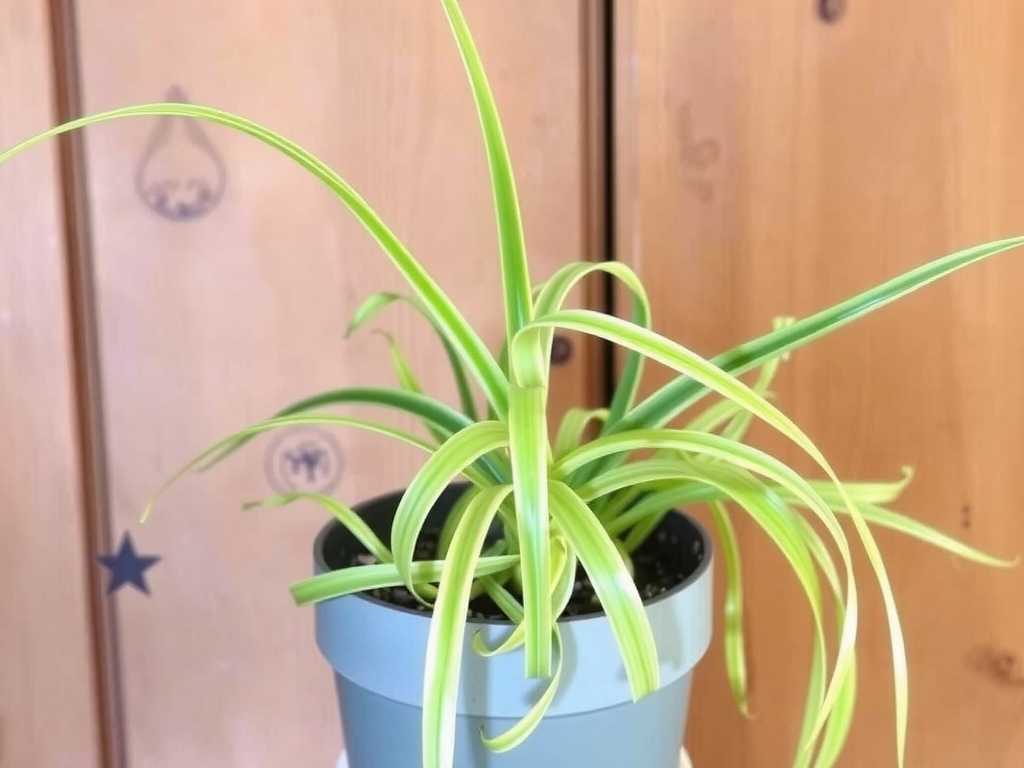
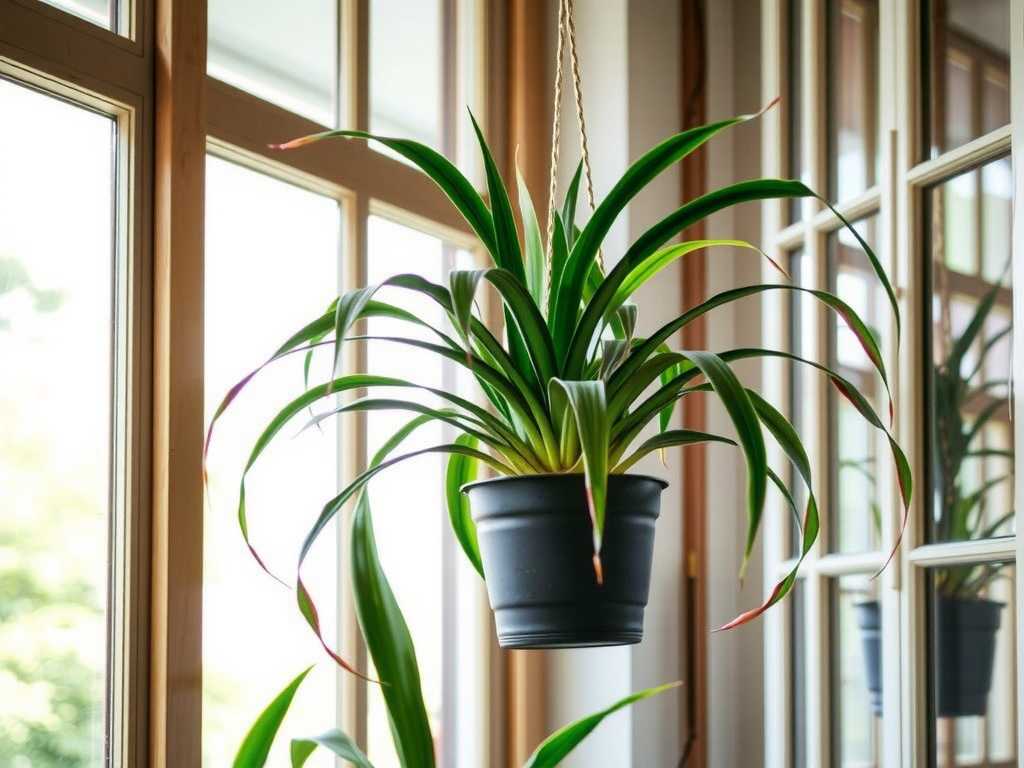
Before we talk about depth, let’s understand what we’re working with. Those long, arching stems are called stolons or runners. Their sole purpose is to produce new plantlets, known as offshoots or spiderettes. These babies are complete plants in miniature, often developing tiny aerial roots while still attached to the mother.
The goal of propagation is to encourage these offshoots to develop a robust, independent root system in soil. The transplanting depth plays a pivotal role in triggering this root growth while keeping the plantlet healthy.
The Great Depth Debate: 2cm vs. 3cm for Spiderette Planting
This is the heart of the matter. Both depths are commonly recommended, but they serve slightly different purposes and suit different conditions. Let’s break down the pros and cons of each.
The Case for a 2cm (Approx. 1 inch) Planting Depth
A shallower planting, around 2cm deep, is often the safer and most recommended starting point, especially for beginners or for offshoots with smaller root nubs.
- Promotes Oxygen Flow: The crown of the plant (where the leaves meet the base) is kept above or just at the soil line. This prevents moisture from being trapped against the tender tissue, significantly reducing the risk of crown rot, a common killer of young plants.
- Encourages Root Search: When planted shallowly, the base of the offshoot is in contact with moist soil, but the plant is subtly encouraged to send roots downward in search of stability and water. This can promote a strong, downward-growing root system.
- Ideal for Water-Rooted Spiderettes: If you started your offshoot in water and have a bunch of long, delicate water roots, a 2cm depth is often better. It allows you to gently spread those water roots horizontally in the soil without having to bury them too deeply, easing their transition from water to soil.
- Better for Denser Soils: If your potting mix is heavier or retains more moisture, a shallower depth helps compensate by keeping the vulnerable crown in a drier zone.
The Case for a 3cm (Approx. 1.2 inches) Planting Depth
A slightly deeper planting, around 3cm, can be advantageous in specific scenarios and is favored by some experienced growers.
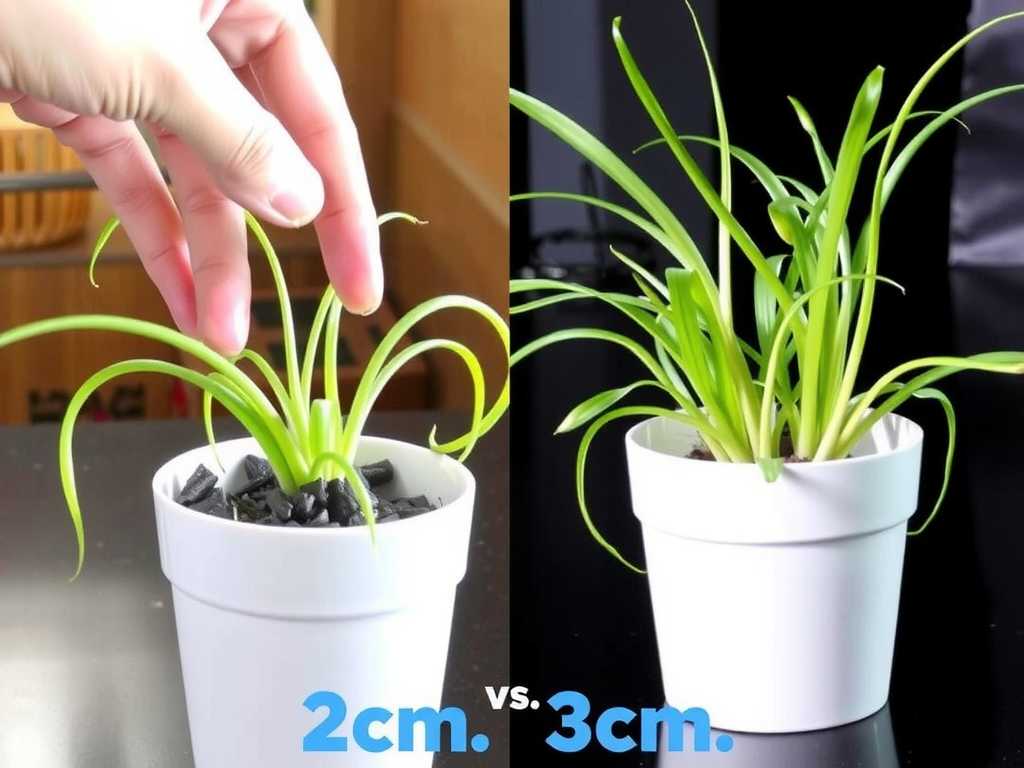
- Enhanced Initial Stability: The extra centimeter of soil coverage provides better physical support for the offshoot, preventing it from wobbling or being dislodged. This is helpful for larger, top-heavy spiderettes.
- Improved Moisture Access: In very dry, warm, or air-conditioned environments, the deeper placement puts the base of the plant closer to a consistently moist layer of soil, protecting it from drying out too quickly between waterings.
- Stimulates Rooting from the Stem: The slightly buried stem can develop additional adventitious roots along its length, potentially creating a more extensive root network. Horticulturist Dr. Linda Chalker-Scott notes that many plants readily form roots from stem tissue when provided with the right moist, dark conditions.
- Best for Well-Draining Mixes: If you use an exceptionally airy, fast-draining propagation mix (e.g., heavy in perlite or coarse sand), the 3cm depth ensures the plantlet’s base maintains contact with moisture without the risk of sogginess.
The Verdict: Which Depth Should You Choose?
There is no single absolute rule, but a tailored approach yields the best results. Consider this decision tree:
- Assess Your Offshoot: Does it have prominent aerial roots or did it come from water propagation? Start with 2cm.
- Assess Your Environment: Is your home very dry and warm? Consider 3cm. Is it humid or do you tend to overwater? Opt for 2cm.
- Assess Your Potting Mix: Is it a standard, well-draining potting mix? 2cm is perfect. Is it a super chunky, airy cactus/succulent blend? 3cm may be better.
For most home gardeners using a standard indoor potting mix, planting with the base of the spiderette about 2cm deep is the ideal and safest standard practice. The 3cm depth is a useful tactical adjustment for specific conditions.
Your Step-by-Step Guide to Perfect Transplantation
Now, let’s put this knowledge into action with a foolproof process.
Step 1: Preparation is Key Gather a small pot (5-8cm is ideal) with excellent drainage holes. Prepare a well-draining potting mix. A 50/50 blend of standard potting soil and perlite is perfect. Moisten the mix so it’s damp like a wrung-out sponge, not soggy.
Step 2: Separating the Offshoot Using clean, sharp scissors or pruners, cut the runner connecting the offshoot to the mother plant. Leave about 2-3cm of the runner attached to the spiderette; you can trim it later after it’s established.
Step 3: The Planting Moment Fill your pot partway with soil. Hold the spiderette so its base (and any roots) rests on the soil surface. Gently add soil around it. Aim to cover the base and any visible root nubs, but keep the leafy crown completely above the soil. Firm the soil lightly for support.
Step 4: The Critical Aftercare Water lightly to settle the soil. Place the pot in a location with bright, indirect light—no direct sun, which can scorch it. Maintain consistent, slight moisture. The top centimeter of soil can dry out before watering again. Resist the urge to tug on the plant to check for roots; give it 2-4 weeks to establish.
Signs of Success and Troubleshooting
- Success: New growth emerging from the center is the clearest sign. Gently resisting a slight pull indicates root establishment.
- Too Shallow (Symptoms): The offshoot is wobbly, dries out extremely fast, or the leaves may wilt persistently.
- Too Deep (Symptoms): The center leaves turn yellow or brown and feel mushy (rot). Growth is completely stalled.
- The Fix: If you suspect the wrong depth, it’s okay to gently lift the spiderette and replant it at a more appropriate level. It’s a learning process!
Can I plant multiple spider plant offshoots in one pot? Absolutely! Planting 3-4 offshoots in a larger pot (10-15cm) is a fantastic way to create a instantly lush, full plant. Just ensure each has a little space and is planted at the correct 2cm depth for best results.
How long does it take for a transplanted offshoot to root? In ideal conditions, you can expect new roots to begin forming within 1-2 weeks, with solid establishment in 3-4 weeks. The appearance of new leaf growth is the best confirmation.
Should I use rooting hormone on spider plant offshoots? While spider plants root easily without it, a mild rooting hormone powder can be used on the base if desired. It may speed up the process slightly, especially for offshoots with no visible root nubs. It’s helpful but not necessary.
Mastering the transplanting depth of your spider plant runners is a small detail with a huge impact. By choosing the 2cm depth as your reliable baseline and understanding when to adjust to 3cm, you equip yourself with the knowledge to ensure every spiderette has the best start in life. Remember, the key lies in balancing moisture and air around the plant’s crown. Observe your plant’s response, and you’ll soon be sharing your own thriving spider plant babies with friends and family, confident in your propagation skills.

发表评论