 admin
admin Spider Plant Annual Propagation Plan: Key Propagation Methods for the First Quarter
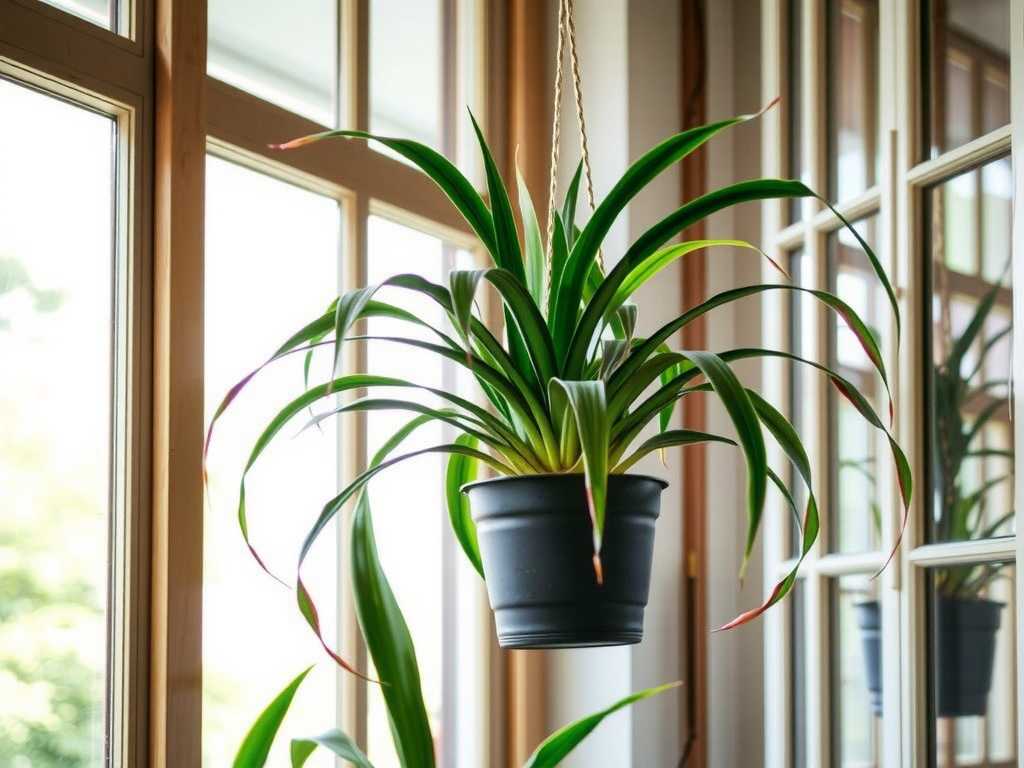
Is your spider plant looking a bit too comfortable? Perhaps it’s bursting from its pot, sending out a forest of arching stems, or the once vibrant green has faded to a tired yellow. As the new year begins, many indoor gardeners face a common dilemma: what to do with a mature, overgrown spider plant. The solution isn't just pruning; it's strategic propagation. The first quarter of the year presents a unique, golden opportunity to multiply your spider plants successfully. This Spider Plant Annual Propagation Plan is designed to guide you through the most effective methods to use between January and March, turning one crowded plant into a thriving collection. By acting now, you leverage the plant's natural growth cycle, ensuring robust, healthy offspring ready to flourish in the coming spring and summer months.
Why the First Quarter is Prime Time for Spider Plant Propagation
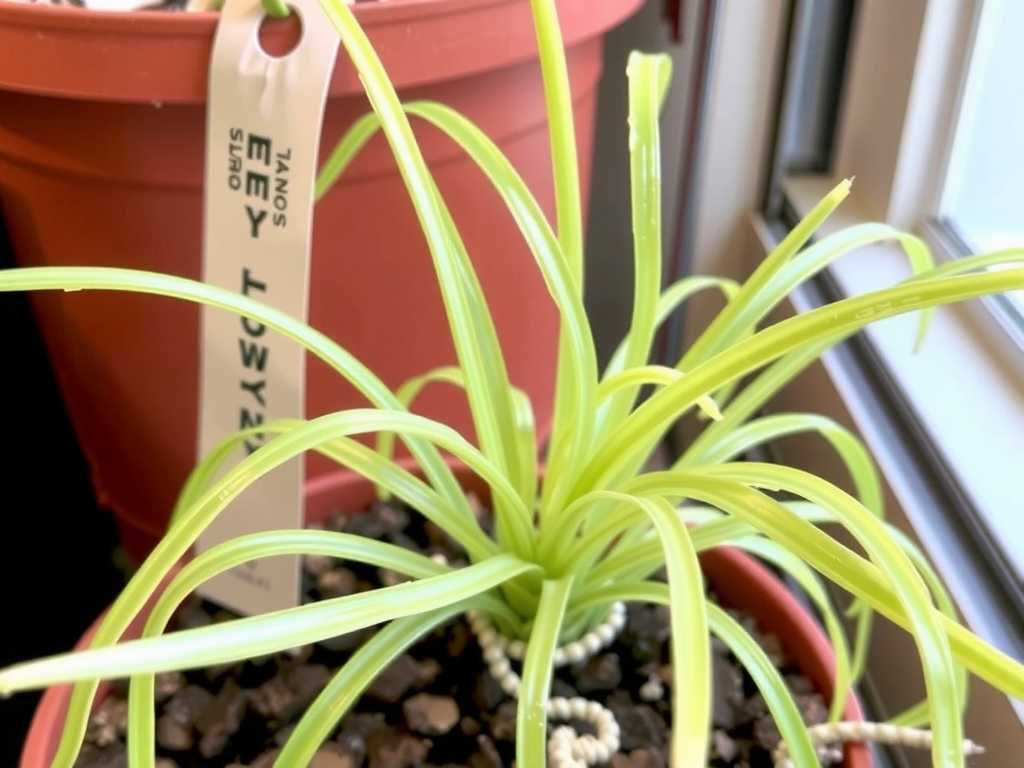
Timing is everything in gardening, and for spider plants (Chlorophytum comosum), the late winter to early spring window is critical. During January and February, indoor plants, while perhaps not in explosive growth, are beginning to respond to the gradually lengthening daylight hours. This period of awakening is ideal for propagation because the plant is shifting its energy reserves towards new growth. As noted in the Journal of Commercial Horticulture, many herbaceous perennials exhibit a natural surge in root-generating hormones during this pre-spring phase.
Starting your propagation project now allows the new plantlets, or spiderettes, to establish their own root systems in a controlled indoor environment before the active growing season. By the time April arrives, your propagated spider plants will be well-rooted and acclimated, ready to handle repotting, outdoor transitions (if desired), or simply a period of vigorous foliage development. This proactive approach solves the core problem of leggy, root-bound parent plants and sets you up for a year of lush, green abundance.
Essential Pre-Propagation Checklist: Setting the Stage for Success
Before you snip a single stem, preparation is key. Ensuring your parent plant and tools are ready will dramatically increase your success rate.
- Assess the Parent Plant's Health: Only propagate from a vigorous, disease-free spider plant. Check for signs of pests like aphids or mealybugs, and ensure the leaves are predominantly firm and green. A stressed plant will produce weaker offspring.
- Gather Your Tools: You will need clean, sharp scissors or pruning shears. Sterilize them with rubbing alcohol to prevent transmitting any disease. Prepare your propagation vessels: small pots or glasses for water propagation, and fresh, well-draining potting mix for soil starts.
- Choose the Right Medium: A lightweight, peat-based potting mix amended with perlite is perfect for soil propagation. For water propagation, room-temperature, filtered water is best to avoid chlorine shock.
Core Method 1: Propagating Spider Plantlets in Water
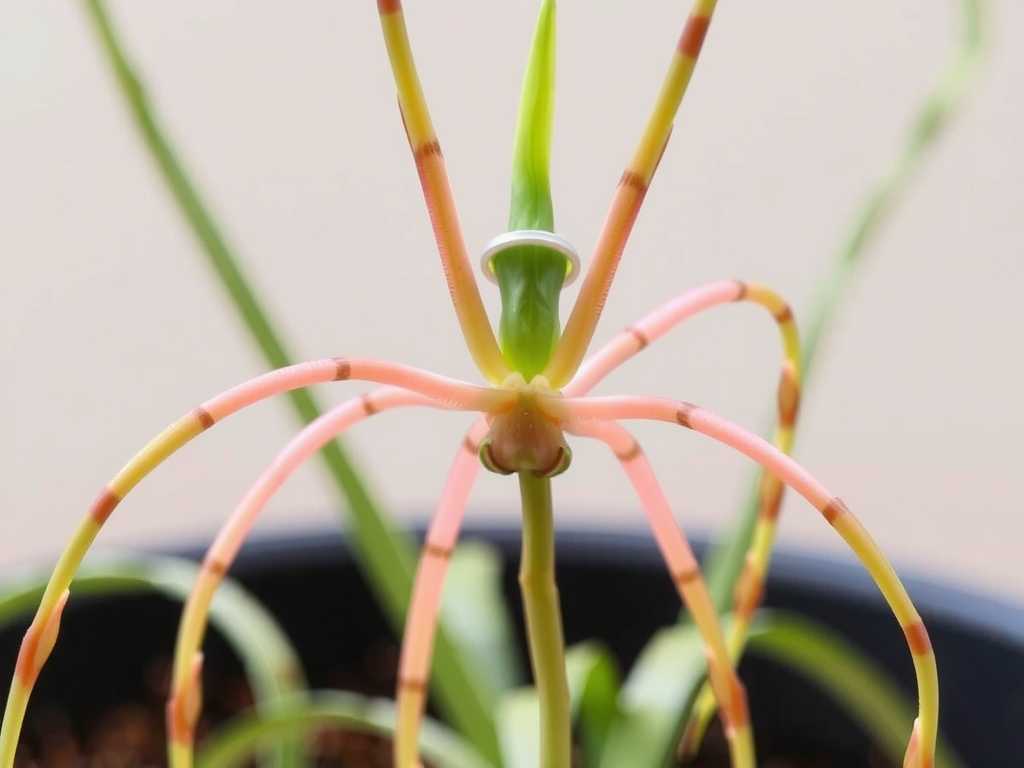
This is the most popular and visually rewarding method, perfect for beginners. It allows you to watch the roots develop in real-time.
Step-by-Step Guide to Water Propagation
First, identify a mature spiderette on a long, arching stem (called a stolon). Look for one that has already begun to form tiny nubs at its base; these are pre-roots. Using your sterilized shears, cut the spiderette from the stolon, leaving a small section of the stem attached to the baby plant.
Next, fill a small glass or jar with water. Remove any leaves that would sit below the waterline to prevent rot. Place the spiderette in the water so that only the base is submerged. The leafy part must remain completely dry and above the water.
Position the glass in a location with bright, indirect light. Avoid direct sunlight, which can overheat the water and encourage algae growth. Change the water every 3-5 days to keep it fresh and oxygenated. Within 7-14 days, you should see white, thread-like roots beginning to emerge and grow.
Transitioning to Soil After Root Development
Once the roots are at least 1-2 inches long, your new spider plant is ready for soil. Gently plant it in a small pot with moist, well-draining potting mix. Water it lightly to settle the soil around the roots. For the first week or two, keep the soil slightly more moist than usual to help the roots adapt from water to soil, then transition to a regular watering schedule. This method of propagating spiderettes in water is highly reliable and educational, making it a cornerstone of any first-quarter propagation plan.
Core Method 2: Direct Soil Propagation for Faster Establishment
For a "no-transition" method that often leads to faster overall growth, planting spiderettes directly into soil is an excellent technique. This approach mimics how spider plants propagate in the wild.
How to Propagate Spider Plant Offshoots in Pots
Select a healthy spiderette, just as you would for water propagation. Instead of placing it in water, prepare a small pot (3-4 inches in diameter) with pre-moistened potting mix. You can use a pencil to make a small hole in the center.
Here’s a proven tip: while the spiderette is still attached to the mother plant via the stolon, pin it down onto the soil of a nearby pot using a bent paperclip or a piece of floral wire. Keep this soil moist. The spiderette will root into this new pot while still receiving nutrients from the parent plant—a technique known as "layering." After 2-3 weeks, once you feel resistance indicating roots have formed, sever the stolon connecting it to the mother. This layering method significantly reduces transplant shock.
If you prefer to detach the spiderette first, simply plant the base into the prepared hole, firm the soil gently around it, and water. To create a humid microclimate that encourages rooting, you can cover the pot loosely with a clear plastic bag for the first week, removing it for an hour each day for air circulation.
Optimal Care for Newly Potted Spiderettes
Place your potted spiderettes in a warm spot with bright, indirect light. Water when the top inch of soil feels dry. The key advantage of this direct soil propagation method is that the plant develops a root system adapted to soil from the outset, eliminating the acclimation phase required after water propagation.
Advanced Technique: Division of Mature Spider Plants
For a spider plant that is severely root-bound or exceptionally large, division is the most impactful propagation method. This not only creates new plants but also rejuvenates the original.
When and How to Divide a Root-Bound Spider Plant
The best time for division is in late February or early March, just as growth is resuming. Carefully remove the entire plant from its pot. You will likely see a dense mass of thick, tuberous roots. Gently tease the root ball apart with your fingers, identifying natural separations or "clumps" of leaves with their own root sections.
Using your clean, sharp knife, you can cut through the root mass to separate these clumps. Ensure each new division has a healthy amount of both roots and foliage. Shake off some of the old soil and trim any black or mushy roots.
Post-Division Care and Recovery
Repot each division into a container only slightly larger than its root system, using fresh potting mix. Water thoroughly to settle the soil. Place the divisions in a shaded, sheltered location for 1-2 weeks to recover from the shock before moving them back to their usual bright spot. This process of dividing mature spider plants instantly gives you several full-sized, established plants, effectively hitting the reset button on an overgrown specimen.
Troubleshooting Common First-Quarter Propagation Issues
Even with the best plan, you might encounter hurdles. Here’s how to address them.
- Spiderettes Rotting in Water: This is usually caused by submerging too much of the plant. Ensure only the bare base is in water, and change it frequently. If rot appears, trim the affected area and start with fresh water.
- Slow or No Root Growth: Insufficient light or cool temperatures can stall rooting. Move your propagation station to a warmer, brighter location (but not in direct sun). Patience is also key; some varieties root slower than others.
- Yellowing Leaves on New Propagations: This can signal overwatering in soil-propagated plants. Let the soil dry out a bit more between waterings. For water propagations, it may indicate a nutrient deficiency, confirming the need to pot it up once roots are established.
Can I propagate a spider plant from a single leaf without a stem? No, successful propagation requires a node—the small bump at the base of a spiderette where roots emerge. A leaf alone lacks this tissue and will not develop into a new plant.
How long does it take for a propagated spider plant to produce its own babies? A new spider plant grown from a spiderette typically needs to reach maturity, which can take 1 to 2 growing seasons under optimal care, before it begins sending out its own stolons and offshoots.
What is the single most important factor for successful first-quarter propagation? Consistent warmth and bright, indirect light are paramount. Spider plants are resilient, but root development slows significantly in cool, dim conditions. Providing a stable, warm environment mimics their ideal growing season and ensures your propagation efforts yield strong, healthy plants ready for the year ahead.
By following this structured Spider Plant Annual Propagation Plan for the first quarter, you transform the challenge of an overgrown plant into a rewarding opportunity. Whether you choose the clarity of water propagation, the efficiency of direct soil planting, or the renewal of division, each method empowers you to expand your indoor garden. With your new, healthy plants established by spring, you’ll enjoy the cascading beauty of spider plants throughout your home for the entire year.

发表评论