 admin
admin Spider Plant Seed Propagation: Mastering Seedling Tray Use and Ventilation Management
Have you ever carefully sown your spider plant seeds, only to watch in frustration as your seedlings damp off, grow weak and leggy, or simply fail to thrive? The dream of lush, variegated spider plants cascading from your shelves can quickly wilt when the critical early stages go wrong. Often, the culprit isn't the seed's viability, but the overlooked microenvironment within the seedling tray. Mastering the dual arts of spider plant seed propagation and the precise management of your seedling tray's environment—especially ventilation—is the key to transforming those tiny seeds into vigorous, healthy plants.
This guide delves deep into the practical science of using seedling trays for spider plants, moving beyond basic "how-to-sow" instructions to focus on the nuanced care that ensures success. We will equip you with the knowledge to create the ideal nursery for your spider plant babies.
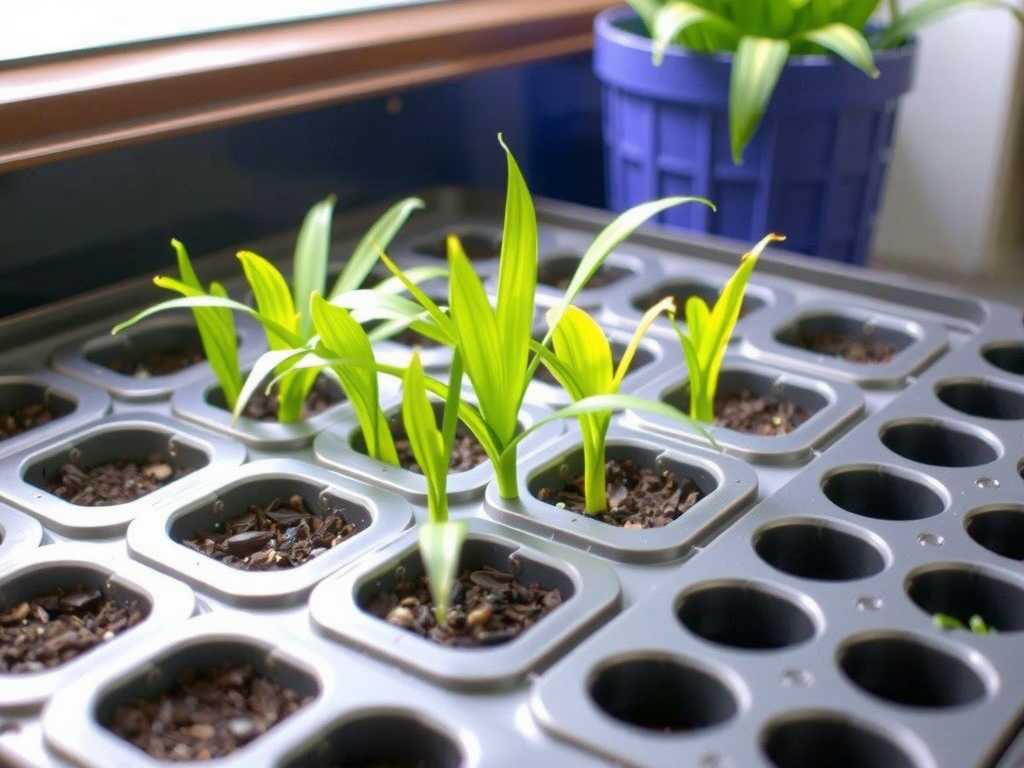
Understanding the Seedling Tray: Your Propagation Command Center
A seedling tray is more than just a container; it's a controlled ecosystem for the most vulnerable stage of a plant's life. For spider plant seeds, which are relatively small and require consistent moisture to germinate, the tray system is ideal. It allows for efficient space management, uniform watering from below, and, crucially, controlled humidity and air flow.
Choosing the right tray is your first step. Opt for trays with a clear, vented humidity dome. The dome is essential for maintaining high humidity during germination, but the vents are your primary tool for managing ventilation in seedling trays, a factor we will explore in detail. Trays with individual cells prevent root tangling and make transplanting less stressful for the young seedlings. Ensure your trays are clean and sterile before use to prevent fungal diseases; a wash with a 10% bleach solution is a common expert-recommended practice.
The Step-by-Step Process: Sowing and the Germination Phase
Begin by filling the tray cells with a premium, sterile seed-starting mix. Avoid heavy potting soils, as they compact easily and hinder delicate root growth. Moisten the mix thoroughly before sowing; it should be damp like a wrung-out sponge, not soggy.
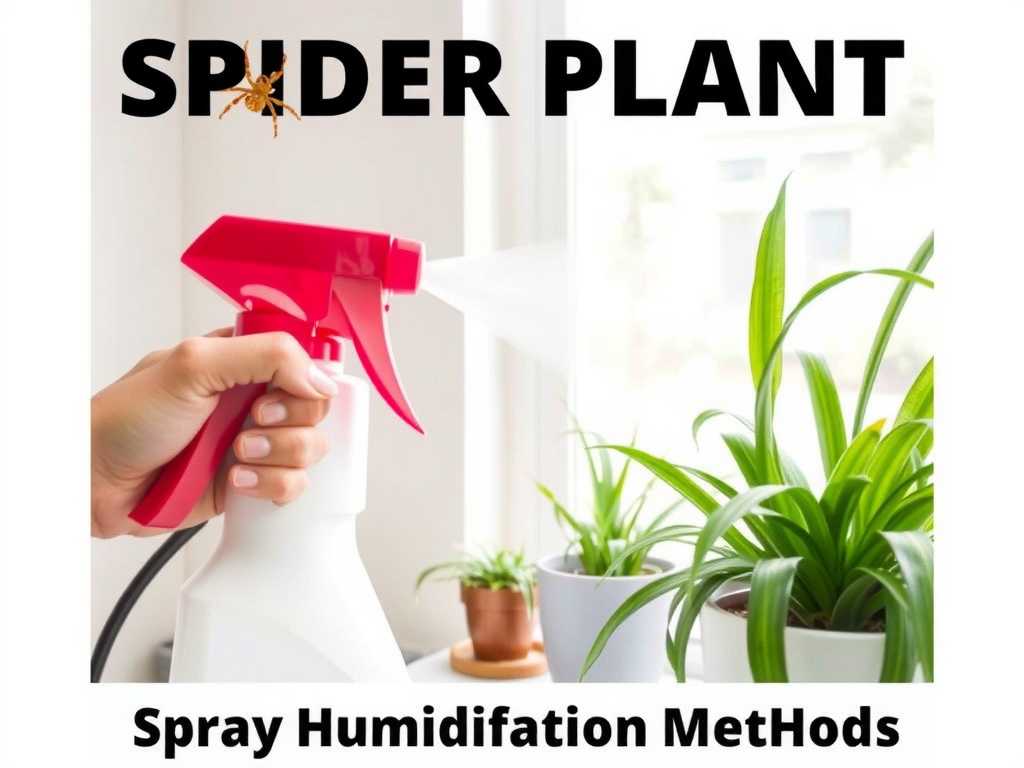
Spider plant seeds should be sown on the surface of the mix. Due to their size, simply press them gently onto the soil without covering them, as they require light for germination. Mist the surface lightly with a spray bottle to settle the seeds.
This is where humidity management begins. Place the clear dome over the tray, ensuring the vents are initially closed. This creates a miniature greenhouse, trapping moisture and warmth—conditions spider plant seeds love. Place the tray in a warm location (70-75°F or 21-24°C is ideal) with bright, indirect light. A heating mat underneath can provide consistent bottom heat, speeding up germination, which typically takes 2-4 weeks.
The Critical Shift: Post-Germination Ventilation and Airflow
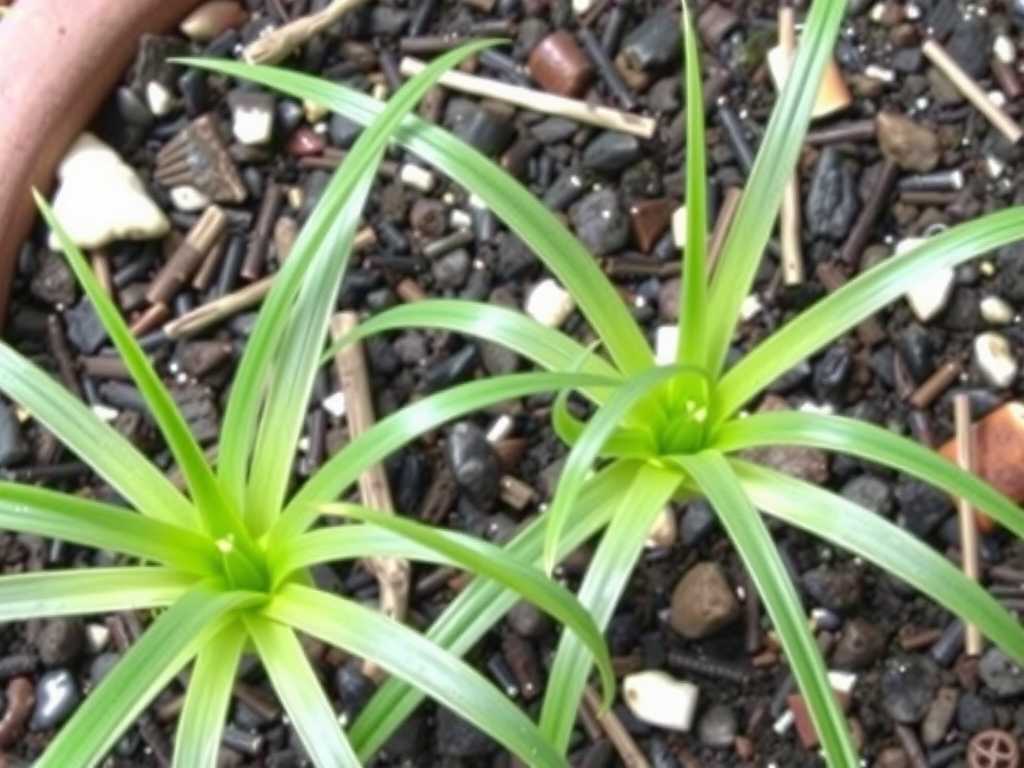
Once you see the first green sprouts, your management strategy must pivot immediately. This is the most common point of failure. While the seeds needed a sealed, humid environment, the seedlings now require air movement.
Begin by opening the vents on your humidity dome. This is the first stage of ventilation management for healthy spider plant seedlings. The goal is to gradually reduce the ambient humidity around the leaves to prevent fungal pathogens like damping-off, a fatal condition that rots stems at the soil line. According to horticultural pathologists, stagnant, moist air is the primary enabler of such diseases.
Over the next 3-5 days, gradually open the vents wider. If your dome doesn't have vents, prop open one corner with a small stick, increasing the gap daily. After this acclimatization period, remove the dome entirely. The seedlings now need to adapt to the lower humidity of your home.
Advanced Airflow and Tray Management for Robust Growth
With the dome removed, passive ventilation is no longer sufficient. This is where you actively promote strong growth. Gentle air movement strengthens the seedlings' stems, simulating natural outdoor conditions and preparing them for transplanting. It also continuously refreshes the air around the foliage, further discouraging disease.
You can achieve this by using a small oscillating fan placed several feet away from the trays. Set it on the lowest setting to create a gentle breeze, not a direct gale. Run the fan for a few hours each day. This practice of ensuring proper airflow for spider plant seedlings is a hallmark of experienced growers. It encourages the development of sturdier, more resilient plants compared to those grown in still air, which tend to be weak and leggy.
Concurrently, pay close attention to watering. Water from below by filling the tray's bottom reservoir, allowing the soil to wick moisture up through the drainage holes. This encourages deeper root growth and keeps the surface drier, which is beneficial now that the dome is off. Always allow the top of the soil to dry slightly between waterings.
Transitioning to Independence: Hardening Off and Potting Up
Before your spider plant seedlings can graduate to their own pots, they must undergo a hardening-off process. This is an extension of ventilation management, exposing them to the broader environmental conditions of their future home.
About a week before you plan to transplant, start moving the entire seedling tray to a more exposed location for a few hours each day, perhaps near a frequently opened window (avoiding cold drafts). This gradually introduces them to variations in temperature and air movement. Continue to monitor soil moisture closely during this phase, as exposure to more air can dry the mix faster.
When the seedlings have developed several true leaves and a robust root system that holds the soil together, they are ready for potting up. Gently lift each plant from its cell and transplant it into a small pot with well-draining potting mix.
How long should I keep the dome on my spider plant seedling tray? Keep the dome on with vents closed until germination occurs. Once sprouts appear, begin opening the vents gradually over 3-5 days, then remove the dome completely. Prolonged use of a sealed dome after germination invites fungal disease.
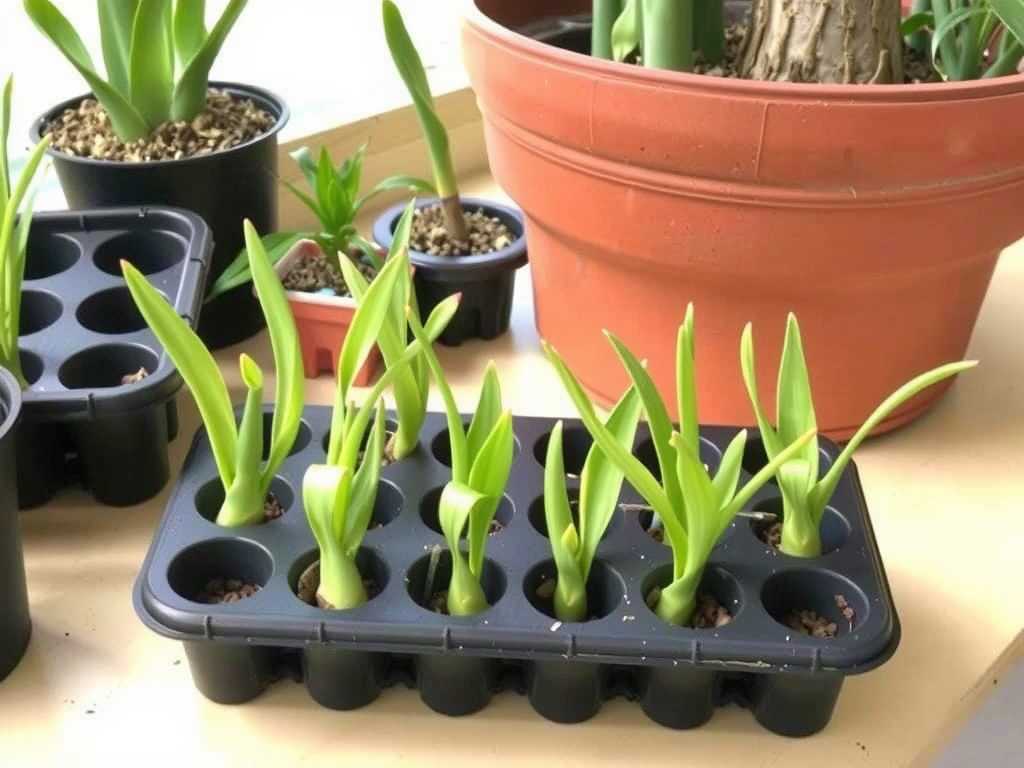
Can I propagate spider plants without a humidity dome? Yes, but it requires more diligent monitoring. Cover the tray with clear plastic wrap to retain moisture, but you must remove it immediately upon seeing sprouts and then manage surface moisture very carefully to prevent drying out or damping-off.
Why are my spider plant seedlings so tall and floppy? This condition, called etiolation, is caused by insufficient light and/or lack of air movement. Ensure they receive plenty of bright, indirect light and introduce gentle fan airflow to strengthen their stems. Weak, leggy growth is a direct sign that the seedling environment needs adjustment.
Mastering spider plant seed propagation is an exercise in environmental control. The seedling tray is your tool, but your understanding of the transition from a humid, still incubation chamber to a ventilated, active growing space determines the outcome. By prioritizing strategic ventilation management from the moment of germination, you provide the foundation for sturdy growth, disease resistance, and ultimately, the thriving cascade of greenery that makes spider plants a beloved household staple. The journey from seed to plant is a rewarding one, made successful by mimicking nature's rhythms within the confines of your tray.
发表评论