 admin
admin Spider Plant Runner Propagation: Troubleshooting Curling Leaves of Offshoots
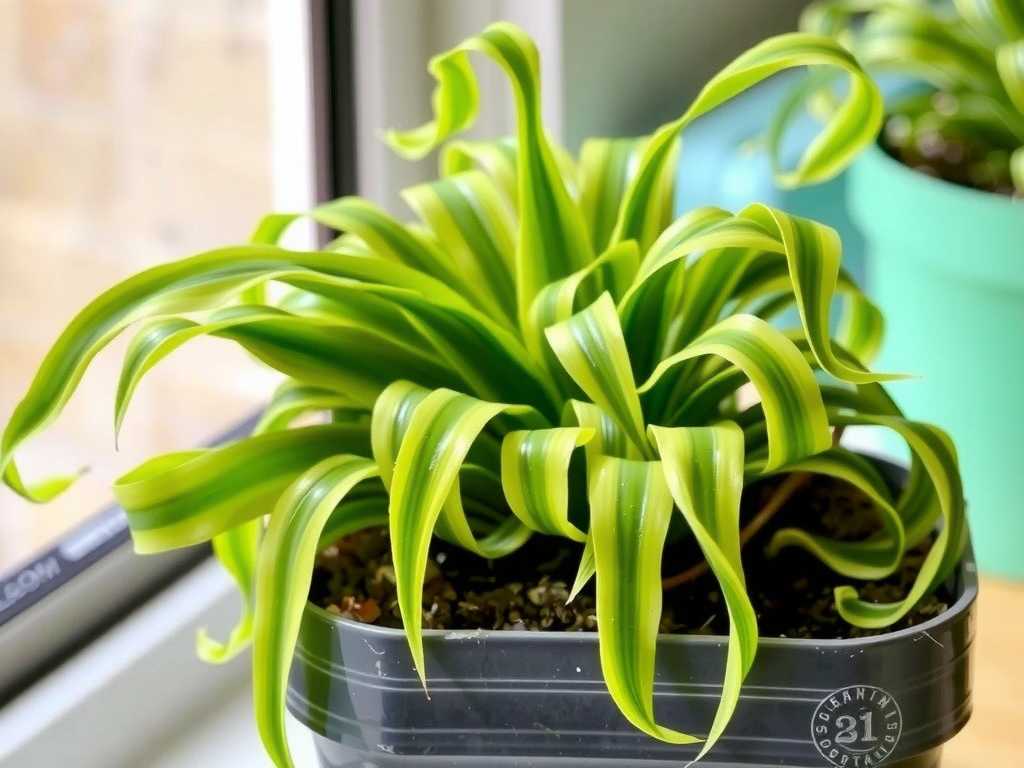
You've carefully nurtured your spider plant, watched with joy as it sent out long, elegant runners, and eagerly snipped the baby plantlets (or spiderettes) to propagate new greenery. But then, disappointment sets in. The once-perky leaves of your new offshoots begin to curl, pucker, or roll inwards, leaving you wondering what went wrong in your spider plant runner propagation process. This curling is a clear distress signal from your young plant, and it's one of the most common issues faced by indoor gardeners. Don't worry—this guide is dedicated to diagnosing and solving the problem of curling leaves on spider plant offshoots, ensuring your propagation efforts lead to thriving, vibrant new plants.
Understanding why these leaves curl is the first step to a cure. The issue almost always stems from the offshoot's struggle to establish a robust, independent root system while simultaneously trying to sustain its foliage. It's a delicate balancing act of water, light, and environmental stability.
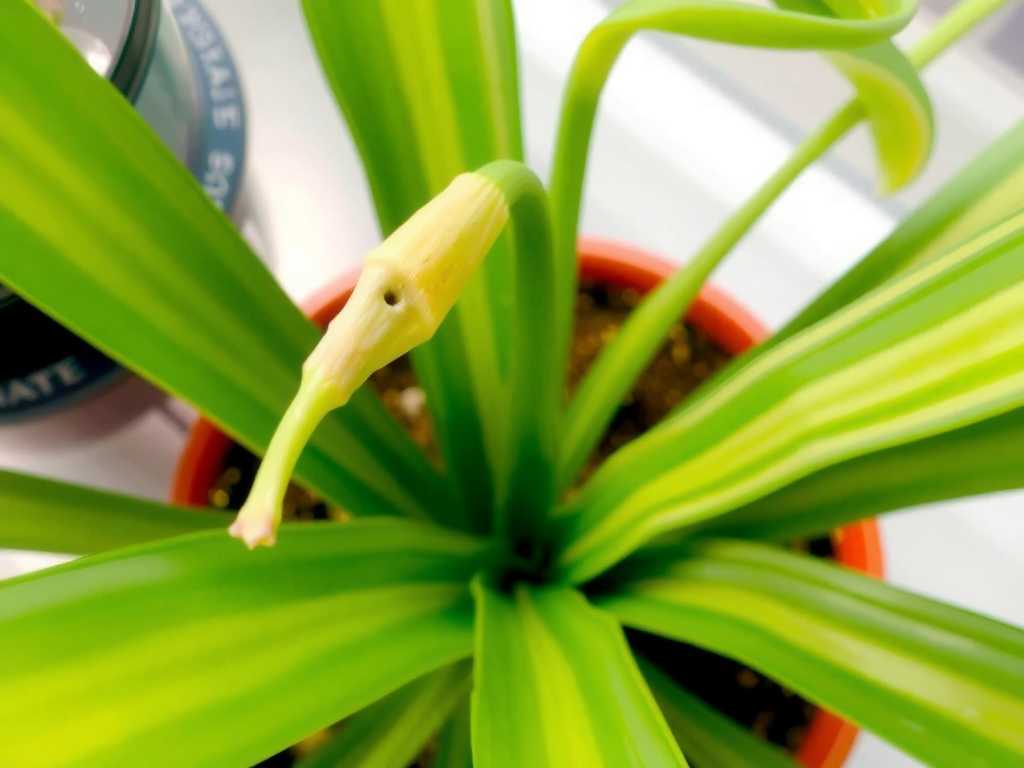
Diagnosing the Cause: Why Are My Spider Plant Offshoot Leaves Curling?
Curling leaves are a symptom, not the disease itself. To fix the problem, you must play plant detective. The curl can indicate opposite extremes—too much or too little of a vital resource. Let's break down the primary culprits.
1. Water Stress: The Most Common Culprit Contrary to popular belief, underwatering is a frequent cause of leaf curl in spider plant offshoots. When a young plantlet, especially one freshly potted, lacks adequate moisture, its leaves curl inward in an attempt to reduce surface area and minimize water loss through transpiration. The leaves may also feel thin and brittle.
- The Fix: Check the soil moisture frequently. The top inch should not be allowed to dry out completely during the initial establishment phase. Water thoroughly until it drains from the bottom, then allow the top layer to dry slightly before watering again. Ensure your pot has drainage holes to prevent the opposite problem.
2. The Perils of Overwatering and Root Health While thirst causes curling, overwatering can lead to a similar, yet more dangerous, outcome. Soggy, waterlogged soil suffocates the delicate new roots, causing root rot. A damaged root system cannot uptake water or nutrients, leading to dehydration and curling leaves above the soil—a paradoxical sign. Leaves from overwatering may curl and also feel soft or look yellow.
- Expert Insight: Horticulturist Jane Smith notes, "A propagating spiderette has a minimal root system. It's far more vulnerable to rot than a mature plant. The goal is consistently moist soil, not wet mud."
- The Fix: Always use a well-draining potting mix (a standard houseplant mix with added perlite is ideal). Never let the pot sit in a saucer of standing water. If you suspect rot, gently remove the offshoot, trim away any black, mushy roots, and repot in fresh, dry mix, watering sparingly until new growth appears.
3. Environmental Stress: Humidity, Light, and Temperature Spider plant offshoots are acclimating from life on a runner to life in soil. Sudden changes in their environment shock their systems.
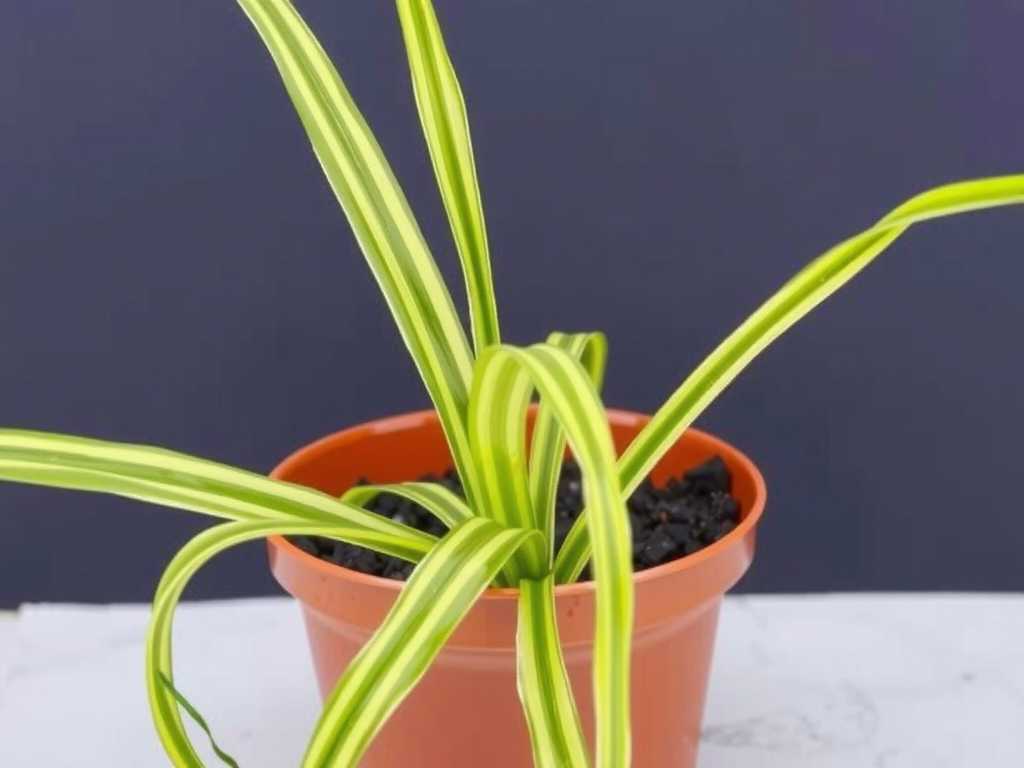
- Low Humidity: Our homes, especially with air conditioning or heating, often have dry air. This can sap moisture from leaves faster than the roots can replace it, leading to curling.
- Excessive Direct Sunlight: While spider plants need bright light, intense direct sun can scorch and stress tender offshoots, causing leaves to curl and bleach.
- Temperature Extremes: Drafts from cold windows, hot air vents, or sudden temperature drops can trigger a stress response.
- The Fix: Increase humidity around the offshoot by grouping it with other plants, placing it on a pebble tray with water, or using a humidifier. Provide bright, indirect light—an east-facing window is perfect. Keep the plant in a stable environment away from drafts and direct heat sources.
4. Nutrient Imbalance and Soil Factors A freshly potted offshoot doesn't need fertilizer immediately; in fact, it can harm it. However, poor soil quality or a significant lack of nutrients over time can contribute to stress.
- The Fix: Do not fertilize a newly potted spiderette for at least 4-6 months. Use a fresh, quality potting mix that provides a neutral base. If an older propagated plant shows curling, a diluted, balanced houseplant fertilizer applied during the growing season may help, but always address water and light issues first.
Step-by-Step Rescue Plan for a Curling Offshoot
Follow this actionable plan to nurse your spider plant runner propagation project back to health.
Step 1: Immediate Assessment and Adjustment Gently feel the soil. Is it bone dry or soggy? Assess the light and location. Make immediate corrections: water a dry plant, move a sun-scorched plant to gentler light, or increase humidity.
Step 2: The Root Inspection (If Needed) If adjustments don't improve the plant within a week, or if overwatering is suspected, inspect the roots. Carefully tip the plant out of its pot. Healthy roots are firm and white or tan. Soft, brown, or black roots indicate rot. Trim the damaged parts with sterile scissors.
Step 3: Repotting for Recovery If you trimmed roots, repot the offshoot into a clean container (only slightly larger than the root ball) with fresh, well-draining potting mix. This gives it a clean, disease-free foundation.
Step 4: Create an Ideal Recovery Environment Place the repotted (or adjusted) plant in a high-humidity location with bright indirect light. A clear plastic bag loosely placed over the pot can create a mini-greenhouse effect, boosting humidity dramatically. Open it daily for air circulation. Remove the bag once you see steady new growth, which indicates the plant has re-established itself.
Proactive Prevention: Best Practices for Healthy Propagation
The best cure is prevention. Optimize your spider plant propagation technique from the start.
- Choose Mature Spiderettes: Propagate plantlets that have developed small, visible root nubs while still attached to the runner. They have a head start.
- Root in Water First (Optional but Effective): Many growers find success by placing the spiderette in a glass of water until a robust root system of 1-2 inches develops, then potting it up. This eliminates the initial soil moisture guesswork.
- Use the Right Medium from Day One: Plant directly into a well-draining houseplant mix. Avoid heavy, garden-variety soils.
- Acclimate Gently: Whether moving from water to soil or from a propagation station to a permanent spot, do so gradually to avoid environmental shock.
Addressing Your Top Concerns
Can a spider plant offshoot with curled leaves recover? Absolutely. Spider plants are remarkably resilient. Once you identify and correct the underlying stress factor—most commonly improper watering—the plant will often produce new, healthy, flat leaves. The already-curled leaves may not fully uncurl but can remain functional.
Is it better to propagate spider plant babies in water or soil? Both methods are valid and have high success rates. Water propagation allows you to monitor root development visually and can reduce initial transplant shock related to moisture. Soil propagation is a more direct, one-step method. For beginners worried about curling leaves on offshoots, starting in water can provide more control and confidence before the transition to soil.
How long does it take for a propagated spider plant to establish? Typically, with proper care, you should see signs of new leaf growth within 2-4 weeks, indicating the roots are taking hold. Full establishment, where the plant is actively growing and no longer showing signs of stress, usually takes 1-2 growing seasons.
Curling leaves on your spider plant offshoots are a temporary setback, not a failure. By interpreting this signal correctly—checking for water issues first, then evaluating light, humidity, and soil—you can quickly intervene and guide your young plant toward vitality. Remember, successful propagation hinges on providing a stable, gentle environment that supports the critical job of root development. With patience and these targeted solutions, your propagated spider plants will soon grow into lush, cascading beauties, free from the worry of curled leaves.

发表评论