bluename
 spider plant Division Propagation: Identifying the Perfect Time and Plant State for Success
You've nurtured your spider plant, watched it flourish, and now it's spilling over with lush foliage and dangling plantlets. The urge to propagate is strong, but a quiet worry holds you back: "What if I divide it at the wrong time and ruin my beautiful plant?" This fear is common. Attempting division on a plant that is too young, too stressed, or simply not ready is the number one reason for propagation failure, leading to stunted growth, root shock, or even plant loss. The secret to flawless multiplication lies not just in the how, but profoundly in the when. Successful Spider Plant Division Propagation hinges entirely on recognizing the Suitable Growth State of Plants for Division. This guide will walk you through the exact signs that your Chlorophytum comosum is primed and ready, ensuring you act at the optimal moment for robust new growth.
Understanding the "Why": The Science Behind Division Timing
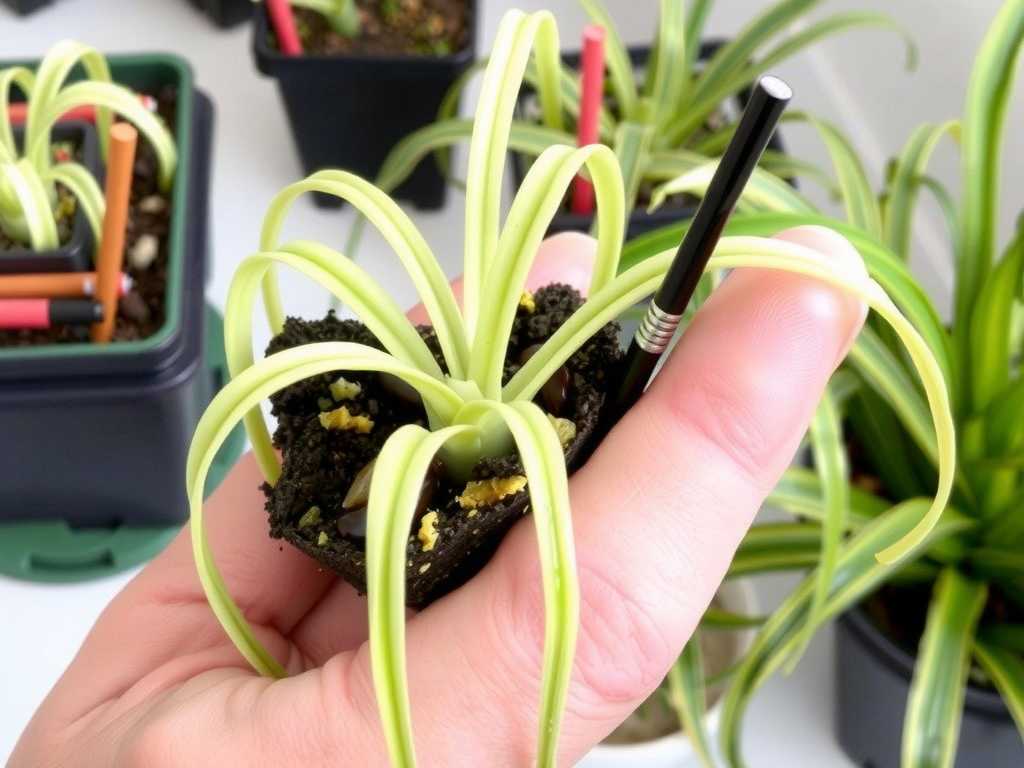
Division is more than just a gardening task; it's a strategic intervention. According to horticultural principles, division should align with a plant's natural growth cycle to minimize stress and maximize recovery. A study from the Royal Horticultural Society emphasizes that perennial plants, like spider plants, recover best from division when they are in a state of active growth or just about to enter one. Dividing at the wrong state interrupts vital processes, draining the plant's energy reserves when it needs them most for root regeneration. By waiting for the Suitable Growth State of Plants for Division, you work with the plant's biology, not against it.
Key Indicators Your Spider Plant is Ready for Division
Your plant will communicate its readiness through clear visual and physical cues. Look for these definitive signs before you reach for your gardening tools.
1. The Presence of Multiple Crowns and a Crowded Pot
The most obvious sign is physical crowding. A mature, division-ready spider plant will have developed multiple, distinct clusters of leaves known as "crowns." These crowns emerge from the center of the plant, each with its own central growing point. Gently lift the plant from its pot. If the root ball is a dense, tangled mass with numerous crowns visibly competing for space, it's a primary indicator of the Ideal Plant Maturity for Propagation. The roots may even be circling the bottom or pushing the plant up and out of the container. This congestion means the plant is root-bound, which, while stressful long-term, signals perfect timing for division.
2. Vigorous Production of Plantlets (Spiderettes)
A healthy, mature spider plant will produce long, arching stolons (runners) tipped with baby plantlets. While you can propagate these spiderettes individually, their prolific production is a key signal of the plant's overall vitality and maturity—a prime Growth Condition for Splitting Spider Plants. If your mother plant is consistently sending out numerous, well-developed offsets with visible aerial root nubs, it confirms the plant has ample energy stores. This robust health ensures that both the original plant and the new divisions will have the resources to recover quickly.
3. Overall Plant Health and Seasonal Timing
Never divide a stressed or ailing plant. The candidate for division should be vibrant, with firm, brightly colored leaves showing no signs of significant pests, disease, or drought stress. The Optimal State for Dividing Chlorophytum coincides with the onset of its primary growing season: early spring to early summer. During this period, increasing light and warmer temperatures stimulate natural root growth, helping divisions establish swiftly. While division can be done indoors year-round with care, aligning with spring taps into the plant's innate growth surge for the best results.
The Step-by-Step Division Process for a Ready Plant
Once you've confirmed the suitable state, follow this clear process.
Gather Your Supplies You will need: a clean, sharp knife or pruning shears, fresh well-draining potting mix, several new pots with drainage holes, and gloves.
Remove and Inspect the Root Ball Water your plant thoroughly 24 hours before to reduce stress. Gently remove it from its pot. Lay the root ball on its side and carefully tease apart the soil to fully expose the root structure and the bases of the individual crowns.
Separate the Crowns Identify natural divisions between the crowns. Using your hands, gently pull the clumps apart. For very tough, interconnected sections, use your sterilized knife to cut through the root mass, ensuring each new division has a healthy cluster of roots attached to its crown and several leaves. As noted by plant expert Jane Perrone, "A good division should look like a complete, miniature plant on its own."
Pot and Care for Your New Divisions Plant each division in a pot just large enough to accommodate its roots, using fresh potting mix. Water lightly to settle the soil. Place the pots in a location with bright, indirect light and maintain consistent, lightly moist soil. Avoid fertilizing for the first 4-6 weeks to allow the roots to heal and establish without burn.
Post-Division Care: Ensuring a Strong Recovery
The care you provide after division is crucial. Keep the soil consistently moist but never soggy. High humidity can aid recovery, so consider grouping pots together or using a pebble tray. You may see some initial wilting or browning of leaf tips as the plant redirects energy to root growth; this is normal. New leaf growth is the ultimate sign of success.
FAQs
Can I divide a small or young spider plant? It is not recommended. Young plants lack the extensive root system and multiple crowns needed to sustain themselves post-division. Wait until the plant exhibits clear signs of maturity and crowding, typically after 1-2 years of growth.
What should I do if the divided sections have very few roots? If a crown has healthy leaves but minimal roots, you can still attempt to grow it. Treat it like a large offset by placing it in a small pot with moist soil or even rooting it in water first until a more substantial root system develops before potting.
How often can I divide my spider plant? A healthy, fast-growing spider plant may become ready for division every 2-3 years. The cycle depends on its pot size and growing conditions. Always let the plant's growth state—not the calendar—be your primary guide.
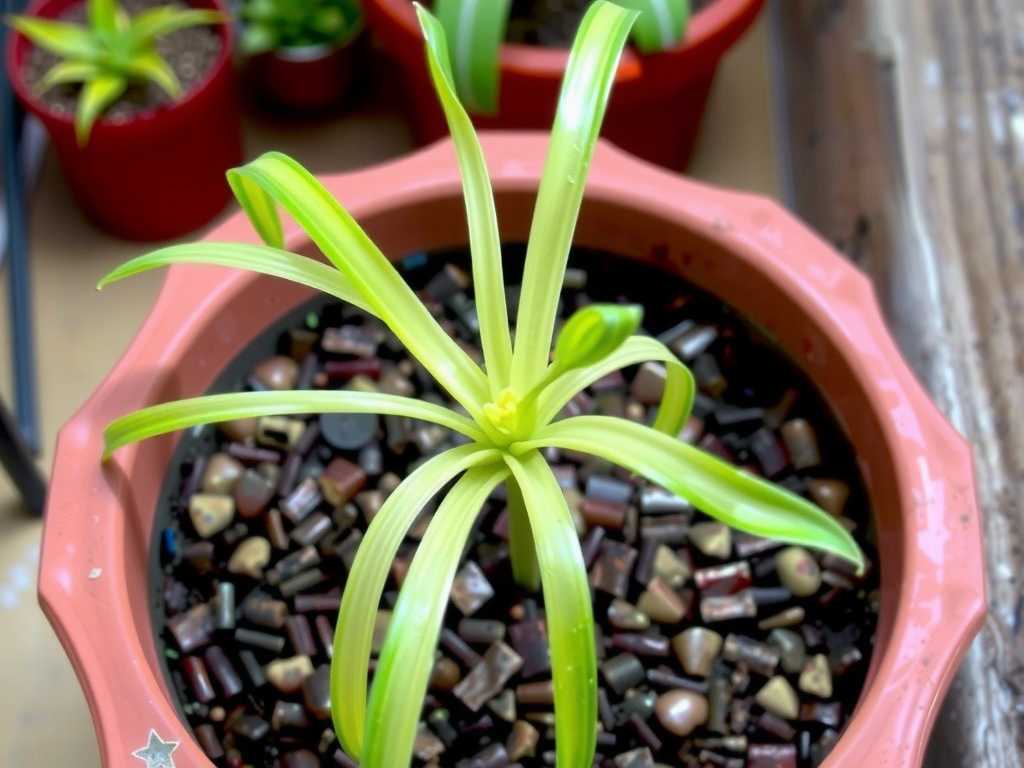
Recognizing the perfect moment for propagation transforms division from a gamble into a guaranteed success. By patiently waiting for your spider plant to reach that Suitable Growth State for Division—marked by multiple crowns, a crowded pot, and vigorous health—you give it the greatest chance to thrive. This method not only multiplies your greenery but also rejuvenates the original plant, encouraging fresh, lush growth. With the right timing and gentle care, you'll confidently turn one thriving spider plant into many.