bluename
 spider plant Hydroponic Propagation: Tap Water Dechlorination Methods (Sunning vs. Dechlorinating Agents)
You've decided to grow your spider plant pups hydroponically. It's a clean, modern, and fascinating way to watch roots develop. You carefully place your spiderettes in a glass jar, fill it with tap water, and wait. But instead of thriving, the new roots look brown, growth stalls, or the leaf tips begin to crisp. The culprit? Often, it's the very water you used. Chlorine and chloramines in tap water, while safe for us, can be harsh on delicate new hydroponic roots, harming the beneficial microbes and damaging plant tissues. The solution is dechlorination. But which method is best for your hydroponic spider plant propagation: the natural sunning technique or using commercial dechlorinating agents? This guide dives deep into both methods, helping you choose the right path for vibrant, healthy water roots.
Understanding the "Why": Chlorine and Chloramines in Tap Water
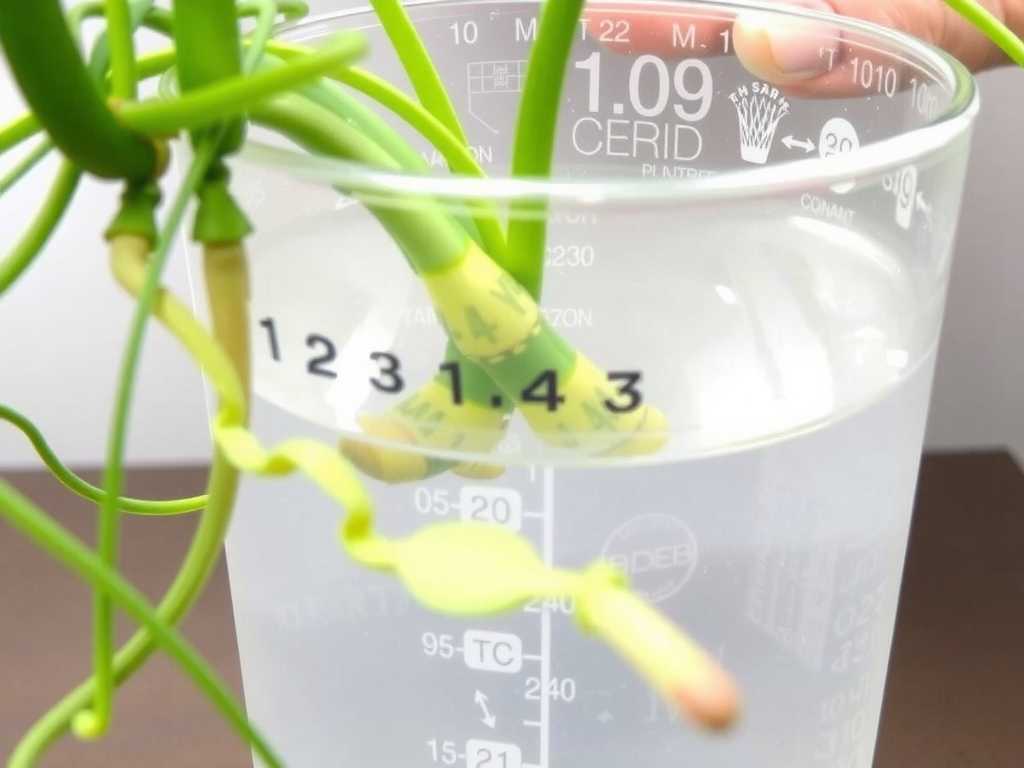
Before comparing methods, it's crucial to understand what we're removing. Municipal water is treated with disinfectants to make it safe for human consumption.
Chlorine is a volatile gas that can evaporate relatively easily when water is left to stand. Chloramine, however, is a more stable compound formed by combining chlorine with ammonia. It is used by many water districts because it lasts longer in the water system. According to water treatment experts, chloramine does not off-gas as readily and is much more persistent. For plant propagation, both can be problematic. They can inhibit root cell development and kill the delicate biofilm that beneficial bacteria form around new roots in a hydroponic setting.
Method 1: The Natural Sunning Technique for Water
This is the traditional, low-tech approach to tap water dechlorination for plants.
How It Works: Simply fill an open container—like a wide-mouthed jug or bucket—with tap water and leave it uncovered in a sunny, well-ventilated spot for 24 to 48 hours. The sunlight and increased surface area accelerate the evaporation of chlorine. Agitating the water or using an air stone from an aquarium can speed this process even further.
Pros for Spider Plant Propagation:
- Zero Cost: It requires no special products.
- Chemical-Free: You are not adding anything to the water, which aligns with a pure, organic approach to plant care.
- Simple: It's an easy, set-and-forget method.
Cons and Limitations:
- Ineffective Against Chloramines: This is the critical flaw. If your municipal water uses chloramine (you can find this on your water provider's annual report), sunning alone will not remove it effectively. It could take over a week for minimal dissipation.
- Time-Consuming: You must plan your plant care activities 1-2 days in advance.
- Risk of Contaminants: Open containers can collect dust, insects, or airborne pollutants.
Best For: Gardeners who have verified their water supply uses only chlorine (not chloramine) and who prefer a completely additive-free process for their hydroponic spider plant propagation.
Method 2: Using Dechlorinating Agents
This method uses liquid solutions or tablets designed to instantly neutralize water disinfectants. This is often considered the most reliable dechlorination method for hydroponics.
How It Works: Dechlorinators, commonly found in the aquarium industry, contain reducing agents like sodium thiosulfate. These chemicals initiate a rapid reaction that neutralizes both chlorine and chloramine on contact, making water safe immediately. For horticultural use, specific "water conditioners" for plants are also available.
Pros for Spider Plant Propagation:
- Immediate Results: Water is ready for use in minutes, perfect for spontaneous propagation or watering.
- Effective on Chloramines: Quality agents are formulated to handle both chlorine and chloramine.
- Convenience: A few drops treat a large volume of water, and the product lasts a long time.
- Added Benefits: Many formulas also neutralize heavy metals like copper, lead, and zinc, which can also be present in trace amounts in tap water and are toxic to plants.
Cons and Considerations:
- Cost: It requires purchasing a product.
- Chemical Addition: While safe, you are adding another substance to your water. It's vital to use the correct dosage.
- Product Choice: Not all "aquarium" dechlorinators are identical; some may contain additives like algaecides that are not ideal for plants. Opt for a basic dechlorinator or one labeled for horticultural use.
Best For: Any plant enthusiast seeking a fast, guaranteed, and effective solution, especially those in areas with chloraminated water or who value convenience in their spider plant care routine.
Direct Comparison: Sunning vs. Dechlorinators for Your Spiderettes
Let's put them side-by-side on key factors for propagation success:
- Effectiveness: Dechlorinating agents win decisively for guaranteed removal of both chlorine and chloramine. Sunning is unreliable unless you are certain only chlorine is present.
- Speed: Agents work instantly. Sunning requires a minimum 24-hour wait.
- Cost: Sunning is free (minus the container). Agents have a small upfront cost.
- Convenience: Agents offer on-demand water preparation. Sunning requires planning and space.
- Safety for Plants: Both are safe when done correctly. However, under-treated water with chloramine (from insufficient sunning) poses a greater risk than a properly dosed dechlorinator.
Step-by-Step: Propagating Spider Plants in Dechlorinated Water
- Select Healthy Pups: Choose spider plant babies (spiderettes) that have begun to form small nubs or "starter roots" at the base.
- Prepare Your Water: Decide on your method. Either fill an open container and let it sun for 24+ hours (if chlorine-only), or fill your propagation vessel and add the recommended drops of a basic dechlorinating agent.
- Place the Pups: Suspend the spiderette in the water so that only the base and root nubs are submerged. The leaves must stay dry. Use a narrow-necked vase or propagation station to support it.
- Find the Right Spot: Place in bright, indirect light. Avoid direct, hot sun which can overheat the water and promote algae.
- Maintain the Water: Change the dechlorinated water every 5-7 days to replenish oxygen and prevent bacterial growth. Always use dechlorinated water for changes.
- Transition to Growth: Once a healthy network of water roots is established (several inches long), you can keep the plant in water long-term with regular nutrient feeding or transfer it to soil if desired.
Expert Insight for Success
Many seasoned hydroponic gardeners emphasize that consistency is key. "The stress of fluctuating water quality is a major cause of failure in simple hydroponic propagation," notes one horticulture consultant. "Whether you choose natural off-gassing or a conditioner, the goal is to provide a stable, non-toxic root environment. For most city-dwelling plant parents, a dechlorinator is the simplest way to ensure that stability from one water change to the next."
Frequently Asked Questions
Can I use bottled or distilled water instead? Yes, you can. Both are free of chlorine and chloramine. However, distilled water lacks all minerals, which isn't harmful initially but provides no nutritional value for long-term growth. Bottled spring water is a good but more expensive alternative to treated tap water.
How do I know if my tap water has chlorine or chloramine? The most reliable way is to contact your local water utility or check their website for the annual Water Quality Report (CCR). You can also use an aquarium test kit for chlorine/chloramine, which provides a quick, at-home answer.
My spider plant's roots in water seem slimy. Is this related? A slight slickness can be normal biofilm from beneficial bacteria. However, thick, foul-smelling slime is a sign of rot or harmful bacterial growth, often exacerbated by warm water, low oxygen, and organic matter. Ensure you're changing the water weekly with fresh dechlorinated water, clean the vessel thoroughly, and consider trimming away any mushy roots.
Choosing the right tap water dechlorination method is a small but critical step in successful spider plant hydroponic propagation. While the sunning technique offers a chemical-free solution for those with chlorine-only water, dechlorinating agents provide a fast, reliable, and comprehensive solution for all tap water, ensuring your spider plant pups have the purest start possible. By removing this invisible barrier to root health, you set the stage for robust growth, allowing you to enjoy the simple pleasure of watching those elegant white roots unfold in clear water.