 admin
admin Spider Plant Cutting Propagation: The Ultimate Guide to Choosing 1 Leaf vs. 2 Leaves
You’ve decided to multiply your beloved spider plant, snipping a healthy “spiderette” or cutting. But as you hover with the scissors, a common dilemma arises: should you plant this cutting with just one leaf, or should you ensure it has two? This seemingly small choice can significantly impact the speed of rooting, the initial growth vigor, and your overall success rate. Choosing the wrong number can lead to slow growth, rot, or even failure, leaving you frustrated. This guide cuts through the confusion, providing clear, evidence-based advice on selecting the optimal number of leaves per cutting for robust propagation.
Understanding Spider Plant Propagation Basics
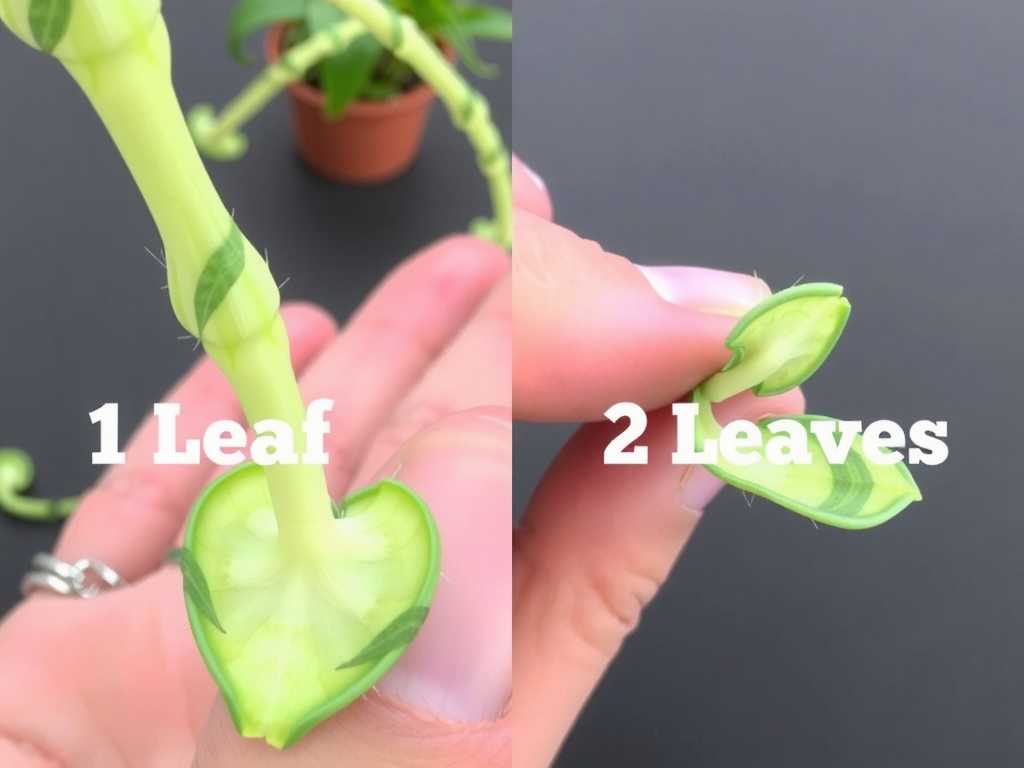
Before diving into the leaf count debate, let’s establish what a viable cutting looks like. A spider plant cutting, often called a spiderette or plantlet, is the small offshoot that grows at the end of a long stolon (runner). A healthy cutting ready for propagation should have visible aerial root nodules—those tiny, bumpy protrusions at its base. These are the precursors to a full root system. The primary methods are water propagation and soil propagation. Your choice between 1-leaf and 2-leaf cuttings interacts with these methods in important ways.
The Great Debate: 1 Leaf vs. 2 Leaves per Cutting
Let’s dissect the pros, cons, and best-use scenarios for each option to help you make an informed decision.
The Case for Propagating with 2 Leaves
Using a cutting with two or more leaves is the most commonly recommended and reliable method, especially for beginners.
- Faster Establishment and Growth: A 2-leaf cutting simply has more photosynthetic capacity. The two leaves work together to produce more energy (sugars) from light, which is directly channeled into developing a strong, extensive root system. This leads to a visibly quicker start and a sturdier young plant.
- Higher Success Rate and Resilience: With greater energy reserves, a 2-leaf cutting is more forgiving. It can better withstand minor setbacks, such as less-than-ideal light during the initial days or the stress of transplanting from water to soil. The extra leaf acts as a buffer, increasing the overall chance of successful propagation.
- Ideal for Water Propagation: When rooting in water, a 2-leaf cutting often performs better. The top growth remains perky and active, while the base focuses on root development. It creates a balanced, healthy-looking propagation that is satisfying to watch.
Best For: Beginners, water propagation, those seeking the fastest and most reliable results, and cuttings that may experience variable conditions.
The Case for Propagating with 1 Leaf
While less conventional, using a single-leaf cutting is a viable technique with specific advantages.
- Efficiency and Maximizing Plant Material: If you have a spiderette with three or four leaves, you can theoretically divide it into multiple single-leaf cuttings (each with a piece of the crown and root nodules). This allows you to create more plants from a single stolon, maximizing your propagation efforts.
- Reduced Risk of Crown Rot in Soil: A very common issue, especially in overly moist soil, is rot at the crown where leaves cluster. A single-leaf cutting has a smaller, less dense crown, which can improve airflow and reduce moisture retention at that critical point, potentially lowering the risk of fungal issues.
- Adequate for Ideal Conditions: Under perfect, controlled conditions—bright indirect light, well-draining soil, and careful watering—a 1-leaf cutting with healthy root nodules has all it needs to succeed. Its single leaf will fuel the root growth adequately.
Best For: Experienced propagators looking to maximize yield, situations where the mother plant has produced many small spiderettes, or when the cutting environment is very well-controlled to prevent rot.
Step-by-Step Propagation Guide for Both Methods
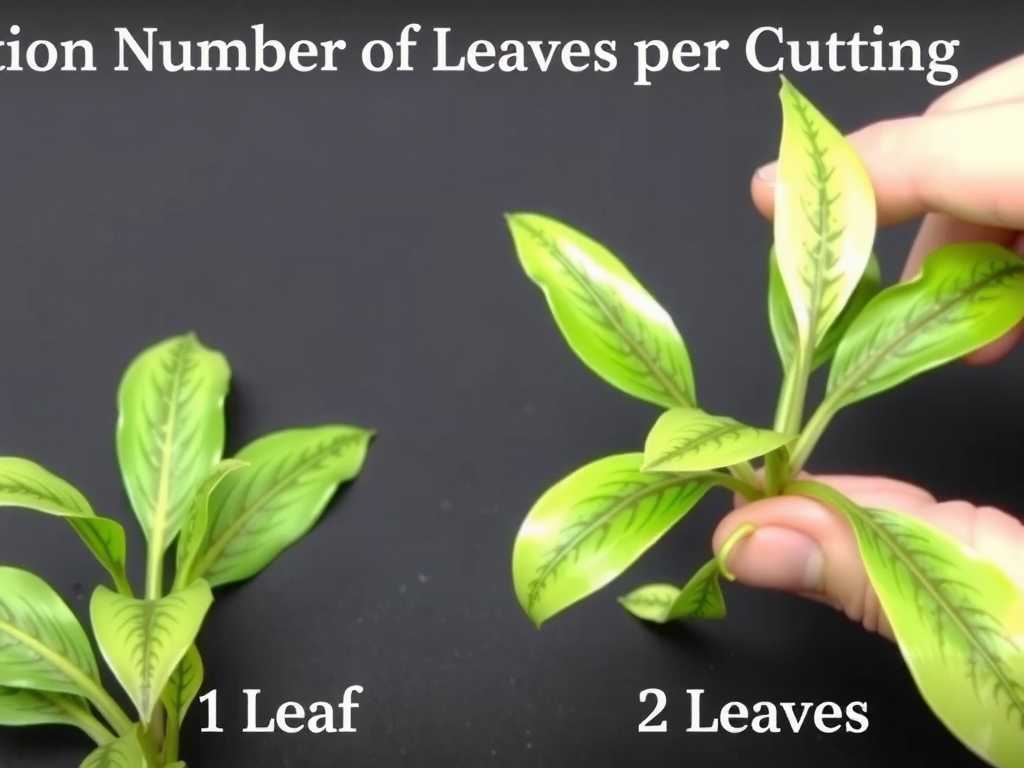
Follow these steps, adjusting for your chosen leaf count, to ensure success.
1. Selection and Preparation of Your Cutting Whether choosing a 1 or 2-leaf spiderette, always start with a healthy, pest-free plantlet. Using a clean, sharp knife or scissors, snip it from the stolon, leaving a short stem. Gently examine the base for those crucial aerial root nodules. If dividing a multi-leaf spiderette into single-leaf sections, ensure each section has a portion of the base and its own root nodules.
2. Rooting Your Cutting: Water vs. Soil
- Water Propagation: Place the base of the cutting in a jar or glass of water, ensuring only the root nodules are submerged. Leaves must stay dry. Change the water weekly. 2-leaf cuttings often show root growth more dramatically here.
- Soil Propagation: Plant the cutting in a small pot with a well-draining potting mix. Moisten the soil lightly and place it in bright, indirect light. The “soak and dry” method is key—water thoroughly only when the top inch of soil feels dry. For 1-leaf cuttings, be extra vigilant not to overwater.
3. Aftercare and Troubleshooting Once roots are a few inches long (in water) or you see new leaf growth (in soil), your cutting is established. Transplant water-propagated cuttings into soil. Continue providing bright, indirect light and moderate watering. Yellowing leaves may signal overwatering, especially for 1-leaf cuttings. Slow growth may indicate insufficient light.
Expert Insights and Best Practices
Horticulturists consistently emphasize energy reserves. As noted in the Journal of Commercial Horticulture, “Propagule size directly correlates with initial carbohydrate reserves, impacting early root initiation and shoot growth.” In simpler terms, a larger cutting (2 leaves) has more stored food to kickstart growth.
For the home grower, this translates to a simple rule: When in doubt, go with two leaves. It provides a wider margin for error. However, experimenting with 1-leaf cuttings can be a rewarding way to learn more about plant resilience and to expand your spider plant collection more rapidly from a single source.
Will a spider plant cutting with only one leaf ever grow more? Absolutely. Once the single-leaf cutting has established a robust root system, it will direct its energy to producing new growth points from the crown. You will eventually see a new leaf spear emerging, leading to a full, multi-leaf plant. Patience is key.
How long does it take for a 1-leaf cutting to catch up to a 2-leaf cutting? Initially, the 2-leaf cutting will always be ahead. However, given identical optimal care, the 1-leaf cutting will eventually establish itself and the growth rates will normalize. The “catch-up” period can be several weeks to a few months, depending on growing conditions.
Can I propagate a spider plant leaf without the root nodules? No, successful propagation requires the meristematic tissue found at the base of the spiderette, where the root nodules form. A leaf blade alone, plucked from the crown of the main plant, lacks this growth tissue and will not produce roots or a new plant. Always ensure your cutting includes the base.
Choosing between one or two leaves for spider plant propagation isn’t about right or wrong, but about optimizing for your goals and conditions. For guaranteed, vigorous starts, a 2-leaf cutting is your best bet. If you’re propagating many plants and can provide meticulous care, experimenting with 1-leaf cuttings is a fascinating and efficient practice. By understanding the science behind the leaf count and following the clear steps for preparation and aftercare, you can confidently multiply your spider plants, filling your home with lush, air-purifying greenery.
发表评论