 admin
admin Spider Plant Seed Propagation: Mastering Light Control After Germination
You’ve successfully coaxed tiny green shoots from your spider plant seeds—a moment of pure gardener’s joy. But now, a wave of uncertainty hits. Why are the seedlings stretching out, becoming pale and weak? Why do they seem to grow at a snail’s pace, or worse, suddenly collapse? The culprit often lies not in your watering can or the soil mix, but in the light. The period immediately after germination is the most critical, and improper lighting is the number one reason these promising starts fail to thrive. This guide cuts through the confusion, providing a clear, step-by-step framework for mastering light control to transform your fragile seedlings into robust, vibrant spider plants.
Understanding Seedling Needs: Why Light is Non-Negotiable
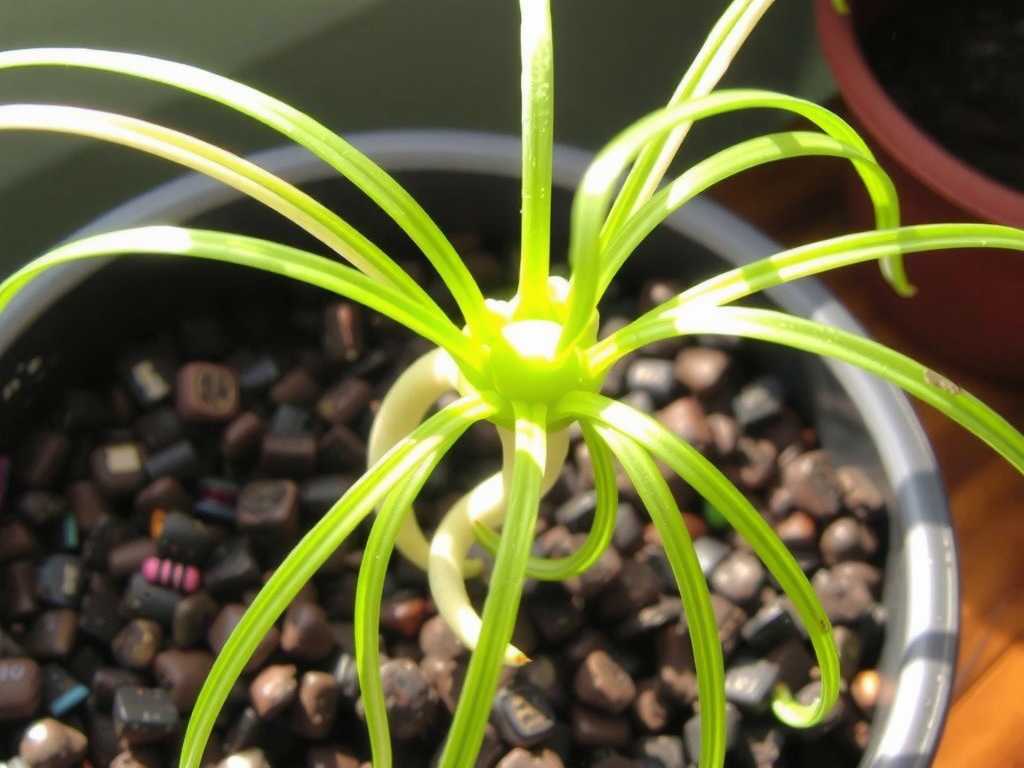
Spider plant seedlings (Chlorophytum comosum) are incredibly vulnerable in their first few weeks. During germination, they rely on energy stored within the seed. Once the first true leaves (which look like miniature adult spider plant leaves) emerge, they must immediately begin photosynthesis to fuel growth. Insufficient light triggers a desperate survival mechanism called etiolation—the seedlings elongate their stems rapidly, stretching toward any light source. This results in a leggy, weak structure incapable of supporting future growth.
Conversely, too much intense, direct light acts like a magnifying glass on tender tissue, causing scorching, dehydration, and stunting. The goal is to provide the optimal light intensity for spider plant seedlings, which is bright but indirect. Horticulturist Dr. Linda Chalker-Scott, in her work with perennial propagation, emphasizes that “consistent, appropriate light levels are more critical than fertilizer at this stage, setting the blueprint for the plant’s structural integrity and lifelong health.”
The Post-Germination Light Protocol: A Stage-by-Stage Guide
Navigating the first 8-12 weeks requires adjusting light as your seedlings mature. Follow this phased approach for the best results.
Stage 1: The First True Leaves (Weeks 1-3 After Germination)
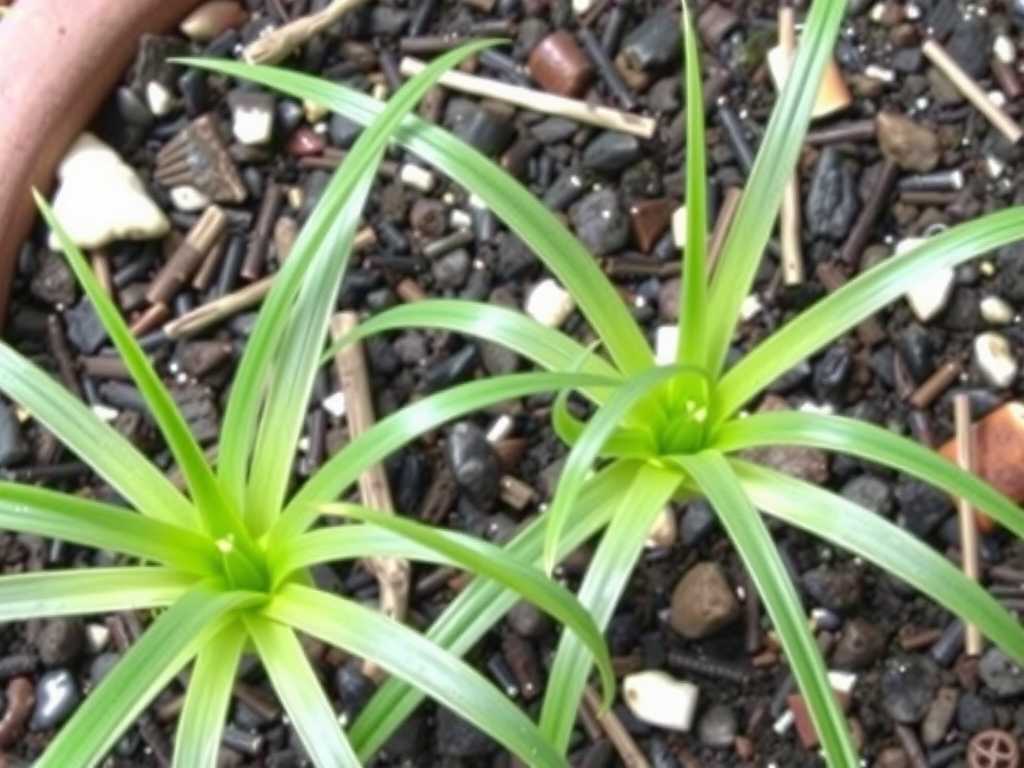
Your seedlings have shed their seed coats and are showing their first true leaves. This is a high-alert period.
- Light Source & Placement: Do not move them to a sunny windowsill yet. Use a bright, north-facing window or an east-facing window with sheer curtains. The best and most controllable solution is to introduce a grow light for young spider plants. Position fluorescent or full-spectrum LED bulbs 6 to 8 inches above the seedlings.
- Duration & Intensity: Provide 14-16 hours of light per day. A timer is invaluable for consistency. The light should feel bright to your eyes, but you should be able to look directly at the source without discomfort. Seedlings should remain compact, with minimal space between leaves.
- Key Sign to Watch For: If stems are elongating noticeably within days, the light is insufficient. Lower your grow light or move the tray to a brighter location immediately.
Stage 2: Establishing Vigorous Growth (Weeks 4-8)
The seedlings are now developing several true leaves and starting to resemble tiny spider plants. Their capacity to handle light is increasing.
- Light Source & Placement: You can gradually acclimate them to brighter indirect light. A few feet away from a south or west-facing window (filtered by a sheer blind) is ideal. If using grow lights, you can maintain the same distance but ensure the intensity is good, or switch to a slightly stronger setting.
- Duration & Intensity: Maintain 14-16 hours of light. This is the phase of rapid leaf and root development. The foliage should be a vibrant, medium green. Dark green leaves can indicate insufficient light, while yellowish or pale green suggests too much intensity.
- The Acclimation Process: If moving from a grow light to a stronger natural light source, do it over 7-10 days. Start with 1-2 hours of the new morning light, then return them to their original spot. Gradually increase exposure each day.
Stage 3: Pre-Transplant Hardening Off (Weeks 8-12+)
Your seedlings are now sturdy little plants, almost ready for their own pots. This stage prepares them for their final growing location.
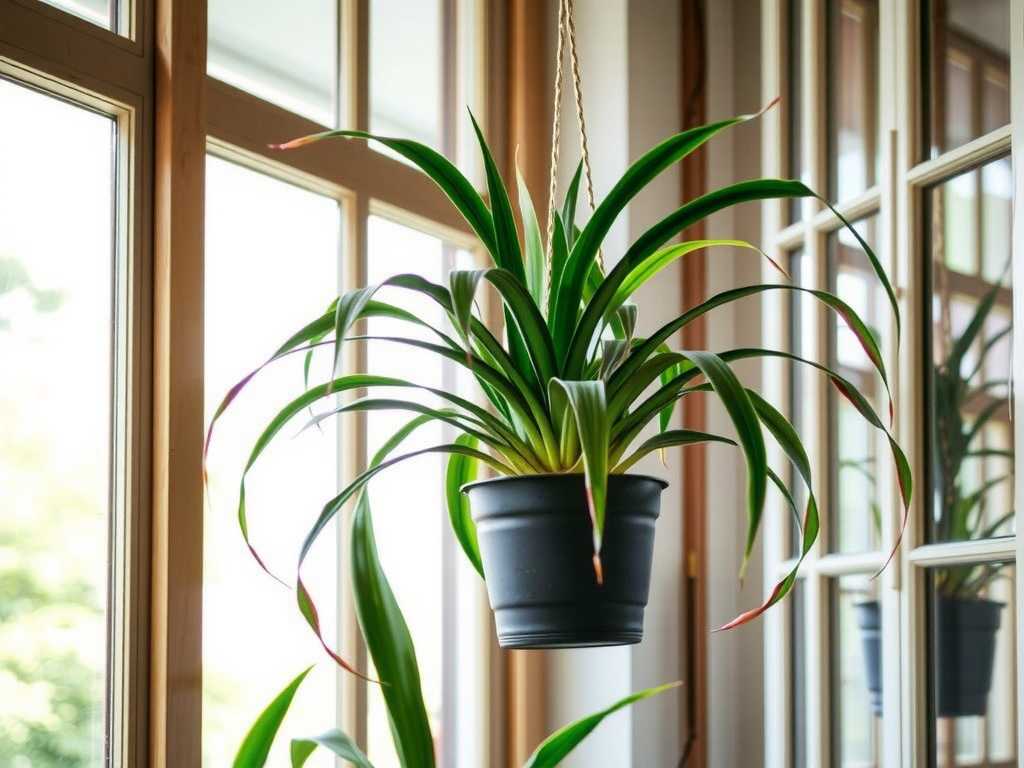
- Light Source & Placement: They should now be thriving in the same bright, indirect light conditions a mature spider plant enjoys. This is the time to finalize their permanent spot—a bright bathroom, a living room shelf with filtered light, or under a patio cover.
- Duration & Intensity: Continue with long daily light exposure. This is also the time to introduce very gentle, brief periods of early morning or late afternoon direct sun (no more than 1-2 hours) to further toughen the foliage, a process crucial for healthy spider plant seedling development. Always monitor for any signs of bleaching or browning at the leaf tips.
Common Lighting Mistakes and How to Correct Them
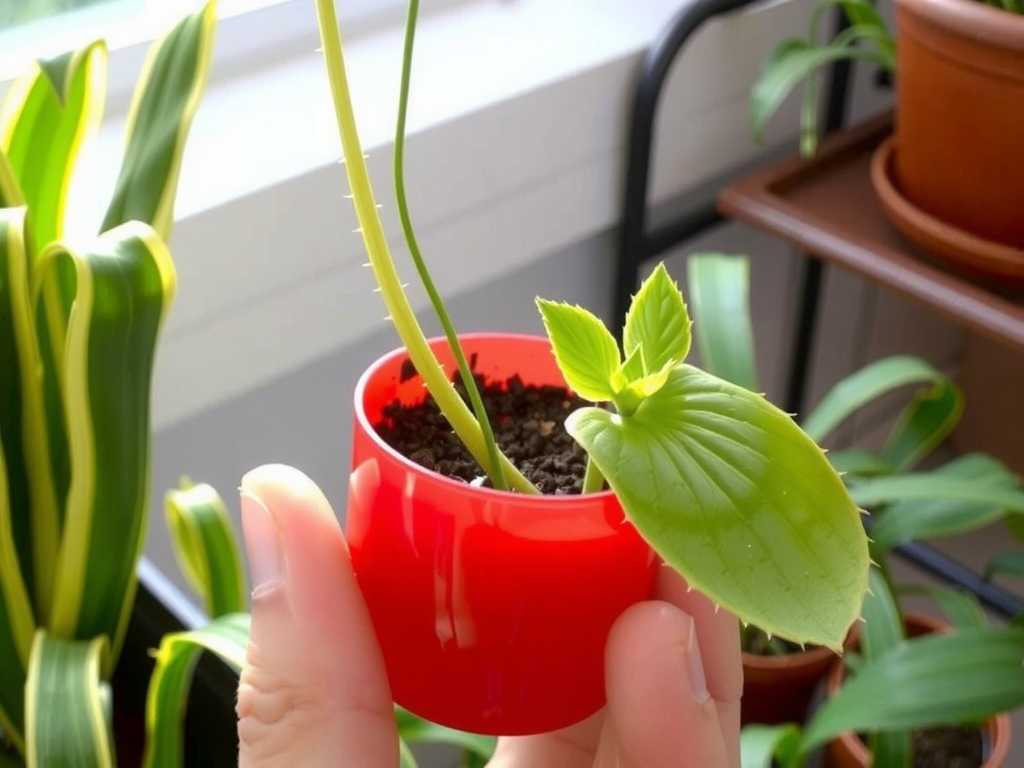
Even with the best intentions, mistakes happen. Here’s how to diagnose and fix them.
- Leggy, Weak Seedlings: This is the clearest sign of low light. The fix is immediate but must be gradual. Move them to a brighter location or lower your grow light by 2-3 inches. Do not suddenly blast them with full sun, as this will cause shock. Unfortunately, severely stretched stems cannot shrink back. You can provide support and focus on growing stronger new growth.
- Leaf Scorch or Bleaching: Brown, crispy patches or a washed-out appearance on leaves means light is too intense and direct. Immediately move the seedlings to a shadier location. Trim off severely damaged leaves to allow the plant to redirect energy.
- Slow or Stunted Growth: While overwatering can cause this, chronic low light is a frequent partner. Assess both your watering schedule (the soil should dry slightly between waterings) and increase light intensity or duration incrementally.
Supporting Practices for Light Success
Light doesn’t work in isolation. These factors are its essential partners.
- Watering in Relation to Light: Seedlings under stronger grow lights or in warmer, brighter spots will dry out faster. Always check soil moisture before watering. The goal is consistent, slight moisture—never soggy, never bone dry.
- Temperature: Spider plant seedlings prefer temperatures between 65-75°F (18-24°C). Cooler temperatures combined with low light will drastically slow growth. A gentle heat mat can be beneficial in the first stage if your environment is cool.
- Nutrition: Hold off on fertilizer until at least 8 weeks, when the seedling has a robust root system. Then, use a diluted, balanced liquid fertilizer at 1/4 strength every 4-6 weeks. Proper light ensures they can actually use these nutrients.
FAQ
Can I grow spider plant seedlings in a low-light room? While mature spider plants tolerate low light, seedlings require bright, indirect light to develop properly. In a low-light room, a grow light is not just helpful—it is absolutely necessary for success. Without it, seedlings will become leggy and fail.
How do I know if my grow light is strong enough? Observe the plants. Compact, green growth with short internodes (space between leaves) indicates good light. If stretching occurs, the light is too weak or too far away. Also, refer to the light’s PPFD (Photosynthetic Photon Flux Density) rating if available; a range of 100-200 µmol/m²/s is suitable for young seedlings.
My seedlings got leggy. Is it too late to save them? It’s not too late, but you must act. Provide stronger light immediately to prevent further stretching. You cannot fix the already elongated stem, but you can encourage bushier growth from the base. When you eventually transplant, you can bury the leggy stem a little deeper in the soil to provide better support.
Mastering light control after germination is the defining skill in spider plant seed propagation. It moves the process from a hopeful experiment to a predictable, successful journey. By providing the right intensity, duration, and quality of light at each delicate stage, you build a foundation of vitality. Your reward will be a generation of spider plants that are not merely survivors, but thriving, resilient specimens grown from your own care and understanding.
发表评论