 admin
admin Mastering Spider Plant Division Propagation: The Ultimate Guide to Watering Frequency Control
You've successfully divided your lush spider plant, a process filled with the promise of new growth. But now, a wave of uncertainty hits. The vibrant green pups sit in their new pots, and the most critical question arises: "How often should I water them?" Overwatering is the silent killer of newly propagated spider plants, leading to root rot and disappointment. Underwatering, while less immediately fatal, can stunt their establishment. This guide cuts through the confusion, providing a clear, step-by-step framework for perfecting your spider plant division propagation watering routine to ensure every division thrives.
Understanding the Post-Division Stress: Why Watering is Critical
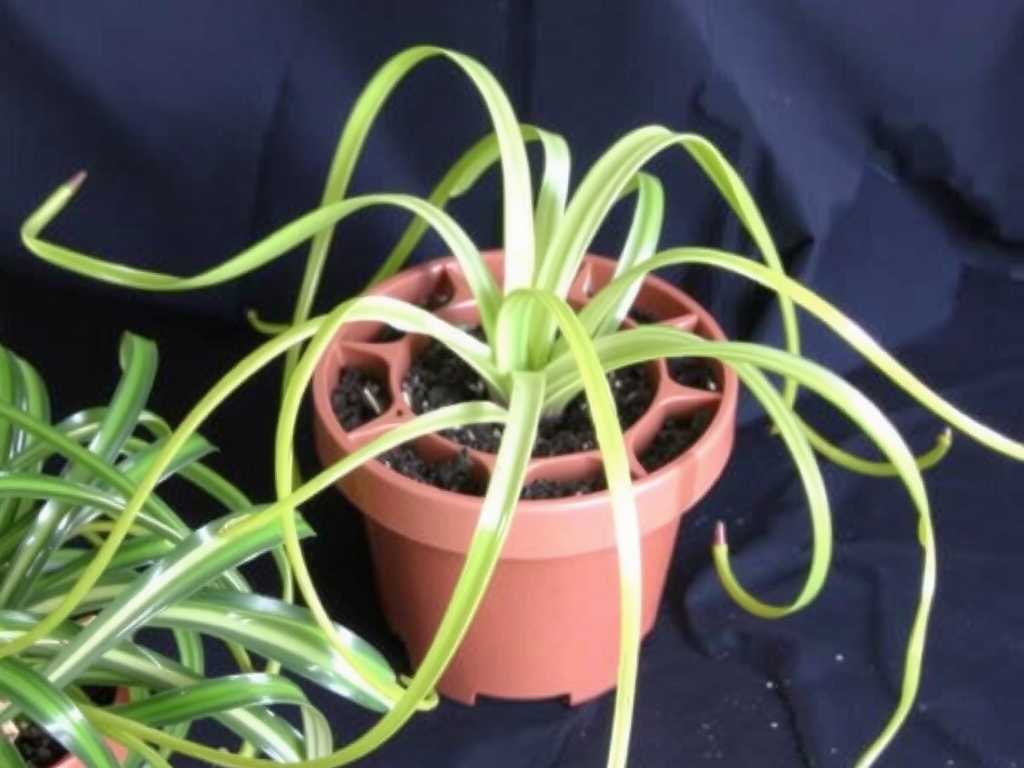
Immediately after division, your spider plant offsets are in a vulnerable state. They have experienced root disturbance, and their root systems are smaller and less established than a mature plant. Their primary goal is to regenerate roots and anchor themselves in the fresh soil. This period requires a delicate balance—providing enough moisture to support root growth without suffocating the roots in soggy, oxygen-deprived soil. The common mistake of treating them like a mature spider plant with a vast root ball is where most failures begin.
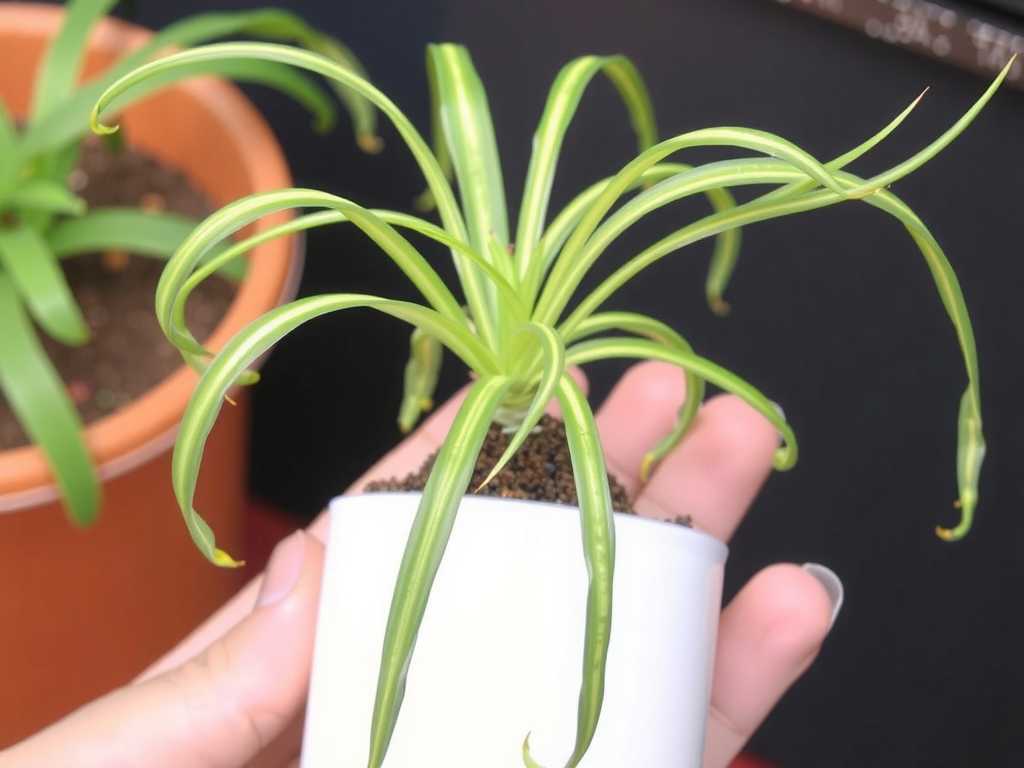
The Golden Rule: Moist, Not Soggy
Forget a fixed schedule like "water every Tuesday." The correct watering frequency after spider plant division is dictated by environmental conditions and soil moisture, not the calendar. Your goal is to maintain consistently moist soil for the first 2-4 weeks. Moist soil feels cool to the touch and holds together when lightly squeezed but does not release excess water. Soggy soil is waterlogged, dense, and will drip readily.
A Step-by-Step Watering Protocol for New Divisions
Phase 1: The Initial Soak (Day 1) After potting your division in a well-draining potting mix, give it a thorough, gentle watering until water flows freely from the drainage holes. This settles the soil around the roots and ensures initial even moisture. Place the pot in bright, indirect light and allow it to drain completely.
Phase 2: The Root Establishment Period (Weeks 1-4) This is the most crucial phase for controlling water after propagating spider plants. Do not water again simply because the surface looks dry.
- The Finger Test: Insert your finger about 1-2 inches into the soil. If it feels dry at that depth, it's time to water thoroughly. If it still feels cool and moist, wait another day and check again.
- Pot Weight Method: Lift the pot. A pot with dry soil is significantly lighter than one with moist soil. With practice, this becomes a quick and reliable indicator.
- Environmental Adjustments: Plants in warmer, sunnier, or drier (low humidity) conditions will dry out faster and may need watering every 5-7 days. Plants in cooler, shadier, or more humid environments may only need water every 10-14 days. Always let the soil condition be your guide.
Phase 3: Transition to Mature Care (Week 4 Onward) As you see new growth emerging from the center of the plant—a sure sign of established roots—you can begin to transition to a more typical spider plant watering routine. Allow the top 1-2 inches of soil to dry out completely between waterings. This encourages the roots to grow stronger as they seek moisture.
Signs You're Getting It Wrong: Troubleshooting Watering Issues
Overwatering Symptoms:
- Yellowing leaves, often starting with the lower, older leaves.
- Soft, mushy brown spots on leaves or at the base.
- A general wilted, limp appearance despite wet soil.
- Foul odor from the soil, indicating root rot.
- Solution: Stop watering immediately. Improve air circulation. If severe, unpot the plant, trim away any black, mushy roots, and repot in fresh, dry mix. Water very sparingly.
Underwatering Symptoms:
- Dry, brown crispy tips on the leaves.
- Leaves that are pale, dull, or curling inwards.
- Soil pulling away from the edges of the pot.
- Stunted growth or no new growth.
- Solution: Give the plant a thorough, deep soak. If the soil has become hydrophobic (repelling water), soak the entire pot in a basin of water for 30-45 minutes to rehydrate the root ball fully.
Expert Insights for Optimal Success
Horticulturist Dr. Linda Chalker-Scott emphasizes the importance of soil structure. "A well-draining potting mix is non-negotiable for propagation success. It provides the physical space for roots to breathe and grow, making proper moisture management for divided spider plants infinitely easier." Combine this with a pot that has adequate drainage holes—terracotta pots are excellent as they allow soil to dry more evenly.
Furthermore, a 2022 study in the Journal of Environmental Horticulture on vegetative propagation stress noted that maintaining consistent substrate moisture (avoiding cycles of extreme wet and dry) significantly improved root biomass and plant vitality in the first month post-division.
Frequently Asked Questions
How long does it take for divided spider plants to root? You can expect to see signs of new top growth, indicating root establishment, within 2-4 weeks under ideal conditions. The roots themselves will be sufficiently established to support normal growth within 4-6 weeks.
Can I use a moisture meter for my new spider plant divisions? Absolutely. A soil moisture meter is a fantastic tool for removing guesswork, especially for beginners. Insert the probe deep into the root zone. A reading in the "moist" range is your target during the establishment phase, moving to "dry" before watering as the plant matures.
Should I mist my spider plant pups to increase humidity? While spider plants enjoy moderate humidity, misting the foliage is a temporary fix and does little for soil moisture. It can sometimes promote fungal leaf spots. For post-division spider plant care, focusing on correct soil watering is far more impactful. If your air is extremely dry, placing the pot on a pebble tray with water is a more consistent method.
Perfecting the art of watering after division is the key to unlocking successful propagation. By prioritizing soil feel over schedule, understanding the plant's transitional needs, and responding to its visual cues, you transform from a hopeful propagator to a confident grower. Your reward will be a collection of robust, healthy spider plants, each a testament to your attentive care during those critical first few weeks.

发表评论