 admin
admin Mastering Spider Plant Runner Layering Propagation: The Critical Role of Soil Pressing Force
You’ve carefully selected a healthy spider plant, waited patiently for it to send out those promising runners, and tenderly layered a baby plantlet into a pot of fresh soil. Yet, weeks later, instead of thriving, the new plant struggles to root or, worse, the runner snaps. The culprit is often overlooked: the soil pressing force during spider plant runner layering propagation. Applying too much pressure can compact the soil, suffocate developing roots, and damage the delicate stolon. Too little, and the plantlet fails to make proper soil contact, leading to dehydration and failed root establishment. This precise, hands-on step is where many propagation efforts silently fail.
Understanding and controlling the pressure you apply when securing the spider plant pup isn’t just a minor detail; it’s the fundamental bridge between a connected plantlet and an independent, rooted plant. Let’s transform this subtle skill from a guessing game into a mastered technique.
Why Soil Pressure is a Make-or-Break Factor in Propagation
The goal of layering is to encourage the plantlet, while still attached to the mother plant via the runner, to transition from receiving water and nutrients through the stolon to drawing them independently from the soil through its own new root system. The soil environment you create at the point of contact dictates this success.
- The Goldilocks Zone for Root Growth: Roots need oxygen as much as they need moisture. Overly compacted soil, caused by excessive pressing force, collapses the tiny air pockets between soil particles. This creates an anaerobic environment where roots cannot breathe or grow efficiently, leading to rot. As noted in horticultural best practices, soil structure is paramount for successful root initiation.
- Secure Anchorage vs. Mechanical Damage: The plantlet must be held firmly enough to prevent movement from disrupting early root hairs, which are incredibly fragile. However, aggressive pinning or heavy soil can crush the tender stem or the runner itself, severing the vital lifeline to the parent plant before the pup is self-sufficient.
- Optimal Moisture Contact: Proper, gentle pressure ensures the node (the bump on the stem where roots emerge) is in uniform contact with consistently moist soil. Inadequate contact creates dry pockets, causing the nascent roots to desiccate and die back.
A Step-by-Step Guide to Perfect Soil Application and Pressing
Follow this precise methodology to apply the ideal soil pressing force for spider plant layering.
Preparation: Setting the Stage Begin with a well-draining potting mix. A blend of standard potting soil with added perlite or coarse sand is ideal. Moisten the mix thoroughly until it’s evenly damp like a wrung-out sponge—this prevents dry soil from wicking moisture away from the plantlet and ensures cohesion when pressed. Select a small pot or a designated area in a larger planter next to the mother plant.
The Layering and Pressing Technique
- Position the Plantlet: Guide the spider plant runner so the baby plantlet rests gently on the surface of the prepared soil. Ensure the node (the base of the plantlet) is in direct contact with the soil.
- The Initial Light Covering: Using your fingers, loosely scoop a small amount of moist soil over the node and the very base of the plantlet. The goal here is coverage, not compression.
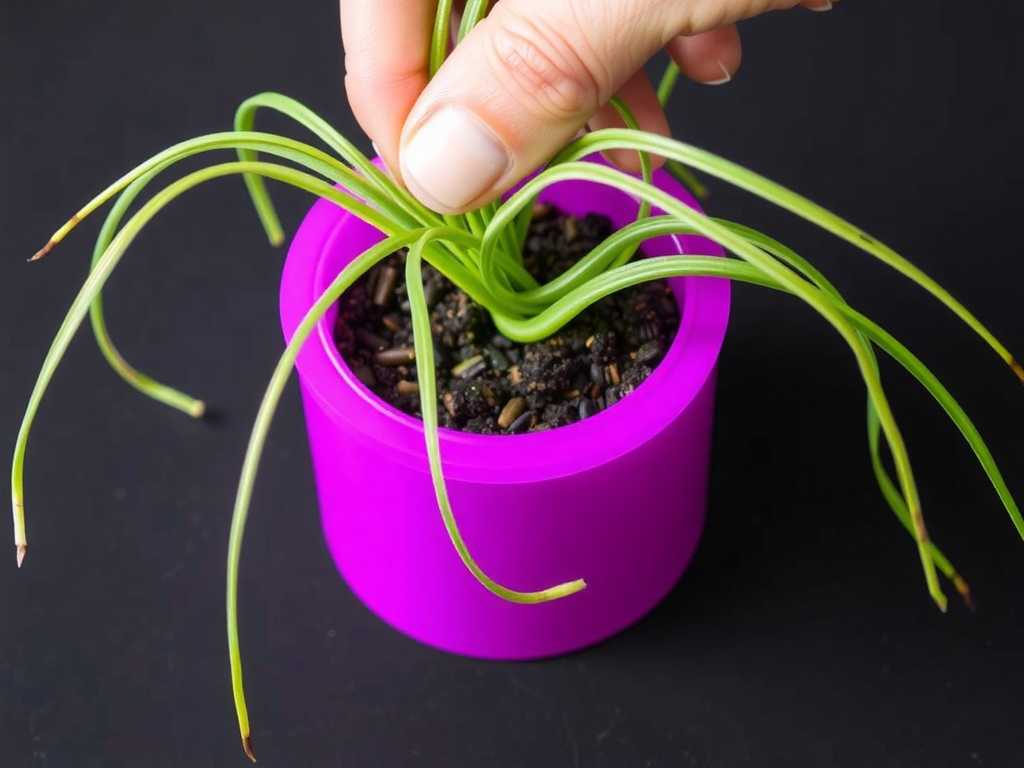
- The Critical Pressing Action: This is the core of controlling pressure during spider plant propagation. Using your fingertips—not your whole hand or thumbs—apply a gentle, firm press directly around the base of the plantlet. Imagine you are tucking it in snugly, not pinning it down. Apply enough force to eliminate large air gaps and see a slight indentation in the soil, but not so much that the soil becomes hard and polished.
- Secure the Runner (Optional): If needed, use a bent paperclip or a small, smooth stone to lightly hold the runner in place. The weight should be minimal, just enough to prevent it from springing back. Avoid metal pins that can cut into the stem.
Post-Pressing Care for Success Water the pot gently using a watering can with a fine rose, circling around the plantlet to settle the soil further without causing erosion. Place the pot in bright, indirect light. Maintain consistent soil moisture—it should feel damp to the touch, not soggy. The key indicator of success is new growth from the plantlet (not just the mother plant), which signals root establishment. Once robust growth is visible, you can sever the runner.
Advanced Tips for Consistent Pressure Control
- The Touch Test: After pressing, the soil should feel springy when lightly poked, not resistant. This indicates retained aeration.
- Tool Alternative: For those who want absolute consistency, consider a small, flat-bottomed tool like the end of a cork. Its uniform surface can help distribute light pressure evenly around the stem.
- Observe and Adapt: The ideal pressure might slightly vary with your soil mix. A peat-heavy mix requires a lighter touch than a chunky, bark-based mix. Always let the soil’s texture guide you.
Common Challenges and Solutions Related to Soil Pressure
- Plantlet Wilting After Layering: This is often due to insufficient soil contact (under-pressing) leading to root dry-out, or overwatering compounded by over-pressed, compacted soil. Check soil moisture and gently excavate to inspect the node if necessary.
- Runner Yellowing or Dying Back: Usually a sign of damage from excessive pressure from a pin or stone, or stem rot from compacted, waterlogged soil at the pinning point. Use lighter securing methods and ensure proper drainage.
- No Root Development After Weeks: The most likely cause is soil compaction from excessive force during the spider plant soil compaction phase, creating a hostile environment for roots. Carefully unearth the plantlet, check the node, and re-layer with a gentler technique.
Frequently Asked Questions
Can I just lay the runner on the soil without pressing it down? While sometimes successful, this "set-it-and-forget-it" method significantly lowers your success rate. Without gentle pressure to ensure solid soil-to-node contact, the plantlet is more susceptible to drying out, and root initiation can be slower and less reliable. Controlled, light pressure creates the stable, moist environment roots need.
I’m worried about hurting the plant. How do I know if I’m pressing too lightly? If you press too lightly, the plantlet will be loose and wobbly. Gently tug on a leaf after planting; if the plantlet shifts easily in the soil, it needs a firmer (but still gentle) press around its base. The soil should hold it securely in place.
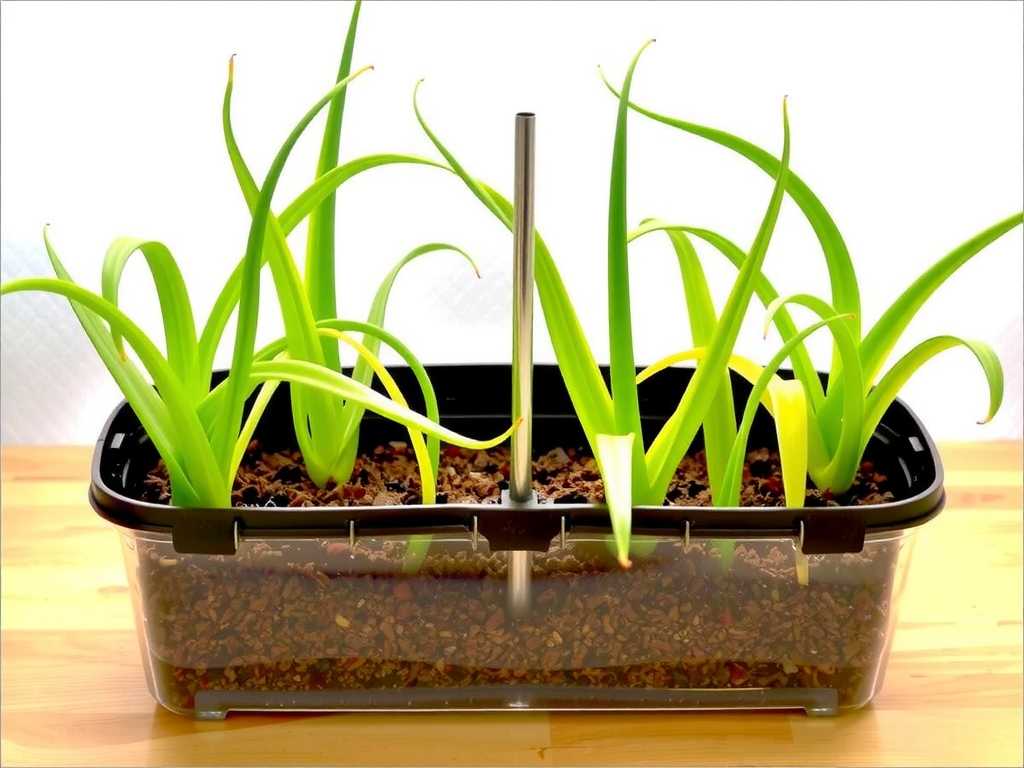
What is the biggest visual sign that I applied the correct soil pressure? The most telling sign comes during the first watering. If the water pools on the surface or runs off instead of soaking in immediately around the plantlet, the soil may be too compacted. If the water causes the soil to collapse and deeply expose the node, the soil was too loose. Correct pressure allows water to soak in evenly while keeping the plantlet securely positioned.
Mastering spider plant runner propagation hinges on the nuanced understanding that the plantlet’s future is quite literally in your hands. By focusing on the quality of the soil contact through controlled, gentle pressure, you move beyond simple placement to creating an intentional root zone. This method respects the plant’s biology, providing the perfect balance of anchorage, moisture, and oxygen. Observe your plant’s response, let the condition of the soil guide your touch, and you’ll transform every runner into a thriving new plant with consistent confidence.
发表评论