bluename
 The Ultimate Guide to spider plant Runner Propagation: Mastering Offshoot Transplanting Depth
You've successfully nurtured your spider plant into a proud parent, sending out elegant runners laden with tiny plantlets. The excitement is real! But now, you're faced with a crucial question: how deep do you plant these precious offshoots? Planting them too deep can lead to rot, while planting them too shallow risks unstable roots and dehydration. Getting the transplanting depth right is the single most important step between a thriving new plant and a disappointing failure. This guide will demystify the process, ensuring your propagated spider plant babies not only survive but flourish.
Understanding Spider Plant Runners and Offshoots
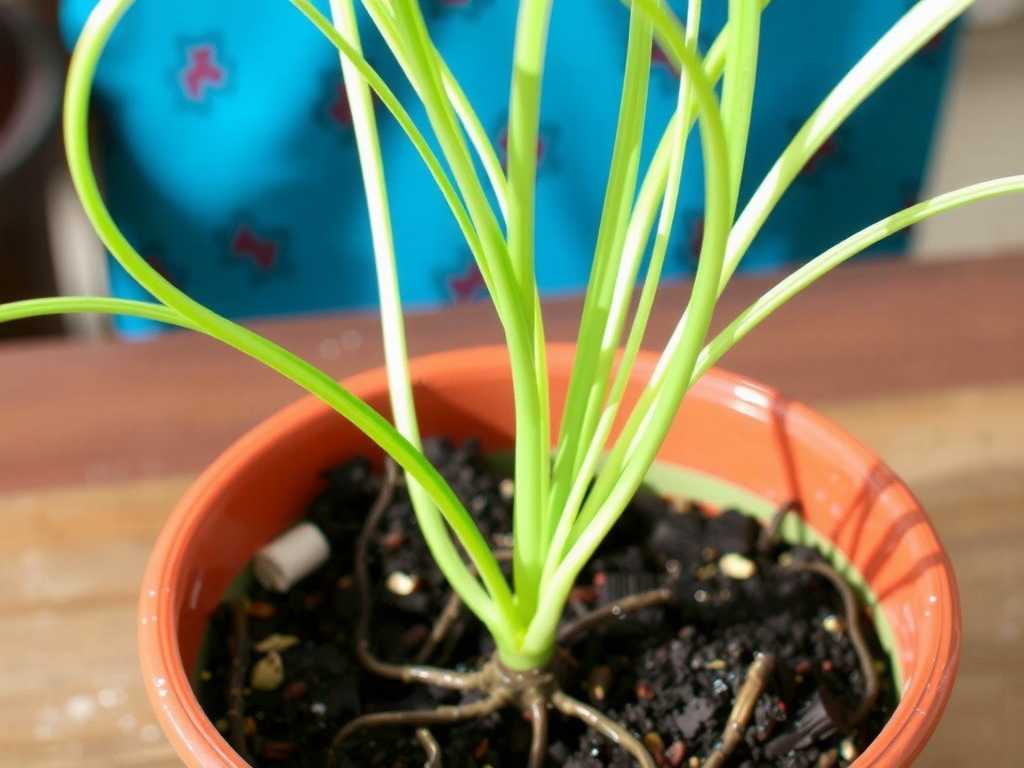
Before we talk about depth, let's understand what we're working with. Those long, arching stems are called stolons or runners. They are the plant's ingenious strategy for reproduction. At their tips or along their length, you'll find the offshoots—complete miniature plants with nascent roots called aerial root primordia. These tiny bumps are the key to successful propagation. According to horticulturist Dr. Linda Chalker-Scott, these pre-formed root initials give spider plants a significant advantage, allowing for rapid establishment once given the right conditions. Our goal is to transition these offshoots from aerial to terrestrial life seamlessly.
Pre-Propagation Preparation: Setting the Stage for Success
The journey to perfect planting depth begins long before the offshoot touches soil. First, identify an ideal candidate. Look for a plantlet that has developed several of those small, nub-like root primordia and has a few leaves of its own, typically 2-3 inches in length. This indicates it's mature enough to sustain itself.
You have two primary choices for the initial rooting phase: water or soil. Water propagation is excellent for visibility and satisfaction, allowing you to watch roots grow. However, soil propagation often leads to a stronger, less shocked plant, as it avoids the transition from water roots to soil roots later. For our focus on final transplanting depth, we'll assume you are either planting directly into soil or transitioning a water-rooted offshoot.
The Critical Factor: How Deep to Plant Spider Plant Offshoots
This is the heart of the matter. The golden rule for spider plant runner propagation transplanting depth is to plant the offshoot just deep enough to cover the entire root base and the white node from which the roots emerge, but never bury the crown of the plantlet.
Here is the precise, step-by-step breakdown:
- Examine the Root Structure: If you rooted in water, you'll have visible, perhaps lengthy, white roots. If planting directly from the runner, you have the root primordia.
- Prepare the Pot and Soil: Use a well-draining potting mix—a standard houseplant mix with a handful of perlite is perfect. Choose a small pot (3-4 inches) with drainage holes. Fill it with soil, leaving space for the plantlet.
- The Planting Action: Create a small hole in the center. The depth of this hole is critical. It should be approximately 1 to 1.5 inches deep. This is the ideal transplanting depth for spider plant offshoots.
- Position the Plantlet: Gently place the base of the spider plant baby into the hole. Ensure all roots are pointing downward. The white, bulbous node (where the roots originate) should be just below the soil line.
- Backfill and Firm: Carefully fill in the hole around the roots, gently pressing the soil to eliminate large air pockets. The soil level should stop right at the base of the green leaves. The pale central crown, where leaves converge, must remain completely above the soil surface.
- Initial Watering: Water thoroughly until it drains from the bottom. This settles the soil around the new roots.
Why This Specific Depth Matters
Planting at a shallow depth of 1-1.5 inches serves multiple essential functions. It provides enough soil contact for moisture absorption and anchorage, encouraging the roots to grow outward and downward in search of resources. Crucially, it keeps the vulnerable crown arid, preventing fungal diseases and rot—the most common killer of newly propagated offshoots. A study on clonal plant propagation in the Journal of Horticultural Science emphasized that burying the meristematic tissue (the growth point) in herbaceous plants like spider plants drastically increases mortality rates due to suffocation and pathogen attack.
Post-Transplant Care for Optimal Establishment
Your job isn't done after planting. Place the newly potted offshoot in bright, indirect light. Avoid direct sun, which can scorch it. Keep the soil consistently moist but not soggy for the first 2-3 weeks. You can create a mini-greenhouse effect by placing a clear plastic bag loosely over the pot to boost humidity, but remove it for an hour daily to prevent mold.
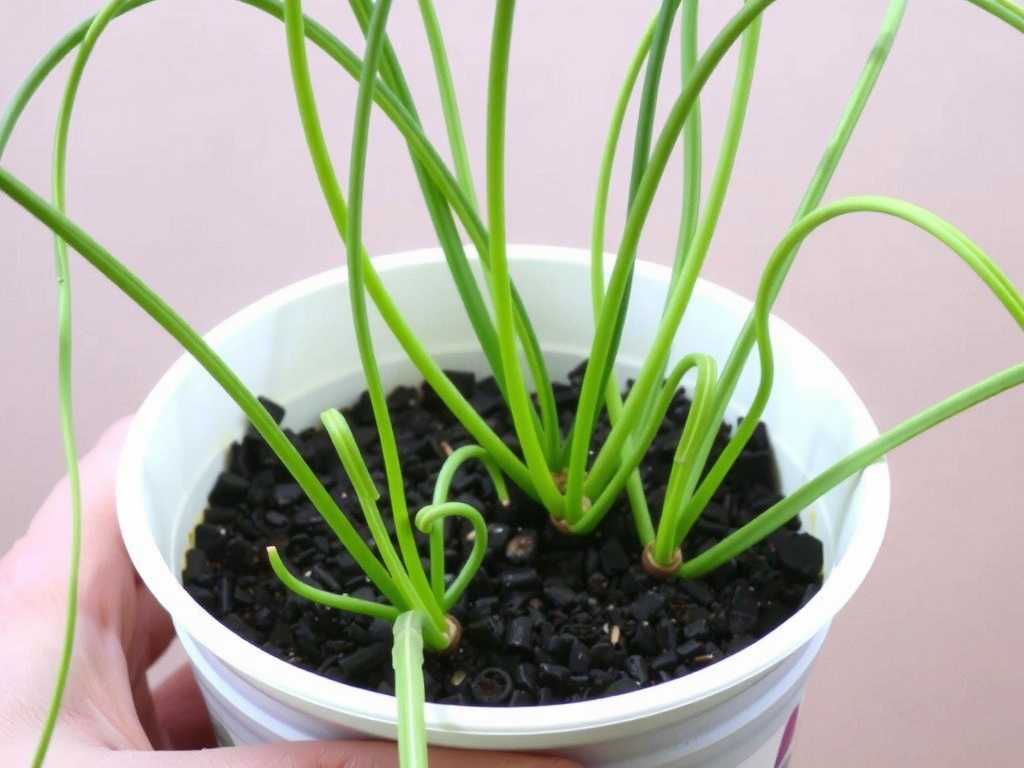
After a few weeks, gently tug on the plant. If you feel resistance, roots have established! You can then begin to care for it as a mature spider plant, allowing the top inch of soil to dry out between waterings.
Troubleshooting Common Depth-Related Issues
- Yellowing Leaves at the Base: A classic sign of planting too deep or overwatering. The buried crown is rotting. Unpot the plant, check for mushy brown roots, trim them, and repot at the correct, shallower depth.
- Plantlet is Wobbly or Falling Over: This indicates planting too shallow or not firming the soil enough. Add a bit more soil around the base to stabilize it, ensuring the crown is still exposed.
- Stunted Growth or Wilting: While this could be due to underwatering, if the soil is moist, it might be root rot from poor drainage exacerbated by incorrect depth. Check the root health.
Frequently Asked Questions
Can I plant multiple spider plant offshoots together in one pot? Absolutely! For a fuller, bushier look, you can plant 3-4 offshoots in a single larger pot (6-8 inches). Maintain the same depth rule for each individual plantlet, spacing them a few inches apart. This technique of grouping propagations is highly effective for instant impact.
Should I cut the runner off before or after planting the offshoot? It's generally recommended to leave the offshoot attached to the runner until it has firmly rooted in its new pot. This allows the "mother plant" to continue supplying resources. After 3-4 weeks, once established, you can snip the runner close to the base of the new plant.
How long does it take for a transplanted offshoot to start growing new leaves? Once properly planted at the correct depth and with good care, you should see signs of new growth—a fresh central leaf emerging—within 4-6 weeks. This is the surest signal that your propagation efforts and attention to planting depth have been successful.
Mastering the transplanting depth for spider plant offshoots transforms propagation from a guessing game into a guaranteed success. By focusing on that key 1 to 1.5-inch zone, protecting the crown, and providing attentive aftercare, every runner your plant produces becomes an opportunity for a vibrant new addition to your indoor garden. Remember, the goal is to give those eager root primordia a secure new home without smothering the plant's heart. Now, go forth and multiply your spider plant collection with confidence