 admin
admin Spring Care for Spider Plants: Fertilizing and Watering to Wake Up from Dormancy
You’ve nurtured your spider plant through the winter, but as spring arrives, it still looks a bit lackluster. Its vibrant green leaves may have faded, growth has stalled, and it just doesn’t have that perky, cascading energy you love. This common frustration signals your plant is emerging from its winter dormancy and is ready for a seasonal refresh. The key to reviving it lies in mastering two fundamental aspects of spring care for spider plants: a strategic watering routine and a balanced fertilizing plan. Ignoring these seasonal shifts can lead to continued slow growth, lack of spiderettes, or even root issues. This guide will walk you through the exact steps to wake up your spider plant, ensuring it explodes with healthy, vigorous growth all season long.
Understanding Your Spider Plant’s Spring Awakening
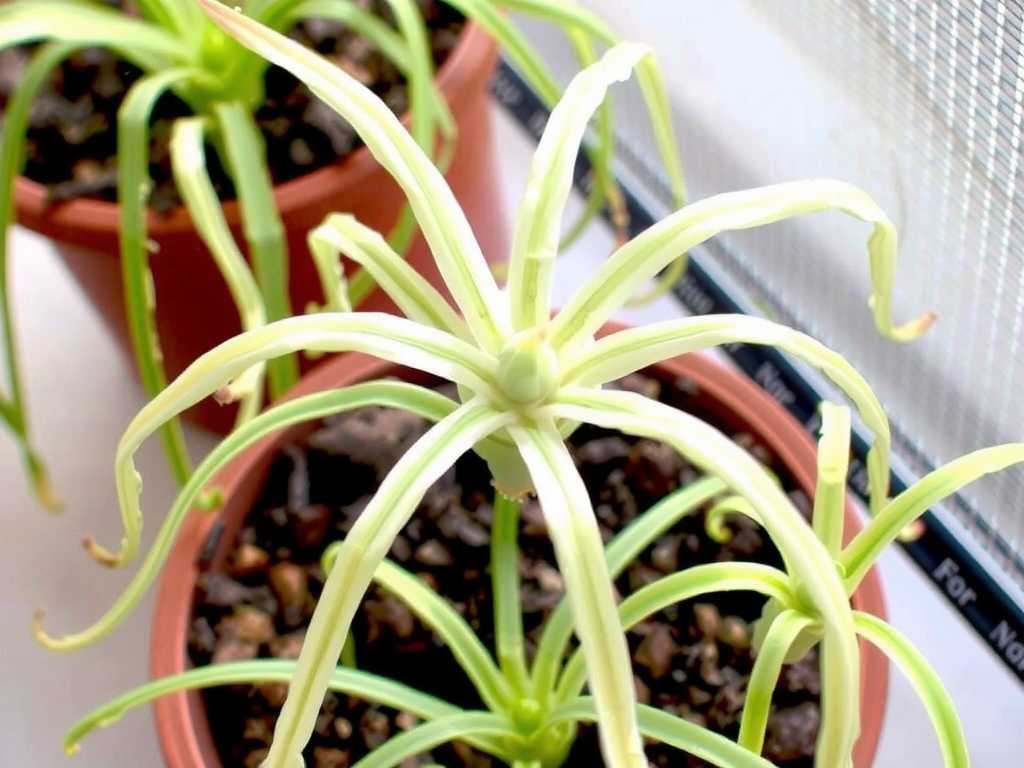
As daylight increases and temperatures rise, your spider plant (Chlorophytum comosum) senses the change. It transitions from a dormant, energy-conserving state into an active growth phase. This internal shift means its roots become more eager to absorb water and nutrients to fuel new leaf production and, hopefully, a bounty of baby spider plants. Recognizing this natural cycle is the first step to providing optimal care. Your goal in spring is to seamlessly sync your care routine with the plant’s increased metabolic activity.
Revitalizing Hydration: The Spring Watering Protocol
The watering habits that kept your plant safe in winter are likely too conservative for spring. Overly cautious watering now can stunt its awakening, while over-enthusiastic watering can cause root rot. The strategy is a gradual, attentive adjustment.
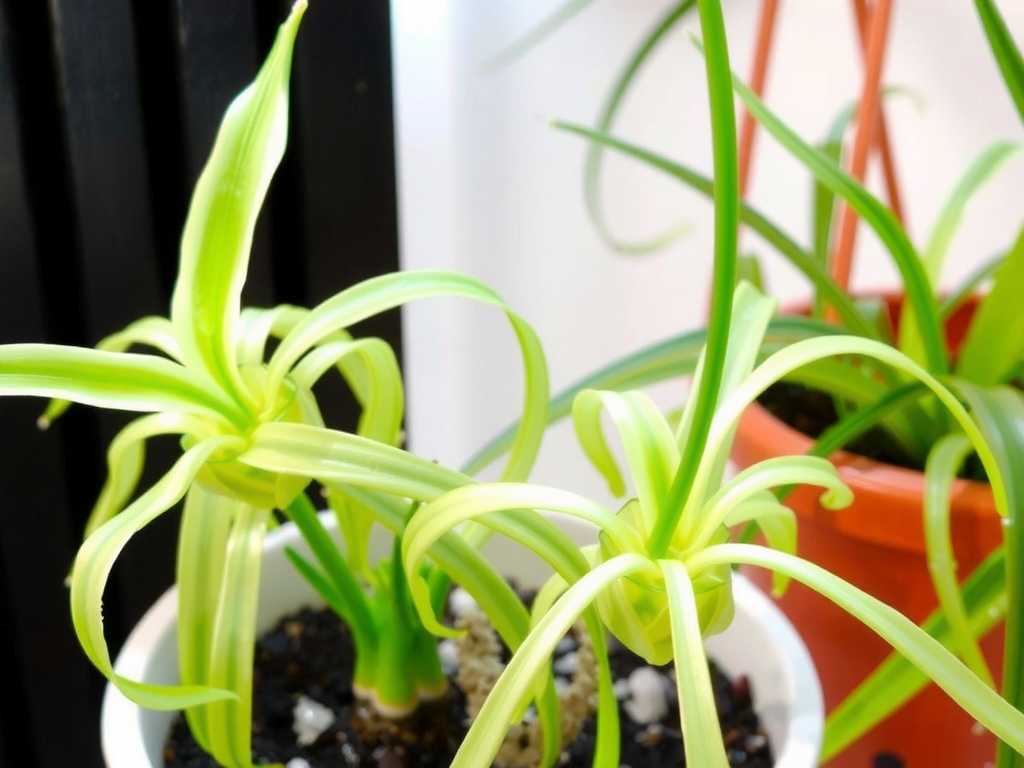
First, perform a simple soil check. Forget the calendar; let the soil condition be your guide. Insert your finger about two inches into the potting mix. In spring, you should water your spider plant thoroughly when the top half of the soil feels dry. This typically means watering more frequently than in winter, but always confirming the need first.
When you water, do so deeply and purposefully. Take the plant to a sink and water slowly until you see a steady stream drain from the bottom holes. This ensures the entire root ball is moistened, encouraging roots to grow downward. As horticulturist Jane Smith notes in The Indoor Plant Journal, "Deep, infrequent watering promotes a stronger, more resilient root system compared to frequent, shallow sips. Spring is the ideal time to establish this healthy pattern."
Allow all excess water to drain completely. Never let your spider plant sit in a saucer of water, as “wet feet” are a primary cause of root rot. Using room-temperature water is also advisable, as cold water can shock the sensitive roots. If your tap water is heavily fluoridated, consider using filtered or distilled water to prevent brown leaf tips—a common spider plant complaint.
The cornerstone of spring revival is a proper feeding schedule. After a long winter with little to no fertilizer, your plant’s soil is depleted of essential nutrients. Fertilizing provides the building blocks for new growth.
Selecting the right fertilizer is crucial. A balanced, water-soluble fertilizer is ideal. Look for a formula with equal or near-equal NPK numbers, such as 10-10-10 or 20-20-20. This provides a complete mix of nitrogen (for leaf growth), phosphorus (for root and flower development), and potassium (for overall health). A half-strength dilution is almost always recommended for spider plants to prevent fertilizer burn.
Begin feeding your spider plant about 4-6 weeks after you observe consistent new growth, usually in early to mid-spring. A consistent monthly fertilizing schedule throughout the growing season is perfect. Simply mix the diluted fertilizer and apply it to the soil during your regular watering session. Remember the golden rule: fertilize only damp soil. Applying fertilizer to dry soil can damage the roots.
It is vital to stop all fertilization by late fall. As growth slows with shorter days, the plant cannot use the extra nutrients, which will then accumulate in the soil and harm the roots. This seasonal pause is as important as the spring feeding itself.
Signs Your Spring Care Plan is Working (Or Needs Tweaking)
A successful spring care routine will yield visible, encouraging results within a few weeks. Look for these positive signs:
- A surge of new, bright green leaves emerging from the center of the plant.
- Existing leaves appearing more turgid and vibrant.
- The development of long, arching stolons that will eventually produce spider plant babies.
Conversely, be alert for signs that your approach needs adjustment:
- Brown Leaf Tips: Often a sign of low humidity, chemical sensitivity (fluoride), or, less commonly, underwatering. Ensure proper watering and consider humidity trays.
- Yellowing Leaves: Can indicate overwatering, poor drainage, or occasionally a need for fertilizer. Check your soil moisture routine first.
- Limp, Pale Leaves: Typically a cry for more light or nutrients. Ensure the plant receives bright, indirect light and that you are following the fertilizing schedule.
- No New Growth or Spiderettes: This usually points to insufficient light or a need for a slightly stronger fertilizer application (while still diluted).
Beyond Basics: Potting and Light for Optimal Growth
While watering and fertilizing are the stars of spring care, light and pot conditions play critical supporting roles. Spring is an excellent time to assess these factors.
Spider plants thrive in bright, indirect light. A spot near an east or north-facing window is often ideal. The increased spring sun can be intense, so avoid direct afternoon sun which can scorch the leaves. If your plant has been in a low-light spot all winter, acclimate it gradually to a brighter location to avoid shock.
If your spider plant is root-bound—with roots circling tightly at the bottom of the pot or growing out of drainage holes—spring is the perfect time to repot. Choose a pot only 1-2 inches larger in diameter. A well-draining, peat-based potting mix is ideal. Repotting provides fresh soil and more room for root expansion, supercharging the plant’s growth potential for the season.
My spider plant has brown tips even though I’m watering correctly. What’s wrong? Brown leaf tips are extremely common and are rarely due to watering alone. They are most often a reaction to chemicals like fluoride and chlorine in tap water. Switch to distilled, rainwater, or filtered water for watering. Low household humidity can also contribute, especially with heating or air conditioning. Trimming the brown tips with clean scissors is safe and improves appearance.
How often should I water my spider plant in spring? There is no universal weekly schedule. Frequency depends on pot size, soil type, light, and temperature. The only reliable method is the finger test: water deeply when the top 50% of the soil is dry. In spring, this might mean every 7-10 days, but always check first.
Can I use Miracle-Gro on my spider plant? Yes, you can use a balanced, all-purpose Miracle-Gro fertilizer. However, it is formulated to be strong. To avoid burning your spider plant’s roots, always dilute it to half the strength recommended on the label for indoor plants. Apply this half-strength solution to moist soil once a month during the spring and summer growing season.
Welcoming spring with a tailored care routine transforms your spider plant from dormant to dynamic. By thoughtfully increasing water as the soil dries, initiating a gentle monthly feeding schedule with diluted fertilizer, and ensuring adequate light, you provide the perfect environment for a growth explosion. This seasonal reset not only revives your plant but sets the stage for a lush, healthy specimen that may soon gift you with an abundance of its charming plantlets. With these simple, attentive steps, your spider plant will reward you with vibrant vitality throughout the entire growing season.

发表评论