 admin
admin Autumn Care for Spider Plants: Pruning and Repotting in Preparation for Winter
As the vibrant greens of summer begin to fade into the rich golds and reds of autumn, your indoor garden requires a seasonal shift in attention. Your spider plant, a resilient and popular houseplant, is no exception. You might notice its leaves developing brown tips, its once-lush variegation fading, or its prolific "pups" making the pot look overcrowded and stressed. The approach of winter, with its shorter days and drier indoor air, can exacerbate these issues if your plant isn't prepared. This comprehensive guide is dedicated to the essential autumn care for spider plants, focusing on the two most critical tasks: strategic pruning and timely repotting. By performing these steps now, you fortify your plant against the dormant season, ensuring it remains healthy, vibrant, and ready to thrive again come spring.
Why Autumn is the Perfect Time for Spider Plant Maintenance
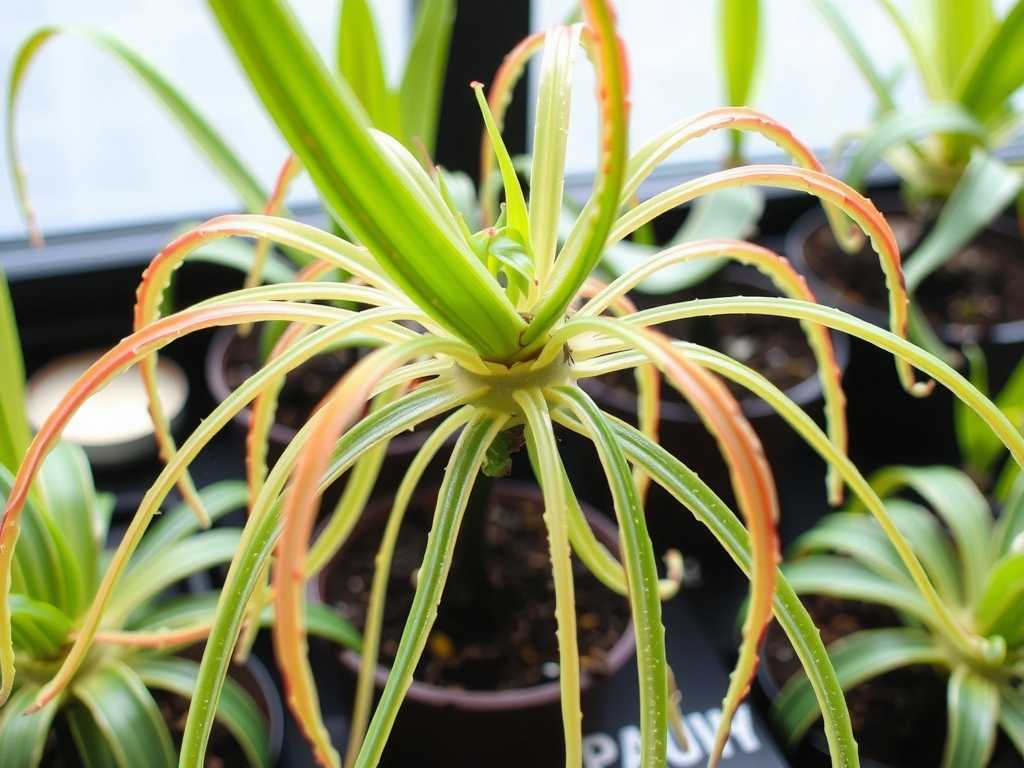
Spider plants (Chlorophytum comosum) enter a period of slowed growth during the fall and winter months. This natural slowdown makes autumn the ideal window for intervention. Performing major care tasks now minimizes stress on the plant, as it is not simultaneously trying to support vigorous new growth. It’s a preventative measure. According to horticulturist and author Jane Smith, "Pre-winter plant care is akin to preventative healthcare. Addressing root-bound conditions and removing dead foliage before the low-light season sets your plant up for resilience, reducing the risk of pest infestations and disease when it's most vulnerable." Our goal is to replicate the plant's natural cycle, allowing it to conserve energy and focus its resources on maintaining a strong root system and core foliage throughout the colder, darker period.
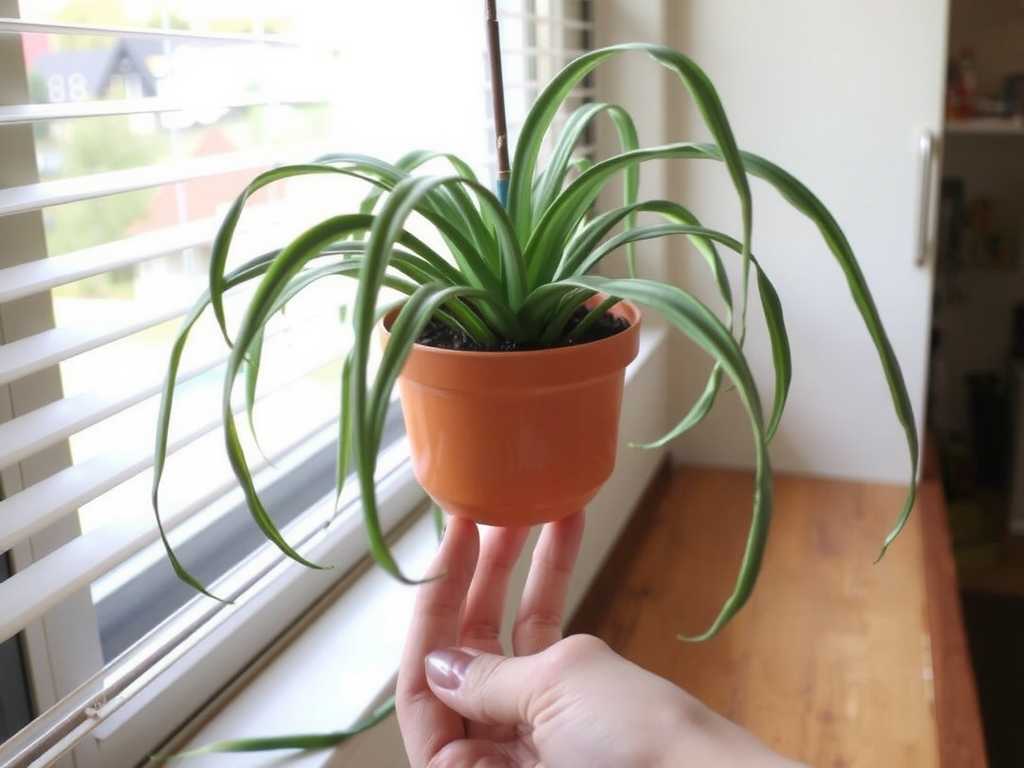
Step-by-Step Guide to Pruning Your Spider Plant in Fall
Pruning is not merely about aesthetics; it's a vital health check. It removes energy-draining material, improves air circulation, and encourages a more compact, attractive shape.
Assessing Your Plant's Needs Begin by thoroughly inspecting your spider plant. Look for leaves that are completely brown, yellowed beyond recovery, or damaged. Pay special attention to the brown tips that spider plants are famously prone to, often due to fluoride in water or low humidity. Also, examine the long, arching stems that carry the plantlets (or pups). Are they spent, yellowing, or overcrowded with pups?
The Correct Pruning Technique Always use clean, sharp scissors or pruning shears. Wiping blades with rubbing alcohol prevents the spread of any potential pathogens. For individual leaves, cut the entire leaf off at the base, near the soil line. Do not just cut off the brown tip, as this often leaves an ugly, still-brown end. Removing the whole leaf is cleaner and directs energy elsewhere. For the stems (stolons) bearing spider plant babies, you have a choice. If the stem is green and healthy but you wish to remove the pups for propagation, snip the pup off, leaving the stem intact, as it may produce more. If the stem itself is turning brown or yellow, prune it back to its point of origin from the main plant.
Post-Pruning Care After pruning, your plant may look a little sparse, but this is temporary. Place it in a location with bright, indirect light and resume normal care. Avoid overwatering immediately after pruning; simply water when the top inch of soil feels dry. The plant will now direct water and nutrients to its remaining healthy growth.
The Essential Guide to Repotting Spider Plants Before Winter
Repotting addresses the hidden environment—the root system. A root-bound spider plant struggles to absorb water and nutrients, leading to stunted growth and increased stress during winter.
Signs Your Spider Plant Needs a New Home The most obvious sign is roots visibly circling the surface of the soil or protruding from the drainage holes. Other indicators include soil that dries out extremely quickly, slowed growth despite proper care, or the plant becoming so top-heavy it easily tips over. An overcrowded pot of pups is also a clear signal.
Choosing the Right Pot and Soil Select a new pot that is only 1-2 inches larger in diameter than the current one. A pot that is too large can lead to waterlogged soil and root rot. Ensure it has ample drainage holes. For soil, a well-draining, peat-based potting mix is perfect. You can enhance a standard mix by adding perlite or orchid bark for extra aeration, as spider plants despise soggy feet.
The Repotting Process, Step by Step
- Preparation: Water your spider plant lightly a day before repotting to reduce transplant shock. Have your new pot, fresh potting mix, and tools ready.
- Removal: Gently tip the pot and coax the plant out. You may need to tap the sides or run a knife around the interior edge.
- Root Inspection and Loosening: Examine the root ball. Using your fingers, gently loosen the outer roots. If they are tightly wound, you can make a few vertical cuts along the sides to encourage them to grow outward into the new soil. This is also the perfect time to divide the plant or separate pups that have their own roots.
- Replanting: Add a layer of fresh soil to the bottom of the new pot. Place the spider plant in the center, ensuring the base of the leaves is about an inch below the pot's rim. Fill in around the sides with fresh soil, gently firming it to eliminate large air pockets.
- Initial Watering: Water the plant thoroughly until water runs freely from the drainage holes. This helps settle the soil around the roots.
Aftercare: Helping Your Plant Settle In Place the repotted plant back in its preferred spot with bright, indirect light. Do not fertilize for at least 4-6 weeks to allow the roots to heal and acclimate. Resume your normal watering schedule, checking the soil moisture carefully, as the new soil may retain water differently.
Optimizing Winter Conditions for a Healthy Spider Plant
With pruning and repotting complete, adjust the overall care routine to suit the winter season. Reduce watering frequency significantly, allowing the soil to dry out more thoroughly between waterings. Cease fertilization entirely until early spring, as the plant is not actively growing and cannot use the nutrients. Combat dry indoor air from heating systems by grouping plants together, using a humidifier, or placing the pot on a pebble tray with water. Ensure it still receives as much bright, indirect light as possible, as daylight hours shorten.
Frequently Asked Questions
How often should I water my spider plant in winter? Watering needs drop substantially. Instead of a schedule, use the "finger test." Water only when the top 50-75% of the soil feels dry to the touch. This may mean watering every 2-3 weeks instead of every week, depending on your home's conditions.
Can I propagate the spider plant babies I removed in the fall? Absolutely. Autumn is a great time to propagate. Place the pup (with its tiny roots) in a small container of water or directly into moist potting mix. Keep it in a warm, bright location. While growth may be slower than in spring, it will establish roots ready for a growth spurt when seasons change.
My spider plant's leaves are pale and limp after winter. What did I do wrong? This is typically a sign of too much water combined with too little light during the dormant period. The plant entered a resting state but was kept too moist, potentially leading to root stress. As spring arrives, reassess its location for better light and double-check your watering habits. It will likely recover with improved conditions and the resumption of gentle fertilization.
By dedicating time to autumn care for your spider plant, specifically through thoughtful pruning and repotting, you are not just performing chores. You are actively investing in the plant's long-term vitality. This proactive approach mitigates the common pitfalls of the winter season, transforming a period of potential decline into one of quiet strength and preparation. When the first signs of spring appear, your spider plant will respond not with struggle, but with a burst of grateful, vigorous new growth, rewarding your careful stewardship with lush, trailing beauty for another year.

发表评论