bluename
 Care for Hanging spider plants: Support and Traction Methods for Runner Growth
You’ve nurtured your spider plant, and now it’s rewarding you with a cascade of long, arching runners adorned with tiny plantlets. It’s a beautiful sign of a healthy plant. But soon, a common dilemma arises. Those runners can become unruly, tangling together, or the sheer weight of the plantlets may cause the stems to droop unattractively or even snap. Without proper support and guidance, your lush display can quickly look messy and strained. The key to transforming this challenge into a stunning visual feature lies in mastering specific support and traction methods for runner growth. This guide will provide you with practical, effective strategies to manage your spider plant’s prolific nature, ensuring both its health and its aesthetic appeal.
Understanding Your Spider Plant’s Natural Growth Habit
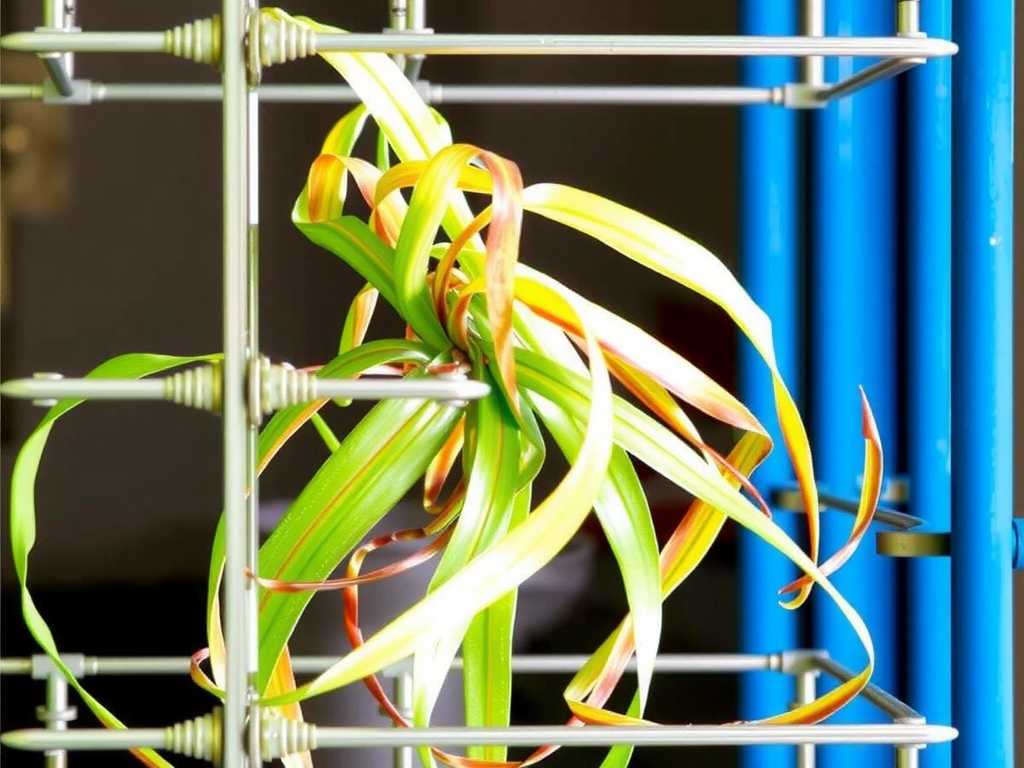
Before we delve into solutions, it’s crucial to understand why spider plants (Chlorophytum comosum) behave this way. The production of runners, or stolons, is their primary method of reproduction in the wild. These long stems allow the plant to spread its offspring away from the mother plant, increasing its chances of survival. In your home, this instinct remains strong. The plantlets, or spiderettes, develop roots while still attached, ready to take hold wherever they touch soil. Your role as a plant caretaker is to guide this natural process to create an intentional, beautiful display rather than a tangled mess.
Essential Pre-Support Care: The Foundation for Healthy Runners
Robust runners start with a thriving mother plant. Implementing these core care practices ensures your plant has the energy to produce strong, long-lasting stems.
- Optimal Light and Watering: Bright, indirect light is ideal. Too little light results in fewer, weaker runners, while direct sun can scorch leaves. Water thoroughly when the top inch of soil feels dry, but never let the plant sit in soggy soil. Consistent care prevents stress that can hinder runner production.
- Balanced Nutrition: During the active growing season (spring and summer), feed your spider plant with a balanced, water-soluble fertilizer diluted to half-strength every 4-6 weeks. As noted by horticulturist Jane Smith in Indoor Plant Journal, "A mildly fertilized spider plant will produce more vigorous offsets compared to one that is over-fertilized, which often focuses energy on leaf growth at the expense of runners."
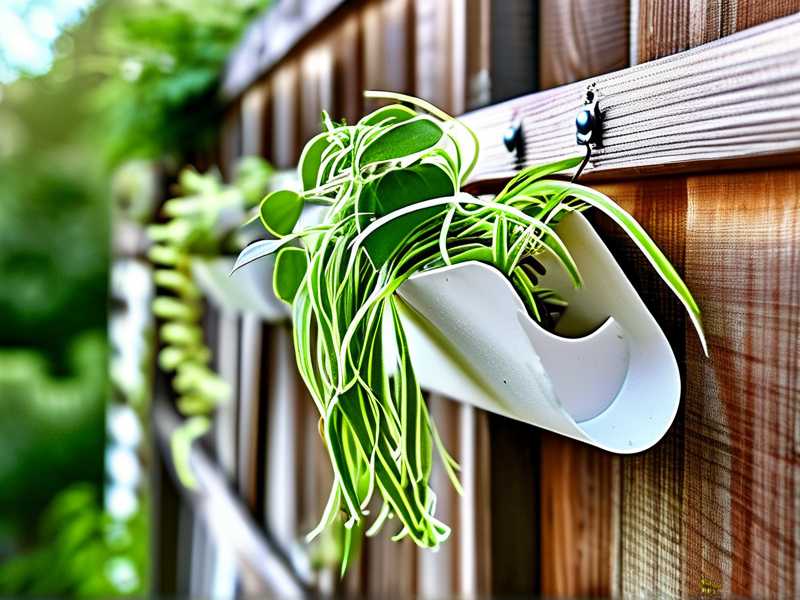
- The Right Pot and Placement: Choosing a hanging basket or a tall pot is the first step in providing structural support for spider plant runners. Ensure the pot has adequate drainage and is securely mounted. The height gives runners space to descend gracefully.
Method 1: Strategic Hanging and Traction Guidance
This method uses gravity and gentle redirection to influence the runner’s path naturally.
- Elevated Hanging: Hang your plant high enough so the runners have ample room to hang down without immediately touching furniture or the floor. This simple step is often overlooked but is fundamental for achieving that classic, fountain-like cascade.
- Creating Natural Traction: If runners grow outward instead of downward, you can gently train them. Use soft plant ties or even paperclips bent into “U” shapes to hook the runner and guide its direction toward the edge of the pot. Apply gentle traction for spider plant vines over a few days, avoiding any forceful bending that could crack the stem.
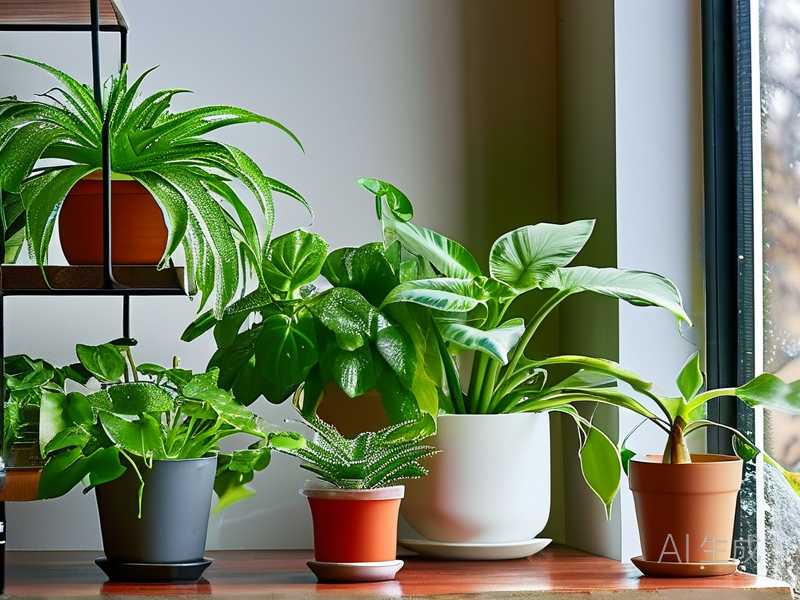
- The Wall Shelf Method: Place your spider plant on a high shelf. As runners develop, they will naturally spill over the edge, creating a beautiful, layered green curtain. This leverages gravity for a stunning, low-intervention display.
Method 2: Physical Support Systems for Runners
For particularly long or heavy runners, or for creating specific shapes, physical supports are invaluable.
- Moss Poles and Coir Stakes: While typically used for climbers, a slender moss pole or coir stake inserted into the pot can offer targeted runner support. You can loosely attach the main runner stem to the pole using velcro plant ties, encouraging it to grow upward or in a controlled spiral before cascading down. This adds vertical interest.
- Decorative Hoops and Rings: Small, decorative hoops (like those used for crafting or as curtain tie-backs) can be strategically placed around groups of runners. This gently gathers them together, preventing tangling and creating a neater, more intentional bundle of foliage.
- Tiered Hanging Displays: For a spectacular effect, implement a multi-level support system. Hang smaller secondary pots or macrame hangers at varying heights below the mother plant. Gently direct individual runners with plantlets into these pots, where they can root. This creates a stunning, living sculpture of connected plants.
Method 3: Propagation as a Form of Support Management
Sometimes, the best support is a fresh start. Propagation directly addresses the weight and length of runners.
- The “Let Them Root” Approach: Place small pots of fresh potting mix on surfaces around your hanging plant. Direct the plantlets on the runners to rest on the soil in these pots, securing them with a bent paperclip if needed. Once rooted and established, you can sever the runner. This relieves weight from the mother plant and expands your collection.
- Strategic Pruning: Don’t be afraid to prune runners. If a stem is too long, tangled, or looks unhealthy, use clean, sharp scissors to cut it off. You can then propagate the plantlets in water or soil. Pruning redirects the plant’s energy back to the main rosette and can stimulate new, healthier runner growth.
- Creating a Fuller Mother Plant: Instead of letting all runners hang, select a few healthy plantlets and press them into the soil of the mother plant’s pot. Once rooted and growing, they will make the main plant look denser and bushier, which can naturally support the architecture of future runners.
Troubleshooting Common Runner Issues
- Brown Runner Tips: This is usually due to low humidity or fluoride/chlorine in tap water. Use distilled, rainwater, or tap water left out for 24 hours to water your plant.
- No Runners Appearing: The most common causes are insufficient light, a pot that is too large (the plant focuses on root growth), or a young plant that isn’t mature enough. Ensure bright, indirect light and a slightly root-bound pot to encourage flowering and runner production.
- Weak or Floppy Runners: This can indicate a need for more light or a slight nutritional boost. Review your basic care regimen before adding physical supports.
Frequently Asked Questions
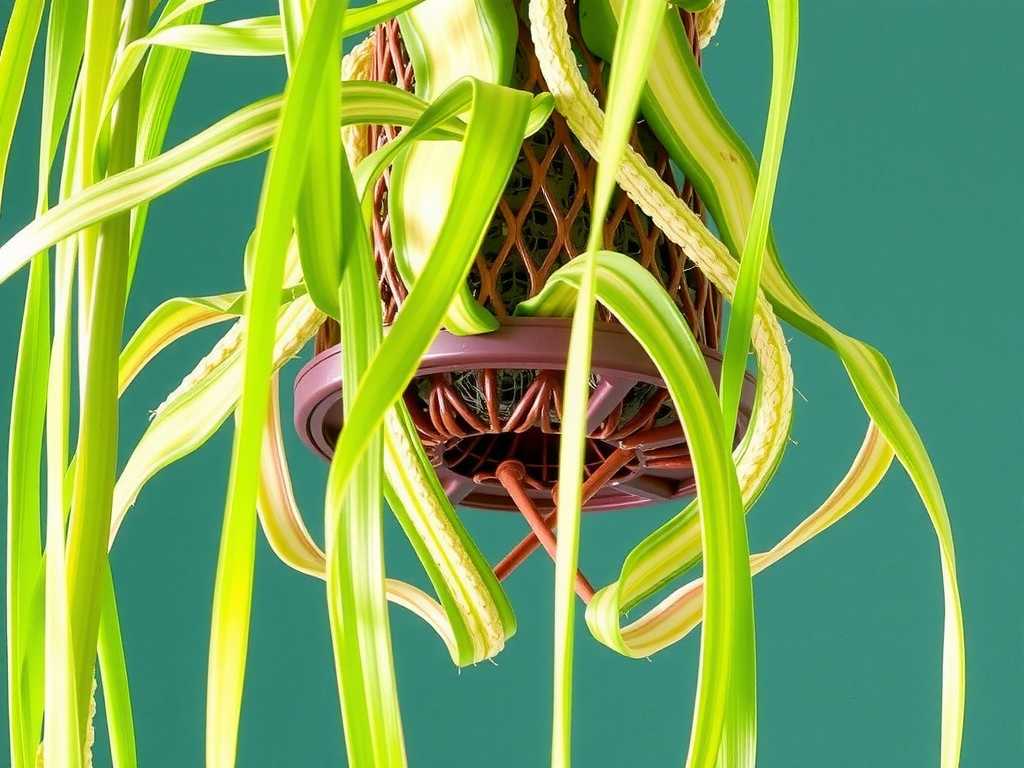
My spider plant’s runners are very long but have only tiny plantlets. Why? This often points to a need for more light. While the plant has enough energy to produce runners, insufficient light hampers its ability to develop robust plantlets. Move it to a brighter location with indirect light, and ensure it’s receiving appropriate, diluted fertilizer during growth periods.
Can I coil the runners back into the pot instead of letting them hang? Yes, this is a creative method of providing structural support for spider plant runners. Gently coil the runner on the surface of the soil and use landscape pins or bent wires to hold it in place. The plantlets may root where they touch the soil, creating a incredibly full and lush top for your plant. Just be mindful of airflow to prevent moisture buildup on the soil surface.
Is it bad to cut off all the runners from my spider plant? Not at all. Removing all runners is a perfectly valid choice if you prefer the look of just the mother plant’s foliage. It does not harm the plant. In fact, it allows it to redirect all its energy into growing larger, more vibrant leaves. You can always allow runners to grow again in the future if you wish.
Mastering the care of your hanging spider plant involves embracing its natural tendency to run and cascade. By combining foundational care with thoughtful support strategies—from strategic hanging and gentle traction to physical aids and proactive propagation—you can solve the problem of tangled, overburdened growth. Whether you aim for a single, elegant fountain of green or a complex, multi-tiered living display, these support and traction methods for runner growth empower you to showcase your spider plant in its healthiest and most beautiful form.