bluename
 Care for Short-Leaf spider plants: Light Tips to Promote Plump Leaves
You love your short-leaf spider plant for its easy-going nature, but lately, its leaves look a bit… sad. Instead of the firm, plump, and vibrant foliage you expect, they seem thin, pale, or even limp. You water it faithfully, so what’s the problem? The secret to transforming those spindly leaves into lush, robust growth often lies in one critical, yet misunderstood, factor: light. Mastering light exposure is the single most effective way to encourage your Chlorophytum comosum ‘Bonnie’ or similar short-leaf variety to produce the thick, succulent-like leaves that make this plant so appealing.
Many plant parents assume spider plants thrive in dark corners, but insufficient light is the primary culprit behind weak, elongated growth. This guide will provide actionable light tips to promote plump leaves, ensuring your spider plant not only survives but truly thrives.
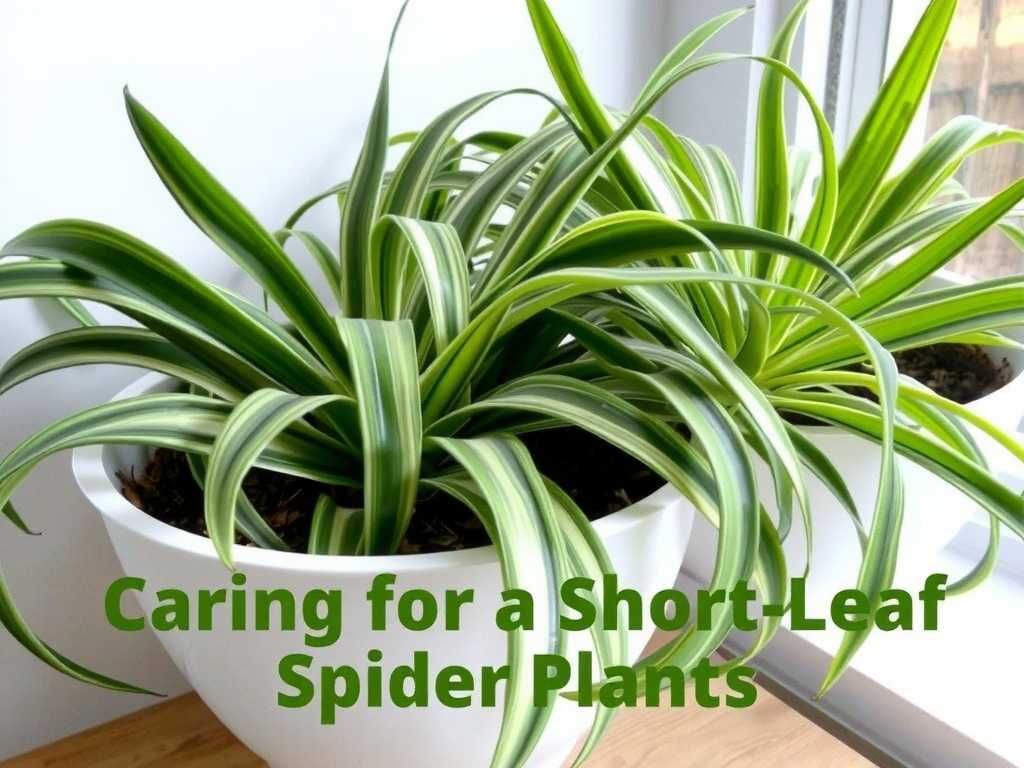
Understanding Your Short-Leaf Spider Plant’s Light Language
Plants communicate their health through their foliage. Before adjusting your care, learn to read the signs your spider plant is showing.
Signs of Insufficient Light When your short-leaf spider plant isn’t getting enough photons, it enters survival mode. The leaves become noticeably elongated and narrow as the plant “stretches” towards any available light source, a process known as etiolation. Growth slows to a crawl, and the rich green color fades to a washed-out, pale yellow or lime green. Most crucially for leaf plumpness, the leaves lose their turgor and firmness, becoming thin and flexible instead of thick and sturdy. You’ll also notice a distinct lack of its signature runners and plantlets.
Signs of Too Much Direct Sun On the opposite extreme, harsh direct sunlight, especially the intense afternoon rays, can scorch the delicate leaves. This manifests as brown, crispy tips or bleached, burnt patches on the foliage. While the leaves might not become thin, they become stressed and damaged, hindering their ability to stay plump and healthy. The goal is to find the perfect balance that fuels growth without causing harm.
The Ideal Light Recipe for Plump, Healthy Leaves
Achieving plump leaves is about providing consistent, high-quality light that drives efficient photosynthesis. This process allows the plant to create the energy and sugars needed to build strong, thick cell structures within the leaves.
Bright, Indirect Light: The Gold Standard For the short-leaf spider plant, the unequivocal best practice is bright, indirect light for 6-8 hours daily. This means placing the plant in a spot where it receives ample ambient light from a window, but where the sun’s rays never directly hit the leaves. An east-facing window is often ideal, offering gentle morning sun. A north-facing window can work if it’s truly bright. South or west-facing windows are excellent, but the plant must be set back a few feet, shielded by a sheer curtain, or placed to the side of the window frame to avoid direct beams.
This consistent light exposure is the key to promoting plump leaves. It provides the energy required for the plant to develop thicker leaf tissues, storing more water and nutrients, which directly translates to a fuller, more substantial appearance.
Supplementing with Grow Lights Not every home has perfect natural light. If your space is dim, especially during winter months, a full-spectrum LED grow light is a fantastic solution. Position the light 12-18 inches above the plant and run it for 10-12 hours a day to mimic a long, bright day. As noted by horticulturist Dr. Linda Chalker-Scott in her urban horticulture work, supplemental lighting can be crucial for maintaining compact growth and leaf integrity in low-light indoor environments. This ensures your plant continues the photosynthesis necessary for plump leaf development year-round.
Advanced Light Management Techniques
Once you’ve found the right spot, a few extra steps can optimize your results and prevent common pitfalls.
Seasonal Light Adjustments The sun’s intensity and angle change with the seasons. The weaker winter sun may allow your plant to tolerate a spot closer to a south-facing window. Conversely, in summer, you may need to pull it back further or enhance window filtering. Observe your plant and be prepared to rotate or relocate it slightly every few months. This consistent, appropriate light management prevents seasonal stress that can lead to thin growth.
The Critical Link Between Light, Water, and Leaves Light dictates your watering schedule, which in turn affects leaf plumpness. Under bright indirect light, the plant photosynthesizes actively and uses water more quickly. Water thoroughly only when the top 50% of the soil feels dry. This cycle of thorough watering followed by a period of drying encourages the roots—and consequently the leaves—to maintain healthy water storage, contributing to a plump texture. In lower light, water much less frequently to avoid soggy soil, which can cause root rot and ironically lead to limp, wilting leaves despite the wet conditions.
Avoiding the Two Most Common Light Traps First, avoid deep shade. A dark room or a corner far from any window will inevitably lead to the thin, weak growth described earlier. Second, avoid hot, direct sun. A few hours of direct morning sun can be beneficial, but prolonged exposure, especially through glass, will cook the leaves. If you notice browning tips despite good watering practices, light stress is a likely cause.
How to Encourage Bushier Growth and More Plantlets
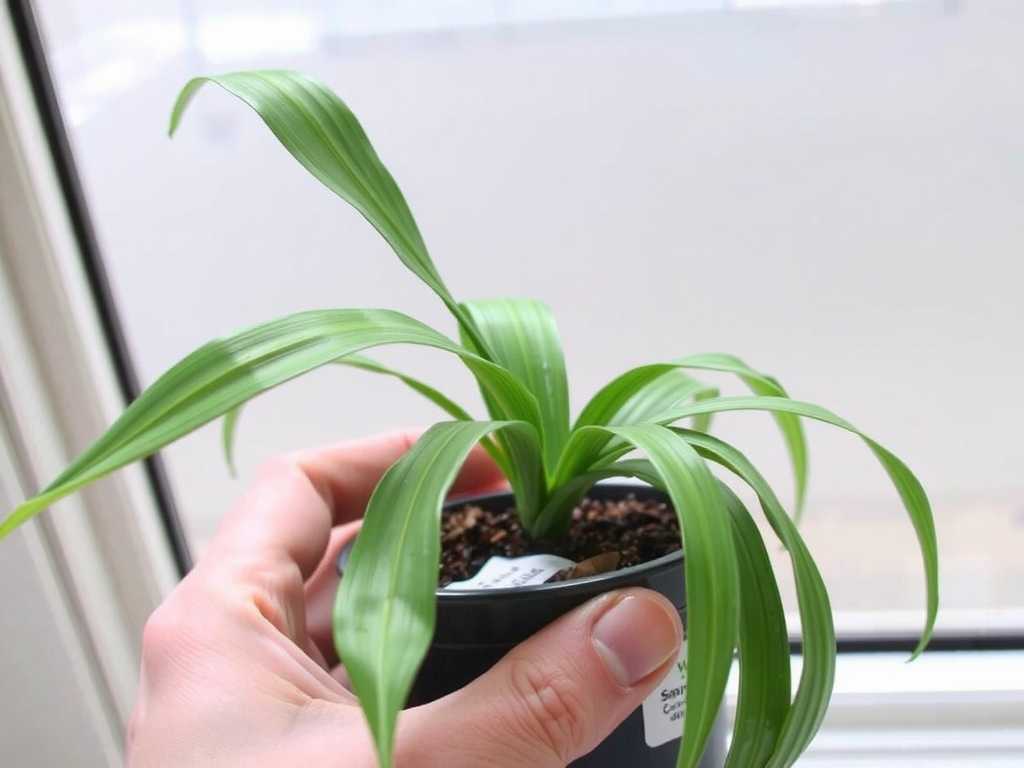
With optimal light established, you can focus on shaping your plant for maximum visual impact.
Pruning and Propagation for Density If your plant has existing long, leggy stems, don’t be afraid to prune. Use clean scissors to cut off the entire stem at the base. This signals the plant to redirect energy into producing new, compact growth from the center. The cuttings, especially any plantlets (spiderettes), can be propagated in water. Once rooted, you can pot them back into the same mother pot. This “cluster planting” technique, endorsed by many interior landscapers for creating fuller displays, instantly creates a denser, bushier appearance.
Optimizing Care for Maximum Leaf Health Light works in concert with other factors. Use a well-draining potting mix to support the healthy roots needed for water uptake. During the growing season (spring and summer), feed monthly with a balanced, water-soluble fertilizer diluted to half strength. This provides the nitrogen and potassium essential for building strong leaf cells. A healthy, well-fed root system under perfect light is the ultimate recipe for plump and healthy spider plant leaves.
Why are the leaves on my short-leaf spider plant turning pale and limp? This is almost always a classic sign of insufficient light. The plant is unable to produce sufficient chlorophyll (the green pigment) or the energy needed to maintain leaf rigidity. Move it to a brighter location with indirect light, and you should see the color and firmness improve in a few weeks.
Can my spider plant recover from leggy, thin growth? Yes, absolutely. While the existing thin leaves will not become plump, new growth will emerge thick and healthy if the plant is moved to correct, bright indirect light. You can prune away the most unattractive leggy stems to encourage the plant to focus energy on producing new, better-formed foliage.
How do I know if my plant is getting the right amount of light? Use the leaf as your guide. Ideal light results in fast, compact growth with leaves that are a deep green (or vibrant variegated, depending on the cultivar), firm to the touch, and show no signs of stretching or browning. The plant will reliably produce offshoots and flowers when it’s perfectly happy with its light conditions.
Mastering light for your short-leaf spider plant is less about following a rigid rule and more about understanding a principle: consistent, bright, indirect light fuels the engine of growth. By learning to read your plant’s signals and providing this essential resource, you create the foundation for undeniable health. The reward is a resilient, vibrant plant adorned with plump, lush leaves that radiate vitality—a clear sign you’ve unlocked the secret to truly sophisticated spider plant care.