bluename
 Night Care for spider plants: Do They Need to Be Moved to a Shaded Area?
You’ve spent the day tending to your indoor jungle, and as the sun sets, a question pops into your head: what about my spider plants at night? Should I be moving them to a darker corner or adjusting their care after dark? This common concern stems from a desire to provide the best possible environment for these resilient yet sometimes finicky popular houseplants. Understanding their nighttime needs is simpler than you might think and is key to preventing issues like brown leaf tips or slow growth. This guide will walk you through everything you need to know about night care for spider plants, ensuring your green friends thrive around the clock.
Understanding the Spider Plant’s Natural Rhythm
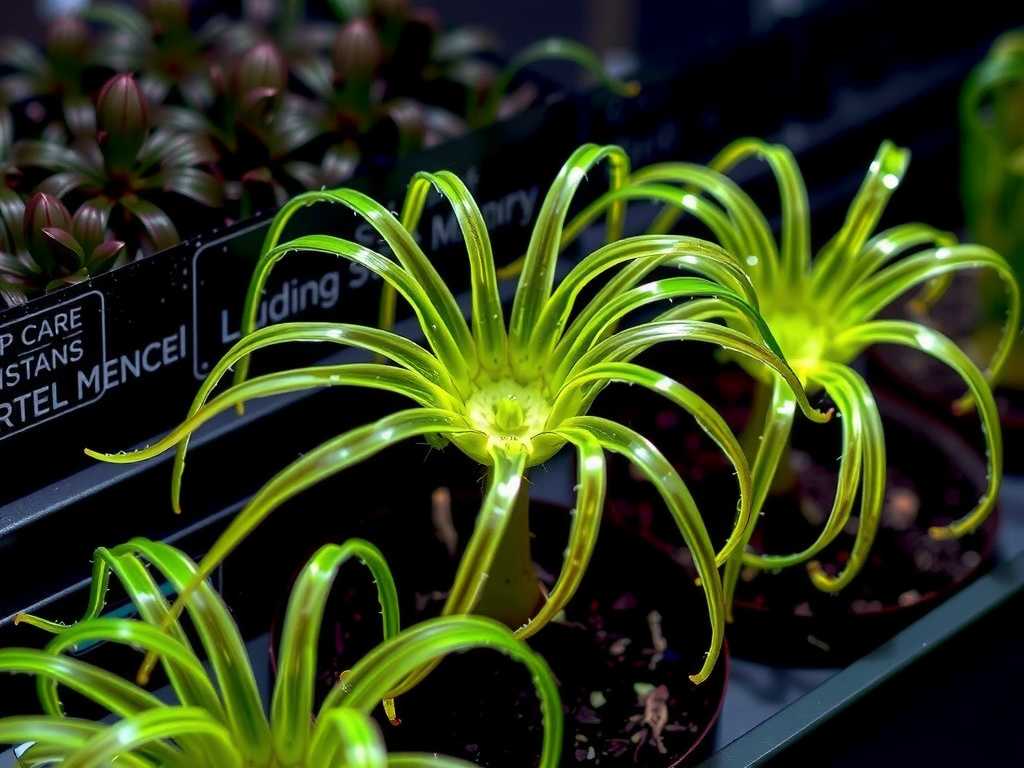
Spider plants (Chlorophytum comosum) are native to the coastal forests of South Africa. In their natural habitat, they grow under the canopy of larger trees, enjoying bright, indirect light during the day and experiencing significant darkness at night. They, like all plants, rely on a cycle of light and dark to perform different biological functions.
During the day, through photosynthesis, they convert light, water, and carbon dioxide into energy (sugars) and oxygen. At night, in the absence of light, they switch to respiration, using that stored energy for growth and cell repair. This daily cycle, known as the circadian rhythm, is crucial for their health. Therefore, providing a period of genuine darkness is just as important as providing light.
Do Spider Plants Need Darkness at Night?
In short, yes, spider plants benefit from a regular cycle of day and night. While they don’t require pitch-black conditions, they should not be subjected to intense, direct artificial light for 24 hours a day. Constant illumination can disrupt their natural processes, potentially leading to stress. The good news is that the typical light conditions in a home after sunset—ambient light from streetlights or occasional room lighting—are perfectly acceptable. The core question isn’t about creating absolute darkness, but rather about managing light quality and temperature.
The Real Issue: Light, Temperature, and Drafts
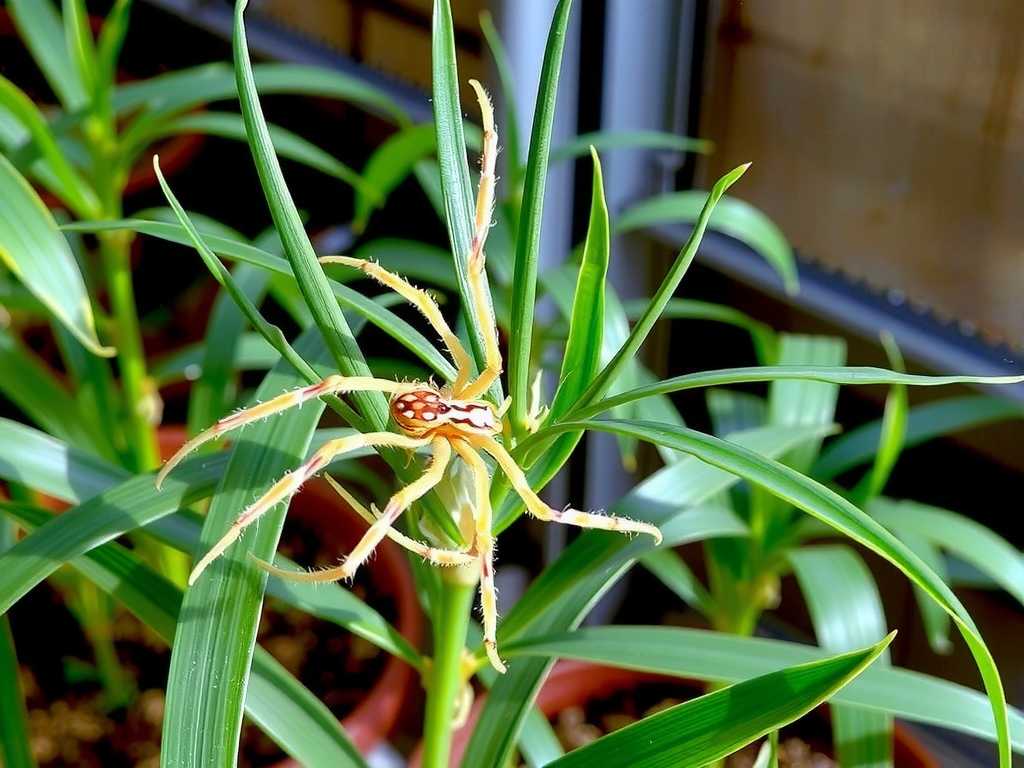
The instinct to move your spider plant at night often ties into three key environmental factors: light exposure, temperature drops, and airflow. Let’s break down whether you should move your spider plant to shade or adjust its position based on these elements.
1. Managing Artificial Light Exposure Spider plants do not need to be actively moved to a shaded area every evening if they are already in a spot with appropriate indirect light. However, consider their placement relative to strong indoor lighting. A plant positioned directly under a bright, hot grow light or a powerful LED lamp that stays on late into the night might appreciate being moved out of that direct beam. The goal is to mimic a natural sunset, not to plunge it into darkness. For most homes, simply turning off the main room lights is sufficient.
2. The Importance of Nighttime Temperature This is a more critical factor than light for night care for spider plants. Spider plants prefer temperatures between 65°F and 75°F (18°C - 24°C) during the day and can tolerate a slight drop at night, but nothing drastic. A natural dip of 5-10 degrees is actually beneficial and mimics their native environment. Problems arise if your plant is on a windowsill.
- Cold Drafts: Single-pane windows can become very cold at night during winter, exposing your plant to damaging chills.
- Heat Vents: Conversely, being near a heating vent that blows hot, dry air all night can dehydrate the leaves.
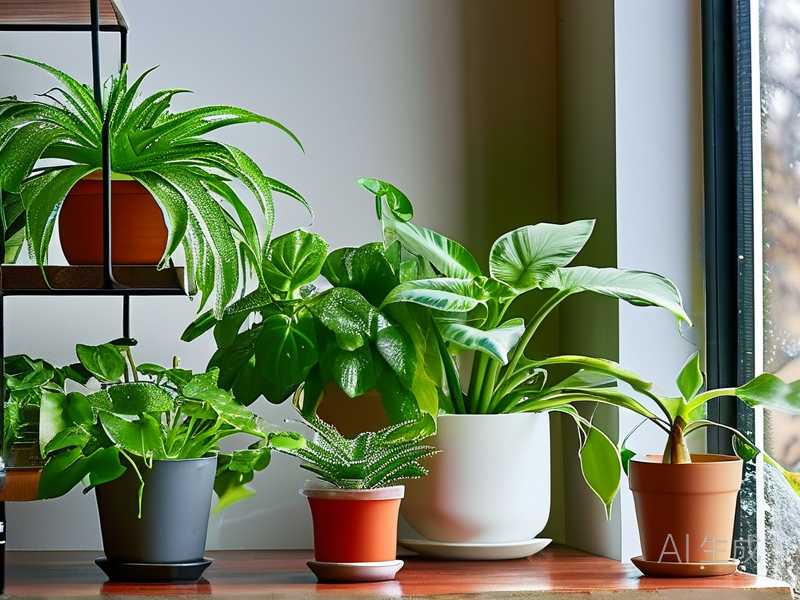
Should you move your spider plant at night in this case? Absolutely. If it’s on a cold windowsill in winter or directly in the path of forced air, moving it to a more sheltered, room-temperature spot in the evening is an excellent practice. This doesn’t necessarily mean a shaded closet, but simply a stable interior location away from temperature extremes.
3. Avoiding Drafts and Dry Air Similar to temperature, cold or hot drafts can cause stress. A drafty corridor or an open window on a cool night can lead to leaf tip browning. Ensuring your plant is in a draft-free location is part of good nighttime management.
Best Practices for Optimal Spider Plant Night Care
Instead of a nightly ritual of moving your plant, establish a smart, permanent placement and a simple care routine.
- Find the “Goldilocks” Spot: Choose a location that offers bright, indirect light during the day and remains at a stable, comfortable room temperature at night, away from drafty windows, doors, and heating/cooling vents. An interior wall shelf or a table a few feet from a window is often ideal.
- Watering Wisdom: Be mindful of evening watering. Watering late in the day can leave soil damp and cool overnight, increasing the risk of root rot. It’s best to water in the morning, allowing the plant to utilize moisture throughout the day.
- Let Them Rest: Respect their natural cycle. Avoid repotting, pruning, or other stressful activities in the evening. Allow them the nighttime period for undisturbed respiration and growth.
What About Using a Grow Light at Night?
Horticulturist and author Jane Smith advises, “Plants have evolved with the sun as their clock. While supplemental lighting is fantastic for dark winters, running grow lights 24/7 denies plants their essential rest period, which can deplete their energy reserves over time.” If you use a grow light to supplement daylight hours, set it on a timer to provide 12-14 hours of light, followed by 10-12 hours of darkness. There is no benefit to leaving it on all night, and it may cause harm.
Addressing Common Nighttime Concerns
- Why are the tips of my spider plant turning brown? This is the most common issue. While often linked to fluoride in water or low humidity, it can be exacerbated by nighttime stressors like cold drafts from a window or hot, dry air from a vent. Review your plant’s nighttime location for temperature stability.
- Can I keep my spider plant in a bathroom with a night light? Yes, this can be a great location. The ambient glow of a small night light is not disruptive. The higher humidity from showers is a major bonus for spider plants, helping keep leaf tips green. Just ensure it still gets some natural or artificial light during the day.
- My spider plant isn’t producing babies (spiderettes). Could it be the light at night? A lack of offspring is more directly tied to insufficient bright, indirect light during the day or a pot that is too large (the plant focuses on root growth). However, chronic stress from poor nighttime conditions—like constant cold roots—can divert energy from reproduction. Focus on providing excellent 24-hour care: great daytime light, stable nighttime temperatures, and slightly pot-bound roots to encourage flowering and pupping.
Providing proper night care for spider plants is less about nightly interventions and more about strategic, thoughtful placement. They do not need to be shuffled into a shaded corner each evening, but they profoundly benefit from a stable environment that offers a natural cycle of light and dark, coupled with protection from nighttime chills and drafts. By choosing a spot that maintains a consistent, comfortable temperature away from extremes, you allow your spider plant to rest and recharge, leading to lush, vibrant growth and healthy spiderettes. Observe your plant’s response; perky, green leaves are the best indicator that your day-and-night routine is perfectly balanced.