bluename
 Is your balcony spider plant looking a bit worse for wear this summer? Those once vibrant, cascading leaves might be showing signs of sun stress—bleached, crispy tips, or a general dull, yellowish cast. You know your spider plant (Chlorophytum comosum) loves bright light, but the intense, direct midday summer sun on a balcony can be too much of a good thing. The solution isn’t to banish it to a dark corner but to master the art of filtering that harsh light. This guide focuses on a highly effective yet often overlooked tool: using shade cloth for balcony spider plant care during the peak summer heat. We’ll explore how this simple method protects your plant, promotes lush growth, and keeps those spiderettes thriving.
Understanding the Midday Sun Threat on Your Balcony
Before we dive into solutions, it’s crucial to understand what your spider plant is up against. Balconies, especially south or west-facing ones, can create a microclimate significantly hotter and brighter than ground-level gardens. The sun’s rays are most intense between 10 a.m. and 4 p.m., and when reflected off concrete floors, glass railings, or light-colored walls, the heat and light intensity can double.
Spider plants are remarkably adaptable, but they are native to the forest floors of South Africa, where they receive dappled sunlight under a canopy. Prolonged exposure to direct, scorching midday sun leads to photoinhibition—a process where the plant’s photosynthetic machinery gets damaged. The leaves lose chlorophyll, turning pale or yellow (scorching), and the leaf tips brown and crisp up, a classic sign of stress. This isn’t just cosmetic; it weakens the plant, stunts growth, and can halt the production of its famous offshoots, or “spiderettes.”
Why Shade Cloth is the Ideal Solution for Balcony Gardens
While moving the plant is an option, balcony space is often limited. Shade cloth offers a targeted, adjustable, and permanent seasonal fix. Unlike sheer curtains which can block views, shade cloth is a horticultural fabric designed specifically to moderate sunlight and heat. Its woven or knitted construction provides uniform shade while allowing for crucial air circulation—a key factor in preventing fungal issues that can arise in stagnant, humid conditions.
Expert horticulturists, like those from the University of Florida IFAS Extension, often recommend shade structures for container plants in exposed locations. They note that reducing light intensity by 30-50% can prevent heat stress and reduce water loss through transpiration by up to 30%. For a balcony spider plant, this means a more stable root environment and less frequent watering, a major convenience benefit.
Choosing the Perfect Shade Cloth for Your Spider Plant
Not all shade cloths are created equal. Your choice depends on your balcony’s specific sun exposure.
1. Shade Density Percentage: This is the most critical factor. Density indicates how much sunlight is blocked.
- 30-40% Density: Ideal for balconies with mild morning or late afternoon sun, or for locations with bright but mostly indirect light all day. It offers a gentle filter.
- 40-50% Density: The recommended starting point for most balcony spider plants. This provides substantial protection from intense midday rays while still letting through plenty of bright, diffused light for robust growth and flowering.
- 50-60% Density: Reserve this for south or west-facing balconies with extreme, all-day exposure. It creates a “bright shade” environment perfect for preventing leaf scorch.
2. Material and Color:
- Knitted Polyethylene: Lightweight, durable, and resistant to fraying. It’s the top choice for DIY balcony setups.
- Aluminized Shade Cloth: Features a reflective coating that deflects heat more effectively, lowering temperatures under the cloth more than standard black cloth.
- Color: Black is common and absorbs some heat. White or aluminized cloth reflects more sunlight and heat away, potentially creating a cooler zone for your plant.
Practical Installation Tips for Your Balcony
You don’t need a complex structure. Here are simple, effective ways to deploy shade cloth:
The Canopy Method: Attach grommeted shade cloth to your balcony’s ceiling, wall, or railing using hooks, zip ties, or rope. Create a slanted or flat canopy directly above your plant grouping. Ensure it’s secure against wind.
The Freestanding Frame: Use inexpensive PVC pipes, wooden stakes, or a small garden trellis to build a frame around or over your plant. Drape and secure the cloth over it. This is portable and allows you to adjust placement as the sun moves.
The Roll-Down Screen: For a sleek look, install a simple curtain rod or wire along the sun-facing side of your balcony. Use clip rings to attach the shade cloth, creating a roll-up or pull-across screen you can adjust as needed.
Position the cloth so it casts shade primarily during the harsh midday hours. Morning sun is gentler and beneficial, so you may only need coverage from late morning to mid-afternoon.
Complementary Care Practices When Using Shade Cloth
Integrating shade cloth into your overall summer care routine maximizes its benefits.
Watering Adjustments: While shade cloth reduces evaporation, always check soil moisture. The top inch should dry out between waterings. Shade may mean slightly less frequent watering than a full-sun plant, but avoid letting the plant dry out completely.
Fertilizing: Your spider plant is still actively growing. Feed it monthly with a balanced, water-soluble fertilizer (e.g., 10-10-10) diluted to half-strength. The filtered light supports steady growth without the burnout risk from full sun.
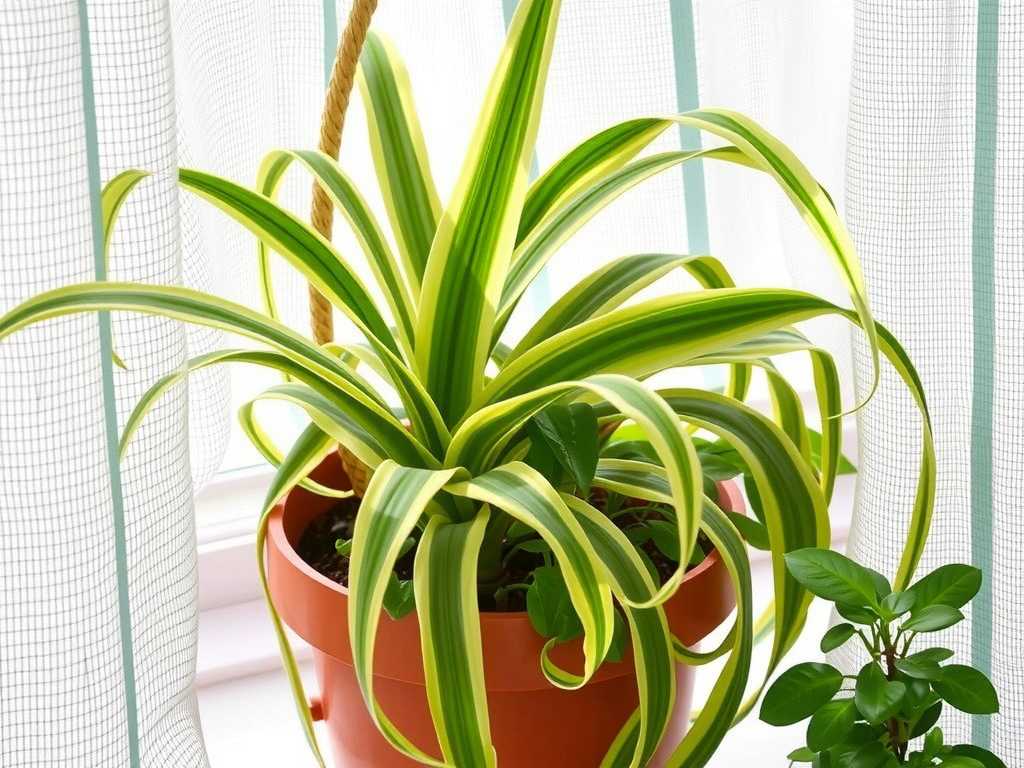
Monitoring and Rotation: Observe your plant. Leaves should be a deep green, not stretching or becoming leggy (a sign of too little light) nor bleaching (a sign of too much). Periodically rotate the pot to ensure even growth on all sides.
Will shade cloth stop my spider plant from producing babies (spiderettes)? No, properly dosed shade will not inhibit reproduction. In fact, a severely stressed plant in full sun often stops producing offshoots altogether. A 40-50% shade cloth provides the bright, indirect light spider plants prefer for flowering and sending out healthy, vigorous spiderettes.
Can I use a regular tarp or burlap instead of shade cloth? It’s not recommended. Tarps block all light and rain and severely restrict airflow, creating a hot, stagnant environment prone to rot and pests. Burlap degrades quickly in weather and provides uneven coverage. Shade cloth is a purpose-built, durable solution that offers the precise light diffusion and breathability plants need.
How long should I keep the shade cloth up during summer? Install it as temperatures consistently rise and the midday sun intensifies, typically from late spring. You can remove it in early fall when the sun’s angle lowers and intensity fades. Think of it as a seasonal sunscreen for your plant.
Mastering balcony spider plant care in summer hinges on light management. By employing a shade cloth during the punishing midday hours, you replicate the plant’s ideal dappled-light habitat. This proactive step prevents sun scorch, conserves water, reduces heat stress, and creates the stable conditions necessary for not just survival, but vibrant growth and propagation. Pair this with consistent watering and feeding, and your balcony spider plant will reward you with a lush, green cascade that thrives all season long.