bluename
 Kitchen spider plant Care: Placement Positions to Avoid Cooking Fumes
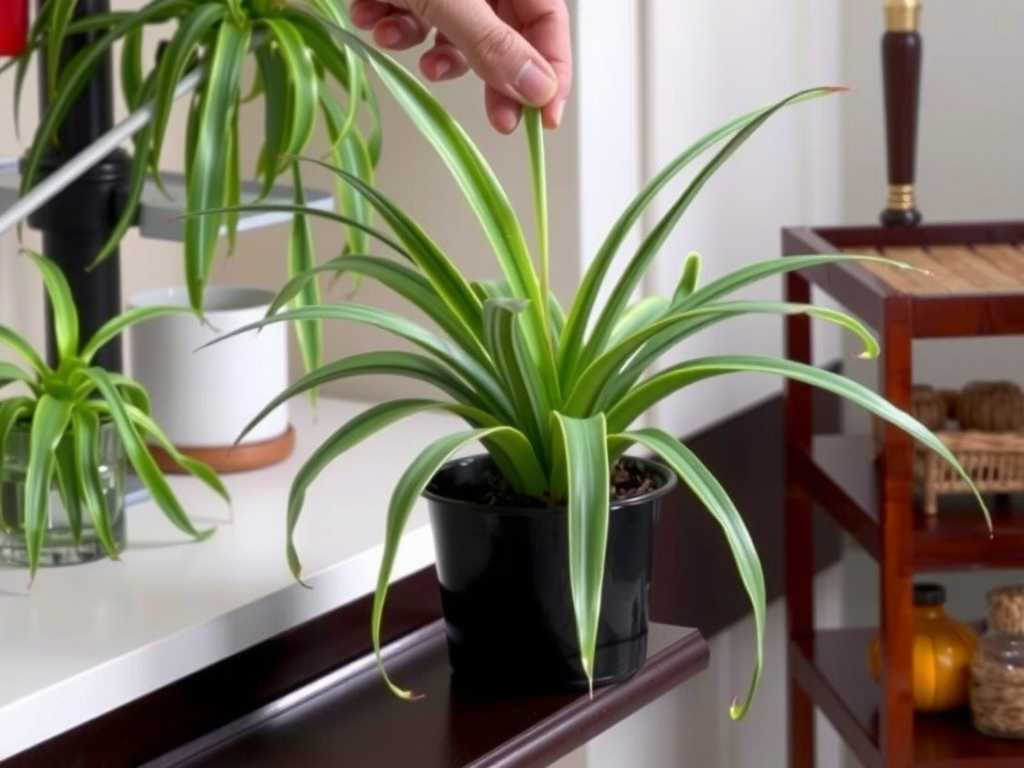
You love the idea of a lush, green spider plant brightening your kitchen. It’s known for being tough, a perfect fit for a busy space. But then you notice it: those vibrant green leaves starting to look a bit dull, with tips turning brown, all while sitting near your stove. Could your cooking be harming your plant? Absolutely. While spider plants (Chlorophytum comosum) are celebrated for their air-purifying qualities, placing them in the path of cooking fumes, grease, and intense heat is a common mistake that undermines their health and beauty. This guide is dedicated to mastering kitchen spider plant care by identifying the exact placement positions to avoid, ensuring your plant not only survives but thrives, safely away from harmful airborne contaminants.
Understanding the Enemy: What’s in Cooking Fumes?
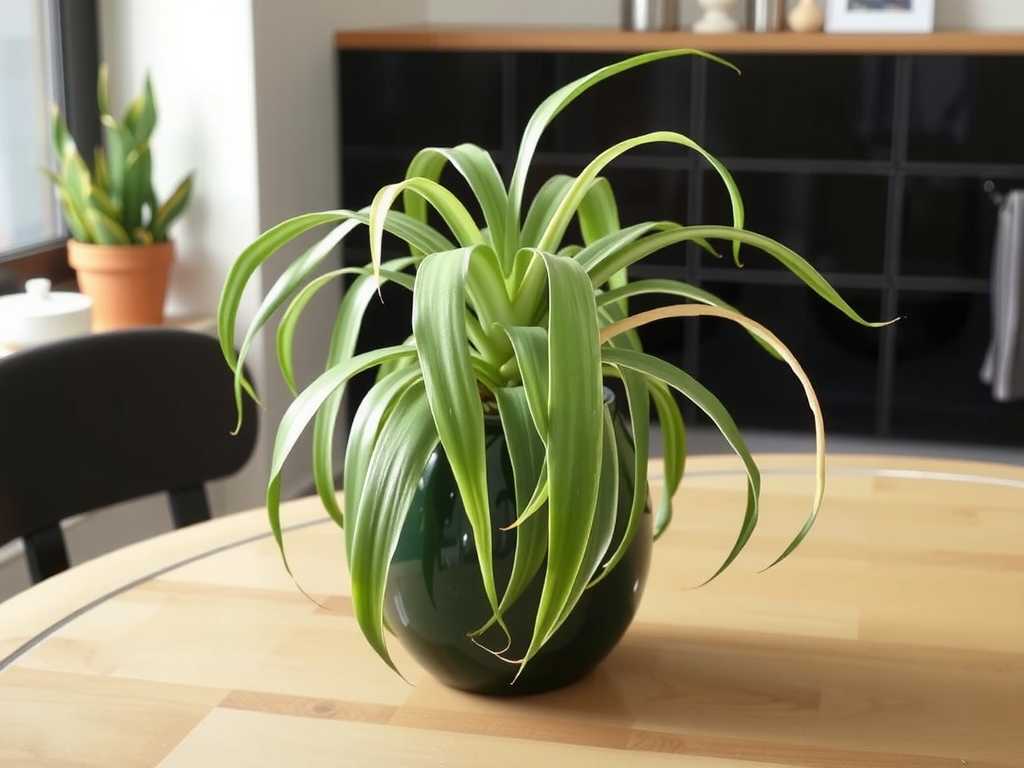
To protect your spider plant, you first need to understand what it’s up against. Cooking fumes are far more than just steam.
- Grease and Oil Aerosols: When you sauté, fry, or sear, microscopic particles of oil become airborne. These particles can coat the leaves of your spider plant, clogging the tiny pores (stomata) it uses for breathing and photosynthesis. This thin, greasy film is difficult for the plant to shed and attracts dust, further reducing its ability to absorb light.
- Chemical Byproducts: Burning food or high-heat cooking can release volatile organic compounds (VOCs) and other particulates. While spider plants are excellent at filtering some VOCs from the air, a constant, concentrated assault from nearby cooking is more than they can process efficiently.
- Intense, Dry Heat: The direct blast of heat from an oven, stovetop, or toaster oven creates a localized environment of low humidity and extreme temperature fluctuation. Spider plants prefer consistent, moderate temperatures and can suffer from leaf scorch and dehydration when placed too close to a heat source.
- Water Vapor and Sudden Humidity Spikes: While steam itself isn’t inherently harmful, the rapid and extreme changes in humidity from boiling pots can stress the plant. It’s an inconsistent environment that differs greatly from their preferred stable conditions.
The High-Risk Zones: Placement Positions You Must Avoid
Strategic placement is the cornerstone of successful kitchen spider plant care. Here are the specific locations to steer clear of.
Directly Above or Beside the Stovetop This is the most hazardous position. A plant on the back of the stove or on a shelf directly adjacent is in the direct line of fire for grease splatter, intense radiant heat, and the full force of fumes. Leaf burn and a constant coating of grime are guaranteed outcomes. No matter how charming it looks in a magazine, this placement is a recipe for a struggling plant.
On the Counter Immediately Next to the Cooktop Even a few inches away isn’t safe. Heat, grease, and steam travel. Any counter space within a 2-3 foot radius of active burners should be considered a contamination zone. Splashes from stirring and the rising plume of fumes will still reach your plant.
Directly Above the Oven or Toaster Oven The top of a stove-mounted microwave or a shelf above the oven is a deceptively dangerous spot. Heat rises. When the oven is on, this area becomes an oven itself, subjecting your spider plant to baking temperatures and dry air that will quickly desiccate its leaves.
Inside a Sealed Window Above the Sink While a bright window is often ideal, a sealed window directly above a sink where frequent frying occurs can trap fumes and grease around the plant. Without adequate ventilation, the contaminants concentrate, doing more harm than if the window were open.
The Safe Haven Zones: Ideal Placements for a Healthy Spider Plant
Now for the solutions. These locations offer the light your spider plant craves while providing a buffer from kitchen hazards.
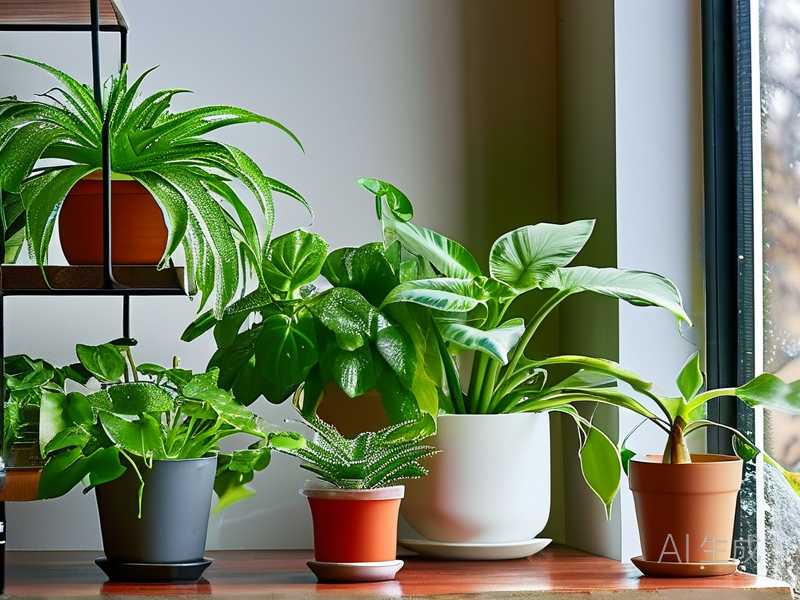
A Bright Windowsill Away from the Cooking Hub Choose a window that is across the room or on a different wall from your stove and oven. An east or north-facing window often provides the perfect bright, indirect light a spider plant loves. The distance allows for natural ventilation and prevents the concentration of fumes. Ensure the leaves aren’t touching cold glass in winter.
On a High, Open Shelf Across the Room Elevation is your friend. Placing your spider plant on a high, open shelf away from the cooking area keeps it out of the primary path of heavier grease particles and heat, which tend to disperse and settle. The open air allows for better circulation. This is an excellent way to add vertical greenery safely.
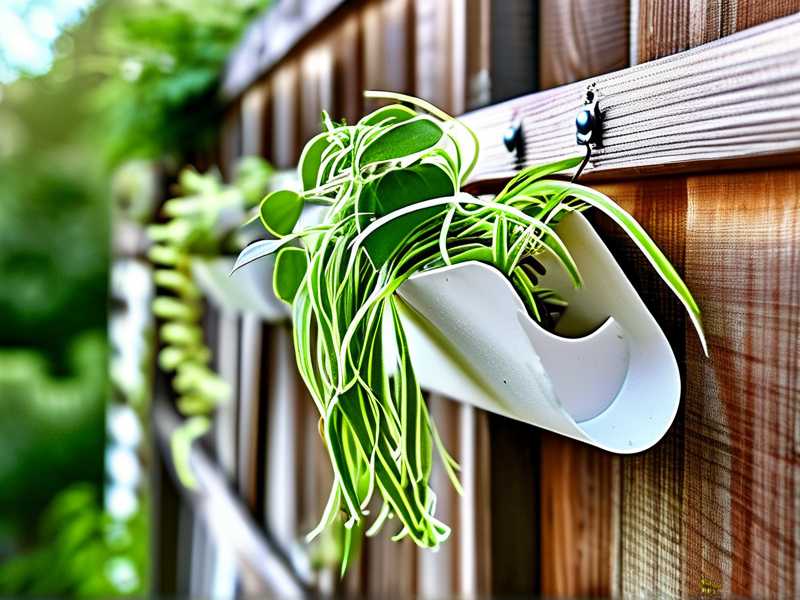
In a Hanging Basket Near a Bright Source of Light This is arguably one of the best strategies for kitchen spider plant placement. Hanging the plant, especially in a macramé hanger, puts it in a zone of better air circulation and completely out of reach of counter-level splatters and heat. Position it near a window or under a skylight to satisfy its light needs. The dangling “spiderettes” or plantlets will create a beautiful cascading effect.
On a Kitchen Island or Peninsula (If Far Enough Away) If your kitchen layout allows, a central island that is several feet from any active cooking surface can work. This placement makes the plant a lovely focal point. The key is maintaining a clear, multi-foot buffer zone from stovetops, ovens, and high-splatter areas.
Proactive Care Tips for Kitchen Spider Plants
Even with perfect placement, some maintenance is key in a kitchen environment.
- Regular Leaf Cleaning: Gently wipe the leaves with a damp, soft cloth every few weeks. This removes any light dust or minimal airborne film, keeping the stomata clear and the plant efficient at photosynthesis and air purification. For light cleaning, a mix of water with a drop of mild dish soap can be used, followed by a rinse with clean water.
- Monitor for Stress Signs: Brown, crispy leaf tips can signal low humidity or chemical sensitivity (like fluoride in water). Yellowing leaves may indicate overwatering or poor drainage. Relocate the plant if you see signs of scorch or consistent decline.
- Watering Wisdom: Use room-temperature water, and allow the top inch of soil to dry out between waterings. Spider plants are prone to root rot, so good drainage is non-negotiable. Ensure your pot has drainage holes.
- The Power of Ventilation: Always use your kitchen exhaust hood fan while cooking. As noted by horticulturist and author Jane Perrone in her work on houseplants, “Good air circulation is crucial for preventing pest infestations and fungal issues in all indoor plants.” A good hood directly removes fumes at the source, protecting both your air quality and your plants.
Frequently Asked Questions
Can a spider plant really help clean kitchen air? Yes, but with realistic expectations. NASA’s Clean Air Study famously identified spider plants as effective at removing common household VOCs like formaldehyde and xylene. In a kitchen, they can contribute to fresher air. However, they are not a substitute for proper mechanical ventilation like an exhaust fan, especially for removing grease and smoke particles directly from cooking activities.
My spider plant has brown tips. Is it because of cooking fumes? It could be a contributing factor, but it’s not the only cause. Brown tips are most commonly caused by chemicals in tap water (fluoride, chlorine), low humidity, or under-watering. Fumes and heat stress can exacerbate this. Try switching to distilled or filtered water for watering, increase ambient humidity, and ensure the plant is in a safe placement away from heat and direct fumes.
How often should I clean my kitchen spider plant’s leaves? A visual inspection is your best guide. In a busy kitchen, a gentle wipe-down every 3-4 weeks is a good routine to prevent buildup. If you do very little high-heat or oily cooking, you may only need to clean the leaves every couple of months. Always handle the leaves gently to avoid tears.
Choosing the right spot for your spider plant transforms it from a struggling decor piece into a resilient, air-enhancing companion. By understanding the hidden threats of cooking fumes and proactively selecting a placement that offers bright, indirect light and a clean, stable environment, you unlock the true, trouble-free potential of this classic houseplant. Remember, the goal is harmony—a vibrant plant that complements your kitchen’s life without falling victim to it. With these strategic placement positions to avoid hazards, your spider plant will reward you with vigorous growth and cascading greenery for years to come.