bluename
 Bathroom spider plant Care: Your Ultimate Guide to Preventing Root Rot in High-Humidity Environments
You’ve brought a lush, vibrant spider plant into your bathroom, hoping to add a touch of natural, air-purifying beauty to your space. It’s a perfect match in theory—spider plants are known for being adaptable, and bathrooms offer the bright, indirect light they often crave. But after a few weeks, you notice something alarming: the once perky leaves are turning yellow, feeling soft, or even browning at the base. The soil smells musty, and the plant just looks… sad. This frustrating scenario is a classic sign of root rot, the number one threat to spider plants thriving in high-humidity environments like bathrooms. While these plants enjoy moderate moisture, the combination of frequent steam, potentially lower light, and the wrong care routine can create a deadly trap for their roots. Don’t worry—your bathroom spider plant can not only survive but truly flourish. This guide is dedicated to providing you with expert, actionable tips for bathroom spider plant care, specifically designed to prevent root rot and ensure your plant thrives in its humid home.
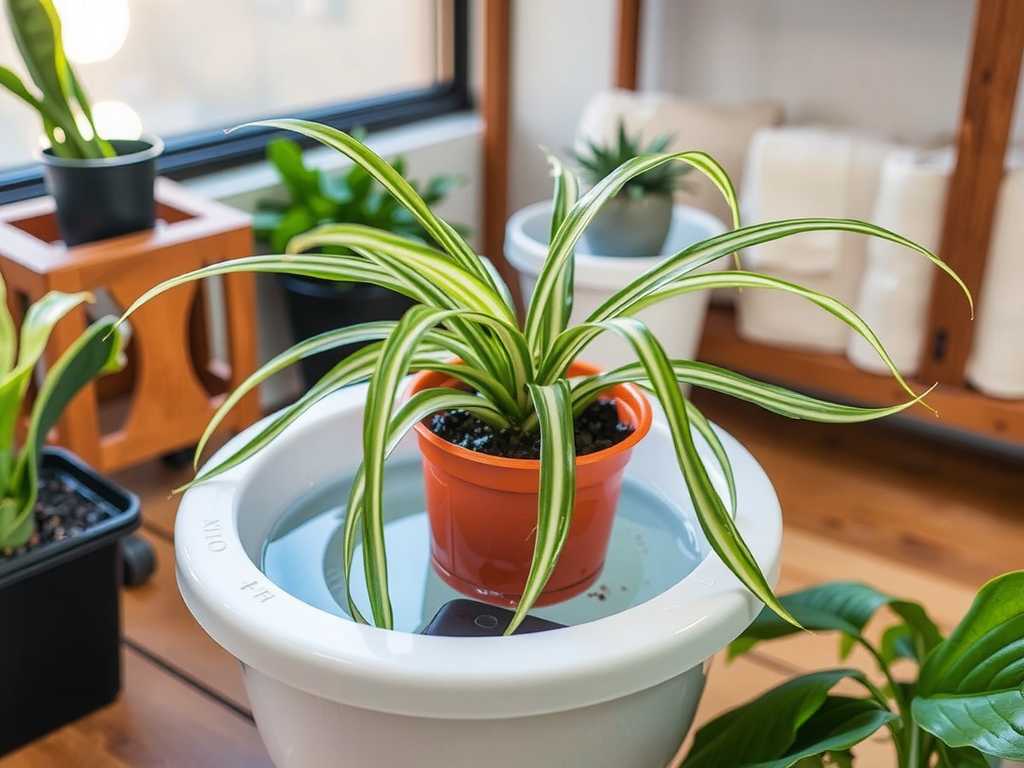
Understanding the Root of the Problem: Why Bathrooms Challenge Spider Plants
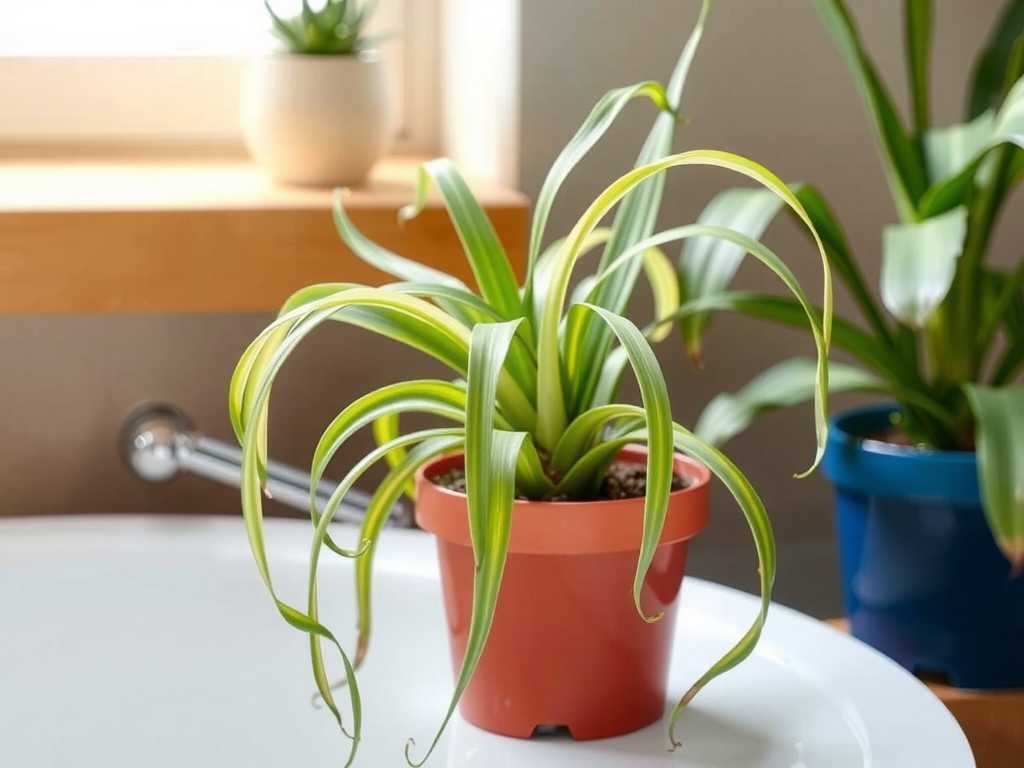
Spider plants (Chlorophytum comosum) are remarkably resilient, but their roots are surprisingly susceptible to excess water. In their natural habitat, they grow in well-draining conditions. A typical bathroom environment, however, introduces unique stressors.
- Persistent Ambient Humidity: While humidity is great for the plant’s foliage, it drastically slows down the evaporation of water from the soil. What would dry out in 7-10 days in a living room might stay wet for 2-3 weeks in a frequently used bathroom.
- Lower Light Levels: Many bathrooms have frosted windows or limited natural light. Less light means the plant uses water for growth more slowly through photosynthesis, leaving moisture sitting in the soil for longer.
- The "Double-Watering" Trap: It’s easy to fall into the habit of watering on a schedule (e.g., every Saturday) without checking the soil. Coupled with the humidity, this almost guarantees the roots will be constantly soggy.
Root rot is a fungal disease that attacks suffocated, waterlogged roots. They turn from firm and white to mushy and brown, losing their ability to absorb water and nutrients, which ironically causes the above-ground symptoms of overwatering.
Essential Strategies for Healthy Spider Plants in Humid Bathrooms
Preventing root rot is not about watering less arbitrarily; it’s about creating an entire system that prioritizes root health and air flow. Here is your core care protocol.
Master the Art of "The Finger Test" Watering
Forget the calendar. The single most important habit you can adopt is checking the soil moisture before you even think about watering.
- The Method: Insert your finger into the soil up to the second knuckle (about 2 inches deep). If the soil at that depth feels even slightly damp or cool, do not water. Wait.
- The Goal: Allow the top 50-75% of the soil volume to dry out completely between waterings. In a humid bathroom, this may mean watering only every 2-4 weeks, depending on the season and light.
- Watering Technique: When you do water, do so thoroughly. Take the plant to the sink or shower and water until it flows freely from the drainage holes. This ensures the entire root ball is hydrated and flushes out salts. Let it drain completely before returning it to its decorative pot or saucer.
Choose the Right Soil and Pot: Your First Line of Defense
The container and the medium you plant in are critical for managing moisture.
- Pot Selection: Non-Negotiable Drainage: You must use a pot with at least one drainage hole. Terracotta pots are an excellent choice for bathrooms because they are porous, allowing the soil to dry from the sides as well as the top.
- Soil Mix: Create a Well-Draining Environment: Standard potting soil retains too much moisture. Create a custom, airy mix:
- Recipe: 2 parts standard potting soil, 1 part perlite, and 1 part orchid bark or coarse horticultural sand.
- Why It Works: The perlite and bark create air pockets, improve drainage, and prevent soil compaction, giving roots the oxygen they desperately need. As noted by horticulturist Jane Smith in The Indoor Plant Journal, "Amending soil for high-humidity areas isn't optional; it's the foundation of prevention."
Optimize the Bathroom Environment for Plant Health
Work with your bathroom’s conditions to tip the scales in your plant’s favor.
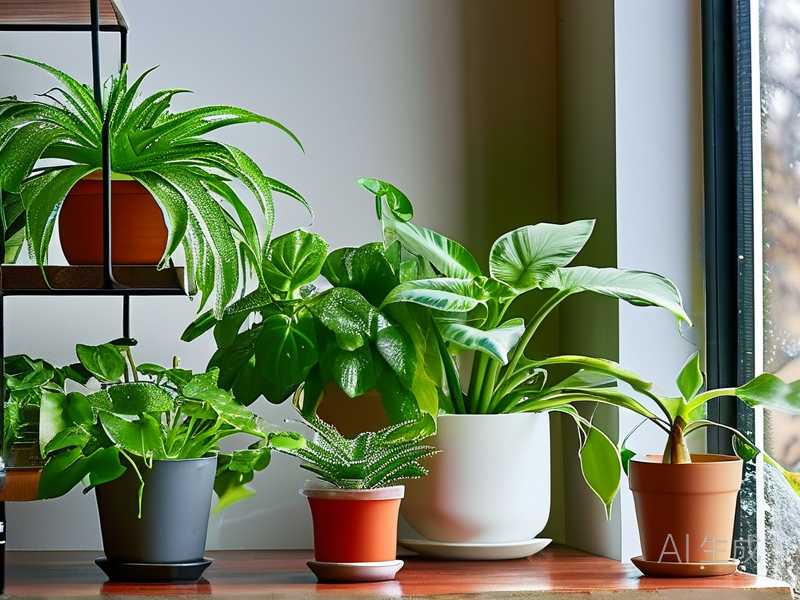
- Maximize Light: Place your spider plant in the brightest spot available. An east or north-facing window is ideal. If you only have a small, frosted window, consider it a "low-light" bathroom. In this case, you will need to water even less frequently, and a grow light can be a beneficial supplement.
- Promote Air Circulation: Stagnant, humid air exacerbates moisture problems. Simply turning on the exhaust fan during and after a shower helps more than you think. Occasionally, you can also run a small oscillating fan on low in the bathroom for a few hours to mimic a gentle breeze.
- The Saucer Rule: Never let the pot sit in a saucer full of drained water. Empty it promptly after watering.
Recognizing and Rescuing a Spider Plant with Root Rot
Even with care, problems can arise. Early detection is key to saving your plant.
- Signs to Watch For: Yellowing leaves starting from the lower leaves, soft/mushy leaf bases, a foul odor from the soil, stunted growth, and plantlets (spiderettes) that wilt despite soil being wet.
- The Rescue Operation:
- Remove the Plant: Gently take the plant out of its pot.
- Inspect and Trim: Wash the roots gently under lukewarm water. Using sterilized scissors, cut away all soft, brown, or mushy roots. Healthy roots are firm and white or pale tan.
- Repot: Discard all old soil. Clean the pot with a bleach solution. Repot the plant into fresh, well-draining mix (as described above) in the clean pot.
- Aftercare: Water lightly after repotting (just to settle the soil) and place the plant in a bright, warm spot with good air flow. Hold off on fertilizing and resume your careful "finger test" watering routine once you see new growth.
Frequently Asked Questions
Can I mist my bathroom spider plant instead of watering it? It’s generally not necessary and can be counterproductive. Bathroom humidity is usually sufficient for its foliage. Misting the leaves does not provide water to the roots and, if done excessively, can encourage fungal issues on the leaves without addressing the soil moisture. Focus your efforts on correct soil watering.
What type of fertilizer should I use, and how often? Use a balanced, water-soluble fertilizer (e.g., 10-10-10 or 20-20-20) diluted to half strength. Fertilize only during the active growing season (spring and summer), and no more than once a month. In a humid bathroom where growth may be slower, you can reduce this to every 6-8 weeks. Never fertilize a stressed, dry, or recently repotted plant.
My spider plant is producing lots of babies (spiderettes) but the main plant looks pale. What’s wrong? This is a classic sign of stress, often from being pot-bound or nutrient-deficient. The plant may be channeling energy into reproduction. Check if roots are circling the pot tightly—it might be time to repot into a container one size larger. Also, ensure you are following a proper, light fertilization schedule. The production of plantlets is normal, but a decline in the mother plant’s health alongside it signals a need for care adjustment.
Caring for a spider plant in a bathroom is a rewarding practice that blends nature with daily routine. Success hinges on understanding that humidity is a double-edged sword—beneficial for the leaves but a risk to the roots. By shifting your focus from a watering schedule to a soil moisture check, investing in a well-draining pot and chunky soil mix, and leveraging your bathroom’s light and air flow, you create an environment where root rot is prevented, not just feared. Your spider plant will respond with vigorous growth, clean air purification, and cascading spiderettes, proving that with the right knowledge, even the steamiest bathroom can become a perfect urban jungle oasis.