bluename
 Care for spider plant Seedlings: Your Complete 3-Month Plan from Sowing to Maturity
You’ve successfully sown your spider plant seeds, and tiny green specks are emerging. Now what? The journey from fragile seedling to a lush, mature plant with cascading runners can feel uncertain. Many new gardeners lose their spider plant babies to overwatering, insufficient light, or simply not knowing what to do next. This guide eliminates the guesswork. We provide a clear, month-by-month roadmap to expertly care for spider plant seedlings and nurture them into robust, thriving plants.
This comprehensive 3-month plan is designed for success, focusing on the critical early life stages where your care makes the most significant difference.
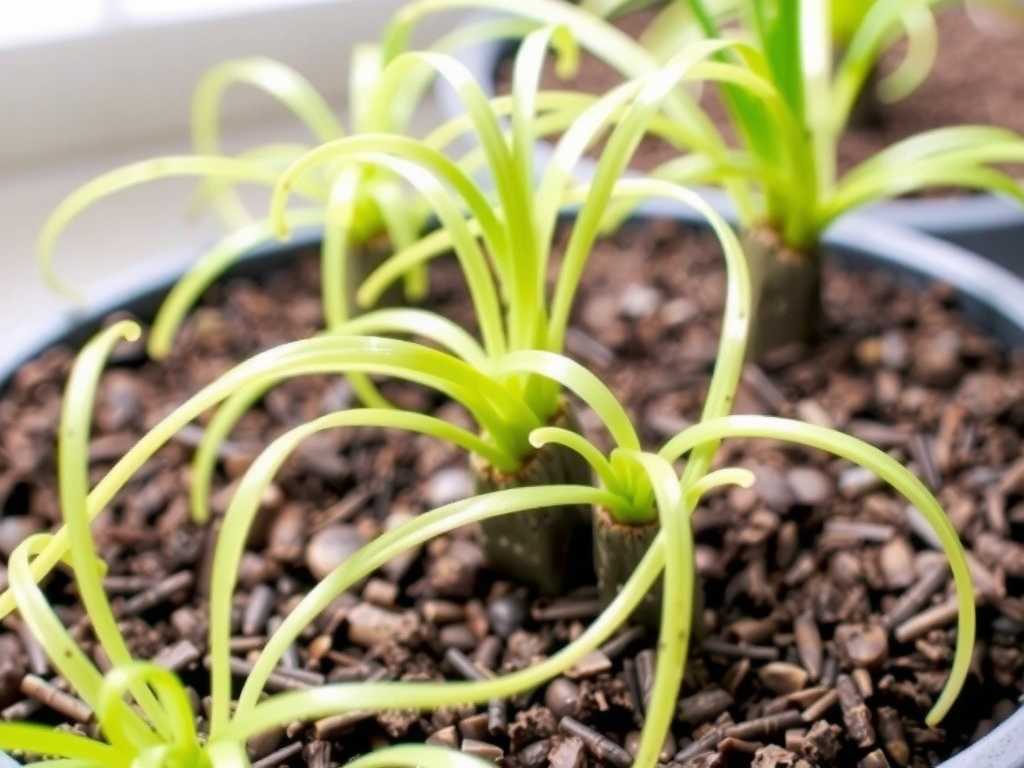
Month 1: The Germination & Seedling Stage (Weeks 1-4)
The first month is all about patience and providing a stable, nurturing environment for germination and the first true leaves.
Creating the Perfect Sprouting Environment Your seeds need consistent warmth and moisture to wake up. Cover your seed tray or pot with a clear plastic dome or plastic wrap to create a mini-greenhouse effect. Place it in a bright location but out of direct sunlight, which can scorch the delicate soil surface and overheat the container. Aim for a steady temperature between 70-75°F (21-24°C). According to horticulturists at the Royal Horticultural Society, maintaining consistent soil moisture is crucial for even germination, but the soil should never become waterlogged.
Early Care: Water, Light, and Thinning Water from below by placing the container in a shallow tray of water, allowing the soil to wick up moisture. This prevents disturbing the tiny seeds. Once seedlings sprout (usually in 2-3 weeks), remove the plastic cover. They now require bright, indirect light—an east-facing windowsill is ideal. When seedlings develop their second set of true leaves, it’s time to thin them out. Carefully snip the weakest seedlings at soil level, leaving the strongest ones spaced about 2 inches apart. This gives the robust seedlings ample room and resources to grow.
Month 2: Establishing Vigorous Growth (Weeks 5-8)
Your seedlings are now established small plants. This phase focuses on building a strong root system and foliage.
The Art of Watering Young Spider Plants The goal is to encourage deep root growth. Water thoroughly when the top inch of soil feels dry to the touch, then allow the pot to drain completely. Avoid a frequent, light sprinkling, which leads to shallow roots. Spider plants are forgiving, but at this stage, proper watering for spider plant babies is the cornerstone of health. Err on the side of slightly dry rather than constantly wet.
Light and Nutrition for Strong Foliage Rotate the pot weekly to ensure even growth, as seedlings will lean toward the light. They thrive in bright, indirect light. A few hours of gentle morning sun is beneficial, but harsh afternoon rays can bleach and burn leaves. Begin feeding lightly. Use a balanced, water-soluble fertilizer diluted to half-strength, applied once this month after a watering session. This provides the nutrients needed for vigorous leaf development without overwhelming the young roots.
Month 3: Pre-Maturity and the First Runners (Weeks 9-12)
By the third month, your plants are transitioning to maturity. You’ll see significant growth and, potentially, the first signs of flowering and runners.
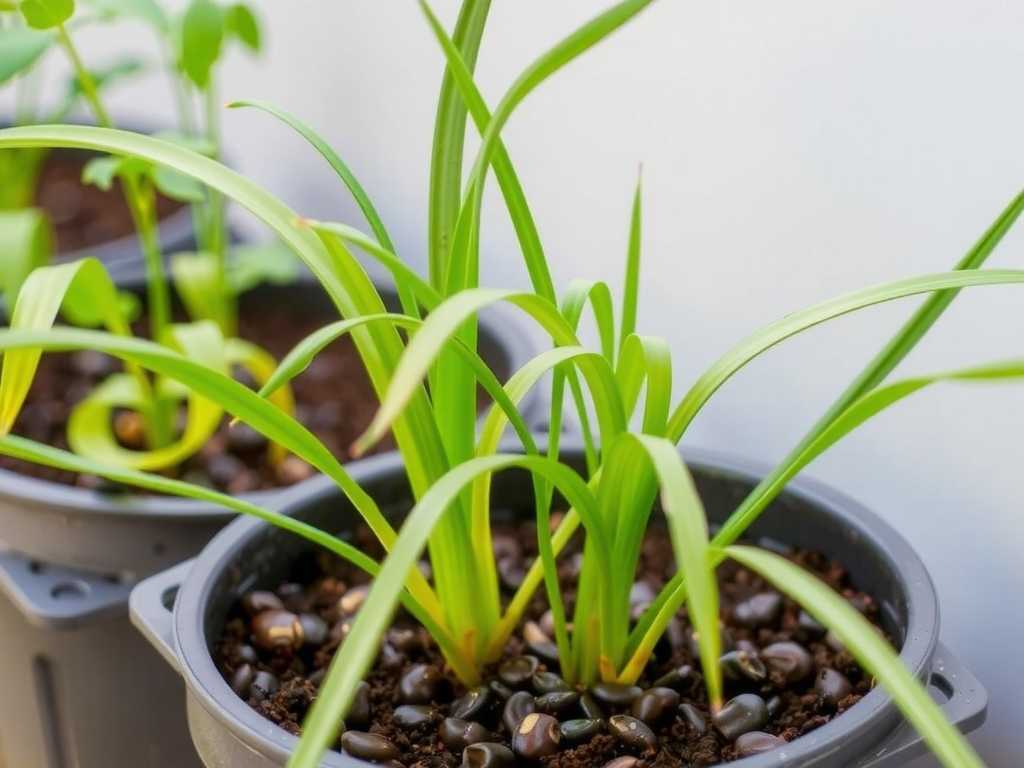
Potting Up: When and How to Transplant If you started seeds in a communal tray, this is the time to give each plant its own home. Look for roots peeking out of drainage holes or a noticeable slowdown in top growth. Choose a pot only 1-2 inches wider in diameter. Gently loosen the root ball and place it in fresh, well-draining potting mix at the same depth it was growing before. Water well after transplanting to settle the soil.
Encouraging Healthy Maturation and Offsets Continue with consistent watering and bright, indirect light. You can now fertilize at half-strength every 4-6 weeks. As the plant matures, you may notice a central flower stalk developing, which will eventually bear tiny white flowers and, finally, plantlets or "spiderettes." The appearance of these spider plant offsets is a sign your care plan has been successful. Not all plants will produce them by the 3-month mark, but robust growth sets the stage. According to a study on Chlorophytum comosum physiology, offset production is stimulated by a combination of root restriction (being slightly pot-bound), mature plant size, and seasonal light cycles.
Troubleshooting Common Seedling Challenges
Even with the best plan, issues can arise. Here’s how to identify and fix them.
Identifying and Fixing Leggy Growth Leggy, stretched seedlings with pale leaves are crying out for more light. Immediately move them to a brighter location with indirect sunlight. You can also supplement with a grow light placed a few inches above the foliage for 12-14 hours a day.
Addressing Discoloration: Yellow and Brown Leaves Yellow leaves often signal overwatering. Allow the soil to dry out more between waterings and ensure the pot drains freely. Brown, crispy leaf tips are common and can be caused by fluoride in tap water, low humidity, or dry soil. Use distilled, rainwater, or filtered water when possible, and trim brown tips with clean scissors for aesthetics.
Preventing Damping Off and Fungal Issues Damping off is a fungal disease that causes seedlings to collapse at the soil line. It’s fatal but preventable. Always use clean pots and fresh potting mix. Avoid overwatering, ensure excellent air circulation around seedlings, and sprinkle a thin layer of cinnamon on the soil surface—a natural antifungal agent.
Essential Tools and Environment Setup
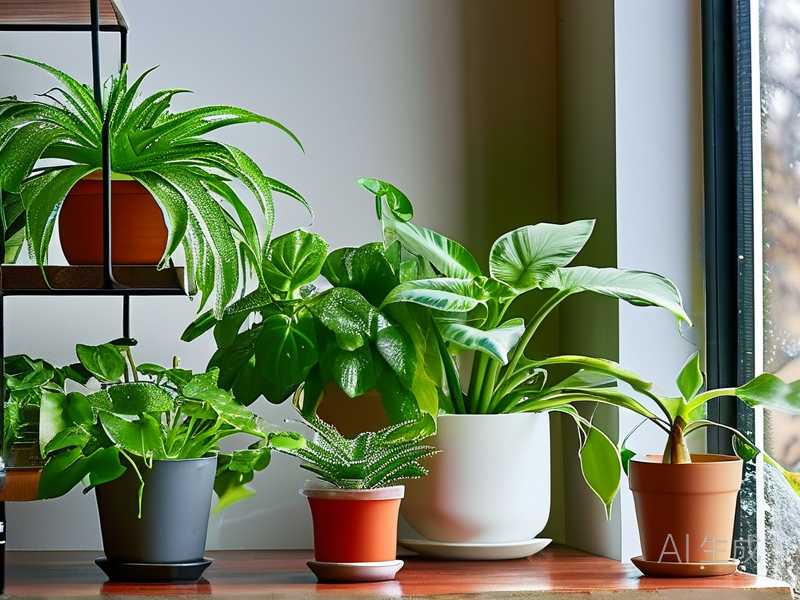
Your toolkit doesn’t need to be complex. Essentials include a pot with drainage holes, a quality, peat-based potting mix, a small watering can with a long spout, and a source of bright, indirect light. A simple moisture meter can take the guesswork out of watering. For environment, spider plant seedlings prefer average room humidity but appreciate a light misting in very dry conditions. Keep them away from cold drafts and heating vents.
How often should I water my spider plant seedlings in the first month? Focus on moisture, not a schedule. Keep the seed-starting mix consistently moist but not soggy, using the bottom-watering technique. Once germinated, let the top inch of soil dry slightly before watering again.
Why are the tips of my young spider plant leaves turning brown? Brown tips are frequently due to chemicals in tap water, like fluoride and chlorine. Switch to filtered or distilled water. Other causes include low humidity, under-watering, or too much direct sun. Consistent care using the right water often solves this.
When will my spider plant have babies (offsets)? Most spider plants begin producing offsets, or spiderettes, when they are mature and slightly root-bound, typically after 1-2 years. However, under optimal growing conditions following a plan like this, some vigorous plants may start as early as 6-8 months. The appearance of a long stem with small white flowers precedes the plantlets.
By following this detailed 3-month plan, you move from simply hoping your seedlings survive to confidently knowing how to guide their growth. The principles of consistent moisture, bright indirect light, and careful feeding establish a foundation that will support your spider plant for years to come. Soon, you’ll be rewarded not just with a mature, arching plant, but with the satisfaction of having cultivated it from its very beginnings.