bluename
 Your Mature spider plant Needs a Trim: Pruning Methods to Promote New Leaf Growth
You’ve nurtured your spider plant for years. It’s survived under-watering, over-watering, and maybe even a curious pet. Now, it’s a mature, sprawling beauty, but something’s off. The center looks crowded, some leaves are brown or yellowing, and the vibrant growth of new leaves seems to have stalled. You might be wondering if this is just how an older plant looks. The good news is, it’s not. Your plant is communicating its needs, and the solution isn’t less care—it’s strategic care. The secret to revitalizing your mature spider plant and triggering a fresh burst of lush, green foliage lies in mastering the art of pruning.
Pruning is often misunderstood as simply cutting back a plant. For a mature spider plant, it’s a precise rejuvenation technique. When done correctly, it redirects the plant’s energy from maintaining old or damaged growth to producing new leaves and even more of those charming plantlets. This guide will walk you through the exact pruning methods to promote new leaf growth, transforming your tired-looking plant into a centerpiece of vitality.
Why Pruning is Essential for a Mature Spider Plant’s Health
A spider plant that’s never been pruned can become a tangled mess. Older leaves naturally senesce, turning brown at the tips or completely yellow. These leaves are no longer efficiently contributing to photosynthesis. More critically, they can drain the plant’s resources and create a humid, crowded environment that invites pests like spider mites or fungal issues. According to horticulturist Dr. Linda Chalker-Scott, author of “The Informed Gardener,” strategic removal of non-productive plant material reduces competition for light and air, directly supporting healthier new growth.
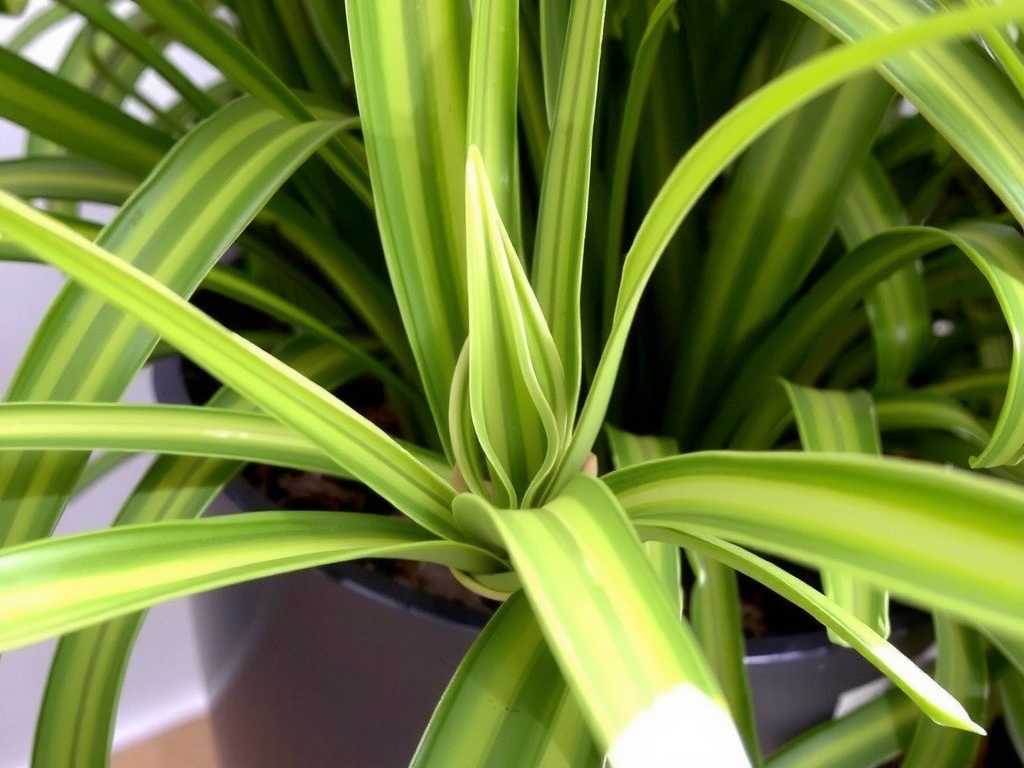
Pruning solves several core problems at once. It immediately improves the plant’s appearance by removing unsightly foliage. More importantly, it stimulates growth points (meristems) at the base of the plant, encouraging the development of new leaves from the center. This process of plant rejuvenation prevents the center from becoming woody and bare, ensuring your spider plant remains full and bushy for years to come.
Essential Tools for the Perfect Pruning Session
Before you make a single cut, gather the right tools. Using improper tools can crush stems, introduce disease, or cause ragged tears that heal poorly.
- Sharp, Clean Scissors or Pruning Shears: Bypass pruners or a pair of dedicated, sharp scissors are ideal. Blunt tools damage plant tissue.
- Rubbing Alcohol or Disinfectant: Always wipe your blades before you start and between cuts if you remove any diseased foliage. This prevents the spread of pathogens.
- A Clean Workspace: Have a trash bag or container nearby for clippings.
- Optional: Gloves: While not necessary, some prefer them for cleanliness.
A Step-by-Step Guide to Pruning for New Growth
Follow this clear, step-by-step process to ensure your pruning promotes the health and new leaf growth you desire.
Step 1: The Assessment and Planning Phase Don’t start cutting randomly. First, thoroughly examine your plant. Identify the different types of growth:
- Healthy, Green Leaves: These are your keepers.
- Brown-Tipped Leaves: You can choose to trim just the brown portion or remove the whole leaf if it’s extensive.
- Completely Yellow or Brown Leaves: These are primary candidates for removal.
- Overcrowded Mature Leaves: Large, older outer leaves that are crowding the center.
- Spiderettes (Plantlets): Decide if you want to propagate them or remove them to redirect energy back to the mother plant.
Step 2: Removing Damaged and Unhealthy Foliage Begin with the obvious. Using your sterilized shears, snip off all entirely yellow or brown leaves at the base, as close to the soil line as possible. Avoid pulling, as this can damage the crown. For leaves with only brown tips, you can make a clean, angled cut to remove just the damaged part, following the natural leaf shape. This initial clearance immediately improves air circulation.
Step 3: Thinning for Light and Air Now, address the overcrowding. Look at the plant’s center. Are large, mature outer leaves blocking light from reaching the base? Select a few of the oldest outer leaves and cut them off at the soil level. The goal here is not to denude the plant but to thoughtfully open it up. As plant care expert Jane Perrone notes in her book “Legacy,” thinning a mature houseplant allows light to penetrate, which is the fundamental trigger for new leaf production.
Step 4: Strategic Cutting to Stimulate New Shoots This is the most proactive step for promoting new leaf growth. After clearing damage and thinning, look for areas where the plant seems dense but healthy. Identify a leaf that is growing from a point where you’d like to see more fullness. Trace it down to its base. By carefully removing one or two such leaves right at the soil line, you signal to the plant to produce new growth from that same point or nearby nodes. This technique directly encourages the plant to become bushier.
Step 5: Managing the Spiderettes A mature spider plant often invests significant energy into producing long runners with plantlets. If your goal is to rejuvenate the mother plant and promote new leaf growth on it, consider cutting off some or all of these stolons. Snip the runner about an inch from the base of the plantlet, or remove the entire stem at its origin. You can root these plantlets in water to create new plants, but removing them allows the mother plant to focus its resources on its own core growth.
Post-Pruning Care: Ensuring a Successful Recovery
Pruning is a form of minor stress, so proper aftercare is crucial for a strong rebound.
- Watering: Water your plant thoroughly a day or two after pruning, ensuring excess water drains. Do not overwater; the plant’s reduced foliage means it will transpire less.
- Light: Place the plant in bright, indirect light. This optimal light exposure is the energy source for generating all those new leaves.
- Hold the Fertilizer: Wait 4-6 weeks before applying a balanced, diluted liquid fertilizer. Let the plant focus on healing and initial growth first.
What are the signs that my spider plant definitely needs pruning? Look for a combination of factors: a significant number of leaves with brown tips or full discoloration, a visibly crowded and tangled center, a halt in the production of new leaves, or an overall “leggy” and unkempt appearance. If your plant looks tired and dense rather than vibrant and airy, it’s time for a trim.
Can I prune my spider plant any time of year? While you can remove dead or damaged leaves anytime, the best time for a significant pruning session to promote new leaf growth is during the active growing season—spring and early summer. The plant’s natural growth cycle is at its peak, allowing it to recover quickly and push out new foliage in response to your cuts.
I’m afraid of harming my plant. How much can I safely prune? A good rule of thumb is to never remove more than one-third of the total plant mass in a single session. For a very overgrown plant, it’s safer to stage the pruning over two sessions, spaced a month apart. Focus on the clear damage first, then assess. It’s always better to be conservative; you can always cut more later, but you can’t reattach leaves.
Pruning a mature spider plant is less about loss and more about guiding future growth. By systematically removing what no longer serves the plant, you clear the way for a resurgence of health. The simple acts of cutting away old foliage, thinning for light, and strategically stimulating growth points work together to solve the common plight of the aging plant. With clean tools, a mindful approach, and proper aftercare, you’ll soon witness the reward: a revitalized, fuller plant pushing out a fresh generation of vibrant green leaves, proving that with the right care, even a mature specimen can find new youth.