bluename
 Care for spider plants After Long-Distance Transportation: Acclimatization Temperature and Watering Control
You’ve just received your eagerly awaited spider plant after its long journey. It arrives looking a bit tired, perhaps with some yellowing leaves or dry tips. Your immediate instinct might be to water it heavily or place it in bright sunlight to “fix” it. This is the most common and critical mistake. The transition from a controlled nursery environment, through the variable conditions of transit, to your home is a massive shock. Proper post-transport care isn’t just helpful; it’s essential for survival. This guide will walk you through the precise steps of acclimatization, focusing on the two most critical factors: temperature stabilization and controlled watering, to ensure your new green friend not only recovers but thrives.
Understanding the Journey: Why Your Plant is in Shock
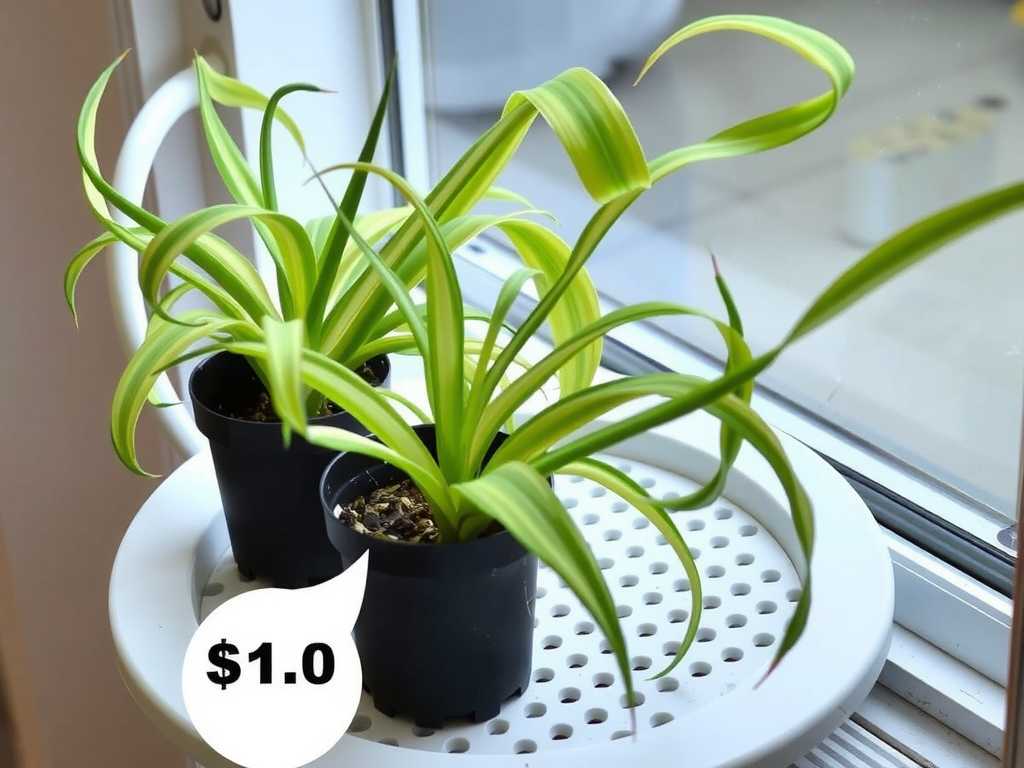
Long-distance transportation subjects spider plants to a series of stressors. They experience fluctuating temperatures in dark trucks or cargo holds, lack of consistent light, possible physical jostling, and a complete absence of water. This “transplant shock” manifests as leaf discoloration, wilting, or drooping. The plant’s primary goal upon arrival is not immediate growth, but recovery and stabilization. Rushing this process can overwhelm its systems, leading to root rot from overwatering or leaf scorch from sudden light exposure. The key is patience and a methodical approach to post-transport spider plant acclimatization.
Phase One: The Critical Unboxing and Initial Assessment
Your first actions set the stage for recovery.
- Unbox Immediately: Carefully remove all packaging. Gently untangle any leaves bound for protection.
- The Visual Check: Inspect the plant thoroughly. Look for broken leaves (which can be trimmed), signs of pests (rare but possible), and assess the overall moisture of the soil. Resist the urge to judge by the leaf tips alone; focus on the plant’s center and soil condition.
- Hold the Water: Do not water it yet. The soil may feel dry on top, but the core root ball might still be moist. Watering now, before the plant has adjusted to your home’s temperature, is a primary cause of failure.
Mastering Acclimatization: The Temperature Factor
Temperature consistency is the silent foundation of recovery. Drastic shifts force the plant to expend energy it doesn’t have.
- Create a Recovery Zone: Choose a stable, mild location away from all extremes. This spot should be:
- Away from direct sunlight: Use a room with bright, indirect light. A north-facing window or a spot several feet back from a sunny window is ideal.
- Protected from drafts: Keep it far from heating vents, air conditioning blasts, leaky windows, and exterior doors. According to horticulturist Dr. Linda Chalker-Scott, author of “The Informed Gardener,” “Sudden temperature changes can cause cellular damage in stressed plants, hindering their ability to uptake water and nutrients.”
- At a stable room temperature: Aim for a consistent 65-75°F (18-24°C). This moderate range minimizes metabolic stress.
- The 7-10 Day Rule: Maintain the plant in this quiet, stable recovery zone for at least one to two weeks. This period allows it to slowly adapt to your home’s humidity, light patterns, and temperature rhythms without the added variable of a changed watering schedule.
The Art of Post-Transport Watering Control
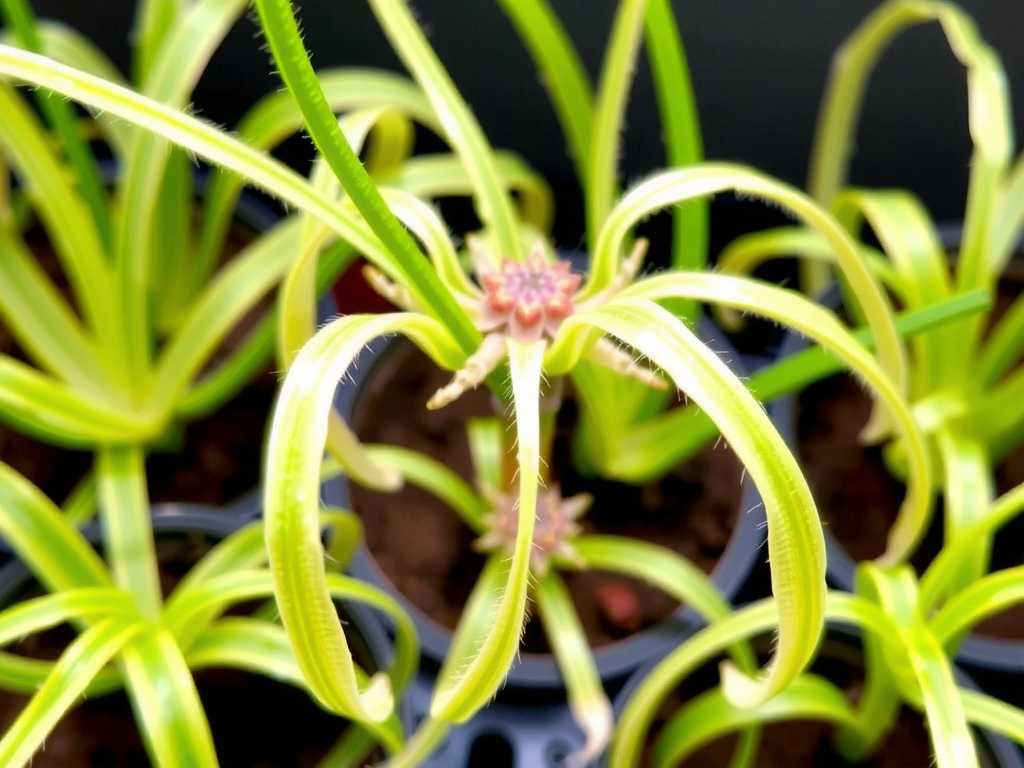
Watering is where most well-intentioned care goes wrong. The goal is rehydration without suffocation.
- The First Watering: When and How: Wait at least 2-3 days after unboxing, allowing the plant to settle thermally. Then, perform the “finger test.” Insert your finger 2 inches into the soil. If it’s completely dry, proceed.
- Water Thoroughly but Gently: Take the plant to a sink. Water the soil slowly and evenly until water runs freely from the drainage holes. This ensures the entire root ball is moistened.
- The Golden Rule: Drain Completely: Let the pot drain fully in the sink for 15-20 minutes. Never let the plant sit in a saucer of water. “Post-shipping root health is compromised,” notes a study by the University of Florida IFAS Extension on transplant stress. “Saturated soil depletes oxygen, promoting root rot pathogens in vulnerable plants.”
- Establishing a New Routine: After the first careful watering, do not water on a fixed schedule. Your home’s environment is different from the nursery. Going forward, water only when the top 1-2 inches of soil are dry. The plant will tell you its needs.
Transitioning to Long-Term Care
After the successful 7-10 day acclimatization period, your spider plant will show signs of recovery: new, firm growth from the center (the crown), and a general perkiness in the leaves.
- Finding Its Permanent Home: You can now move it to its preferred long-term spot with bright, indirect light. It can tolerate some direct morning sun.
- Resuming Fertilization: Do not fertilize for at least the first month. Fertilizer can burn tender, recovering roots. After a month, you can begin a diluted, balanced feeding during the growing season.
- Addressing Cosmetic Damage: Once the plant is actively growing, you can neatly trim any brown or yellowed leaf tips at an angle, following the leaf’s natural shape.
Why is my spider plant droopy even after I watered it? Droopiness post-watering often indicates root distress, likely from overwatering during the shock period. The soggy roots can’t function. Ensure the pot drains perfectly and let the soil dry out more than usual before the next watering. Focus on stable temperature and light, and it may recover as new roots form.
Can I repot my spider plant as soon as it arrives? Absolutely not. Repotting adds another layer of massive stress. The plant needs to recover from transport shock first. Wait a minimum of one month, or until you see consistent new growth. Even then, only repot if the plant is severely root-bound.
How long until my spider plant produces babies (spiderettes)? A stressed plant focuses energy on root and foliage recovery, not reproduction. Do not expect spiderettes during acclimatization. Once settled in its permanent spot with proper light and care—typically within a few months—a happy, mature plant will begin to produce its characteristic offshoots.
Successfully reviving a spider plant after long-distance shipping hinges on mimicking a gentle recovery. By prioritizing a draft-free, temperature-stable environment and exercising disciplined, observation-based watering control, you give your plant the grace period it desperately needs. Avoid the temptation to over-care. With patience, your resilient spider plant will quickly repay your diligence with vigorous growth and cascading greenery, a thriving testament to a successful acclimatization.