bluename
 Combination Potted spider plants: Care Notes When Matching with Succulents
You love the lush, cascading foliage of a spider plant and the sculptural, low-maintenance appeal of succulents. Combining them in one pot seems like the perfect way to create a stunning, textural display. But weeks later, your spider plant’s tips are browning, and your succulents are starting to look mushy. What went wrong? The challenge lies in harmonizing their different needs. While both are famously hardy on their own, their care requirements diverge significantly. This guide provides the essential care notes for successfully pairing spider plants with succulents, ensuring your combination pot thrives.
Understanding the Core Needs: Why It’s a Tricky Pairing
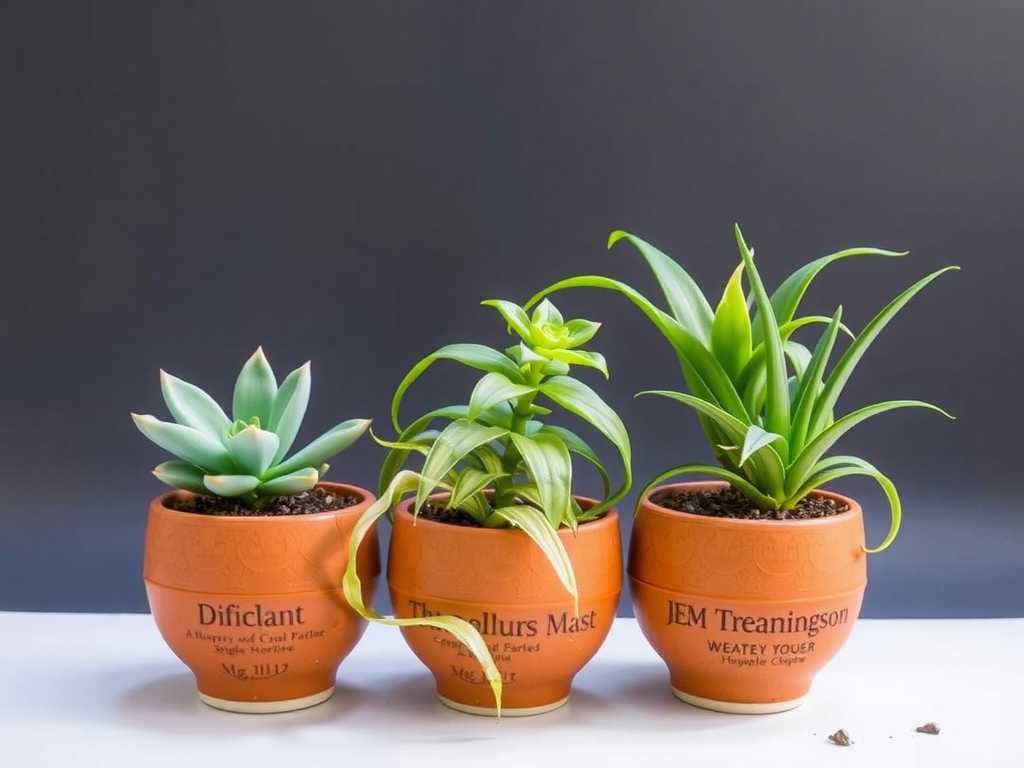
At first glance, spider plants and succulents both tolerate some neglect. However, their fundamental needs for water, soil, and light create a classic case of incompatible roommates.
Spider plants prefer consistently moist (but not soggy) soil. They enjoy bright, indirect light and appreciate higher humidity. Succulents, on the other hand, are built for arid conditions. They require soil that dries out completely between waterings, thrive in direct sunlight, and prefer dry air to prevent rot. The key to success is not finding a perfect middle ground that satisfies both equally, but creating a setup and routine that strategically manages these differences.
Creating the Foundation: Potting Mix and Container
The single most important factor for a successful spider plant and succulent combination is the soil and pot you choose. This is your primary tool for managing moisture.
Choosing the Right Soil Blend A standard potting mix will hold too much moisture for the succulents. You need a fast-draining, gritty medium. Start with a high-quality cactus and succulent potting mix as your base. To further improve drainage and aeration for the succulents while still providing some moisture retention for the spider plant, amend this mix with additional perlite or pumice. A ratio of about 2 parts succulent mix to 1 part perlite is a good starting point. This creates an environment where water flows through quickly, preventing the succulent roots from sitting in wetness, while still allowing the spider plant’s roots to access moisture before the soil becomes bone dry.
Selecting the Perfect Pot Always, always use a pot with excellent drainage holes. Terracotta pots are an excellent choice because they are porous, allowing the soil to dry from the sides as well as the bottom. This helps counteract overwatering. Ensure the pot is wide enough to give both plants room to grow without being excessively deep, which could create a pocket of wet soil at the bottom.
The Art of Strategic Watering
Watering is where your care routine makes or breaks this combination. You cannot water on a fixed schedule.
How to Water Correctly The golden rule: water only when the soil is almost completely dry throughout the pot. Check by sticking your finger deep into the soil near the succulent. If you feel any coolness or moisture, wait. When you do water, do so thoroughly until water runs freely from the drainage holes. This ensures the entire root ball gets moisture. Then, allow all excess water to drain away completely. Never let the pot sit in a saucer of water. The spider plant may tolerate slightly drier conditions better than the succulents will tolerate constant dampness.
Signs of Watering Trouble Watch for signals from both plants. Yellowing, mushy leaves on the succulents are a clear sign of overwatering. Brown, crispy tips on the spider plant can indicate underwatering or low humidity, but in this combo, it’s often a reaction to the fluoride or chlorine in tap water after a period of dry soil. Using filtered or distilled water can help mitigate this.
Light and Placement for Harmony
Finding the right light balance is your next challenge.
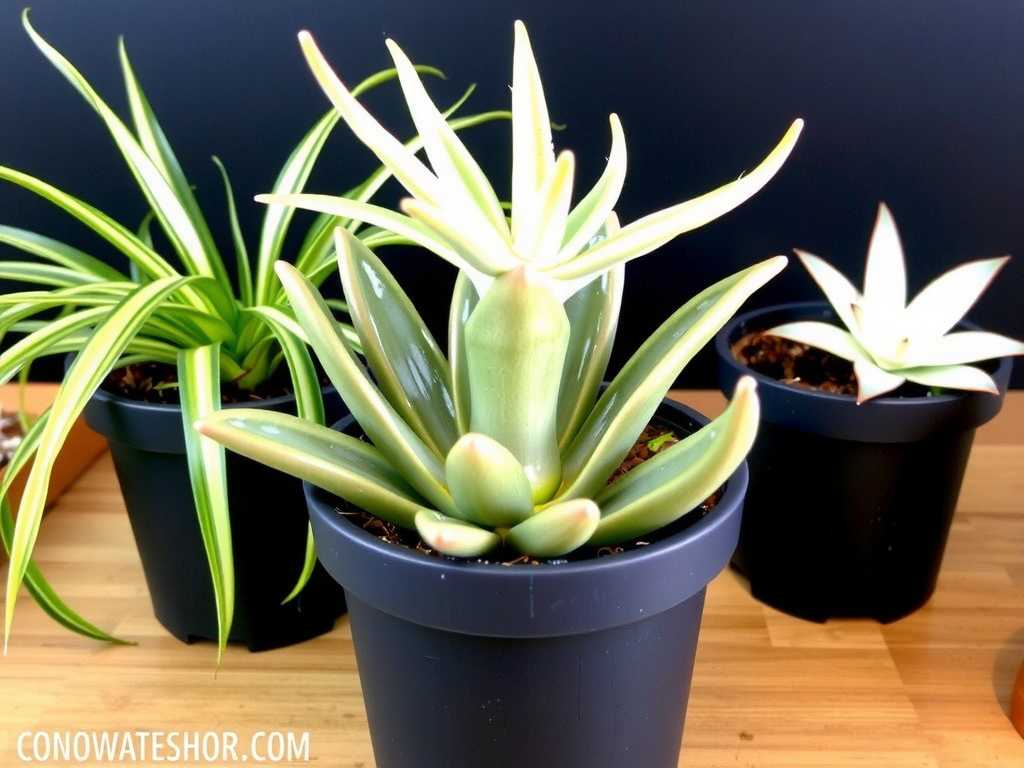
Ideal Light Conditions Aim for a spot with bright, indirect light. A few hours of gentle morning sun can be beneficial, but avoid intense, hot afternoon direct sunlight, which can scorch the spider plant’s leaves and sometimes stress even sun-loving succulents if the pot also gets too hot. An east-facing window is often ideal. If you only have a very sunny spot, consider using a sheer curtain to diffuse the light. As noted by horticulturist Jane Smith in Indoor Plant Journal, “Spider plants in mixed containers often show less leaf burn when protected from direct midday sun, even if their companions are sun-worshippers.”
Managing Growth and Health
Regular maintenance keeps the arrangement healthy and attractive.
Fertilizing with Caution Both plants have low fertilizer needs, especially the succulents. Feed sparingly. Use a balanced, water-soluble fertilizer diluted to half-strength, and only apply it during the active growing season (spring and summer). Fertilize the pot only when the soil is damp, and do so perhaps once every 6-8 weeks. Over-fertilizing will harm the succulents and can lead to weak growth.
Pruning and Repotting Regularly trim away any brown tips from the spider plant with clean scissors. Remove any dead or dying leaves from the succulents to prevent rot. Keep an eye on the spider plant’s prolific “pups” (offsets). These can be removed if they make the pot too crowded. Eventually, both plants will outgrow the container. When roots circle the bottom or the pot dries out impossibly fast, it’s time to gently separate them and repot into individual containers or create a fresh combination.
Best Succulent Partners for Spider Plants
Not all succulents are equal in this partnership. Choose succulents that are more tolerant of slightly less than full desert conditions.
- Echeveria: Many varieties do well with bright light.
- Haworthia: Excellent choices as they often prefer bright indirect light.
- Sedum (Stonecrop): Some trailing varieties can complement the spider plant’s arching leaves.
- Graptopetalum: They are relatively adaptable. Avoid moisture-sensitive succulents like Lithops or split-rock plants, which have extremely specialized needs.
Frequently Asked Questions
Can I use a self-watering pot for a spider plant and succulent combination? This is not recommended. Self-watering pots keep the soil consistently moist, which is a death sentence for most succulents. The spider plant might enjoy it, but the succulents will almost certainly develop root rot.
My spider plant is thriving, but the succulent is stretching. What’s wrong? Stretching, or etiolation, means your succulent is not getting enough light. It’s growing tall and leggy to reach a light source. The spider plant’s fuller foliage might be shading it. Move the pot to a brighter location or consider rotating it regularly so all plants receive adequate light.
Should I mist my combination pot to increase humidity for the spider plant? Avoid misting. While spider plants enjoy humidity, misting only temporarily raises moisture levels and can leave water droplets on the succulent leaves, promoting fungal diseases or rot. A better solution is to place the pot on a pebble tray filled with water (ensuring the pot sits above the water line) to provide ambient humidity without wetting the plants.
Successfully pairing spider plants with succulents is an exercise in thoughtful compromise. By prioritizing a fast-draining soil mix, watering deeply but infrequently based on soil dryness, and providing bright but indirect light, you can create a striking and durable display. The arrangement may require a bit more attention than a pot of just one species, but the visual reward of contrasting forms and textures is well worth the effort. Observe your plants closely, let the soil’s condition be your guide, and enjoy the unique green harmony you’ve created.