bluename
 What to Do If spider plant Leaf Tips Turn Yellow? 5 Common Causes and Fixes
You’ve lovingly cared for your spider plant, admiring its graceful, arching leaves, only to notice the dreaded sign: the leaf tips are turning yellow or brown. This is one of the most common frustrations for spider plant owners. Don’t worry—this issue is almost always fixable. Yellowing leaf tips are your plant’s way of communicating that something in its environment is off balance. The key is to play detective, identify the culprit, and apply the right solution.
This guide will walk you through the five most common reasons behind yellowing spider plant leaf tips and provide clear, actionable fixes to restore your plant’s vibrant health.
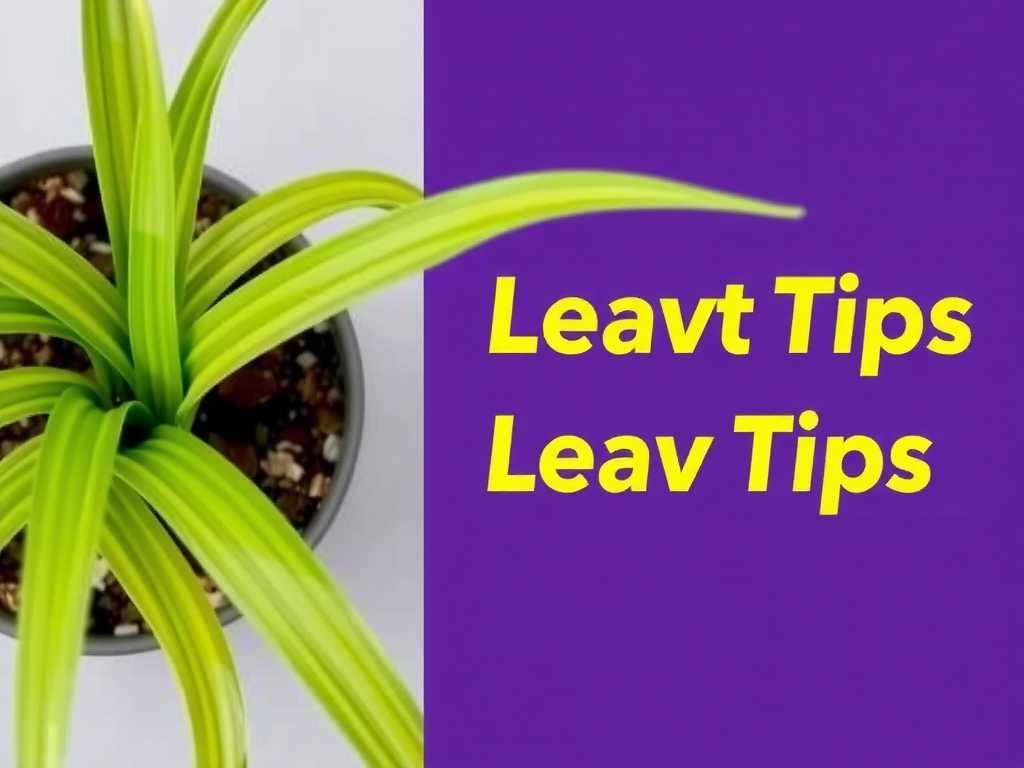
Understanding Your Spider Plant’s Basic Needs
Before we diagnose the problem, it’s helpful to know what a spider plant, or Chlorophytum comosum, thrives on. Native to South Africa, it prefers bright, indirect light, well-draining soil, and moderate watering—allowing the soil to dry out somewhat between waterings. It’s generally low-maintenance, but deviations from these ideal conditions often manifest first in the leaf tips.
Cause 1: Water Quality and Chemical Sensitivity
Spider plants are surprisingly sensitive to chemicals commonly found in tap water, particularly fluoride and chlorine. These chemicals can accumulate in the leaf tips, causing them to turn yellow and then brown, a condition often called “tip burn.”
- The Fix: The simplest solution is to switch your water source.
- Use filtered water, distilled water, or rainwater for watering.
- If you must use tap water, let it sit in an open container for 24 hours before using. This allows chlorine to evaporate (though fluoride will remain).
- Ensure you are not over-fertilizing, as salt buildup from fertilizer can cause similar tip damage. Flush the soil every few months by running plenty of water through the pot to leach out excess salts.
Cause 2: Improper Watering Habits
Both overwatering and underwatering can stress your plant and lead to yellow tips, though they present differently.
- Overwatering: This is a frequent issue. Constantly soggy soil suffocates the roots, preventing them from absorbing nutrients and water effectively. The distress signal travels to the leaf tips. You might also see generalized yellowing leaves and a wilted, mushy appearance.
- The Fix: Always check the soil before watering. Insert your finger about an inch deep. If it feels damp, wait. Water thoroughly only when the top portion of soil is dry. Ensure your pot has excellent drainage holes and that you empty the saucer beneath after watering.
- Underwatering: While spider plants are somewhat drought-tolerant, prolonged dryness will cause the leaf tips to dry out, turn yellow, and become crispy.
- The Fix: Establish a more consistent watering schedule. When you do water, water deeply until it runs out the drainage holes, ensuring the entire root ball is moistened.
Cause 3: Low Humidity Levels
In their natural habitat, spider plants enjoy decent humidity. Our heated or air-conditioned homes often have very dry air, which can dehydrate the leaf tips.
- The Fix: Increase the humidity around your plant.
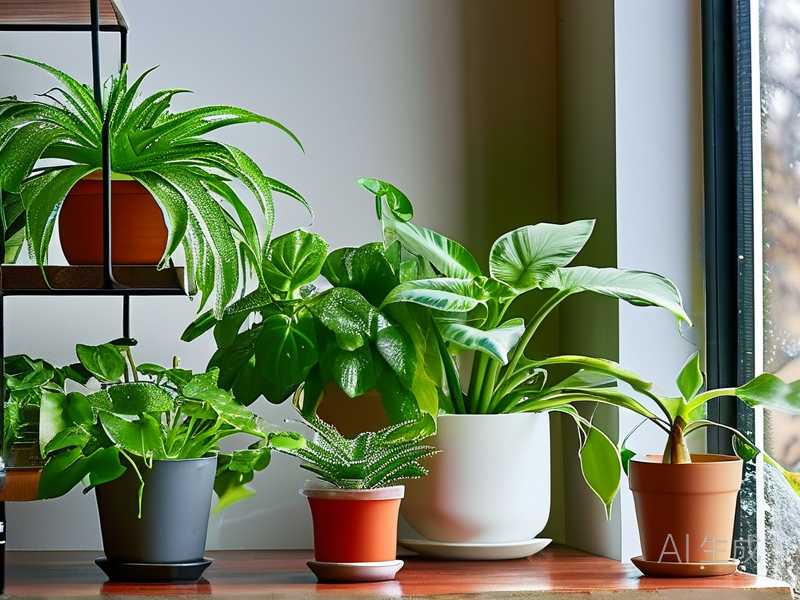
- Group it with other plants to create a microclimate.
- Place the pot on a pebble tray filled with water (ensure the pot sits above the water line).
- Occasionally mist the leaves with filtered water, though this is a temporary boost.
- For a comprehensive solution, consider using a room humidifier, especially during winter months.
Cause 4: Too Much Direct Sunlight
Spider plants love bright light, but direct, harsh sunlight—particularly the hot afternoon sun—can scorch the leaves. This sunburn appears as yellow or brown, crispy patches, often starting at the tips and margins.
- The Fix: Relocate your plant. An east-facing window where it gets gentle morning sun is ideal. A spot a few feet back from a south or west-facing window, shielded by a sheer curtain, is also perfect. Observe the light quality throughout the day to find the sweet spot.
Cause 5: Nutrient Deficiency or Imbalance
A lack of essential nutrients, especially nitrogen, can cause older leaves to turn pale yellow, starting at the tips. Conversely, too much fertilizer leads to salt buildup, which burns the roots and tips.
- The Fix: Feed your plant appropriately.
- During the growing season (spring and summer), fertilize with a balanced, water-soluble houseplant fertilizer (like a 10-10-10 formula) diluted to half-strength, once a month.
- Avoid fertilizing in fall and winter when growth slows.
- If you suspect over-fertilization, flush the soil as described in Cause 1.
How to Trim and Maintain Damaged Leaves
Once a leaf tip has turned yellow or brown, that tissue is dead and will not turn green again. Trimming it improves the plant’s appearance and allows it to focus energy on new growth.
- Use a pair of clean, sharp scissors.
- Follow the natural shape of the leaf and make a clean, angled cut, removing just the discolored portion. Avoid cutting into the healthy green tissue, as this can create a new brown edge.
- You can remove entire leaves if they are mostly yellow, cutting them off at the soil line.
Expert Tips for a Thriving Spider Plant
To prevent future issues and promote lush growth, integrate these practices from horticulture experts. Dr. Linda Chalker-Scott, a well-respected urban horticulturist, often emphasizes the importance of proper planting and watering fundamentals over quick fixes. Applying this principle, repot your spider plant every 2-3 years in fresh, well-draining potting mix to refresh the soil and give roots room to grow. Also, remember that spider plants produce “pups” or plantlets when they are slightly root-bound and receiving adequate light—a sign of a happy, mature plant.
Addressing Your Spider Plant Concerns
Can a spider plant recover from yellow tips? Absolutely. The plant as a whole is very resilient. While the damaged tips won’t heal, by correcting the underlying cause, you will stop the progression, and the new growth will emerge healthy and green. Regular trimming of the old tips will keep it looking its best.
Should I cut the brown tips off my spider plant? Yes, it is recommended for aesthetic reasons and plant health. Trimming the dead tips prevents potential entry points for disease and helps the plant direct resources efficiently. Just be sure to use clean tools to avoid infection.
Is it normal for older leaves to turn yellow? It is completely normal for the very oldest leaves at the base of the plant to gradually yellow and die off as part of the natural growth cycle. This is different from widespread yellowing at the tips of many leaves. If it’s just one or two bottom leaves, simply prune them away.
Yellowing leaf tips on your spider plant are a common but solvable puzzle. The health of your plant hinges on a balance of pure water, appropriate moisture, sufficient humidity, indirect light, and gentle nutrition. By observing your plant closely and systematically checking through these five common causes, you can diagnose the issue and take corrective action. With a little adjusted care, your spider plant will quickly return to producing its characteristic cascading green and white foliage, making it a vibrant and healthy centerpiece in your home once more.