bluename
 spider plant Leaf Spot Treatment: Mold Removal Tips in Humid Environments
Have you noticed unsightly brown or black spots marring the vibrant green leaves of your beloved spider plant? In a humid environment, this common issue often points to fungal or bacterial leaf spot, a frustrating problem that can quickly spread if left unchecked. The combination of excess moisture in the air and on foliage creates the perfect breeding ground for pathogens, turning your easy-care plant into a source of worry. This guide is dedicated to providing a clear, actionable roadmap for effective spider plant leaf spot treatment, with a special focus on mold removal tips in humid environments. We’ll help you not only cure the current infection but also implement preventative strategies to keep your spider plant thriving, even when the air feels thick with moisture.
Understanding Leaf Spot on Spider Plants
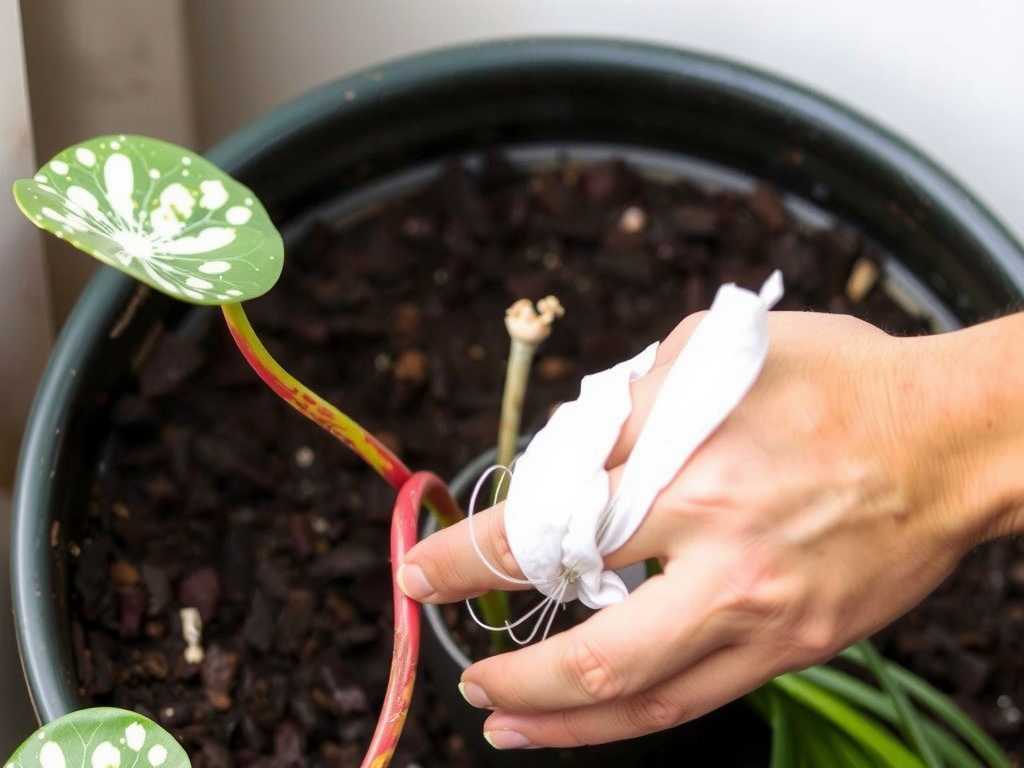
Before diving into treatment, it's crucial to correctly identify the issue. Leaf spot diseases manifest as discolored lesions on the foliage. These spots may start small and yellow but often develop into larger brown or black areas, sometimes with a yellow halo. In humid conditions, you might even see a fuzzy or powdery growth—clear signs of fungal activity.
The primary culprits are often fungal pathogens like Cercospora or Alternaria, or bacterial pathogens. Humidity is their greatest ally. According to a review in the Annual Review of Phytopathology, high relative humidity prolongs the presence of free water on leaf surfaces, which is essential for spore germination and bacterial multiplication. This means that in already damp air, overwatering, splashing leaves, or poor air circulation can trigger an outbreak.
Immediate Action Steps for Treating Leaf Spot
When you first spot the problem, swift isolation and assessment are key to preventing a widespread infestation.
- Isolate the Plant: Immediately move your spider plant away from other houseplants. Leaf spot pathogens can spread through water splashes or even airborne spores, so quarantine is your first line of defense.
- Prune Affected Foliage: Using a pair of sterilized, sharp scissors or pruning shears, carefully remove all leaves showing significant spotting. Sterilize your tools with rubbing alcohol between each cut to avoid transferring pathogens from one part of the plant to another. Dispose of these leaves in the trash, not the compost.
- Choose Your Treatment: For mild cases, a natural fungicide can be highly effective. A homemade solution of one tablespoon of baking soda and half a teaspoon of liquid soap in a gallon of water, sprayed thoroughly on all plant surfaces (top and bottom of leaves), can alter the leaf's pH and inhibit fungal growth. For more severe infections, horticultural neem oil or a copper-based fungicide are excellent organic options. Always follow the product label instructions.
Mold Removal and Prevention in High-Humidity Settings
Treating the visible spots is only half the battle. The real challenge in humid climates is managing the environment to prevent recurrence. This is where targeted mold removal tips become essential for long-term plant health.
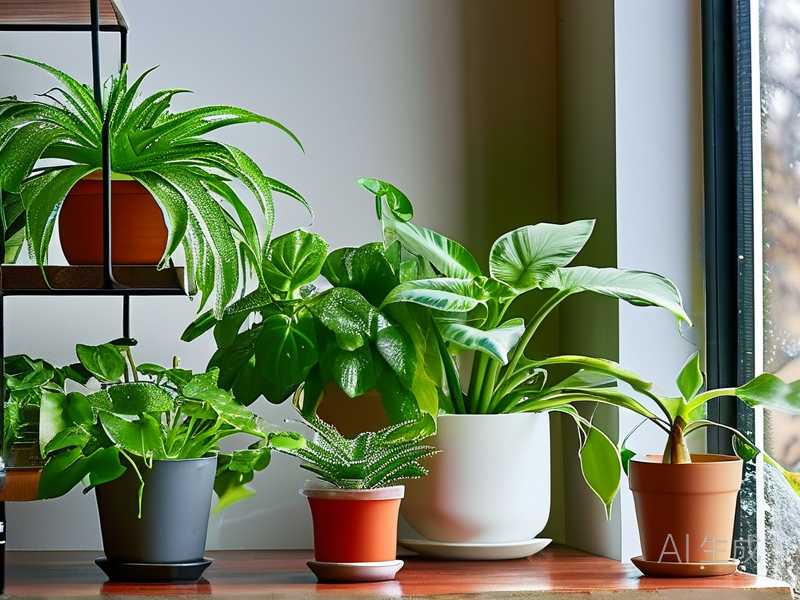
Improve Air Circulation Around Your Plant Stagnant, moist air is a mold's paradise. Simply increasing airflow can dramatically reduce the risk of fungal diseases. Place your spider plant in an area with gentle air movement. Using a small oscillating fan on a low setting several feet away from the plant can make a significant difference. As noted by interior plant care specialists, consistent, mild airflow helps water evaporate from leaf surfaces faster, depriving spores of the moist environment they need to thrive.
Master the Art of Watering in Humidity Your watering habits must adapt to the ambient moisture. In humid environments, soil takes much longer to dry out.
- The Finger Test is Non-Negotiable: Always check the soil moisture before watering. Insert your finger about 2 inches into the potting mix. If it feels damp, wait. Water only when the top few inches are dry.
- Water at the Base: Avoid overhead watering that wets the leaves. Water directly onto the soil, using a watering can with a long spout. This keeps the foliage dry and breaks the infection cycle.
- Ensure Superior Drainage: Your pot must have adequate drainage holes. Consider using a terracotta pot, which is porous and allows excess soil moisture to evaporate through its walls, further reducing sogginess.
Optimize Environmental Conditions Creating a less hospitable environment for mold is a proactive strategy.
- Reduce Ambient Humidity: If possible, use a dehumidifier in the room where your spider plant resides, especially during prolonged damp seasons. Aiming for a relative humidity level between 40-50% is ideal for most houseplants and discourages fungal growth.
- Provide Ample Light: Position your spider plant in bright, indirect light. Stronger light helps the plant utilize water more efficiently and keeps the foliage stronger and more resistant to disease. Avoid deep shade, which exacerbates dampness.
- Use a Well-Draining Soil Mix: Repot your spider plant using a lightweight, airy potting mix. Amend a standard potting soil with perlite or orchid bark to improve aeration and drainage, preventing water from lingering around the roots.
When to Consider Repotting
If leaf spot issues are persistent and you suspect the roots may be compromised by overly wet soil, repotting is a wise step. Gently remove the plant, shake off the old soil, and inspect the roots. Trim away any mushy, brown, or rotten roots with sterilized tools. Plant it in a clean pot (the same size or slightly larger) with fresh, well-draining potting mix. This gives your spider plant a fresh, disease-free start.
Building Long-Term Resilience in Your Spider Plant
A healthy plant is naturally more resistant to pests and diseases. Beyond crisis management, focus on building vitality.
- Feed Judiciously: During the growing season (spring and summer), feed your spider plant with a balanced, water-soluble fertilizer diluted to half strength. Avoid over-fertilizing, as excess salts can damage roots and stress the plant, making it more susceptible to disease.
- Regular Maintenance: Wipe the leaves gently with a damp cloth every few weeks to remove dust, which can interfere with photosynthesis and potentially harbor spores. This also allows you to inspect the plant closely for any early signs of trouble.
Addressing Common Concerns
Can a spider plant recover from severe leaf spot? Yes, spider plants are remarkably resilient. By aggressively pruning all affected leaves, treating the remaining plant, and crucially, correcting the environmental conditions that caused the issue (especially overwatering in humidity), the plant will often produce new, healthy growth from its center or through runners. Recovery requires patience and consistent care.
Is leaf spot on spider plants contagious to other plants? Absolutely. Fungal and bacterial leaf spot diseases can spread to other houseplants, particularly through water splashes or by handling an infected plant and then a healthy one. This is why immediate isolation and cleaning your tools are critical first steps.
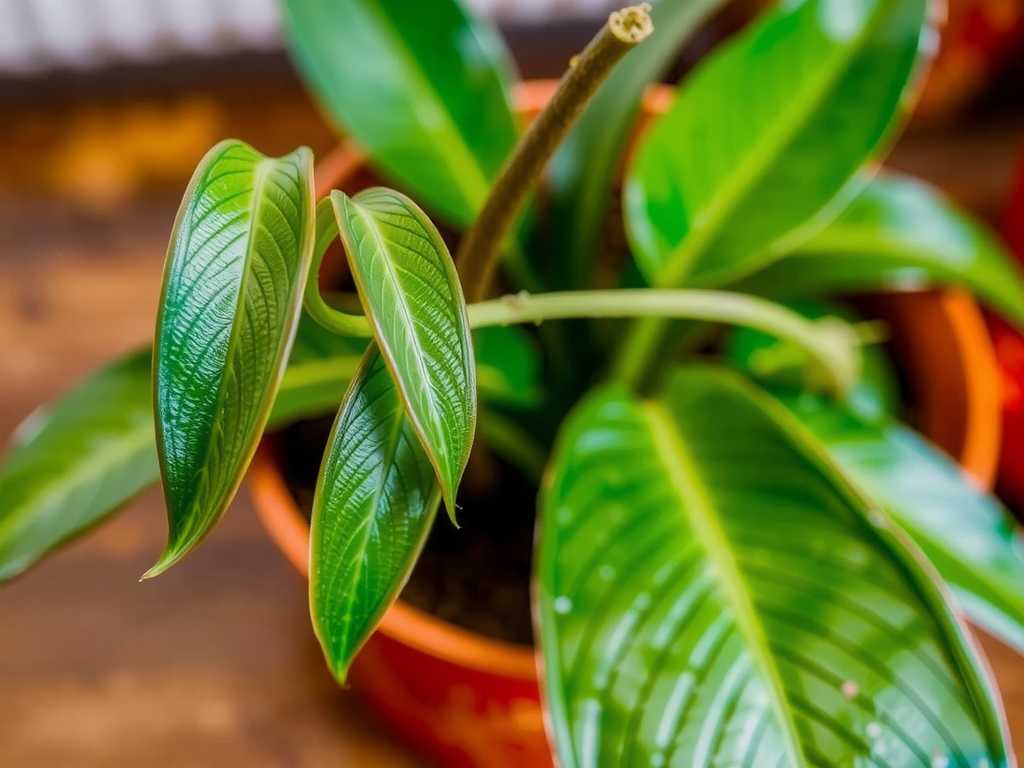
What’s the difference between leaf spot and fluoride toxicity, which also causes brown tips? This is an excellent distinction. Fluoride or chemical sensitivity typically causes brown, crispy leaf tips and margins. True leaf spot disease creates isolated, often circular or irregular lesions in the middle of the leaf blade, which may be surrounded by a discolored ring. While both can be worsened by poor water quality, their causes and treatments differ.
Successfully managing spider plant leaf spot in humid conditions is a blend of immediate treatment and intelligent environmental adjustment. The core of the solution lies not just in applying a fungicide, but in mastering moisture control—both in the soil and in the air. By prioritizing sharp drainage, disciplined watering, and vigorous airflow, you transform your space from a fungal haven into a healthy sanctuary where your spider plant can display its full, spotless glory. Remember, consistency in these preventative practices is the most powerful treatment of all.