bluename
 spider plant Leaves Are Limp: Quick Way to Tell If It's Underwatered or Root Rot
You’ve noticed your once perky spider plant looking sad and droopy. Its leaves, usually arching with vibrant energy, are now limp and lifeless. This is a common and frustrating problem for plant owners. The immediate question is: what’s causing this? The two most likely culprits are simple underwatering or the more serious issue of root rot. Misdiagnosing the problem can lead to taking the wrong action, potentially harming your plant further. This guide will provide you with a clear, step-by-step method to quickly diagnose whether your spider plant’s limp leaves are a cry for water or a sign of root decay, and exactly what to do about it.
The Critical First Step: The Touch and Soil Test
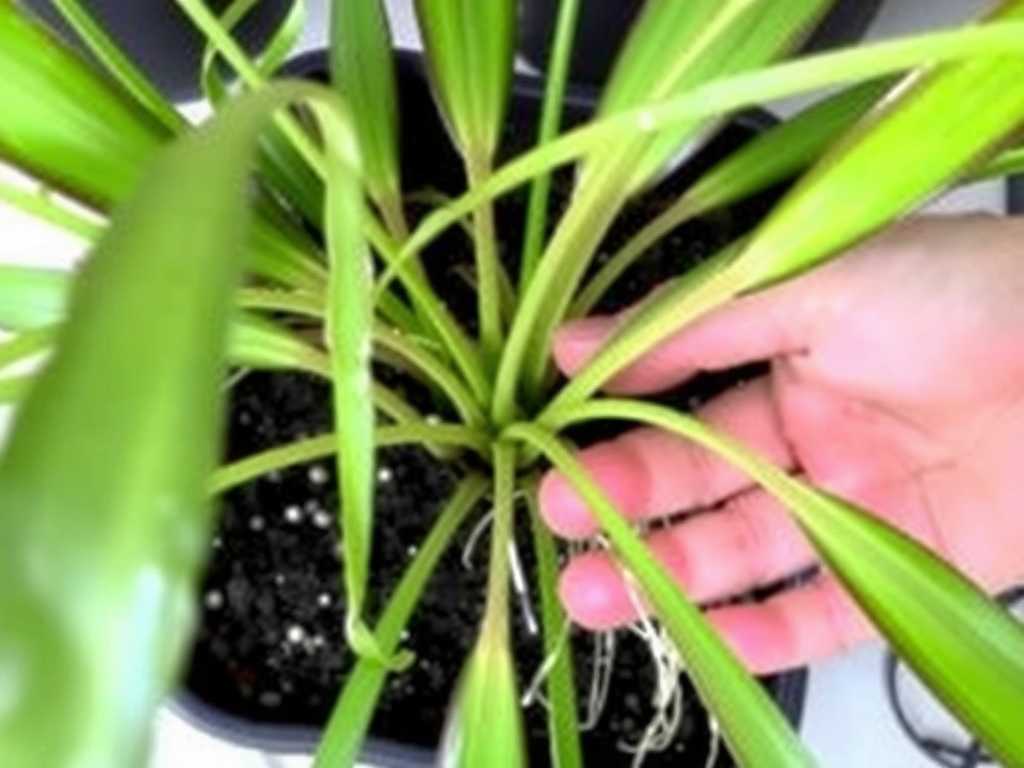
Before you panic or reach for the watering can, pause. Your first diagnostic tool is at your fingertips—literally.
Check the Soil Moisture Don’t just look at the surface. Insert your finger about 2 inches into the potting mix. What do you feel?
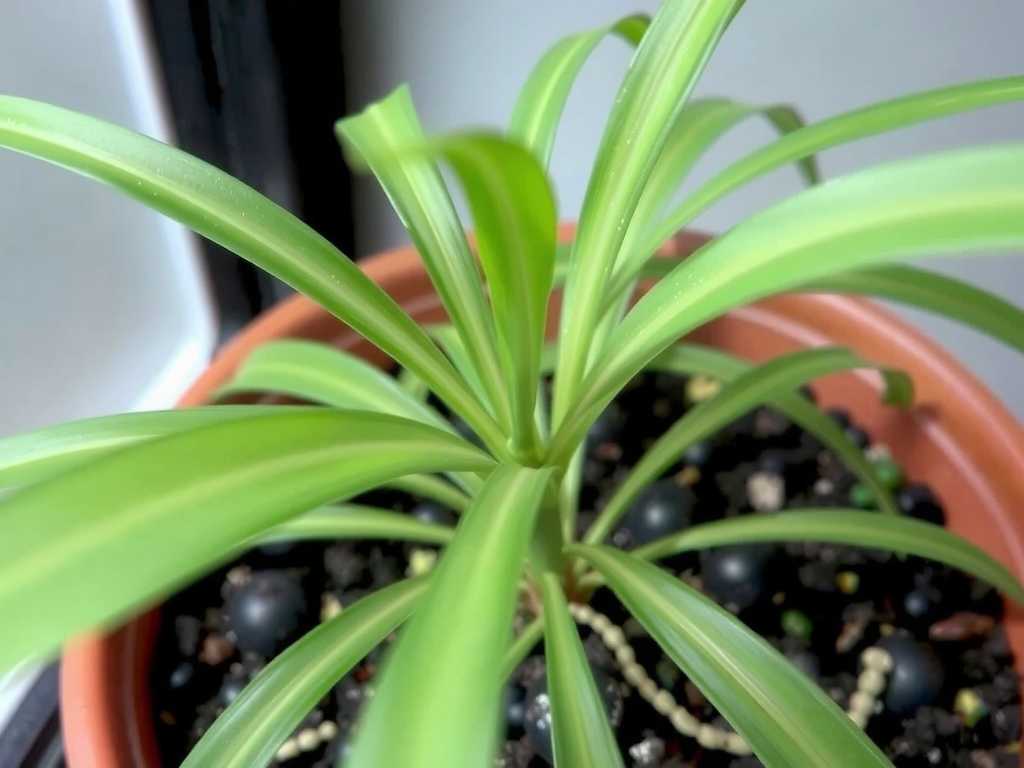
- Bone-dry and pulling away from the pot’s edges: This is a strong initial indicator of underwatering. The soil has become hydrophobic, meaning it repels water.
- Consistently soggy, wet, or muddy: This is a major red flag. Soil that remains wet long after watering is the primary environment where root rot thrives.
- Slightly moist or damp: If the soil feels damp but the plant is limp, the issue is likely not underwatering. Your investigation must go deeper.
Assess the Leaf Texture Gently feel a limp leaf, particularly near the base.
- Underwatering: Limp leaves from thirst often feel thin, papery, and brittle. They may have lost their fleshy, succulent quality.
- Root Rot: Leaves may feel mushy or overly soft. In advanced stages, the base of the leaves or the crown of the plant might feel soft and rotten.
The Definitive Diagnosis: Inspecting the Roots
The soil test gives you a clue, but examining the roots provides the definitive answer. This is the most reliable way to distinguish between underwatering and root rot. Don’t be afraid to gently remove the plant from its pot.
How to Safely Check the Roots
- Gently tilt the pot and support the plant’s base as you slide it out.
- Shake off excess soil to get a clear view of the root system.
What Healthy Roots Look Like Healthy spider plant roots are firm, fleshy, and white or light orange in color. They may have small, bulbous water storage tubers attached—this is completely normal and a sign of a healthy, mature plant.
Signs of Underwatering If the plant is severely underwatered, the root ball may be extremely dry, compact, and hard. The roots themselves might be brittle and crispy, but they will generally still be light in color, not dark or slimy. They are dehydrated but not diseased.
Clear Signs of Root Rot This is what you need to look for:
- Color: Roots will be dark brown or black, not white or light.
- Texture: They will feel soft, mushy, and slimy to the touch. They may fall apart easily between your fingers.
- Smell: A foul, musty, or rotten odor is a telltale sign of decay caused by anaerobic bacteria and fungi.
- Condition of the Plant Base: The crown of the plant (where the leaves meet the roots) may also be brown and mushy.
The Rescue Plan: Tailored Solutions for Each Problem
Once you have your diagnosis, act quickly with the appropriate remedy.
If It’s Underwatering: The Thorough Rehydration Method A severely dry plant needs careful watering, not a deluge.
- Bottom-Watering is Best: Place the pot in a sink or basin filled with 2-3 inches of lukewarm water. Let the plant soak for 30-45 minutes. This allows the dry soil and roots to absorb moisture evenly from the bottom up, rehydrating the entire root ball without shocking the plant.
- Drain Thoroughly: After soaking, let the pot drain completely in the sink. Never let the plant sit in standing water.
- Return to Bright, Indirect Light: Place it back in its spot. You should see the leaves begin to perk up within a few hours to a day. Trim any completely crispy or dead leaves at the base.
If It’s Root Rot: The Surgical Rescue Operation Root rot requires immediate and decisive action. According to horticulturist Jane Smith, "With root rot, time is of the essence. Your goal is to save the healthy plant tissue by removing all compromised parts."
- Remove All Soil: Gently wash the roots under lukewarm water to remove all contaminated potting mix.
- Sterilize Your Tools: Use clean, sharp scissors or pruners wiped with rubbing alcohol.
- Prune Aggressively: Cut away every single dark, mushy, or slimy root. Be ruthless. Only firm, healthy white roots should remain. If the crown is mushy, cut away the rotten parts until you see clean tissue.
- Treat with Fungicide (Optional): Dip the remaining healthy roots in a diluted hydrogen peroxide solution (1 part 3% peroxide to 2 parts water) or a commercial fungicide to kill any remaining pathogens.
- Repot in Fresh Soil: Use a brand new, clean pot with excellent drainage (or sterilize the old pot). Fill it with a fresh, well-draining potting mix—consider adding extra perlite or orchid bark for aeration.
- Water Sparingly: Lightly moisten the new soil. Do not soak it. Your plant has very few roots left to absorb water.
- Provide Ideal Recovery Conditions: Place the plant in a warm spot with bright, indirect light and higher humidity if possible. Do not fertilize. Water only when the top inch of soil is dry, and be very conservative until you see new growth, which confirms the rescue was successful.
Preventing Future Problems: Best Care Practices
The best cure is prevention. Implementing proper care will keep your spider plant resilient.
Mastering the Watering Schedule There’s no fixed weekly schedule. Watering needs change with seasons, light, and temperature. Always use the finger test. Water deeply until it runs from the drainage holes, then let the top 1-2 inches of soil dry out completely before watering again. Spider plants are drought-tolerant but prefer consistent, moderate moisture.
The Non-Negotiables: Pot and Soil
- Drainage Holes are Mandatory: Never use a pot without them. Excess water must be able to escape.
- Use Well-Draining Soil: A standard houseplant mix amended with perlite provides the ideal balance of moisture retention and aeration, preventing soil compaction.
Optimizing Light and Environment Spider plants thrive in bright, indirect light. Too little light slows growth and water use, increasing rot risk. Too much direct sun can scorch leaves and increase water demand. They also prefer average room humidity and temperatures between 65-80°F (18-27°C).
What does it mean if my spider plant leaves are limp but the soil is wet? This is the classic warning sign of potential root rot. Wet soil combined with limp, possibly discolored leaves indicates the roots are damaged and cannot absorb water, even though it's present. You must check the roots immediately.
Can a spider plant recover from root rot? Yes, absolutely, if caught early. The success of the recovery depends on how much healthy root tissue remains after you prune away all the rot. A plant with a significant amount of healthy white roots has a very high chance of full recovery with proper repotting and care.
How often should I water my spider plant to prevent limp leaves? Avoid a calendar-based schedule. Instead, adopt the "soak and dry" method. Water thoroughly until water drains from the bottom, then allow the top portion of the soil to dry out before watering again. This cycle encourages strong root growth and prevents both underwatering and overwatering.
Diagnosing limp spider plant leaves comes down to a simple investigation: feel the soil and inspect the roots. Dry, brittle roots point to a need for water, while dark, mushy roots signal an emergency repot. By understanding these distinct symptoms, you can move from guesswork to confident action. With the right diagnosis and tailored care—whether it’s a thorough bottom-watering or a surgical root rescue—your spider plant can quickly return to producing its cheerful arches of green and white foliage. Consistent care focused on proper watering and drainage is the ultimate key to keeping it healthy and perky for years to come.