bluename
 spider plant Spider Mite Infestation: Natural Control Method of Alcohol Wiping + Isolation
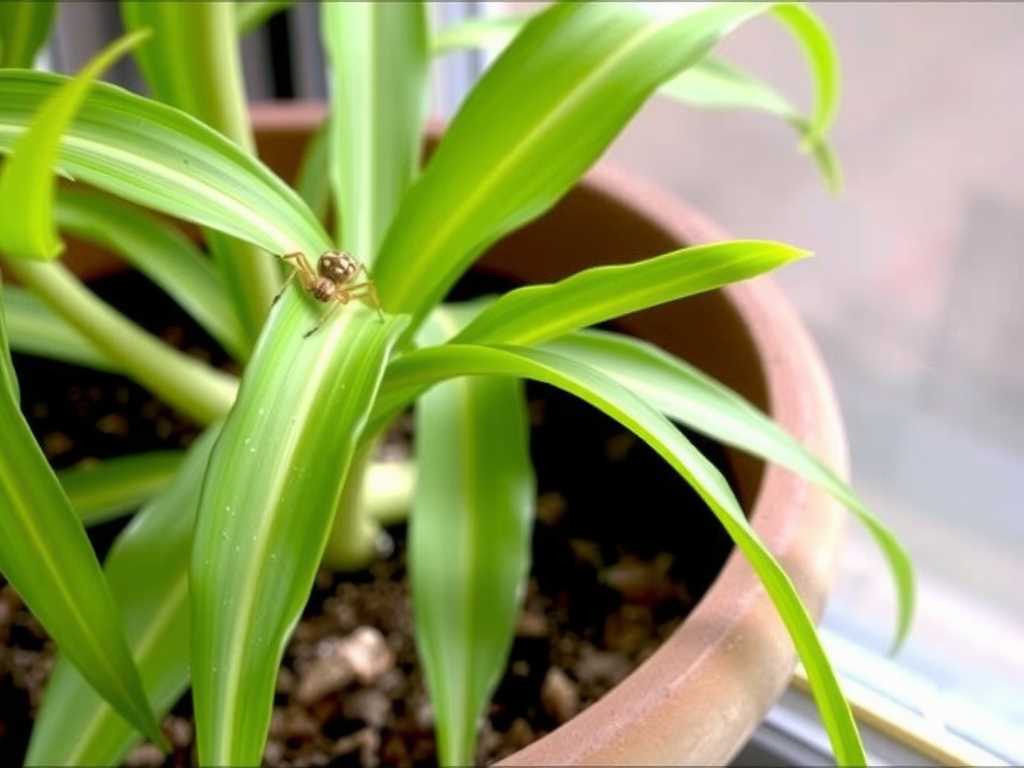
You've noticed something unsettling about your beloved spider plant. Its normally vibrant, arching leaves look dull, speckled with tiny yellow or white dots. Perhaps you see a faint, silvery webbing clinging to the undersides of the leaves or between the stems. A closer look might reveal almost microscopic dots moving slowly. Your heart sinks—this is a classic sign of a spider mite infestation. These tiny arachnids can quickly turn a thriving spider plant into a weakened, struggling one. Before reaching for harsh chemical miticides, know this: an effective, natural solution exists. This guide will detail a targeted, two-pronged approach using alcohol wiping and isolation to safely eradicate spider mites and restore your plant's health.
Understanding Your Enemy: The Spider Mite
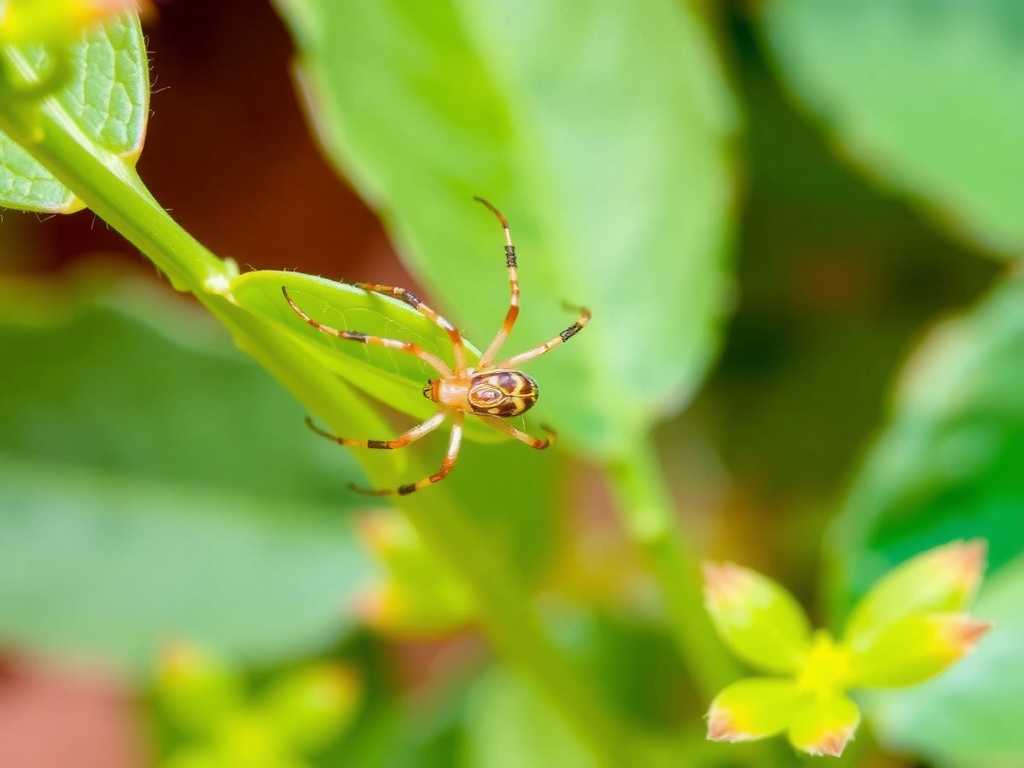
Spider mites, particularly the two-spotted spider mite (Tetranychus urticae), are common pests for indoor plants, and spider plants are not immune. They thrive in warm, dry conditions—exactly what many homes provide, especially in winter. They pierce plant cells to feed, causing the characteristic stippling damage. A severe infestation leads to leaf drop, stunted growth, and can even kill the plant. Their rapid reproductive cycle means a small problem becomes a major outbreak in days.
Why Choose Alcohol Wiping and Isolation?
Chemical pesticides are often overkill for indoor settings and can harm beneficial insects, your plant, and your household environment. The alcohol wiping method is precise, affordable, and highly effective. Isopropyl alcohol (rubbing alcohol) desiccates and kills spider mites and their eggs on contact. Plant isolation is the critical companion step. It prevents mites from migrating to your entire plant collection, containing the outbreak and making treatment manageable. This natural control method aligns with integrated pest management (IPM) principles, starting with the least toxic intervention.
Pre-Treatment Assessment and Preparation
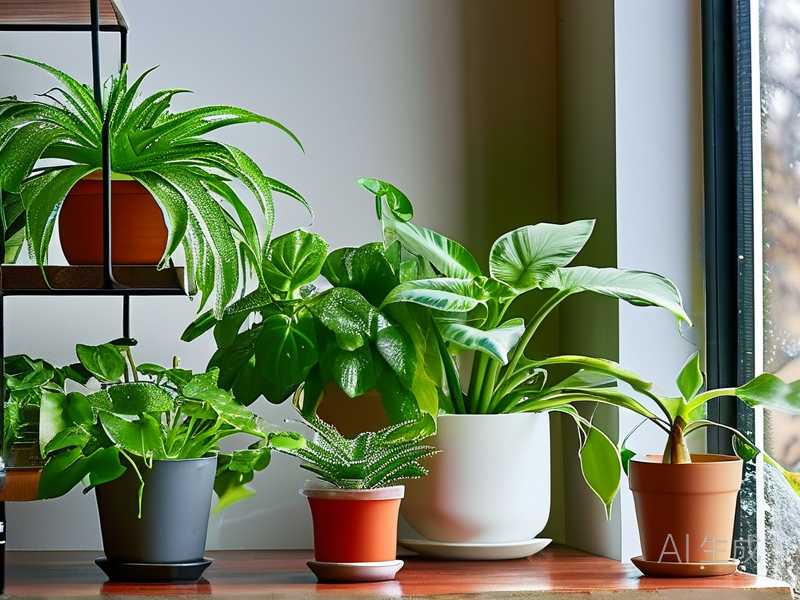
First, confirm the infestation. Tap a leaf over a white paper; look for moving specks. Use a magnifying glass to see mites and eggs on leaf undersides. Next, gather your supplies: 70% isopropyl alcohol (higher concentrations evaporate too quickly), cotton balls/pads or soft cloths, a spray bottle, fresh potting mix, and clean pots if repotting is needed. Immediately move the infested spider plant away from all other plants. A separate room is ideal.
Step-by-Step: The Alcohol Wiping Treatment Process
This method requires patience and thoroughness but yields excellent results.
Initial Foliage Application Do not pour alcohol directly onto the soil. Instead, lightly dampen a cotton ball with alcohol. Gently wipe down every single leaf of your spider plant, paying meticulous attention to the undersides, leaf joints (where the leaf meets the stem), and the base of the plant. The alcohol will evaporate quickly, minimizing risk to the plant. For delicate spider plant babies (pups), a lighter touch or a fine alcohol mist may be preferable.
Targeting Dense Growth and Soil Surface Spider plants often have dense centers where mites hide. Use a cotton swab dipped in alcohol to reach into tight spaces. While mites primarily live on foliage, they can crawl on the soil surface or pot rim. Wipe the pot's exterior and the top inch of the soil rim. Some experts, like those from the University of California Statewide IPM Program, note that a diluted alcohol spray (1 part alcohol to 1 part water) can be used for a follow-up application on foliage, but testing on a single leaf first is always advised to check for phytotoxicity.
The Critical Role of Complete Plant Isolation
Isolation is non-negotiable. Your treated plant must remain quarantined for at least 3-4 weeks after you see the last mite. Spider mite eggs can hatch days after treatment, leading to a new cycle. Keep the plant in a separate location and use dedicated tools for it. This prevents cross-contamination and is a cornerstone of responsible plant care.
Post-Treatment Care and Monitoring
After treatment, place your spider plant in an area with good airflow and appropriate indirect light. Avoid stressing it with fertilizer or repotting immediately unless the soil is poor. Monitor the plant every 2-3 days. Re-inspect leaves for any signs of living mites. A second or even third alcohol wiping treatment, spaced 4-5 days apart, is often necessary to break the egg cycle. Increase humidity around the plant slightly, as mites despise moist environments.
Preventing Future Spider Mite Infestations
Consistent prevention is easier than cure. Regularly inspect your plants, especially new additions which should be quarantined. Wiping leaves with a damp cloth during routine cleaning dislodges early pests. Maintain good air circulation and avoid letting your spider plant become too dry for extended periods. A healthy, well-watered, and properly fed spider plant is more resilient to pest attacks.
Addressing Common Concerns and Questions
Can rubbing alcohol harm my spider plant? When used correctly—by wiping, not drenching, and using a 70% solution—it is very safe. The alcohol kills pests on contact and evaporates rapidly. Always test on a small, inconspicuous area first, though spider plants typically tolerate it well. Avoid using it on very young, newly propagated pups until they are more established.
How long should I keep the plant isolated? A full quarantine period of one month is recommended. This covers multiple life cycles of the mite. After a month with no signs of pests, you can gradually reintroduce it to your plant collection, but continue to monitor it closely for the first week back.
What if the alcohol wipe method doesn't completely work? For severe, persistent infestations, the alcohol treatment can be combined with other natural methods. After wiping, you can use a strong blast of water in the shower to dislodge remaining mites. Introducing natural predators like Phytoseiulus persimilis mites is a biological control option for serious growers. As a last resort, insecticidal soaps or horticultural oils (like neem oil) can be used, but the alcohol and isolation protocol is successful in the vast majority of home infestations.
Successfully combating a spider mite infestation on your spider plant requires a methodical and persistent approach. The combination of physical removal via alcohol wiping and strict isolation breaks the pest's life cycle without introducing toxins into your home. By acting quickly at the first sign of mites, being thorough in your treatment, and maintaining vigilant prevention habits, you can protect your spider plant's health and enjoy its graceful, air-purifying beauty for years to come. Remember, the key to natural pest control is consistency and observation.