bluename
 spider plant Aphid Control: The Safe and Effective Guide to Soapy Water Spraying
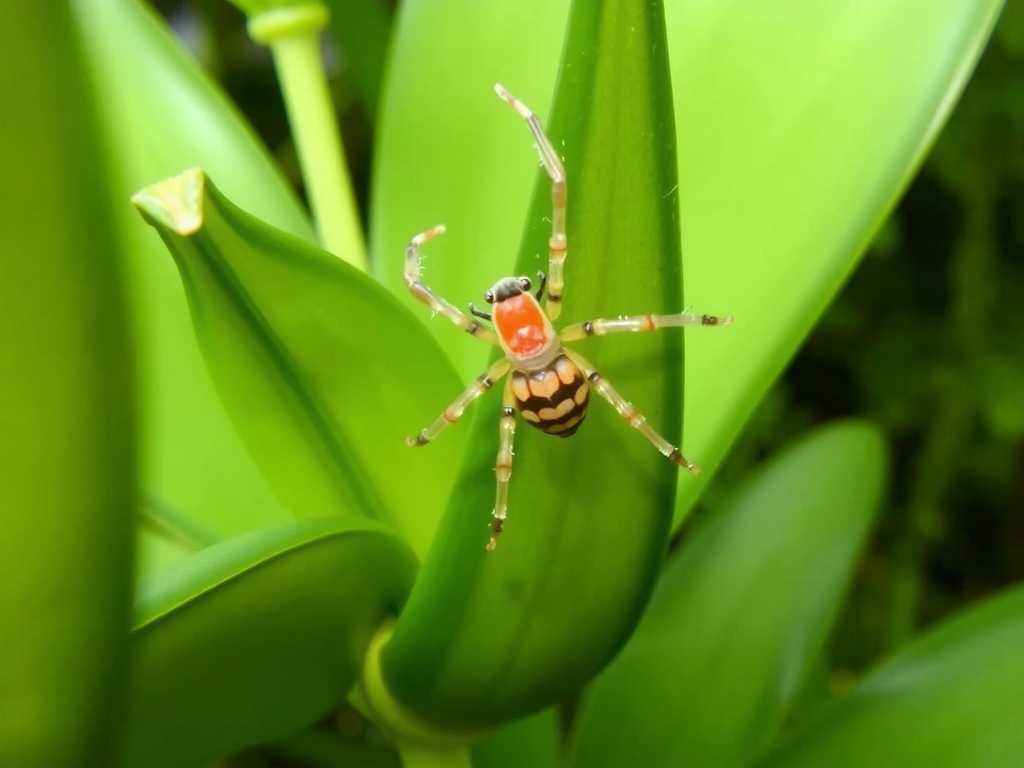
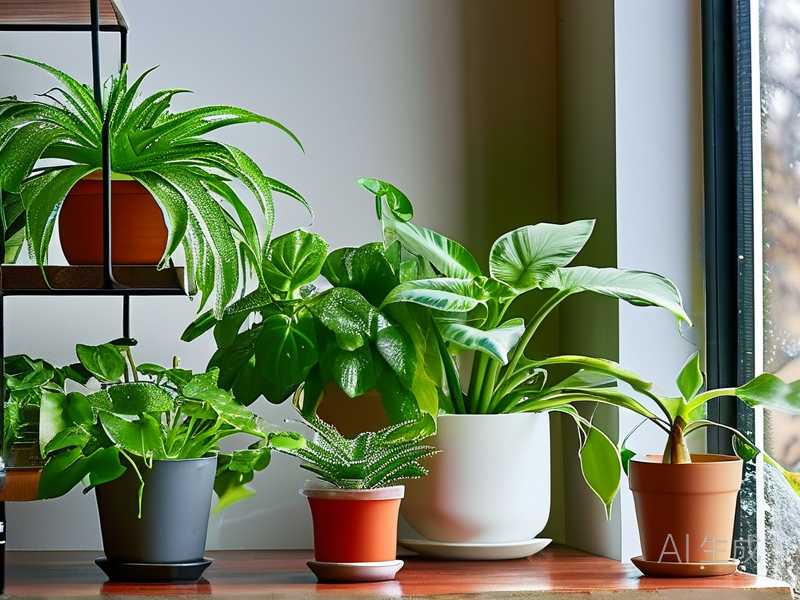
You've lovingly nurtured your spider plant, admiring its graceful arching leaves and cheerful plantlets. But now, a closer look reveals a troubling sight: clusters of tiny, pear-shaped insects clinging to the undersides of leaves and along new growth. Your vibrant plant is under siege by aphids. The urge to act is immediate, but the thought of using harsh chemical pesticides indoors is concerning. You need a solution that is effective, safe for your home, and gentle on your plant. This is where mastering the safe operation of soapy water spraying becomes your most powerful tool. This comprehensive guide will walk you through every step, ensuring you can eliminate aphids confidently and restore your spider plant's health.
Understanding Your Enemy: The Spider Plant Aphid
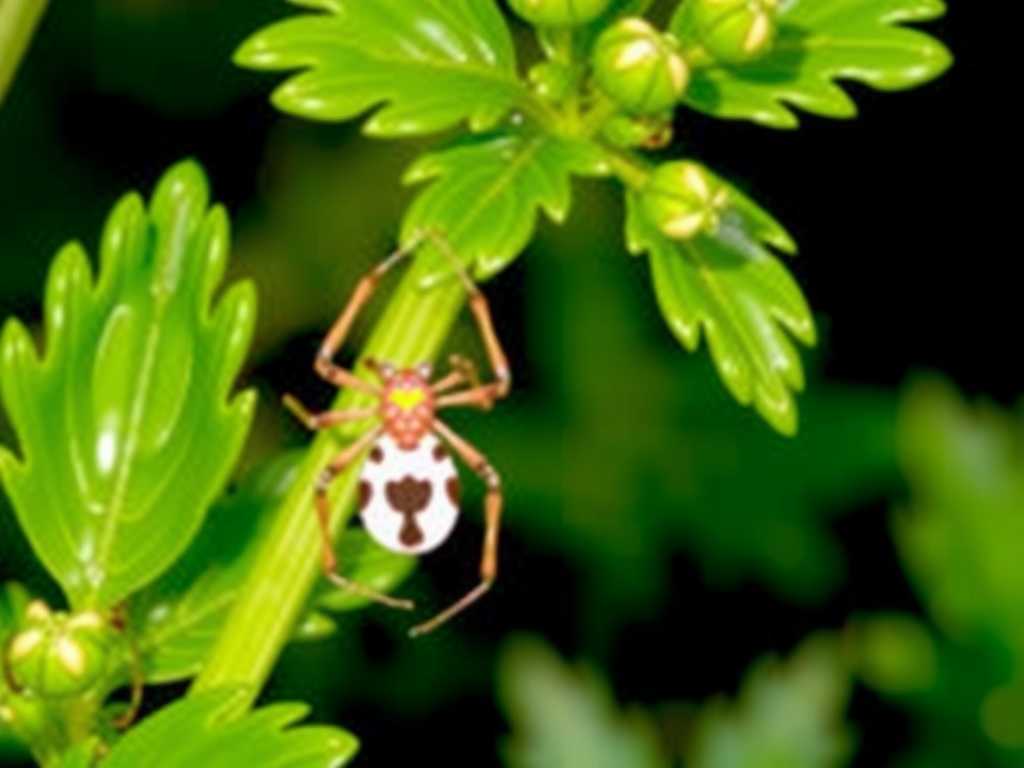
Before launching any treatment, it’s crucial to understand the adversary. Aphids are soft-bodied sap-sucking pests that weaken plants by draining their vital fluids. On spider plants, they often congregate on new, tender growth and the protected spaces beneath leaves. Their feeding can cause leaves to curl, yellow, and stunt the plant's overall growth. Furthermore, aphids excrete a sticky substance called honeydew, which can lead to the growth of sooty mold, further hampering your plant's ability to photosynthesize. Identifying the problem early is half the battle won in controlling aphids on houseplants.
Why Soapy Water is the Champion of Natural Pest Control
The use of insecticidal soap—or a carefully formulated homemade version—is a time-tested method endorsed by horticulturists and integrated pest management (IPM) programs. It works through a simple yet effective mechanical action. The soap solution breaks down the protective waxy coating (cuticle) on the aphid's soft body, leading to rapid dehydration and death. Unlike systemic chemicals, it has no residual poison. When prepared and applied correctly, it poses minimal risk to your spider plant, your pets, and your family, making it the cornerstone of safe indoor plant pest management.
Critical Precautions: The "Safe" in Safe Operation
The effectiveness and safety of this method hinge entirely on correct preparation and application. A misstep can harm your plant. Here are the non-negotiable rules.
- Use Pure Liquid Soap: Never use detergents, degreasers, dishwashing liquids with added bleach, fragrances, moisturizers, or antibacterial agents. These contain additives that can severely damage plant tissues. Opt for a pure castile soap or a plain liquid soap with minimal ingredients.
- Test Before You Spray: Spider plant leaves, especially variegated varieties, can be sensitive. Always perform a spot test 24-48 hours before full application. Spray a small, inconspicuous leaf section and monitor for any signs of burning or discoloration.
- Mind the Environment: Treat your plant in a cool, shaded area away from direct sunlight. Applying any spray, even water, in direct sun can cause leaf scorch.
Crafting Your Weapon: The Perfect Soapy Water Solution
Precision is key. A solution that is too weak is ineffective; one that is too strong is harmful.
- Gather Your Materials: You will need a clean 1-quart spray bottle, pure liquid soap, and lukewarm water (warm water helps the soap mix more readily).
- The Golden Ratio: The standard, recommended concentration is a 1% to 2% soap solution. This translates to:
- 1 teaspoon of pure liquid soap per 1 pint (2 cups) of water, OR
- 2 teaspoons per 1 quart (4 cups) of water.
- Mixing Instructions: Fill your spray bottle with the desired amount of lukewarm water. Add the measured soap. Gently swirl or invert the bottle to mix. Avoid shaking vigorously, as this can create excessive suds.
The Step-by-Step Application Protocol
With your tested solution ready, follow this systematic approach for effective soap spray application.
Step 1: Preparation Move your spider plant to a sink, bathtub, or outdoors. If possible, gently wipe off or dislodge as many aphids as you can with a damp cloth. This reduces the initial population.
Step 2: Thorough Spraying Shake the bottle gently. Drench the entire plant, paying meticulous attention to the undersides of leaves and the central crown where pests hide. The goal is to coat every insect with the solution. Ensure you also lightly spray the soil surface, as some aphids may fall off.
Step 3: The Dwell Time Allow the soapy water to sit on the plant for a minimum of 15-20 minutes. This is the critical contact period where the solution works to break down the aphids' outer layer.
Step 4: The Essential Rinse After the dwell time, you must thoroughly rinse the entire plant with clean, lukewarm water. This step is vital to remove any soap residue that could clog the plant's pores (stomata) if left to dry. Use a gentle shower setting or a watering can.
Step 5: Drying and Inspection Let the plant drip-dry in a well-ventilated, shaded spot. Once dry, inspect it closely. You may need to repeat the treatment every 4-7 days for 2-3 cycles to eliminate newly hatching nymphs, as the soap does not affect eggs.
Post-Treatment Care and Prevention
After the battle, help your spider plant recover and fortify its defenses.
- Wipe Leaves: Gently wipe the leaves with a clean, damp cloth a day after treatment to remove any lingering honeydew.
- Optimal Care: A healthy plant is more resistant. Ensure your spider plant receives appropriate indirect light, proper watering (allowing the soil to dry somewhat between waterings), and occasional feeding during the growing season.
- Regular Monitoring: Make inspecting your plant, especially new growth, part of your regular watering routine. Early detection makes control infinitely easier.
Addressing Common Concerns
Can I use any dish soap for my spider plant? No, this is strongly discouraged. Most modern dish soaps are detergents formulated for grease, not plants. They often contain dyes, perfumes, and other additives that can strip the natural oils from your spider plant's leaves, causing irreversible damage. Always choose a pure, additive-free soap.
How often should I spray without hurting the plant? The treatment interval is based on the aphid life cycle, not a fixed schedule. Apply the soap spray no more than once every 4-7 days. After three applications, reassess. Over-applying, even a correct solution, can stress the plant. Always observe the plant's response after each treatment.
The soapy water didn't work. What now? If a correctly prepared and applied soapy water spray fails after 2-3 thorough applications, you may be dealing with a heavy infestation or a slightly resistant pest. Do not increase the soap concentration. Instead, consider escalating to a commercial insecticidal soap or a horticultural oil (like neem oil), following all label instructions and testing first. Isolating the affected plant is also crucial to prevent spread.
Aphids on your spider plant are a common setback, but they are a manageable one. By understanding the principle behind soapy water sprays and adhering to the strict protocols for safe operation of soapy water spraying, you wield a method that is both potent and protective. This approach aligns with a holistic plant care philosophy, prioritizing the long-term health of your indoor garden and the safety of your home environment. With patience and consistent, correct action, you will see your spider plant return to its lush, vibrant self, free from pests.