bluename
 spider plant Runners Are Withered: A Complete Fertilizer Adjustment Plan for Nutrient Deficiency
You’ve nurtured your spider plant, watched it produce those cheerful little “spiderettes” on long, arching runners, and felt that surge of pride. But now, something’s wrong. Those once-vibrant runners are turning brown, yellow, or simply withering away before they can root. This common and frustrating sight is often a direct cry for help—a sign of nutrient deficiency. Don’t worry; this guide is your definitive fertilizer adjustment plan to diagnose the problem, restore balance, and bring back the lush, trailing beauty of your spider plant.
Understanding the Role of Runners and Their Connection to Plant Health
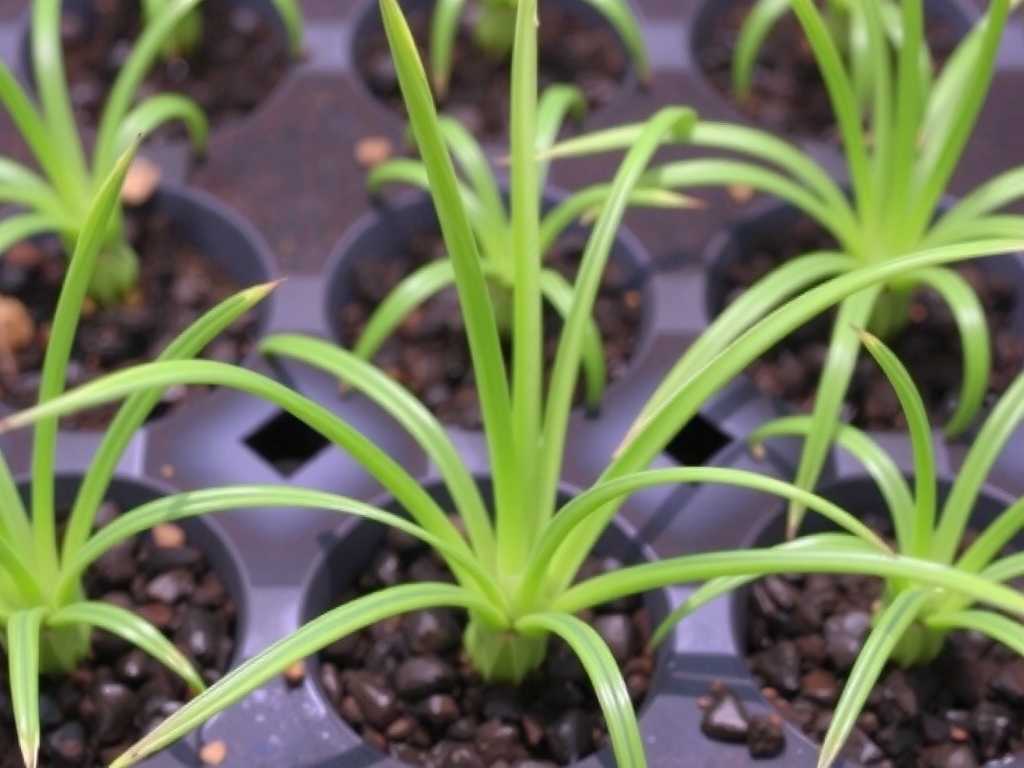
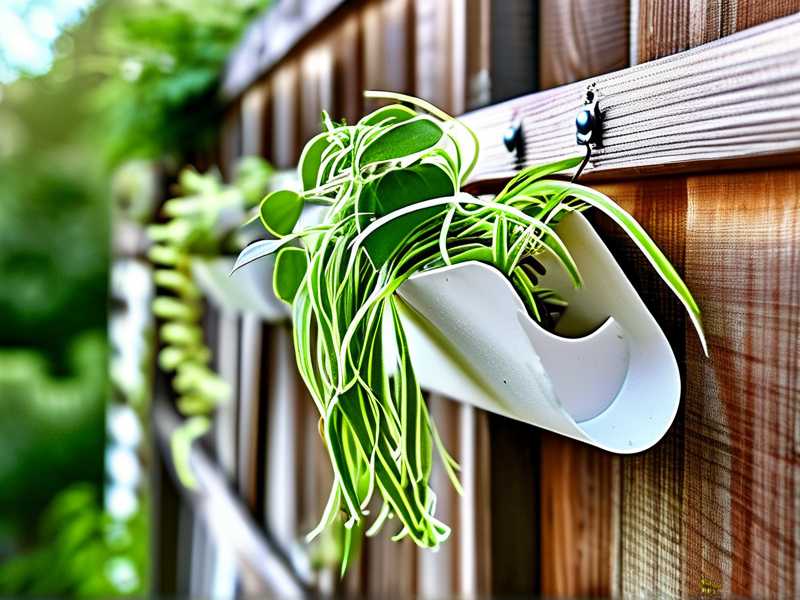
Spider plants, or Chlorophytum comosum, reproduce primarily through stolons, commonly called runners or offsets. These runners are not just decorative; they are the plant’s energy-intensive investment in the next generation. When a spider plant is healthy and well-fed, it has ample resources to support both its main foliage and the development of these baby plantlets. A withered runner is a clear signal that the plant is redirecting scarce resources or that the runner itself is failing due to an imbalance. While overwatering, root rot, or excessive direct sun can contribute, a lack of essential nutrients is a primary culprit that demands a targeted fertilizer strategy.
Diagnosing Nutrient Deficiencies Behind Withered Spider Plant Runners
Before you adjust your fertilizer, it’s crucial to play plant detective. Different deficiencies manifest in specific ways. Look at the entire plant, not just the runners, for clues.
Nitrogen (N) Deficiency: The Energy Drain Nitrogen is vital for chlorophyll production and overall vigorous growth. A nitrogen-deficient spider plant will prioritize its main rosette, sacrificing the runners. You’ll see general yellowing of the older leaves, starting at the tips and moving inward, accompanied by stunted growth and those frail, withering runners. The plant simply can’t support its reproductive efforts.
Phosphorus (P) Deficiency: The Root and Bloom Booster Phosphorus is key for energy transfer, root development, and maturation. A lack of phosphorus can severely impact the runner’s ability to establish itself. Look for a dark green or purplish tinge on the older leaves, especially the undersides. Growth is dramatically slowed, and any new plantlets on the runners may fail to develop roots or appear weak and withered from the start.
Potassium (K) Deficiency: The Regulator in Distress Potassium regulates water uptake, enzyme activation, and overall plant hardiness. A potassium-deficient plant struggles with basic physiological functions. Symptoms include yellowing and browning at the leaf margins and tips (scorching), which can be mistaken for underwatering. The runners become weak, lose turgidity, and are prone to withering under mild stress.
Micronutrient Shortfalls: The Hidden Culprits While less common, deficiencies in micronutrients like magnesium (causing interveinal yellowing) or iron (causing young leaves to turn pale) can also contribute to overall weakness, making runners more susceptible to dying off.
Your Step-by-Step Fertilizer Adjustment and Recovery Plan
This plan focuses on correction and long-term health. Always ensure your plant has proper drainage and light conditions before addressing fertilizer needs.
Step 1: The Flush and Reset If you suspect a nutrient issue or have been over-fertilizing (which can cause salt buildup and “burn” roots, also leading to withered runners), start by flushing the soil. Take the plant to a sink and slowly run room-temperature water through the soil for several minutes, allowing it to drain freely. This leaches away excess salts and provides a clean slate.
Step 2: Selecting the Right Fertilizer Formula For correcting deficiencies, a balanced, water-soluble fertilizer is ideal. Look for an NPK ratio close to 10-10-10 or 20-20-20. This provides equal parts of the primary macronutrients. For a more tailored approach, if you’ve identified specific symptoms:
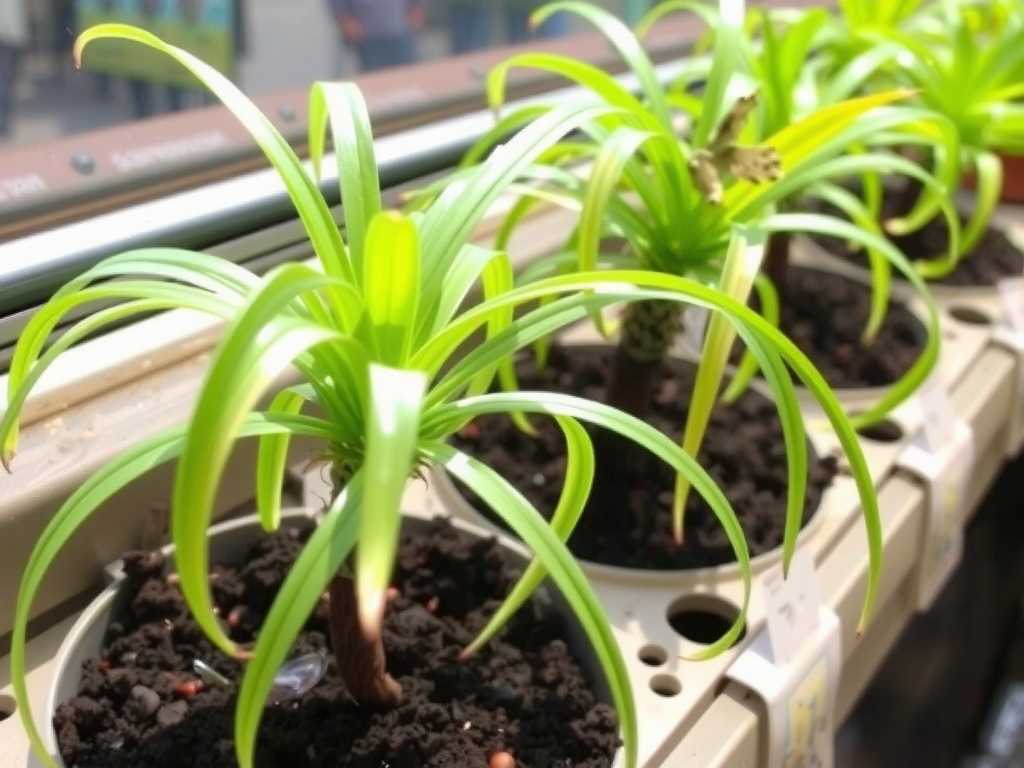
- For suspected Nitrogen lack: A formula with a slightly higher first number (e.g., 15-10-10).
- For suspected Phosphorus lack: A formula like 10-20-10 or a “bloom booster.”
- A balanced formula is usually the safest and most effective starting point for overall recovery.
Step 3: Applying Fertilizer Correctly and Safely
- Dilution is Key: Spider plants are light feeders and prone to fertilizer burn. Always dilute the fertilizer to half or even a quarter of the strength recommended on the label. As horticulturist Dr. Linda Chalker-Scott emphasizes, “More is not better when it comes to fertilizer. Dilute solutions applied regularly are far safer and more effective than concentrated doses.”
- Application Method: Apply the diluted fertilizer solution to moist soil—never to dry soil, as this can shock the roots. Water thoroughly until it drains from the bottom.
- Frequency During Recovery: For the first 2-3 applications, fertilize every 4 weeks during the active growing season (spring and summer). Then, transition to a maintenance schedule.
Step 4: Establishing a Long-Term Maintenance Feeding Schedule Once your plant shows signs of recovery (new growth, firm green leaves, healthy new runners), adopt a conservative feeding routine. Fertilizing spider plants every 4-6 weeks during spring and summer is sufficient. Reduce or completely stop fertilizing in fall and winter when growth naturally slows. This consistent, gentle feeding prevents the cycle of feast and famine that leads to problems like withered runners.
Preventive Care: Beyond Fertilizer
A holistic approach ensures your fertilizer efforts aren’t wasted.
- Light: Provide bright, indirect light. Too little light reduces the plant’s ability to photosynthesize and use nutrients.
- Watering: Water only when the top inch of soil is dry. Soggy soil leads to root rot, which blocks nutrient uptake.
- Potting Mix: Use a well-draining, peat-based potting mix. Refresh it every 2-3 years, as old soil decomposes and loses its nutrient-holding capacity.
Why are the tips of my spider plant leaves also brown, along with the withered runners? This is often a dual-signal. While nutrient deficiency (especially potassium) can cause tip burn, the most common cause is fluoride or chlorine in tap water. Spider plants are sensitive to these chemicals. Use distilled, rainwater, or tap water that has been left out for 24 hours to allow chemicals to dissipate, in conjunction with your proper fertilizing plan.
Can I cut off the withered runners, and will new ones grow? Yes, absolutely. Using clean, sharp scissors, trim the withered runner back to the base of the mother plant. This redirects the plant’s energy. Once the underlying nutrient deficiency is corrected and the plant regains its health, it will typically produce new, healthy runners in the next growing season.
Is slow-release fertilizer a good option for preventing runner problems? Slow-release granules or spikes can provide a steady supply of nutrients and are a good “set-and-forget” option for maintenance. However, for correcting an existing deficiency, a water-soluble fertilizer gives you more immediate control over the nutrient dose and is preferred for the initial recovery phase. You can switch to a slow-release formula for long-term care after the plant has recovered.
Seeing your spider plant’s runners wither can be disheartening, but it’s a solvable problem. By understanding the link between nutrient deficiency and plantlet health, you can move from guesswork to a precise fertilizer adjustment plan. The path to recovery involves careful diagnosis, a gentle but consistent feeding regimen with a properly diluted fertilizer, and attentive overall care. With patience and this targeted approach, you’ll soon be rewarded with a resilient, thriving spider plant cascading with healthy green runners and robust little spiderettes, turning that initial frustration into a success story.